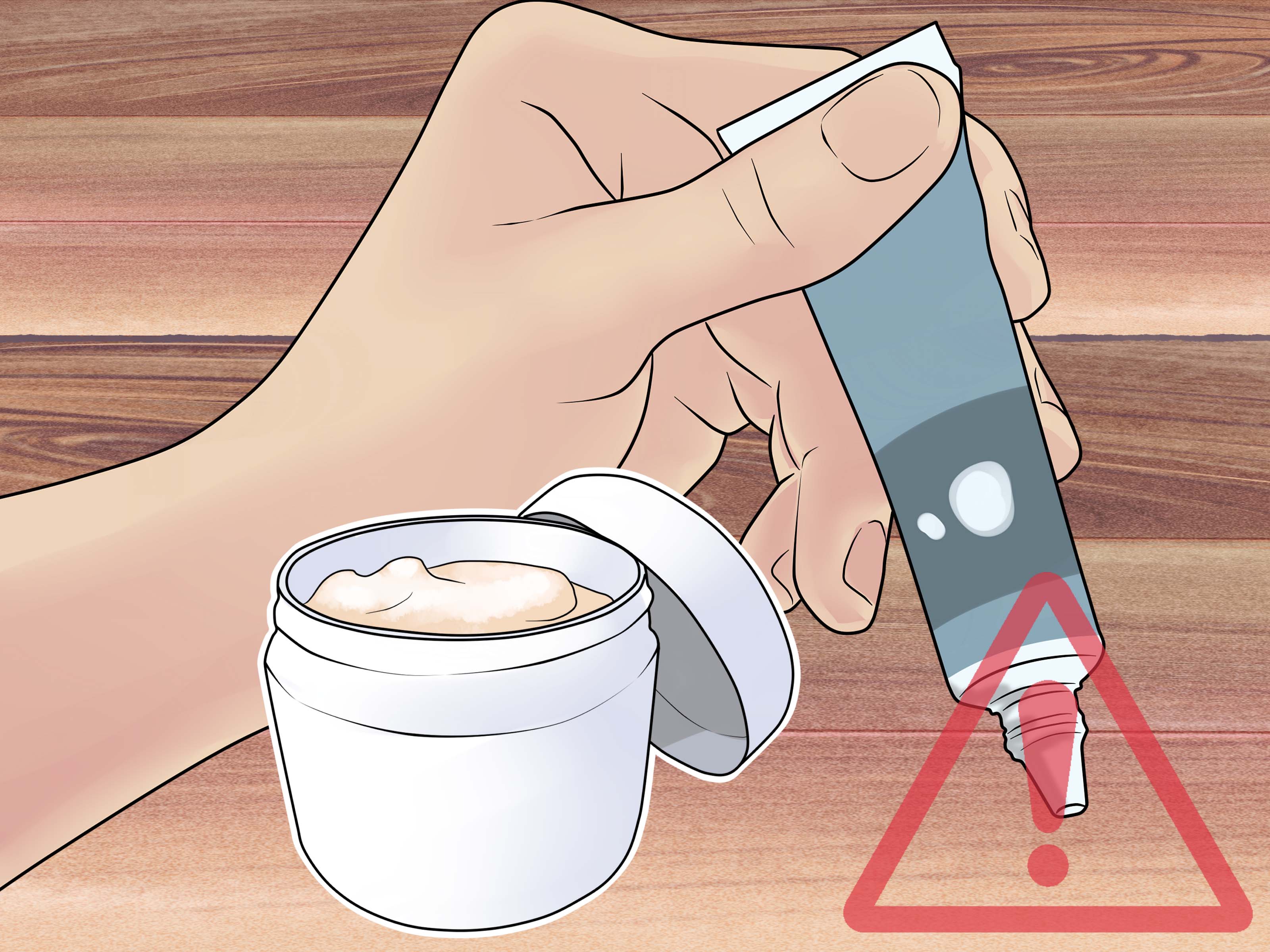
Denture adhesive is a tiny miracle when your dentures need extra stability. It helps them stay put while you talk, chew, smile, laugh, and confidently order corn on the cob even though your dentist might raise an eyebrow. But at the end of the day, that same helpful adhesive can turn into a stubborn sticky film on your gums, palate, and sometimes the corners of your patience.
If you have ever removed your dentures and thought, “Great, now my gums are wearing glue pajamas,” you are not alone. Denture adhesive residue is common, especially with paste-style products. The good news is that you do not need to scrub aggressively, scrape with fingernails, or declare war on your mouth. With a gentle routine, warm water, the right tools, and a little patience, you can remove denture adhesive from gums safely and protect your oral health at the same time.
This guide covers seven practical tips to remove denture adhesive from gums, plus what to avoid, when to call a dentist, and real-life experience-based advice for making the process less messy and more manageable.
Why Denture Adhesive Sticks to Gums
Denture adhesive is designed to create a seal between the denture base and the soft tissues of your mouth. That seal helps improve retention, reduce movement, and keep food particles from sneaking underneath like tiny dinner guests who were not invited. Most adhesives work by reacting with moisture from saliva, becoming thicker and tackier as the day goes on.
That is useful while wearing dentures, but it explains why residue can remain after removal. The adhesive may cling to the gums, roof of the mouth, denture grooves, or any area where too much product was applied. If dentures are loose or poorly fitted, people often use more adhesive than recommended, which can make cleanup harder and may signal that the dentures need adjustment.
The goal is simple: soften the adhesive, loosen it gently, wipe or brush it away, rinse thoroughly, and clean the dentures before the next use. Think of it as a nightly reset for your mouthnot a wrestling match.
7 Tips to Remove Denture Adhesive from Gums Safely
1. Start With a Warm Water Rinse
The easiest first step is also one of the most effective: rinse your mouth with warm water. Warm water helps soften denture adhesive residue, making it easier to loosen from the gums and palate. Use water that feels comfortably warm, not hot. Your gums are soft tissue, not a coffee mug, so boiling-hot water is definitely not invited.
Swish the water around your mouth for 30 to 60 seconds. Try moving it around the areas where adhesive usually sticks, especially the roof of the mouth and the gum ridge. Spit, repeat, and give the adhesive a moment to loosen. This step is especially helpful before removing dentures, because it can weaken the seal and reduce tugging.
For stubborn residue, repeat the warm water rinse several times. Some people find that multiple short rinses work better than one long rinse. The goal is not to dissolve every bit instantly, but to soften the adhesive enough so the next steps are easier.
2. Remove Dentures Slowly and Gently
After rinsing, remove your dentures carefully. For upper dentures, try gently rocking them rather than pulling straight down with force. For lower dentures, use small movements to break the seal before lifting them out. If the denture feels stuck, do not yank it. Rinse again with warm water and give the adhesive more time to loosen.
Forcing dentures out can irritate the gums, especially if the tissue is already tender. A gentle rocking motion helps separate the denture from the adhesive without creating unnecessary pressure. If your dentures regularly feel difficult to remove, that may mean you are using too much adhesive or the dentures need professional adjustment.
Once the dentures are out, set them on a towel or over a sink filled with water. Dentures can break if dropped on a hard surface, and nobody wants their evening routine to include a dramatic bathroom bounce.
3. Brush Your Gums With a Soft-Bristled Toothbrush
After dentures are removed, use a soft-bristled toothbrush to gently brush your gums, tongue, cheeks, and the roof of your mouth. This helps remove softened denture adhesive, stimulates circulation, and supports daily oral hygiene.
Use light pressure and small circular motions. If your gums are sore, healing, or sensitive, go even slower. You can use plain warm water, or ask your dentist whether a mild toothpaste or oral rinse is appropriate for your situation. Avoid stiff brushes because they can scratch or irritate delicate tissue.
This step is not just about removing sticky residue. Cleaning your gums also helps reduce bacteria and freshen your mouth after a long day of denture wear. Even if you have full dentures and no natural teeth, your mouth still needs daily care. Gums deserve attention toothey are doing the heavy lifting under those dentures.
4. Use a Damp Washcloth or Gauze for Sticky Patches
If brushing does not remove all the adhesive, try a clean damp washcloth or sterile gauze. Wrap it around your finger, moisten it with warm water, and gently wipe the sticky areas. The texture of the cloth can grip adhesive residue better than a toothbrush in some spots.
This method works well for paste adhesive that rolls into small sticky bits. Use a fresh section of cloth as residue comes off so you are not simply moving adhesive around. Be gentle and avoid scraping. Your gums should not feel raw afterward.
A damp cloth can be especially useful for the roof of the mouth, where adhesive may spread into a thin film. If you have trouble reaching certain areas, take your time and rinse between wipes. The combination of warm water, soft brushing, and cloth wiping usually removes most residue without drama.
5. Try a Mild Saltwater Rinse for Comfort
A mild saltwater rinse can help your mouth feel cleaner and may soothe minor gum tenderness. Mix about half a teaspoon of salt into a cup of warm water, stir until dissolved, swish gently, and spit. Do not swallow the rinse.
Saltwater is not magic glue remover, but it can support a cleaner-feeling mouth after adhesive removal. It is especially helpful if your gums feel slightly irritated from wearing dentures all day. However, if you have open sores, recent oral surgery, or special instructions from your dentist, follow professional guidance first.
Avoid alcohol-heavy mouthwashes if your gums are dry or sensitive. Alcohol can sting and may make dryness worse for some people. An alcohol-free rinse may be more comfortable for daily use, especially for denture wearers who already deal with dry mouth.
6. Clean Adhesive From Dentures Separately
Removing denture adhesive from gums is only half the job. The other half is cleaning the denture itself. Adhesive often remains in the grooves that fit against your gums. If old adhesive is not removed, it can interfere with the next application and may trap bacteria or food particles.
Rinse dentures under cool or lukewarm water. Use a denture brush or soft toothbrush with a nonabrasive denture cleanser. Brush all surfaces, paying special attention to the underside where adhesive sits. Avoid regular whitening toothpaste on dentures unless your dentist says it is safe, because some formulas can be abrasive and may scratch denture materials.
After brushing, rinse thoroughly. If you soak dentures overnight, use plain water or a denture-soaking solution according to the product label. Never use boiling water, because heat can warp dentures and change the fit. A warped denture is not a fun surprise; it is basically a tiny plastic betrayal.
7. Use Less Adhesive and Check Denture Fit
If you are spending a long time every night removing denture glue from gums, the problem may not be your cleaning technique. It may be the amount of adhesive or the fit of the denture.
Use only the amount recommended on the product label. More adhesive does not always mean a better hold. In fact, too much adhesive can ooze out, spread across the gums, and create a thick residue that is difficult to remove. A small amount placed correctly is usually better than a large amount applied like frosting on a birthday cake.
Dentures can become loose over time because gums and bone structure naturally change. If your dentures rock, slip, cause sore spots, or require more adhesive than before, schedule a dental visit. A dentist may recommend an adjustment, reline, or replacement. Adhesive should help improve comfort and stability, not compensate for a denture that no longer fits properly.
What Not to Do When Removing Denture Adhesive
Some removal tricks sound tempting, especially when adhesive refuses to leave politely. But your gums are delicate, so avoid harsh methods that can cause irritation or injury.
Do not scrape your gums with fingernails, toothpicks, metal tools, or sharp objects. These can create tiny cuts and increase the risk of soreness. Do not use household cleaners, rubbing alcohol, bleach, or strong chemicals inside your mouth. They are not safe for oral tissue and can cause burning or irritation.
Do not use hot or boiling water in your mouth or on dentures. Hot water can burn tissue, and boiling water can damage denture shape. Do not scrub aggressively with a hard toothbrush. If your gums bleed, feel raw, or remain painful after adhesive removal, stop and contact your dentist.
When to Call a Dentist
Denture adhesive residue is usually manageable at home, but certain signs deserve professional attention. Call your dentist if you notice persistent gum sores, bleeding, swelling, burning, numbness, tingling, bad odor, white patches, or pain that does not improve. Also make an appointment if your dentures move while eating or talking, if you need more adhesive than usual, or if removal is difficult every day.
These symptoms may point to poor denture fit, gum irritation, oral infection, dry mouth, or overuse of adhesive. Some denture adhesives contain zinc, and using excessive amounts over time may raise health concerns. Always follow product directions and ask a dental professional if you are unsure how much adhesive to use.
A Simple Nightly Routine for Cleaner Gums
Here is a practical routine that many denture wearers can adapt:
- Swish with warm water to loosen the adhesive.
- Remove dentures slowly using gentle rocking motions.
- Rinse your mouth again to soften leftover residue.
- Brush gums, tongue, and palate with a soft-bristled toothbrush.
- Use a damp washcloth or gauze for stubborn sticky patches.
- Clean dentures with a denture brush and nonabrasive cleanser.
- Soak dentures overnight if recommended by the product instructions or your dentist.
This routine may take a few extra minutes at first, but it becomes faster with practice. The key is consistency. Removing adhesive daily helps your mouth feel fresher and helps your dentures fit more predictably the next morning.
Experience-Based Advice: What Denture Wearers Learn Over Time
People who are new to dentures often expect adhesive removal to be quick and perfect from day one. Then reality arrives with a sticky grin. The first week can feel awkward because you are learning how much adhesive to use, where to place it, how long it holds, and how it behaves at night. That learning curve is normal.
One common experience is using too much adhesive in the beginning. Many people think, “If a little works, more must work better.” Unfortunately, denture adhesive does not follow pizza logic. Extra cheese is delightful; extra adhesive is usually just messier. Too much product may ooze out from under the denture and spread across the gums. By bedtime, the mouth can feel coated, and removal becomes a longer project. Reducing the amount often makes cleanup much easier.
Another lesson is that timing matters. Adhesive tends to be easier to remove when you do not wait until you are exhausted. If you begin your denture-cleaning routine before you are half-asleep, you are more likely to be gentle and thorough. Keep supplies ready near the sink: a soft toothbrush, clean washcloth, denture brush, soaking container, and denture cleanser. When everything is within reach, the routine feels less like a chore and more like basic self-care.
Some denture wearers also discover that different adhesive types leave different residue. Creams may offer a strong hold but can be stickier during cleanup. Powders may feel lighter for some users. Strips or pads may be easier to remove for others. There is no single perfect product for everyone because mouth shape, saliva flow, denture fit, and personal comfort all matter. If one product creates constant frustration, ask your dentist whether another form may work better.
Travel can make adhesive removal trickier. A small denture-care kit can help: travel toothbrush, mini alcohol-free rinse, denture case, clean gauze, and a small towel. The goal is to avoid being stuck in a hotel bathroom trying to solve a glue situation with rough paper towels and regret.
Finally, experienced denture wearers learn to respect sore spots. If a certain area always traps adhesive or feels tender after cleaning, do not ignore it. A small adjustment from a dentist can make a big difference. Dentures should feel stable, but they should not punish your gums. Comfort is not a luxury; it is part of proper denture care.
Conclusion
Learning how to remove denture adhesive from gums safely can make daily denture care much more comfortable. The best approach is gentle and consistent: warm water first, slow denture removal, soft brushing, careful wiping, mild rinsing, proper denture cleaning, and using only the recommended amount of adhesive.
If adhesive residue is becoming a nightly battle, pay attention to the bigger message. You may be using too much product, applying it unevenly, or dealing with dentures that need adjustment. A well-fitting denture should not require a heroic amount of glue to stay in place.
Be patient with yourself. Denture care is a skill, and like any skill, it gets easier with practice. Treat your gums kindly, clean your dentures daily, and call your dentist when discomfort or looseness becomes a pattern. Your mouth works hard all day. At night, it deserves a clean, calm, glue-free break.
Note: This article is for educational purposes only and does not replace professional dental advice. The content synthesizes commonly accepted denture-care guidance from reputable dental and health organizations, product-use recommendations, and oral hygiene best practices. Anyone with persistent pain, sores, swelling, bleeding, numbness, tingling, or difficulty removing dentures should contact a licensed dentist.