Wine is charming, mysterious, occasionally expensive, and surprisingly easy to mistreat. It does not ask for muchjust a cool spot, a little darkness, some peace and quiet, and maybe a horizontal nap if it has a cork. Yet many bottles end up living on top of the refrigerator, beside a sunny kitchen window, or in the pantry next to the oven, silently wondering what they did to deserve such tropical conditions.
The good news is that you do not need a castle cellar, a secret underground cave, or a sommelier with a clipboard to store wine properly. Whether you own three weeknight bottles or a carefully chosen collection, smart wine storage comes down to protecting the wine from heat, light, oxygen, vibration, and wild temperature swings. Below are 13 practical, realistic ideas for storing wine at home without turning your living room into a Napa Valley laboratory.
Why Proper Wine Storage Matters
Wine is alive in the sense that it continues to change in the bottle. Heat can make it age too quickly. Dry air can shrink natural corks and allow oxygen to sneak in. Strong light can flatten delicate aromas. Constant movement can disturb sediment and affect long-term aging. In other words, wine is not fragile like a soap bubble, but it is not a canned bean either.
Proper wine storage helps preserve aroma, flavor, color, texture, and balance. A bottle stored well can taste fresh, expressive, and harmonious. A bottle stored poorly may taste cooked, dull, sour, flat, or strangely tiredlike it stayed up all night doing taxes.
How to Store Wine: 13 Practical Ideas
1. Keep Wine at a Cool, Stable Temperature
The most important rule of wine storage is simple: avoid heat. A commonly recommended target for long-term storage is around cellar temperature, usually in the mid-50s Fahrenheit. For everyday home storage, consistency matters almost as much as the exact number. A steady 58°F is usually better than a room that swings from 50°F at night to 75°F in the afternoon.
Heat speeds up chemical reactions inside the bottle. If wine gets too warm for too long, it may taste “cooked,” with stewed fruit notes, dull acidity, and a flat finish. If you have ever opened a bottle that tasted like raisins wearing a wool sweater, heat may have been involved.
Practical example: if your home has a closet that stays cooler than the kitchen, that closet is probably a better wine storage zone. Interior closets, basements, and temperature-stable pantries are often excellent low-cost options.
2. Avoid Big Temperature Swings
Wine dislikes drama. Repeated temperature swings can cause the liquid and air inside the bottle to expand and contract. Over time, this may stress the cork or closure and increase the chance of oxidation. Even if the wine does not spoil immediately, constant fluctuation can shorten its life.
Do not store wine near heating vents, radiators, sunny windows, fireplaces, dishwashers, laundry machines, or ovens. The kitchen may feel convenient, but it is often one of the least stable rooms in the house. It heats up when you cook, cools down when you do not, and generally behaves like a tiny weather system with cabinet doors.
3. Store Cork-Finished Bottles on Their Sides
If a wine bottle has a natural cork and you plan to keep it for more than a short period, store it horizontally. This keeps the wine in contact with the cork, helping the cork stay moist and maintain a tight seal. A dry cork can shrink, crack, or let in too much oxygen.
Screw-cap bottles and many synthetic closures do not need to be stored on their sides for cork moisture. They can stand upright without much concern. Still, horizontal storage is space-efficient, which is why wine racks exist and why bottles look so elegant lying down like they are on a luxury vacation.
4. Protect Wine from Direct Light
Light, especially sunlight and strong ultraviolet light, can damage wine over time. Delicate white wines, rosés, and sparkling wines are especially vulnerable because they often come in clear or lightly tinted glass. Dark bottles offer more protection, but they are not magic armor.
Avoid storing wine on open shelves beside windows. Bar carts may look beautiful in design magazines, but if the bottles are bathing in afternoon sun, they are not living their best life. Choose a dark cabinet, closet, wine fridge, covered rack, or closed storage bin instead.
5. Keep Wine Away from Vibration
Wine prefers stillness. Constant vibration from appliances, speakers, washing machines, or the top of the refrigerator can disturb sediment and may interfere with graceful aging. This matters most for older bottles, cellar-worthy reds, vintage Champagne, and wines with natural sediment.
For everyday bottles you plan to drink within a few weeks, vibration is not usually catastrophic. But for bottles you care about, give them a quiet home. Do not store them beside a subwoofer unless your Cabernet has specifically requested bass therapy.
6. Control Humidity for Long-Term Storage
Humidity is especially important for wines sealed with natural cork and stored for months or years. Too little humidity can dry out corks. Too much humidity can encourage mold on labels, boxes, and shelving. Many wine experts recommend moderate humidity, often somewhere around 50% to 80%.
If you live in a very dry climate and collect wine seriously, consider a wine fridge with humidity control or a dedicated cellar solution. For casual storage, a cool interior closet may be enough. A small hygrometer can help you understand the humidity in your storage area without guessing. It is a tiny device, but it makes you feel wonderfully scientific.
7. Do Not Store Wine on Top of the Refrigerator
The top of the refrigerator is one of the classic “looks convenient, ruins wine” locations. It can be warm because the appliance releases heat. It may vibrate. It is often bright. It is also high enough that grabbing a bottle can become an accidental circus act.
If you are tempted to use that space, use it for something less sensitive, like paper towels or a decorative basket. Your wine deserves better than a warm rooftop apartment above a humming machine.
8. Use a Wine Fridge for Serious or Warm-Climate Storage
A wine fridge is one of the best upgrades for anyone who buys more wine than they drink immediately. Unlike a standard refrigerator, a wine fridge is designed to maintain a warmer cellar-like temperature, reduce vibration, and sometimes manage humidity. It also lets you stop playing Tetris with lettuce, leftovers, and Sauvignon Blanc.
For most homes, a single-zone wine fridge set around the mid-50s Fahrenheit works well for storing reds, whites, rosés, and sparkling wines. You can chill individual bottles further before serving. Dual-zone models are useful if you want separate serving zones, but they are not required for basic storage.
9. Use the Regular Refrigerator Only for Short-Term Chilling
Your kitchen refrigerator is useful for chilling wine before serving and for keeping opened bottles fresher. However, it is usually colder and drier than ideal for long-term wine storage. Over weeks or months, very dry refrigerator air may affect natural corks, and frequent door movement creates temperature changes.
Use the regular fridge as a short-term tool, not a retirement home for unopened wine. If you plan to drink a white, rosé, sparkling wine, or light red soon, chilling it in the fridge is perfectly practical. Just do not forget the bottle in there for half a year unless you enjoy mystery experiments.
10. Store Opened Wine Upright and Refrigerated
Once a bottle is opened, oxygen becomes the main issue. Oxygen can soften wine at first, but too much exposure turns fresh flavors dull and eventually vinegary. The easiest way to slow oxidation is to recork or stopper the bottle and place it upright in the refrigerator.
Storing opened wine upright reduces the surface area exposed to oxygen. Refrigeration slows chemical reactions. This applies to red wine too. Just take red wine out of the fridge a little before serving so it can warm slightly and taste more expressive.
Most opened wines are best enjoyed within a few days. High-acid whites, sweet wines, and tannic reds may last a bit longer. Sparkling wine needs a proper sparkling wine stopper to hold pressure; a regular cork shoved back in with heroic determination is not the same thing.
11. Use Vacuum Stoppers or Wine Preservation Tools
If you often open a bottle and finish it over several days, a basic vacuum stopper can help. These tools remove some oxygen from the bottle and create a tighter seal. More advanced systems use inert gas to protect wine from oxygen while allowing you to pour without fully opening the bottle.
You do not need expensive gear for every bottle. A $15 weeknight red does not require a preservation system that looks like it belongs on a space station. But if you regularly drink premium wine one glass at a time, preservation tools can reduce waste and keep flavors fresher.
12. Organize Bottles by Drinking Window
Wine storage is not only about temperature and darkness. It is also about knowing what to drink first. Many wines sold today are made to be enjoyed young, often within a few months or a couple of years after purchase. Only certain wines truly benefit from long aging.
Create a simple system: “drink soon,” “hold,” and “special occasion.” You can use shelf labels, a notebook, a spreadsheet, or wine inventory apps. The goal is to prevent your crisp summer rosé from hiding behind a big Cabernet until it becomes a sad archaeological discovery.
Good organization also helps you pair wine with meals more easily. Keep everyday bottles accessible and aging bottles in the most stable area. If you own only six bottles, congratulations: your inventory system can be a sticky note.
13. Choose Smart Storage Solutions for Small Spaces
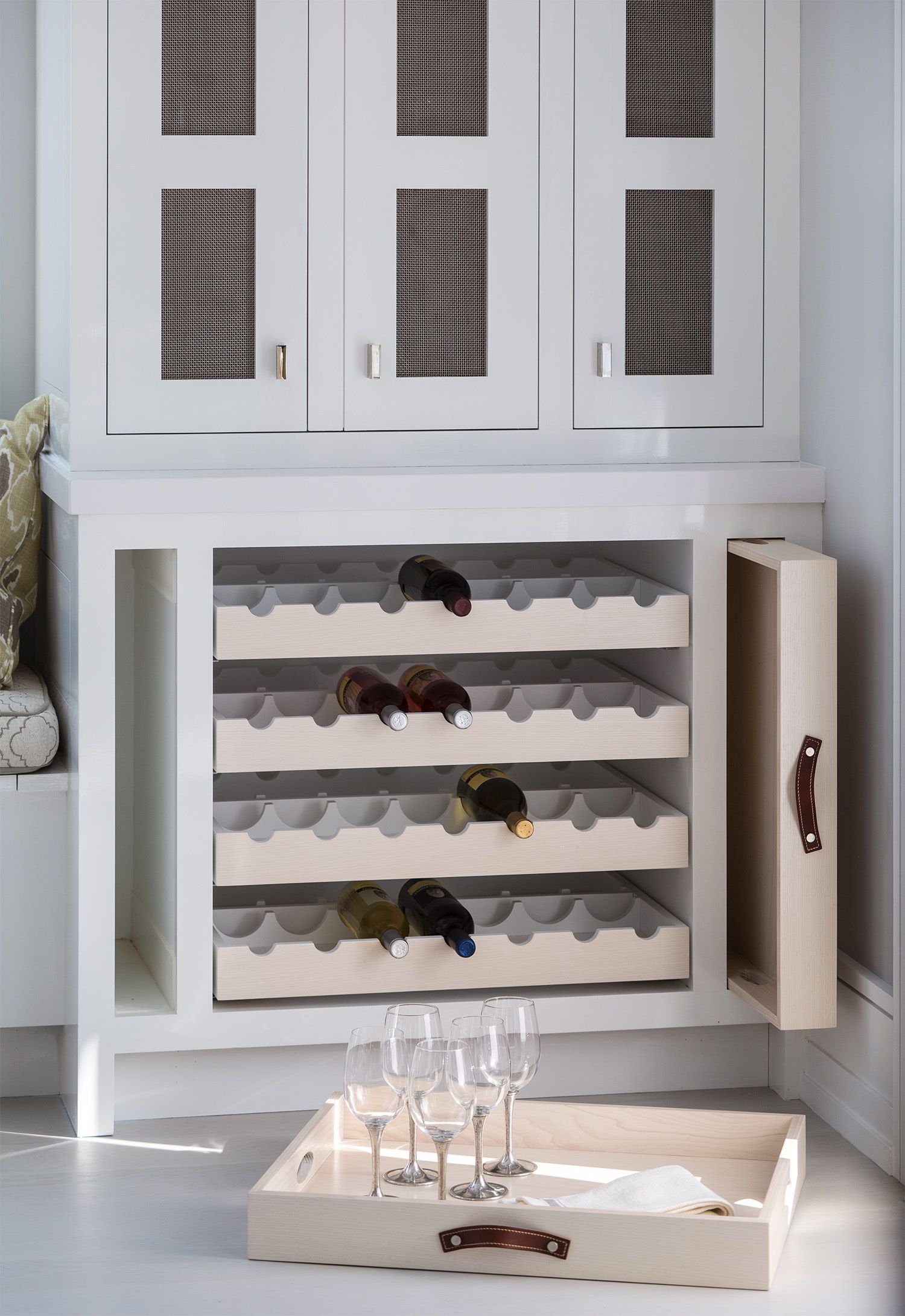
You do not need a dedicated cellar to store wine well. Small-space storage can be simple and attractive. A compact wine rack inside a dark closet, a lidded storage bin under a bed, a modular rack in a cool pantry, or a small countertop wine fridge can all work depending on your climate and collection size.
The best place is usually cool, dark, stable, and quiet. In apartments, that may be an interior hallway closet. In houses, it may be a basement corner away from appliances. In warm climates, a wine fridge may be the safest choice, especially if indoor temperatures regularly climb above comfortable cellar conditions.
Best Places to Store Wine at Home
The best wine storage location depends on your home, but some areas are usually better than others. A basement can be excellent if it is not damp, moldy, or prone to extreme seasonal changes. An interior closet can work surprisingly well because it avoids sunlight and often stays cooler than exterior rooms. A pantry can work if it is away from ovens, water heaters, and sunny walls.
Less ideal places include the garage, attic, laundry room, kitchen counter, window-facing bar cart, refrigerator top, and cabinet above the stove. Garages and attics often swing between too hot and too cold. Kitchens are full of heat sources. Sunny spaces may look cheerful but can quietly flatten the character of your wine.
How Long Can Wine Be Stored?
The answer depends on the wine. Most everyday wines are meant to be enjoyed relatively soon after purchase. Fresh whites, rosés, simple reds, and many inexpensive sparkling wines generally do not improve with years of storage. They are delicious now, so let them fulfill their destiny.
Age-worthy wines usually have structure: acidity, tannin, concentration, sugar, or a track record of improving over time. Examples may include certain Bordeaux, Burgundy, Barolo, Brunello, Napa Cabernet, vintage Champagne, high-quality Riesling, Sauternes, and vintage Port. Even then, storage conditions matter. A great bottle kept in a hot closet may age worse than a modest bottle kept properly.
Common Wine Storage Mistakes to Avoid
Storing Wine Near Heat
Heat is the fastest way to damage wine. Avoid ovens, stoves, radiators, sunny walls, and appliances that generate warmth.
Saving Every Bottle for Too Long
Not all wine improves with age. If a bottle was made for freshness, drink it while it still has sparkle, fruit, and personality.
Using the Fridge as Permanent Storage
The refrigerator is great for chilling and opened bottles, but it is not ideal for long-term storage of cork-sealed wines.
Ignoring Light Exposure
Wine displayed in direct sun may look stylish for guests but taste disappointing later. Style is nice; flavor is nicer.
Forgetting Open Bottles
Once opened, wine changes quickly. Recork it, refrigerate it, and enjoy it within a reasonable window.
Extra Experience-Based Tips for Storing Wine
Here is the real-life side of wine storage: perfection is lovely, but consistency is what saves most bottles. Many people delay buying wine because they think they need ideal conditions. In reality, a thoughtful closet setup is far better than leaving bottles in the kitchen because a “proper cellar” feels out of reach.
One practical experience is to test your home before buying storage furniture. Put a small thermometer in several possible locations for a week: an interior closet, pantry, basement shelf, dining room cabinet, and bedroom corner. Check the temperature in the morning and evening. You may discover that the least glamorous spot in your house is the wine hero. The humble hallway closet often beats the pretty bar cart by a mile.
Another useful habit is to separate “drink now” wine from “save” wine. When all bottles sit together, the wrong bottle gets opened at the wrong time. A simple two-zone system helps: everyday wines on one shelf, special bottles on another. If you have guests over, this prevents someone from casually opening the anniversary Barolo for sangria. Friendship is beautiful, but boundaries are healthy.
For opened bottles, the best experience-based rule is: make storage automatic. As soon as dinner is over, recork the wine and put it in the fridge. Do not leave it on the counter “just for a minute,” because that minute has a strange way of becoming tomorrow morning. If you enjoy red wine, take the bottle out 20 to 30 minutes before the next glass. It will warm slightly, aromas will return, and you will feel like you planned everything.
If you buy wine during hot weather, think about transportation too. Storage does not begin when the bottle reaches your house; it begins the moment you own it. Do not leave wine in a hot car while running errands. A trunk in summer can become a tiny oven with cup holders. Bring wine straight home, or use an insulated bag if you must make stops.
For apartment dwellers, under-bed storage can be surprisingly effective if the room stays cool and dark. Use a low, lidded bin to block light and dust. Keep bottles stable so they do not roll around. This is not a luxury cellar, but it is practical, affordable, and much better than a sunny windowsill.
For collectors, labeling is worth the effort. Add small tags or use a wine app to note purchase date, expected drinking window, and storage location. The more bottles you own, the easier it is to lose track. Wine should create pleasure, not homework, but a little organization prevents expensive forgetfulness.
Finally, remember that wine is meant to be enjoyed. Storage protects the experience; it should not turn into anxiety. Keep bottles cool, dark, stable, and quiet. Drink fresh wines while they are fresh. Save age-worthy bottles only when you can give them decent conditions. And never feel guilty about opening a good bottle on an ordinary Tuesday. Sometimes the best wine storage plan is knowing when to stop storing and start pouring.
Conclusion
Learning how to store wine does not require a mansion cellar or professional equipment. The essentials are practical: keep wine cool, protect it from sunlight, avoid vibration, maintain reasonable humidity for cork-finished bottles, store corked bottles on their sides, and refrigerate opened wine. If your collection is growing or your home runs warm, a wine fridge can be a smart investment. If you only keep a few bottles, a dark, stable closet may do the job beautifully.
Wine storage is really about respect. You are protecting the work of the vineyard, the winemaker, and your future dinner plans. Treat the bottle kindly, and it is far more likely to return the favor in the glass.