The Human Knot game is one of those rare team-building activities that requires zero supplies, very little setup, and just enough chaos to make everyone laugh before they realize they are accidentally learning communication skills. It is popular in classrooms, youth groups, camps, corporate workshops, retreats, theater classes, and leadership programs because it turns a simple circle of people into a living puzzle.
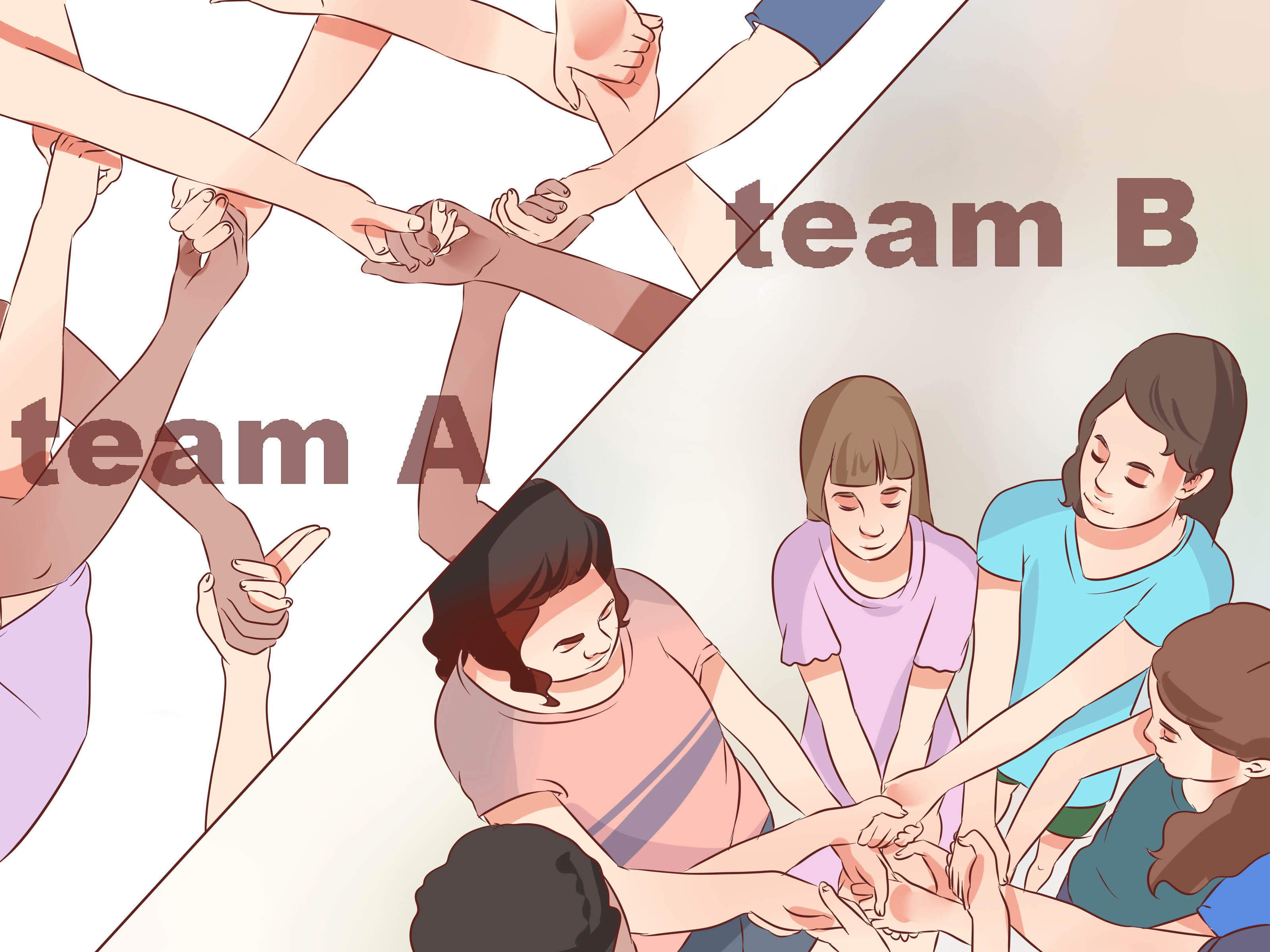
The idea is simple: players stand in a circle, grab hands with two different people, and then work together to untangle themselves without letting go. In practice, it looks like a group of friendly spaghetti noodles trying to become a bracelet. That is exactly why the Human Knot activity works. It forces people to listen, speak clearly, coordinate movement, solve problems, and stay patient when someone’s elbow appears to be in the wrong zip code.
This guide explains how to play the Human Knot game in 10 clear steps, plus rules, safety tips, variations, facilitator advice, and real-world experience notes to help you run it smoothly.
What Is the Human Knot Game?
The Human Knot game is a cooperative icebreaker and team-building challenge where a group forms a tangled “knot” by holding hands across a circle. The players must then untangle themselves into one large circle, two smaller circles, or another open formation without releasing their hand connections.
The activity is commonly used to build teamwork, communication, leadership, trust, creative thinking, and group problem-solving. It is especially useful when people already know each other a little but need a fun way to loosen up and work together. It can also be used with new groups as long as the facilitator handles comfort, consent, and personal space with care.
Quick Game Overview
- Best group size: 6 to 12 players per knot
- Ideal group size: 8 to 10 players
- Time needed: 10 to 20 minutes
- Materials: None
- Space needed: Open indoor or outdoor area
- Main skills: Communication, teamwork, leadership, patience, problem-solving
- Best for: Students, youth groups, camp teams, clubs, staff trainings, retreats, and team workshops
How to Play the Human Knot Game: 10 Steps
Step 1: Choose the Right Group Size
Start by dividing players into small groups of about 6 to 12 people. Groups smaller than 6 may solve the puzzle too quickly, while groups larger than 12 can become confusing, crowded, and harder to manage safely. For most situations, 8 to 10 players is the sweet spot.
If you have 24 people, do not make one giant knot unless you want to create a human traffic jam with sneakers. Instead, divide them into three groups of eight. This keeps the game fun, active, and easier to supervise.
Step 2: Pick a Safe, Open Space
Choose a flat area with enough room for players to step, turn, crouch slightly, and move around each other. A gym, classroom with desks pushed aside, grassy field, meeting room, or camp lodge can work well. Remove chairs, bags, cords, sharp corners, and anything that could become a trip hazard.
Because the Human Knot game involves close movement, safety matters. Ask players to move slowly, avoid pulling, and speak up if anything feels uncomfortable. The goal is teamwork, not turning someone into a pretzel.
Step 3: Explain the Goal Clearly
Before anyone grabs hands, explain the objective: “Your team must untangle the knot and form an open circle without letting go of hands.” Make sure everyone understands that the challenge is cooperative, not a wrestling match with better branding.
You can also explain that some knots may untangle into two connected circles instead of one. That still counts as success in many versions of the game. The point is to solve the puzzle together, not to force one perfect outcome.
Step 4: Review the Rules
Give players the rules before the knot begins. The basic Human Knot rules are:
- Stand in a circle, shoulder to shoulder or close enough to reach the center.
- Reach one hand across the circle and hold someone else’s hand.
- Reach the other hand across and hold a different person’s hand.
- Do not hold hands with the person directly beside you.
- Do not hold both hands of the same person.
- Do not let go while untangling unless the facilitator allows a reset.
- Move slowly and communicate clearly.
These simple rules make the game challenging but fair. They also prevent the group from creating a knot that is either too easy or impossible because two people are basically standing there in a private handshake agreement.
Step 5: Form a Tight Circle
Ask each group to stand in a circle facing inward. Players should be close enough that everyone can reach into the center. If the circle is too wide, people may grab only nearby hands, which makes the knot less interesting. If the circle is too tight, players may feel crowded, so aim for comfortable closeness.
This is a good moment to remind everyone that participation should feel safe. If someone does not want to hold hands, offer a modified version using short ropes, bandanas, wrist loops, or verbal roles such as “navigator” or “observer.” A good facilitator never makes comfort the price of participation.
Step 6: Have Everyone Grab Two Different Hands
Now the fun begins. Ask each player to raise one hand and reach across the circle to grab the hand of someone who is not standing directly next to them. Then ask them to raise the other hand and grab a different person’s hand, again avoiding neighbors and avoiding the same person.
Players should end up connected to two different people. Once everyone is linked, the group has created the Human Knot. At this stage, people usually laugh, panic slightly, and say things like, “Wait, whose hand is this?” That is normal. That is also when teamwork starts.
Step 7: Start Untangling Without Letting Go
Tell the group to begin untangling while keeping their hand connections. They may need to step over arms, duck under joined hands, turn around, twist carefully, or move sideways. Hands may rotate, but players should not break contact unless the facilitator gives permission.
Encourage the team to talk before moving. A helpful phrase is, “Plan first, move second.” Without communication, the game can become a slow-motion tug-of-war. With good communication, players begin testing ideas, identifying leaders, and figuring out the sequence of movements.
Step 8: Encourage Clear Communication
The Human Knot game works best when players communicate calmly and specifically. Instead of shouting, “Move over there!” players should use names and directions: “Maya, step under Jordan and Alex’s hands,” or “Chris, turn slowly to your left.” Clear communication prevents confusion and keeps the group from becoming a dramatic modern art sculpture.
Facilitators should listen for teamwork patterns. Is one person dominating? Are quieter players being heard? Is the group trying random movements or building a plan? These observations are useful later during the debrief.
Step 9: Offer Hints Only When Needed
Give the team time to struggle productively. The challenge is supposed to feel tricky. However, if a group is stuck for several minutes, offer a gentle hint rather than solving it for them. Helpful hints include:
- “Look for one person who can step over a pair of hands.”
- “Try solving one small tangle at a time.”
- “Pause and let one person describe what they see.”
- “Remember that you can rotate your hands without letting go.”
- “Slow down and make one move together.”
If the knot is truly impossible or unsafe, allow one pair of hands to briefly release and reconnect with group agreement. This should be a last resort, not the first strategy.
Step 10: Finish, Celebrate, and Debrief
The round ends when the group untangles into a circle, two circles, or a clearly open formation. Celebrate the success, even if the final shape is not perfect. The Human Knot game is less about geometry and more about how people handle confusion together.
After the activity, lead a short discussion. This is where the game becomes more than a fun icebreaker. Ask questions that help players connect the activity to teamwork in real life.
Best Debrief Questions for the Human Knot Game
A debrief turns the Human Knot activity from “that weird hand-holding game” into a meaningful team-building exercise. Use questions like these:
- What was the first strategy your group tried?
- What helped your team make progress?
- Where did communication break down?
- Who stepped into a leadership role?
- How did the group respond when the solution was not obvious?
- Did everyone feel included in the decision-making?
- What did this activity teach us about teamwork?
- How can we use the same skills in class, work, sports, or group projects?
Keep the debrief short for younger players and more reflective for older students or adults. For example, a camp group may need five minutes, while a leadership workshop may benefit from a 15-minute conversation about communication styles, trust, and problem-solving under pressure.
Human Knot Game Rules for Success
Move Slowly
Players should never yank, pull, or rush. The game involves wrists, shoulders, balance, and personal space. Slow movement keeps everyone safe and helps the group think clearly.
Use Names
Calling people by name makes directions clearer. “Sam, step over the joined hands” works much better than “You, no, not you, the other you!”
Listen Before Acting
Groups often fail because everyone talks at once. Encourage players to pause, listen, and agree on one move at a time.
Respect Comfort Levels
Because the Human Knot game includes physical contact, facilitators should offer alternatives. Players can use short ropes, scarves, sleeves, or wristbands instead of direct hand contact. People can also participate as coaches, timekeepers, observers, or strategy callers.
Do Not Force the Perfect Circle
Sometimes the knot naturally untangles into two circles. That can still be a successful solution. Forcing one circle may create frustration or unsafe movement.
Why the Human Knot Game Works So Well
The Human Knot game is simple on the surface, but it reveals a lot about group behavior. In just a few minutes, you can see how people communicate, solve problems, respond to uncertainty, and share leadership.
Some groups immediately appoint a leader. Others experiment together. Some people talk a lot; others quietly notice the best solution. A skilled facilitator can use the game to discuss collaboration, listening, patience, trust, inclusion, and decision-making.
The activity also creates low-pressure laughter. When people laugh together, they often relax and become more open to working as a team. That is why the Human Knot is such a popular icebreaker for groups that need to build connection quickly.
Human Knot Game Variations
Silent Human Knot
In this version, players must untangle without speaking. They can use gestures, eye contact, and body movement. This variation is excellent for exploring nonverbal communication, patience, and observation.
Timed Challenge
Set a timer for 5, 10, or 15 minutes. This adds excitement, but it can also increase rushing. Remind players that safety matters more than speed.
Two-Team Race
Create two or more teams and see which group untangles first. This works well with energetic groups, but keep the tone friendly. The goal is team-building, not the Human Knot Olympics.
Leadership Rotation
Every two minutes, a different player becomes the only person allowed to give instructions. This helps quieter participants practice leadership and prevents one person from controlling the whole activity.
Eyes-Closed Navigator Version
Only use this with mature groups and strong supervision. Some players close their eyes while one or two navigators give directions. This version highlights trust and communication, but it should be done slowly and safely.
Rope or Bandana Human Knot
Instead of holding hands, players hold short ropes, bandanas, or fabric loops. This is a smart option for groups that prefer less direct contact or need more personal space.
Common Mistakes to Avoid
Making the Group Too Large
A giant group may sound fun, but it often creates frustration. Keep knots small and manageable.
Skipping Safety Instructions
Never assume players will automatically move carefully. Say the safety rules out loud before the game begins.
Letting One Person Take Over
Leadership is helpful, but domination is not. Encourage shared input and make sure quieter players have room to speak.
Turning It Into Pure Competition
A little competition can be fun, but too much can ruin the learning. Focus on cooperation first.
Forgetting the Debrief
Without reflection, the Human Knot is just a funny activity. With reflection, it becomes a useful lesson in teamwork.
Who Should Play the Human Knot Game?
The Human Knot game works for many groups, including school classes, student councils, sports teams, theater groups, summer camps, youth organizations, leadership retreats, office teams, volunteer groups, and family gatherings. It is especially useful for groups that need to warm up, build trust, or practice communication.
For younger children, keep the game short and simple. For teens, add reflection questions about leadership and collaboration. For adults, connect the activity to workplace communication, project planning, and problem-solving under pressure.
Safety and Inclusion Tips
A well-run Human Knot game should feel fun, not awkward or risky. Always explain that players may opt out or choose a modified role. Avoid using the activity with groups where close physical contact may be inappropriate, uncomfortable, or culturally sensitive unless you provide alternatives.
Players should not climb aggressively, pull arms, twist wrists, or force anyone to bend in an uncomfortable way. If someone says “stop,” the group stops. The best facilitators make this clear before the knot begins.
For accessibility, consider using rope loops, seated versions, smaller groups, or a “human web” variation where players pass a ball of yarn instead of physically untangling. The lesson should be available to everyone, not only to people who can comfortably duck, twist, and step through a tangle of arms.
Example Facilitator Script
Here is a simple script you can use:
“Everyone, stand in a circle facing the middle. In a moment, you will reach one hand across and hold hands with someone who is not next to you. Then you will do the same with your other hand, choosing a different person. Your goal is to untangle yourselves into a circle without letting go. Move slowly, communicate clearly, and stop if anyone feels uncomfortable. This is a teamwork challenge, not a strength contest. Ready? Let’s make a knot.”
This script sets expectations, explains the rules, and adds a safety reminder without making the activity sound like a legal contract wearing sneakers.
Experiences and Practical Lessons From Playing the Human Knot Game
One of the most interesting things about the Human Knot game is that every group reveals its personality almost immediately. A quiet group may suddenly discover a natural leader. A loud group may learn that volume is not the same as communication. A group that thinks it is “bad at puzzles” may solve the knot faster than expected because someone notices a tiny opening and calmly explains the next move.
In classroom settings, the first round often begins with nervous laughter. Students may be unsure where to stand, whose hand to grab, or whether the activity will be embarrassing. The facilitator’s tone makes a big difference. When the instructions are relaxed, respectful, and clear, players usually settle in quickly. Once the knot forms, the energy changes. The group has a shared problem, and suddenly everyone has a reason to talk.
One common experience is the “too many captains” problem. Three or four people may start giving directions at the same time. The result is usually confusion: one person steps forward, another steps backward, and the knot somehow becomes more committed to its career as a knot. This is a perfect teaching moment. Pause the group and ask them to choose one speaker for the next move, or ask each person to describe what they see before anyone moves. The activity quickly shows that good teamwork is not about everyone talking; it is about everyone contributing in a useful way.
Another memorable pattern is the quiet observer. In many groups, the person who says the least may be the one who spots the solution. They may notice that two players need to turn around, or that one pair of joined hands should go over another pair. A good facilitator watches for these moments and invites participation: “Does anyone who has not spoken yet see a possible move?” This simple question can change the whole group dynamic.
The Human Knot game is also excellent for showing how groups handle frustration. Some teams laugh through mistakes. Others get tense when their first plan fails. That is why the debrief matters. Ask players how they felt when the knot seemed impossible. Did they blame the knot? Did they blame each other? Did they slow down and rethink the problem? These questions help connect the game to real-life situations such as group projects, sports strategy, event planning, or workplace challenges.
For facilitators, the biggest lesson is to give just enough help, but not too much. If you solve the knot for the group, you steal the learning. If you let them struggle too long, the activity can become frustrating. A good hint should point attention without giving away the answer. For example, say, “Look at the hands near the middle,” rather than, “Taylor needs to step under Morgan’s arm.” Let the group own the solution.
Timing also matters. The Human Knot works best when it is not rushed into a packed schedule. Leave time for setup, the challenge, and reflection. A 15-minute round with a five-minute debrief is often more valuable than three rushed rounds with no discussion. The point is not just to untangle arms; it is to untangle how people communicate.
Finally, the Human Knot game is a reminder that teamwork can be messy before it becomes effective. People may face the wrong direction. Someone may laugh so hard they forget the plan. Another person may confidently suggest a move that makes absolutely no sense. That is all part of the process. With patience, listening, and a willingness to adjust, most groups eventually find their way out. And when they do, the celebration feels earned because everyone was literally connected to the problem.
Conclusion
The Human Knot game is easy to set up, funny to watch, and surprisingly powerful as a team-building activity. With no materials required, it can turn almost any open space into a lesson in communication, patience, leadership, and creative problem-solving.
To play successfully, keep the group size manageable, explain the rules clearly, create a safe environment, and let players work through the challenge without rushing. Add a thoughtful debrief afterward, and the activity becomes more than an icebreaker. It becomes a memorable example of how teams solve problems together when everyone stays connected, listens carefully, and moves one step at a time.
Note: This article is written as original web-publishing content based on widely used Human Knot game rules, facilitation practices, youth leadership activities, camp games, classroom icebreakers, and team-building guidance.