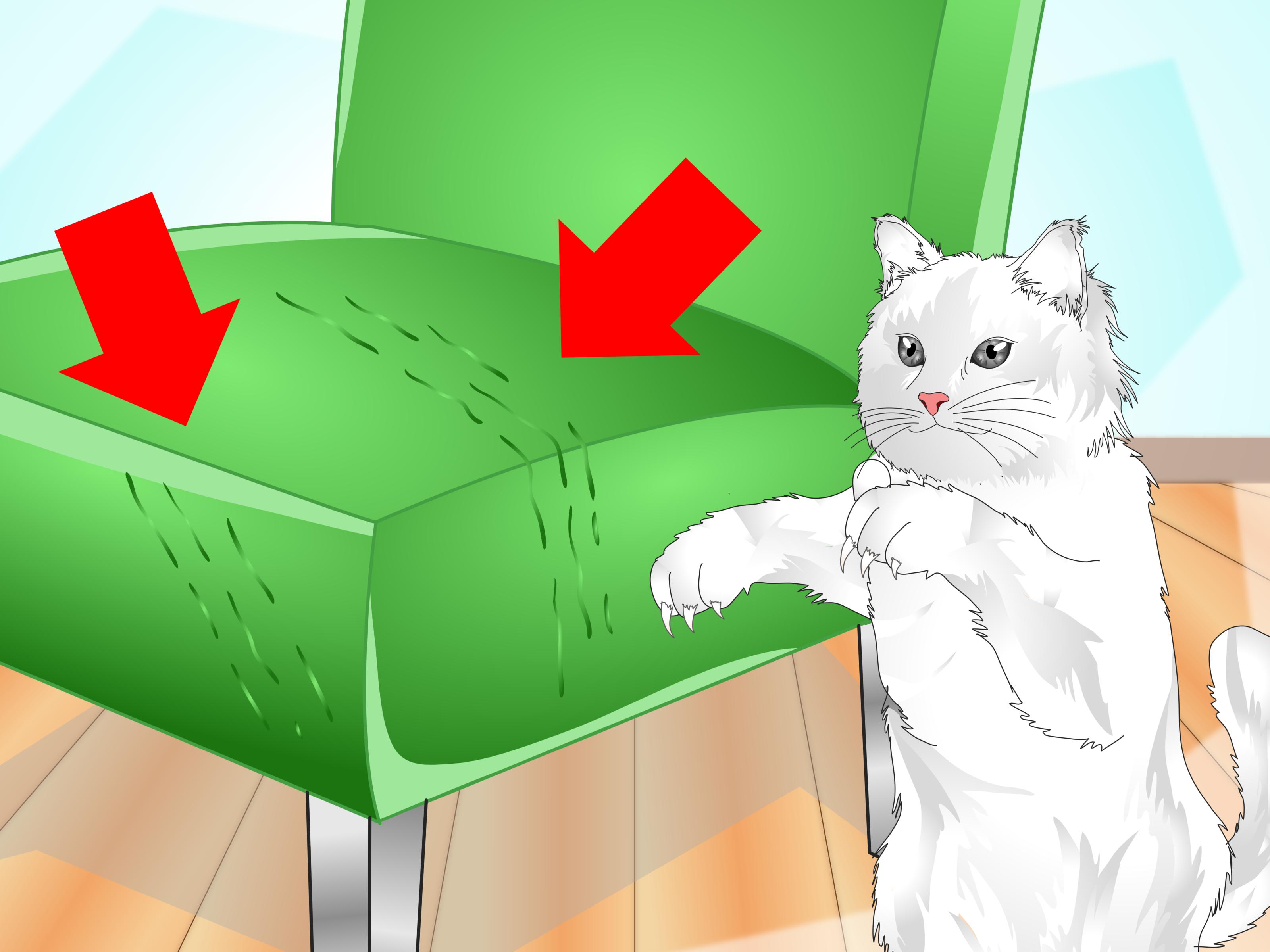
Convincing a cat to use a scratching post can feel like negotiating with a tiny, furry landlord who already owns the couch, the curtains, the rug, and possibly your soul. You buy the “perfect” scratching post, proudly set it in the corner, and your cat walks past it to shred the arm of the sofa with the confidence of a professional woodworker.
The good news? Your cat is not being spiteful. Scratching is normal cat behavior. Cats scratch to stretch their muscles, condition their claws, mark territory, release energy, and leave scent from glands in their paws. In other words, scratching is not a bad habitit is a biological need wearing little murder mittens.
The goal is not to stop your cat from scratching. The goal is to redirect scratching to places you can live with. A good scratching post can protect your furniture, support your cat’s physical and emotional health, and give your home fewer “abstract claw art” installations.
Below are three practical, cat-approved ways to get your cat to use a scratching post, plus real-world experience notes for making the habit stick.
Why Cats Scratch in the First Place
Before you train your cat to use a scratching post, it helps to understand what scratching does for them. Cats scratch because it feels good. It stretches their shoulders, back, legs, and paws. It also helps remove worn outer claw layers so newer, sharper claws can come through. That sounds terrifying if you are a sofa, but it is completely normal for the cat.
Scratching is also communication. When a cat scratches, they leave both visible marks and scent signals. To humans, those marks say, “There goes the chair.” To cats, they say, “I live here. This is my zone. Please respect my brand.”
This is why cats often scratch in highly visible areas: near couches, doorways, beds, windows, and favorite resting spots. Your cat is not hiding the evidence because your cat does not believe there is a crime. Your cat believes the living room needed a signature.
1. Choose the Right Scratching Post for Your Cat
The biggest mistake many cat owners make is buying a scratching post based on what looks cute to humans rather than what feels good to cats. A wobbly post covered in soft carpet may match your decor, but if it tips when your cat leans into it, your cat may decide the couch is safer, sturdier, and frankly more satisfying.
Pick a Post That Is Tall Enough
A vertical scratching post should be tall enough for your cat to stretch fully while standing on their hind legs with their front paws extended. For many adult cats, that means a post around 30 inches or taller. If your cat has to crouch to use it, the post is not giving them the full-body stretch they crave.
Think of it like a yoga mat. If someone gave you a yoga mat the size of a napkin, you would not feel inspired. Your cat feels the same way about tiny scratchers.
Make Sure It Is Stable
A good scratching post should not wobble, slide, tip, or wobble dramatically like it is auditioning for a disaster movie. Cats dig in with force when they scratch. If the post moves too much, they may avoid it because it feels unsafe.
Look for a wide base, a heavy bottom, or a wall-mounted option. Cat trees with built-in scratching columns can also work well because they combine scratching, climbing, resting, and surveillance. Cats love surveillance. It is basically their unpaid internship.
Match the Scratching Surface to Your Cat’s Preference
Different cats prefer different textures. Some love sisal rope or sisal fabric. Others prefer corrugated cardboard, wood, carpet, or rough fabric. If your cat ignores one material, do not assume your cat hates scratching posts. Your cat may simply be saying, “Nice try, human, but this texture is not my emotional truth.”
Watch what your cat already scratches. If they scratch sofa arms, chair backs, or door frames, they probably like vertical surfaces. If they scratch rugs or carpets, offer a horizontal scratching pad. If they stretch diagonally against furniture, try an angled scratcher.
Offer More Than One Style
One scratching post may not be enough, especially in a larger home or a multi-cat household. Cats like options. Place vertical posts, horizontal pads, and angled scratchers in different areas. This is not spoiling your cat. This is strategic furniture defense.
A simple starter setup might include one tall sisal post near the couch, one cardboard scratcher near a favorite nap spot, and one horizontal pad near a rug your cat already targets. Once your cat shows clear preferences, you can invest more in the styles they actually use.
2. Put the Scratching Post Where Your Cat Already Wants to Scratch
Location can make or break your scratching-post training. Many people place the post in a quiet corner, then wonder why the cat ignores it. From a cat’s perspective, a hidden scratching post is like a billboard in the basement. What is the point of marking territory where nobody goes?
Place the Post Near the Problem Area
If your cat scratches the couch, put the scratching post right next to the couch. If your cat scratches the bedroom door frame, place a post or pad nearby. If your cat attacks the rug like it owes them money, put a horizontal scratcher on or beside that area.
This is not forever. Once your cat consistently uses the post, you can move it graduallyjust a few inches at a timeto a more convenient spot. Move it too far too fast, and your cat may return to the original scratching area because, in their mind, the official scratching headquarters disappeared.
Use Sleeping Spots to Your Advantage
Many cats like to scratch after waking up. It is their version of stretching, yawning, and checking email, except the email is your furniture. Place a scratching post near your cat’s favorite nap zone so it is the first attractive option after a snooze.
Good locations include beside a cat bed, near a sunny window perch, close to the sofa, near a cat tree, or along a hallway your cat uses often. Avoid placing the only post in a laundry room, dark corner, or area your cat rarely visits.
Make the Furniture Less Appealing
While you make the scratching post more attractive, make the furniture temporarily less satisfying. Cover targeted areas with double-sided tape, a smooth plastic furniture guard, aluminum foil, or a tightly fitted blanket. You are not trying to scare your cat. You are simply making the old option less fun.
At the same time, put the new scratching post directly beside or in front of the scratched furniture. This gives your cat an easy choice: “The couch feels weird now, but this tall post is right here and oddly satisfying.” That is the exact mental review you want.
Avoid Punishment
Do not yell, spray water, swat, or chase your cat for scratching. Punishment can make cats anxious, damage trust, and teach them to scratch when you are not around. It also does not explain what they should do instead.
Positive redirection works better. If your cat starts scratching the sofa, calmly guide attention toward the post with a toy, treat, or cheerful voice. When they touch or scratch the post, reward them immediately. Timing matters. Cats do not understand a delayed performance review.
3. Train With Rewards, Catnip, Play, and Patience
Once you have the right scratching post in the right place, training becomes much easier. The secret is to make the post rewarding without turning the whole process into a dramatic lecture. Cats are excellent at ignoring speeches.
Reward the Behavior You Want
When your cat uses the scratching post, praise them, offer a treat, toss a favorite toy, or give gentle petting if they enjoy it. The reward should happen right away so your cat connects the post with good things.
You can reward even small steps at first. If your cat sniffs the post, reward. If they rub against it, reward. If they place one paw on it, reward. If they finally scratch it, celebrate quietly like you just won an Olympic medal in Sofa Preservation.
Use Play to Introduce the Post
Interactive play is one of the easiest ways to help a cat discover a scratching post. Drag a wand toy around the base, flick the toy up the side of the post, or let your cat pounce near it. When their paws land on the surface, they may naturally dig in and scratch.
Do not force your cat’s paws onto the post. Some cats dislike having their paws handled, and forcing contact can make the post feel suspicious. Let curiosity do the work. Cats are nosy by nature; use that power for good.
Add Catnip or Silver Vine
Catnip can help attract some cats to a scratching post. Sprinkle a small amount on the base or rub it into the surface. You can also use silver vine or cat-attracting sprays if your cat does not respond to catnip.
Not all cats react to catnip, and kittens may not respond strongly. If your cat looks at catnip like you have sprinkled lawn clippings on their furniture, do not worry. Try treats, toys, or a different scratcher material instead.
Keep Nails Trimmed
Regular nail trimming can reduce damage while your cat is learning. It does not replace scratching, because scratching is about more than claw length, but it can make accidental furniture scratches less destructive.
If you are nervous about trimming claws, ask your veterinarian, groomer, or trained shelter professional to show you how. Trim only the sharp tips and avoid the quick, which is the sensitive area inside the nail.
Be Consistent for Several Weeks
Some cats switch to a scratching post within days. Others need a few weeks of patient coaching, especially if they have spent years enjoying the forbidden luxury of sofa arms. Stay consistent. Keep the post in the right location. Reward every good choice. Keep old targets covered until the new habit is strong.
If your cat suddenly changes scratching behavior, seems painful, avoids stretching, or has trouble using posts they once loved, schedule a veterinary checkup. Arthritis, injury, overgrown nails, stress, and other issues can affect how and where a cat scratches.
Common Mistakes That Make Cats Ignore Scratching Posts
The Post Is Too Short
A short post may work for a kitten, but many adult cats need a taller surface. If your cat cannot fully stretch, the couch may still win.
The Post Is Hidden Away
A scratching post in a spare room is unlikely to compete with a couch in the family room. Put scratchers where your cat already spends time.
The Surface Feels Wrong
If your cat ignores sisal, try cardboard. If they ignore cardboard, try a sturdy fabric or wood scratcher. Cats have opinions, and they are not shy about filing complaints.
The Post Moves Too Much
A shaky post can make a cat feel unsafe. Choose something sturdy enough for serious scratching.
The Cat Is Punished Instead of Redirected
Punishment may stop scratching in the moment, but it does not teach the cat where to scratch. Reward-based training is clearer, kinder, and more effective.
Experience Notes: What This Looks Like in a Real Home
Here is a practical example many cat owners will recognize. Imagine a cat named Pickles. Pickles is charming, dramatic, and deeply committed to destroying the left arm of the sofa. His owner buys a small scratching post, places it in the corner by the bookshelf, and waits for magic. Pickles ignores it completely. The post becomes an expensive hat rack for dust.
The problem is not that Pickles is stubborn, although he may be. The problem is that the post is too short, too far away from the action, and not competing with the sofa’s glorious height and stability. From Pickles’ point of view, the sofa is perfect. It is tall, sturdy, central, and covered in familiar scent. The tiny corner post is basically a decorative insult.
Now change the setup. The owner buys a tall, heavy sisal scratching post and places it directly beside the scratched sofa arm. The damaged area is covered with a furniture guard and a little double-sided tape. A wand toy is dragged around the new post each evening. When Pickles touches the post, he gets a treat. When he scratches it, he gets praise and a short play session.
The first day, Pickles sniffs the post and leaves. That still counts as progress. The second day, he rubs his cheek on it. Good sign: he is adding scent. The third day, he hooks one claw into the sisal while chasing the toy. The owner rewards him immediately. By the end of the week, Pickles scratches the post after naps because it is conveniently located and feels good.
After two weeks, the owner moves the post two inches away from the sofa. A few days later, another two inches. The post eventually sits in a better-looking spot near the window, where Pickles can scratch, stretch, and judge birds with professional seriousness. The sofa arm is no longer the main attraction.
This experience shows an important lesson: cats do not usually need harsher correction. They need a better offer. The scratching post must satisfy the same need the furniture satisfied. If the couch was tall, the post should be tall. If the rug was horizontal, the scratcher should be horizontal. If the cat scratched near people, the post should be near people.
Another common experience happens in multi-cat homes. One cat uses the post, while another keeps scratching the chair. The solution may be more scratching stations, not more discipline. Cats may not want to share one important marking area. Adding posts in separate rooms, near separate sleeping spots, and along traffic paths can reduce competition.
Senior cats may need different support. An older cat who once loved a tall post may prefer a lower angled scratcher because stretching high is uncomfortable. A cat with stiff joints may use a cardboard lounge scratcher more often than a vertical pole. When behavior changes with age, comfort matters as much as training.
The best results usually come from observing first and buying second. Your cat is already telling you what kind of scratching they prefer. Your job is to translate claw marks into useful information before your furniture becomes a historical document.
Final Thoughts
Getting your cat to use a scratching post is not about winning a battle. It is about giving your cat a better place to do something they already need to do. Choose a tall, sturdy post with a texture your cat likes. Put it where your cat naturally scratches. Reward every good choice with treats, praise, play, or affection.
With patience and the right setup, your cat can learn that the scratching post is the place for stretching, claw care, scent marking, and dramatic daily workouts. Your couch may never send you a thank-you card, but it will appreciate the effort.
Note: This article is informational and based on synthesized guidance from veterinary behavior resources and animal-welfare recommendations. If your cat’s scratching changes suddenly, seems painful, or is linked with stress or aggression, consult a veterinarian or qualified feline behavior professional.