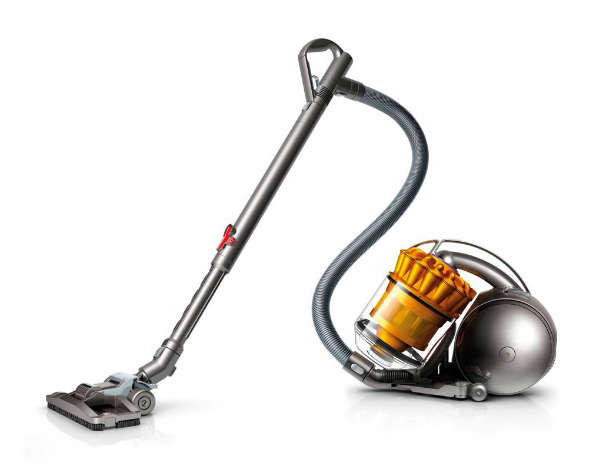
The Dyson DC39 Multi Floor Vacuum Cleaner comes from an era when a premium vacuum was expected to have a cord, a substantial motor, and enough suction to make a doormat reconsider its career choices. Introduced as a full-size bagless canister vacuum, the DC39 combines Dyson’s Radial Root Cyclone technology, Ball steering, a telescopic wand, and a floor head designed to move between carpet and hard surfaces.
It is now a retired model rather than a current showroom product, but it remains common on the used and refurbished market. That makes the real question less “Is this the newest Dyson?” and more “Can an older DC39 still be a smart buy?” For the right household, the answer can be yesprovided the machine is complete, maintained, and priced sensibly.
Product status and history:
Dyson DC39 Multi Floor at a Glance
| Feature | What to Know |
|---|---|
| Vacuum type | Corded, bagless canister vacuum |
| Cleaning system | Radial Root Cyclone technology |
| Steering | Ball-based central steering mechanism |
| U.S. suction rating | Commonly listed at approximately 275 air watts |
| Bin capacity | Approximately 0.53 gallon |
| Cleaning reach | Approximately 32.8 feet |
| Machine weight | Approximately 16.9 pounds |
| Filtration | Washable filtration; some regional listings specify a lifetime HEPA filter |
| Typical tools | Multi-floor cleaner head, combination tool, and stair tool |
Specifications can vary slightly by market, model number, and accessory bundle. In the United States, model 22523-01 was widely sold as the DC39 Multi Floor and was commonly listed with 275 air watts of suction, a 0.53-gallon bin, and roughly 32.8 feet of total reach. International packages sometimes used different floor-head names or configurations, so the accessories in the box matter almost as much as the name printed on the canister.
U.S. and regional specifications:
Design and Core Technology
Radial Root Cyclone Suction
The DC39 separates dust from airflow using a bank of cyclones rather than a disposable bag. Dyson designed the internal air paths to preserve strong suction as the bin fills, assuming the filters, airway, and cyclone assembly are reasonably clean. In everyday language, it is built to keep pulling instead of slowly giving up halfway through the living room.
Strong continuous suction is one of the DC39’s main attractions, although carpet results still depend on brush condition, airflow, pile depth, and maintenance.
Cyclone technology and suction claims:
Ball Technology and Canister Steering
Traditional canister vacuums can behave like stubborn luggage: they follow until they suddenly do not. The DC39 places key components inside a ball-shaped body and uses a central steering mechanism to improve turning. On open floors, it follows the wand smoothly and can pivot around chair legs with less dragging than many wheel-based canisters of its generation.
The hose can still catch on furniture, but owners frequently praise the machine’s maneuverability beneath beds and around tables.
Steering design and owner feedback:
Multi-Floor Cleaner Head
The “Multi Floor” label means the vacuum is intended for homes with a mixture of carpet, hardwood, tile, laminate, or vinyl. U.S. packages were often sold with a Triggerhead-style turbine floor tool whose brush operation could be controlled from the handle. Other regions advertised a self-adjusting Musclehead tool. Before buying a used unit, verify the exact head included, because replacement floor tools can be expensive and compatibility is not always obvious.
On hard floors, turning off or reducing brush action helps prevent debris from scattering and reduces unnecessary contact with delicate surfaces. On carpet, the rotating brush helps disturb embedded dirt. Very plush rugs can create so much suction resistance that the head becomes difficult to push, so a suction-release setting or a gentler technique may be necessary.
Floor-head variations and controls:
Cleaning Performance on Common Surfaces
Hard Floors and Carpet
On sealed hard floors, the DC39 collects dust, hair, sand, and crumbs effectively, including debris along edges and in grout lines. Inspect the floor-head wheels for trapped grit before cleaning scratch-sensitive wood. On low- and medium-pile carpet, strong airflow and the brush roll lift visible debris well. Very thick carpet is more difficult because the head can feel suction-locked or the turbine brush may slow.
Pet Hair
The standard DC39 Multi Floor can collect loose pet hair from floors, especially on hard surfaces and low-pile rugs. The DC39 Animal was largely the same base machine but commonly included an additional Tangle-Free Turbine tool for upholstery and pet-hair tasks. A Multi Floor unit can still work in a pet home, but buyers with shedding dogs or cats should confirm whether a suitable upholstery turbine tool is included.
Surface performance and Multi Floor versus Animal:
Stairs and Above-Floor Cleaning
The telescopic wand, hose, stair tool, and combination tool handle sofa seams, vents, baseboards, ceiling corners, and spaces beneath furniture. Stair cleaning is workable, although the nearly 17-pound canister must be placed securely rather than balanced where it could tumble.
Reach, weight, and tools:
Filtration and Dust Disposal
The DC39 uses washable filtration, and some official regional product pages describe a lifetime HEPA filter. Dyson’s support guidance recommends checking and washing the filters at least once every three months. A filter should be rinsed with cold water only and allowed to dry completely before reinstallation; putting a damp filter back into the machine is an excellent way to create odor and an unimpressed motor.
The clear bin empties from the bottom by pressing the release control. This is faster than changing a bag, but “hygienic” is relative. Fine dust can puff upward, and hair may cling inside the shroud. People sensitive to dust should place the bin deep inside a trash bag before releasing the contents, a method Dyson itself recommends to reduce contact with dust and allergens.
Filter and bin maintenance:
What the Dyson DC39 Does Well
- Strong corded suction: No battery fade, charging pause, or short maximum-power mode.
- Mixed-floor versatility: One main machine handles hard floors and standard carpet.
- Generous reach: The hose, wand, and cord cover a large area from one outlet.
- Agile steering: The ball canister tracks around furniture better than many older designs.
- Replaceable components: Filters, hoses, tools, and seals remain available from parts specialists and secondary sellers.
Parts availability and recurring review themes:
Where the DC39 Shows Its Age
- Bulky storage: The canister, hose, wand, and floor head need closet space.
- Cord management: Automatic rewind helps, but outlet changes remain part of cleaning.
- Messy bin emptying: Fine dust and hair may cling inside.
- No modern anti-tangle head: Long hair must be removed from the brush roll.
- Limited official support: Retired-machine parts and service may not be available directly from Dyson.
Retired support status and owner complaints:
Maintenance That Keeps a DC39 Working
Empty Early and Wash the Filters
Empty the bin before debris reaches the maximum line. Check the filters about every three months, rinse them with cold water without detergent, and let them air-dry completely for at least a full day before reinstalling.
Clear the Brush Roll and Airway
Remove wrapped hair and check the floor head, wand, hose, and inlet for blockages. A coin, toy brick, or compacted fluff plug can make a powerful vacuum behave like it has suddenly developed stage fright.
Protect the Cord, Hose, and Seals
Guide the cord during rewind, avoid sharply folding the hose at its cuffs, and inspect bin seals for damage. Air leaks can reduce performance even when the motor sounds normal.
Official maintenance guidance:
How to Evaluate a Used Dyson DC39
Because new-condition U.S. stock is no longer generally available, most buyers will encounter the DC39 through refurbished shops, local listings, or online marketplaces. Condition matters more than cosmetic shine. A beautifully polished machine with a cracked hose is still a beautifully polished air leak.
- Confirm the model and accessories. Check the rating label and verify that the multi-floor head, stair tool, and combination tool are present.
- Request a running demonstration. Listen for grinding, pulsing, burning smells, or abrupt changes in motor pitch.
- Test the cord rewind. It should retract smoothly and hold at different lengths.
- Inspect the hose, wand, and seals. Look for splits, crushed sections, loose contacts, broken latches, or missing gaskets.
- Check the floor head. Verify that the brush spins, switches correctly, and does not rattle.
- Price replacement parts first. Filters are easy to find, but genuine hoses, handles, and floor heads can alter the bargain quickly.
Current availability and parts market:
Dyson DC39 Multi Floor Versus a Modern Cordless Vacuum
A modern cordless Dyson is lighter, easier to store, and generally better at quick cleanup and hair management. The DC39 counters with unlimited runtime, a larger bin than many slim cordless machines, strong continuous suction, and a hose-and-wand format suited to long whole-home sessions. Quick cleaners will usually prefer cordless convenience; people who dislike battery limits may prefer the DC39’s old-school stamina.
Current Dyson product context and general high-end vacuum considerations:
Who Should Consider the Dyson DC39 Multi Floor?
The DC39 makes the most sense for someone who wants strong corded suction, cleans a mix of hard floors and standard carpet, values hose-and-wand versatility, and can obtain a complete machine at a reasonable used or refurbished price. It is also attractive to buyers who prefer repairing an older full-size appliance instead of replacing batteries every few years.
It is a weaker fit for people with very limited storage, extremely thick carpet, heavy-shedding pets without the correct turbine attachment, or respiratory sensitivity that makes bagless emptying uncomfortable. Buyers who prioritize effortless daily spot cleaning will generally be happier with a modern cordless model.
Final Verdict
The Dyson DC39 Multi Floor Vacuum Cleaner is no longer cutting-edge, but its core engineering still holds up: powerful corded suction, effective cyclone separation, useful reach, and unusually agile canister steering. On hardwood, tile, low-pile rugs, and ordinary carpet, a healthy DC39 can clean with authority. It also remains versatile for stairs, upholstery, and above-floor dusting.
The catch is age. Buying one today means evaluating hoses, seals, filters, brush mechanisms, cord rewind, and accessory completenessnot merely admiring the famous yellow cyclone. A clean, fully functional DC39 at a modest price can be a practical workhorse. An incomplete or heavily worn example can become an expensive scavenger hunt for parts.
Real-World Ownership Experience: What Living With a DC39 Feels Like
The following experience is a realistic synthesis of long-term owner feedback rather than a claim that every DC39 behaves identically. Imagine a mixed-floor home with hardwood downstairs, area rugs in the living spaces, medium-pile carpet upstairs, and the usual domestic confetti of crumbs, hair, dust, and mysterious particles that appear five minutes after cleaning.
The first thing most people notice is suction. On hard flooring, the DC39 picks up grit with a clean, decisive pass, particularly along walls and under cabinets. The wand feels lighter than the canister looks, and the ball body follows with surprisingly little drama. It turns around table legs neatly, although a sharp pull can send the canister tapping into a chair like an apologetic robot.
Moving onto an area rug reveals both the strength and the personality of the machine. The head pulls firmly against the surface. On a low-pile rug, that creates satisfying pickup and visible grooming lines. On a lightweight mat, it may attempt to eat the corner. The practical response is to open the suction relief, steady the rug with a foot, or clean it with a less aggressive setting. This is not a vacuum that approaches every textile with diplomacy.
On medium-pile carpet, the DC39 feels capable and thorough. A slow forward pass allows the brush to disturb embedded debris, while the return pass collects what has been loosened. Hair pickup is good, but long strands eventually wrap around the brush roll. Maintenance becomes a small ritual: unplug the vacuum, turn over the head, remove the brush, and cut away the hair. Owners accustomed to modern anti-tangle heads may find this old-fashioned; owners who already keep scissors in the cleaning closet will call it Tuesday.
The canister format is especially pleasant for cleaning under beds and sofas. Instead of pushing an entire upright body toward the furniture, the user guides a slim wand while the main machine stays behind. Above-floor work is similarly convenient. The combination tool handles baseboards, vents, and blinds, and the hose reaches sofa cushions without forcing the canister onto the furniture.
Emptying the bin is the least glamorous part. Dry crumbs drop cleanly, but fine dust can bloom if the bin is held too high above the trash. Hair sometimes remains looped around the internal shroud and needs a gentle tap. Emptying inside a bag makes the process far cleaner. The transparent bin is helpful because it shows exactly when the machine is fulland also reveals how much dirt was apparently living in a “clean” rug.
Noise is noticeable but consistent with a powerful corded canister. Conversation is possible only at the level normally reserved for airport announcements. The tradeoff is that the motor does not fade, and a full cleaning session can continue without watching a battery percentage.
After several rooms, the main annoyance is not weight at the handle but managing the hose and cord around furniture. The rewind button is satisfying at the end, provided the user guides the plug instead of launching it toward an ankle. Storage also requires a sensible corner or closet arrangement; otherwise, the hose develops the spatial confidence of a garden snake.
Overall, living with the DC39 feels less like using a sleek modern gadget and more like operating a durable cleaning appliance. It rewards deliberate, whole-home cleaning. Its strengthssuction, reach, versatility, and uninterrupted powerremain useful. Its weaknessesbulk, wrapped hair, dusty bin emptying, and aging partsare equally real. A well-maintained unit can still be impressive, but a neglected one can turn every replacement component into a financial plot twist.
Owner-experience synthesis:
Note: The DC39 is a retired product, and specifications, cleaner heads, colors, and included tools vary by country and retail package. Confirm the exact model number and accessories before purchasing.