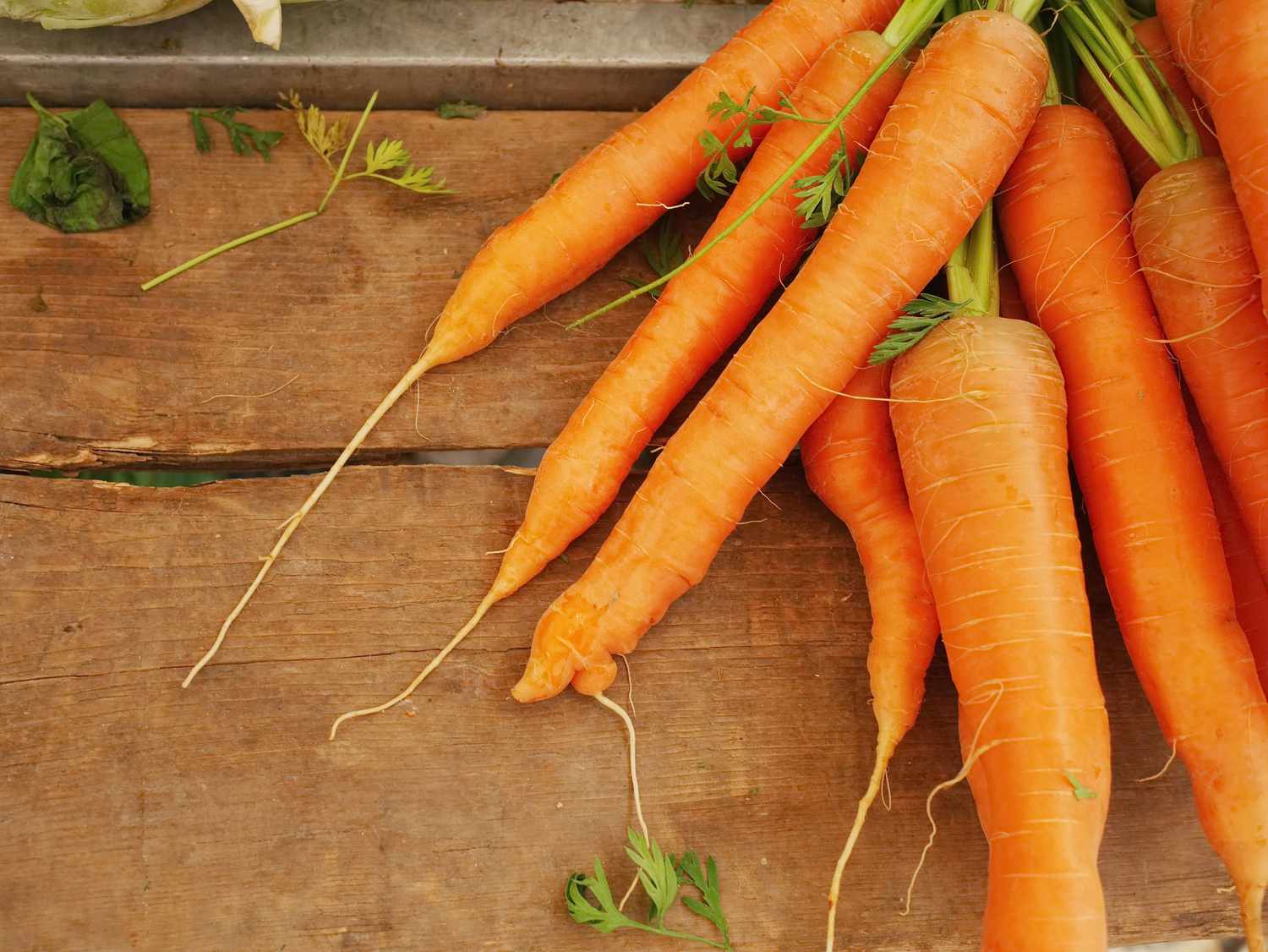
Dehydrating carrots is one of those kitchen projects that feels suspiciously practical, like alphabetizing your spice drawer or finally learning what that tiny oven drawer is for. But unlike those chores, drying carrots actually rewards you with a pantry full of lightweight, shelf-friendly, soup-ready orange gems. Whether you have a bumper crop from the garden, a bulk bag from the grocery store, or a crisper drawer full of carrots giving you the silent treatment, learning how to dehydrate carrots is a smart way to reduce waste and save meal-prep time.
Carrots are excellent candidates for food dehydration because they dry well, rehydrate nicely, and work in everything from stews and rice dishes to casseroles, ramen bowls, backpacking meals, and homemade vegetable powder. The key is not just throwing carrot slices into a dehydrator and hoping for crunchy magic. For the best color, flavor, texture, and storage quality, you need a simple process: choose good carrots, cut them evenly, blanch them, dry them thoroughly, and store them properly.
This guide walks you through 10 steps for dehydrating carrots at home, with practical tips, troubleshooting advice, and real-life experience notes at the end. Your future soups are already cheering.
Why Dehydrate Carrots?
Fresh carrots are affordable and widely available, but they are also bulky, moisture-rich, and not exactly travel-friendly. Dehydrated carrots solve those problems beautifully. Once dried, carrots shrink dramatically, weigh much less, and take up very little pantry space. A quart-size jar can hold the flavor of a surprisingly large pile of fresh carrots.
Dehydrated carrots are especially useful for:
- Quick soups, stews, and broths
- Emergency pantry meals
- Backpacking and camping recipes
- Homemade instant rice or noodle mixes
- Vegetable powders for sauces and seasoning blends
- Reducing food waste when carrots are on sale
Drying does not make carrots immortal, of course. They still need proper preparation, complete drying, and airtight storage. But when done well, dehydrated carrots are convenient, colorful, and wonderfully low-maintenance. Basically, they are the overachievers of the vegetable drawer.
10 Steps for Dehydrating Carrots
1. Choose Fresh, Firm Carrots
Start with carrots that are crisp, brightly colored, and free from mold, slime, deep cracks, or soft spots. Dehydration concentrates flavor, which is wonderful when the carrots taste sweet and fresh. It is less wonderful when they already taste tired, woody, or bitter. Drying cannot rescue vegetables that are past their prime; it will simply preserve their disappointment in smaller form.
Whole carrots usually give you the best control over size and shape, but baby carrots can also be dehydrated if sliced into smaller pieces. Garden carrots should be cleaned especially well because soil can hide in creases around the tops. If your carrots have greens attached, remove the tops before storage or preparation because the greens pull moisture from the roots.
2. Wash, Trim, and Peel If Needed
Rinse the carrots thoroughly under cool running water. Use a vegetable brush to remove dirt, especially if the carrots came from a garden or farmers market. Trim off the stem end and the thin root tip. Peeling is optional, but it can improve texture and appearance, especially with older carrots that have rough or slightly bitter skins.
If the carrots are young and tender, a good scrub may be enough. If they are large, mature, or have thick skins, peeling is a smart move. Think of peeling as giving your carrots a tiny spa treatment before their long vacation in the dehydrator.
3. Cut the Carrots Evenly
Uniform cutting is one of the biggest secrets to successful dehydrating. Pieces that are the same size dry at the same rate. Pieces that are wildly different sizes create chaos: tiny bits turn into orange confetti while thick chunks are still holding moisture in the middle.
For most home uses, cut carrots into one of these shapes:
- Thin coins: Great for soups and stews. Aim for about 1/8 to 1/4 inch thick.
- Small dice: Excellent for rice mixes, casseroles, and backpacking meals.
- Shreds: Fast-drying and perfect for baking, sauces, and carrot powder.
- Julienne strips: Useful for ramen bowls, stir-fry-style meals, and decorative soup mixes.
A mandoline slicer, food processor, or sharp chef’s knife can make the job easier. If using a mandoline, protect your fingers. Dehydrated carrots are lovely; dehydrated knuckles are not on the menu.
4. Blanch the Carrots Before Drying
Blanching is strongly recommended for carrots before dehydration. This step briefly heats the vegetables to slow enzyme activity, improve color and texture, reduce some surface microorganisms, and help the pieces rehydrate better later. Without blanching, dried carrots may lose quality faster in storage and can develop dull color or off flavors.
To water-blanch carrots, bring a large pot of water to a rolling boil. Add the prepared carrot pieces and blanch for about 3 to 4 minutes, depending on thickness. Shredded carrots need less time than thicker coins or dice. To steam-blanch, place the carrots in a steamer basket over boiling water and steam for about 4 to 5 minutes.
The goal is not to cook the carrots until soft. You want them heated through but still firm. If they come out mushy, they were over-blanched. If they look at you as if nothing happened, they may need a little more time.
5. Cool and Drain Thoroughly
After blanching, immediately transfer the carrots to a bowl of ice water or very cold water. This stops the cooking process and helps preserve their bright orange color. Let them cool for roughly the same amount of time they were blanched, then drain well.
Surface moisture slows dehydration, so do not rush this part. Spread the carrots on a clean kitchen towel or paper towels and pat them dry. They do not need to be bone-dry before going into the dehydrator, but removing extra water can shorten drying time and improve results.
6. Arrange Carrots on Dehydrator Trays
Place the carrot pieces in a single layer on dehydrator trays. Leave a little space between slices or chunks so warm air can circulate. Shredded carrots can overlap slightly, but avoid piling them into thick clumps. Airflow is the engine of dehydration; without it, food dries slowly and unevenly.
If your trays have large openings, use mesh liners for small dice or shreds. Otherwise, you may spend the evening rescuing carrot bits from the bottom of the dehydrator like a tiny orange treasure hunt.
7. Set the Dehydrator Temperature
Most carrots dry well at a dehydrator setting between 125°F and 140°F. Many home dehydrator guides use 125°F for vegetables like carrots, while Extension-style drying guidance often recommends around 140°F for efficient drying. Both ranges can work if your dehydrator has steady airflow and the carrots are dried completely.
If your dehydrator has a thermostat, choose a temperature within that range and follow your machine’s manual. If you are drying a very wet batch, some food-preservation guides allow a slightly higher starting temperature for the first hour, then reducing the heat to finish drying. Avoid temperatures that are too high for too long, because the outside of the carrot pieces may harden before the inside moisture escapes. That problem is called case hardening, and it is as annoying as it sounds.
8. Dry Until Tough, Brittle, or Hard
Drying time depends on the carrot shape, thickness, humidity in your kitchen, dehydrator model, tray load, and airflow. As a general guide, shredded carrots may dry in 6 to 10 hours, while slices or diced carrots often take 8 to 12 hours or longer. Thicker pieces can take more time.
During drying, rotate trays if your dehydrator dries unevenly. Check the carrots near the end of the estimated time. Properly dried carrots should feel tough, leathery, brittle, or hard, depending on the cut. There should be no visible moisture when you cut or break a piece open. If the center feels soft, cool, or damp, keep drying.
Do not judge doneness while pieces are still hot. Warm carrots may feel softer than they really are. Let a few pieces cool for several minutes, then test again. Dehydrating rewards patience, which is inconvenient but true.
9. Cool Completely Before Packaging
Once the carrots are fully dry, turn off the dehydrator and let them cool completely. Packaging warm dried food can cause condensation inside the jar or bag, and moisture is the villain in this story. Cool carrots for 30 to 60 minutes before storing.
After cooling, inspect the batch. If some pieces are dry and others seem flexible or moist, return the questionable pieces to the dehydrator. A few under-dried pieces can affect the quality of the whole container. This is the time to be picky, not heroic.
10. Store in Airtight Containers
Pack dehydrated carrots in clean, dry, airtight containers such as glass jars, vacuum-sealed bags, or moisture-resistant food storage bags. Label each container with the date and cut style, such as “carrot coins” or “shredded carrots.” Store them in a cool, dark, dry place.
For the first week, check the container daily for signs of condensation. If moisture appears, the carrots were not dry enough and should be returned to the dehydrator. When properly dried and stored, dehydrated carrots can keep good quality for months. For longer storage, vacuum sealing and keeping containers away from light, heat, and humidity can help preserve flavor and color.
How to Use Dehydrated Carrots
Dehydrated carrots are far more versatile than they look. They may not win a beauty contest straight from the jar, but give them broth and a little time, and they come right back to life.
Add Them Directly to Soups and Stews
The easiest way to use dried carrots is to toss them directly into simmering soup, stew, chili, or broth. They rehydrate as the dish cooks and add sweetness, color, and body. This is especially handy for chicken noodle soup, lentil soup, vegetable beef soup, and homemade ramen.
Rehydrate Before Cooking
To rehydrate carrots before using, cover them with hot water and let them soak for 15 to 30 minutes, depending on thickness. Use just enough water to cover them. The soaking liquid may contain flavor and nutrients, so add it to soups or sauces when possible.
Make Carrot Powder
Dry shredded carrots until crisp, then grind them into powder using a spice grinder or high-speed blender. Carrot powder can be added to smoothies, pasta dough, sauces, muffins, pancakes, spice blends, and homemade vegetable bouillon. Store the powder in a small airtight jar and keep it dry, because powders absorb moisture faster than larger pieces.
Build Homemade Meal Mixes
Combine dried carrots with dehydrated onions, celery, peas, mushrooms, rice, pasta, beans, herbs, and bouillon for quick pantry meals. This is excellent for camping, emergency kits, or nights when cooking motivation has left the building.
Common Mistakes When Dehydrating Carrots
Skipping the Blanching Step
It is tempting to skip blanching because it adds time and dishes. However, blanching improves quality and helps dried carrots keep better color, flavor, and texture. If you want carrots that rehydrate nicely and do not taste like a dusty orange pencil, blanch them first.
Cutting Pieces Too Thick
Thick carrot chunks take much longer to dry and may hold hidden moisture in the center. For everyday use, thin slices, small dice, or shreds are best. If you want larger pieces, expect a longer drying time and test them carefully.
Overloading the Trays
Crowded trays block airflow. When air cannot move, drying slows down and becomes uneven. Spread the carrots in a single layer and use extra trays if needed.
Storing Before Fully Cool
Warm dried carrots can release steam inside a sealed container. That trapped moisture can cause spoilage. Let the carrots cool completely before packaging.
Using Weak Containers
Thin sandwich bags are not ideal for long-term storage because they allow more air and moisture transfer. Choose glass jars, vacuum bags, or sturdy airtight containers for better results.
Food Safety Tips for Dehydrating Carrots
Cleanliness matters. Wash your hands, cutting board, knife, trays, and containers before starting. Use fresh carrots, not vegetables with mold or spoilage. Blanch before drying, dry thoroughly, and store in airtight containers away from heat and moisture.
Remember that dehydrating removes moisture; it does not sterilize food. If dried carrots smell musty, look moldy, feel damp, or show condensation in storage, discard them. Food preservation should make life easier, not turn your pantry into a science fair.
Best Equipment for Dehydrating Carrots
A dedicated electric food dehydrator is the easiest and most reliable tool because it provides controlled heat, airflow, and stacked trays. A model with an adjustable thermostat is especially useful. Mesh tray liners are helpful for shredded carrots and small dice.
You can also dry carrots in some ovens if the oven can maintain a low temperature and allow airflow, but results may be less consistent. Keep the oven door slightly open only if your oven manual allows it, and monitor temperature carefully. For most home cooks, a dehydrator is more efficient and less stressful.
Experience Notes: What I’ve Learned from Dehydrating Carrots
After working through plenty of batches, the biggest lesson is simple: carrots look easy, but they reward careful prep. The batches that turn out best are the ones where the slices are boringly even. Not glamorous, not dramatic, just consistent. A pile of carrot coins that are all about the same thickness dries more predictably than a “rustic” batch of wedges, chunks, half-moons, and mystery shapes. Rustic is lovely on a wooden table. In a dehydrator, rustic often means some pieces finish before lunch and others are still damp at bedtime.
Blanching also makes a noticeable difference. Unblanched carrots may dry, but they often look duller and can taste a little raw or grassy after storage. Blanched carrots tend to keep a brighter color and rehydrate with a better texture. The trick is to keep the blanching short. You want the carrots heated through, not cooked into soup before they ever meet the soup pot. When in doubt, test a small batch first. A few experimental carrots are cheaper than regretting five trays of orange sadness.
Another practical lesson: shredded carrots dry fast, but they can be messy. They like to fall through trays, cling to liners, and form little nests if piled too thickly. For carrot powder, though, shreds are fantastic because they dry thoroughly and grind easily. For soups, I prefer small dice or thin coins. Dice disappear nicely into rice dishes and stews, while coins make a soup look more like “I planned this” and less like “I found things in jars and hoped for the best.”
Drying time is never as exact as people want it to be. One batch may finish in eight hours; another may need twelve or more. Humidity matters. Tray crowding matters. The mood of your dehydrator may also matter, though scientists have not yet confirmed this. The best habit is to start checking near the early end of the time range, then continue drying until the pieces pass the cool test. Break a cooled piece open and check the center. If it bends softly or feels moist inside, it needs more time.
Storage is where good batches stay good. I like glass jars because they make it easy to see the contents, spot condensation, and admire the fact that three pounds of carrots now fit into a container smaller than a cereal box. Labeling sounds unnecessary until you find an unlabeled jar six months later and wonder whether it contains carrots, sweet potatoes, or something you invented during a busy Tuesday. Write the date and the cut style. Future you will be grateful, and future soup will be better organized.
Finally, dehydrated carrots are most useful when they are visible and easy to grab. If they are hidden in the back of a cabinet behind holiday sprinkles and a suspiciously old bag of lentils, you will forget them. Keep a small jar near your rice, pasta, beans, or soup ingredients. Add a handful whenever a dish needs color, sweetness, or a vegetable boost. That is the quiet magic of dehydrating carrots: one afternoon of prep turns into months of easier meals.
Conclusion
Dehydrating carrots is a simple, affordable way to preserve fresh produce and build a more useful pantry. The process comes down to ten clear steps: choose fresh carrots, wash and trim them, cut them evenly, blanch them, cool and drain them, arrange them on trays, dry at the right temperature, test for doneness, cool completely, and store in airtight containers.
Once dried, carrots become lightweight, compact, and ready for soups, stews, rice dishes, camping meals, casseroles, and homemade vegetable powders. The most important details are even slicing, proper blanching, complete drying, and moisture-proof storage. Get those right, and your dehydrated carrots will be bright, practical, and surprisingly satisfying. It is pantry organization with a snackable orange twist.