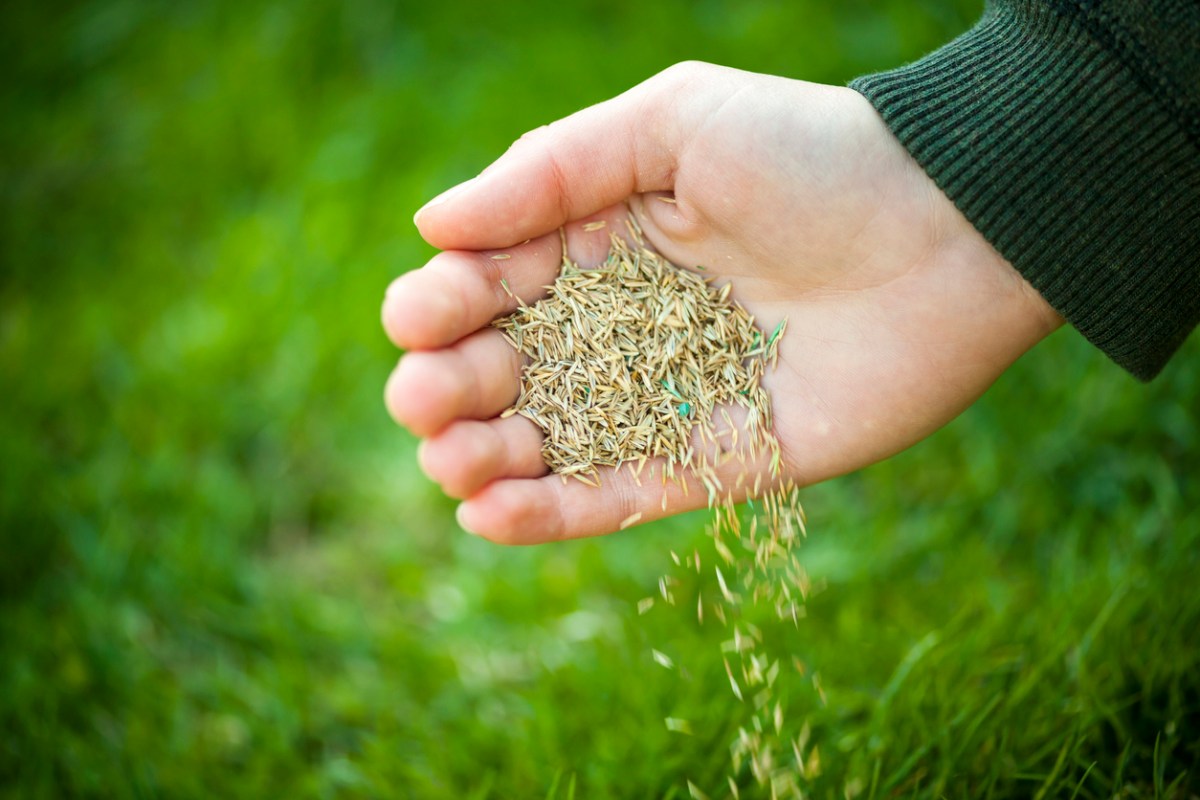
Planting grass seed looks simple enough: toss seed, water, wait, admire your future lawn like a proud suburban poet. But timing is the quiet mastermind behind whether those tiny seeds become a thick green carpet or an expensive snack buffet for birds. The best time to plant grass seed depends on your region, your grass type, soil temperature, moisture, and how much time new seedlings have to build roots before stressful weather arrives.
In most of the United States, cool-season grasses such as tall fescue, Kentucky bluegrass, perennial ryegrass, and fine fescues perform best when planted in late summer to early fall. Warm-season grasses such as Bermudagrass, zoysiagrass, bahiagrass, and centipedegrass prefer late spring to early summer, when soil is consistently warm and the growing season is stretching ahead like a lazy dog in the sun.
So yes, timing matters. Grass seed is not picky in a dramatic way, but it does have standards. Give it the right weather window, and it rewards you with stronger roots, quicker germination, fewer weeds, and better survival. Plant at the wrong time, and even premium seed can struggle like a snowman at a July barbecue.
Why Timing Matters When Planting Grass Seed
Grass seed needs three basic things to germinate well: proper soil temperature, moisture, and seed-to-soil contact. Timing affects all three. When the weather is too cold, seed may sit in the soil without sprouting. When it is too hot, seedlings may germinate quickly but fail to survive because young roots cannot keep up with heat and drought stress.
The goal is not simply to make seed sprout. The real goal is establishment. A successful lawn seed project gives young grass enough time to grow roots, produce leaves, tolerate mowing, and compete with weeds before the next major stress season arrives. That stress season might be summer heat in the North or winter dormancy in the South.
Experts often describe lawn seeding in terms of “windows.” That is because the best timing is not one magic date printed on the calendar by the Lawn Fairy. It is a seasonal period when soil temperature, rainfall, sunlight, and weed pressure are working in your favor.
Cool-Season vs. Warm-Season Grass: Know What You Are Planting
Before asking when to plant grass seed, identify your grass type. This is the lawn-care equivalent of checking whether you are baking cookies or roasting a turkey. Same kitchen, very different timing.
Cool-season grasses
Cool-season grasses grow most actively in spring and fall. They are common across the northern United States, the transition zone, and many higher-elevation areas. Popular cool-season grasses include tall fescue, Kentucky bluegrass, perennial ryegrass, and fine fescues.
For these grasses, late summer to early fall is usually the best time to plant grass seed. Soil is still warm from summer, which encourages germination, but air temperatures are cooler, which reduces stress. Rainfall often becomes more regular, and many aggressive summer weeds begin slowing down. In many northern and Midwestern regions, the ideal window is roughly mid-August through mid-September, while some transition-zone lawns can seed into September or early October depending on local weather.
Warm-season grasses
Warm-season grasses thrive in hot weather and grow most actively from late spring through summer. Common types include Bermudagrass, zoysiagrass, bahiagrass, centipedegrass, and some seeded varieties used across the South and lower transition zone.
For warm-season grasses, late spring to early summer is usually the best planting window. These seeds need warm soil to germinate and a long stretch of hot weather to spread, root, and fill in. In many Southern regions, May through July can be a productive window, though local climate and rainfall matter. Plant too early, and cool soil slows germination or invites rot. Plant too late, and young grass may not establish before shorter days and cooler temperatures arrive.
The Best Time to Plant Grass Seed by Season
Fall: the champion season for cool-season lawns
For cool-season grass seed, fall is usually the gold medal season. The soil remains warm enough for germination, while cooler air helps seedlings avoid the worst heat stress. Fall also gives grass a chance to develop roots before winter, then resume growth in spring with a head start.
Another advantage is reduced weed competition. Spring brings a parade of weeds that behave like they paid rent. Crabgrass, foxtail, and other annual weeds often germinate as soil warms. In fall, many of those weeds are fading, giving young turf a better chance to claim the space.
A practical rule: plant cool-season grass seed early enough that it can be mowed two or three times before hard winter weather. If seedlings are still tiny when freezing conditions arrive, survival drops. In many areas, waiting until late October for cool-season seeding is risky unless you are intentionally dormant seeding.
Spring: possible, but more demanding
Spring seeding can work, especially for small repairs, bare patches, or lawns that cannot wait until fall. However, spring is usually the second-best option for cool-season grasses. The problem is the calendar: seedlings may look good in April, then face summer heat before roots are deep enough to handle drought.
Spring also complicates weed control. Many pre-emergent herbicides used to stop crabgrass can also prevent grass seed from germinating. If you seed in spring, read product labels carefully and avoid applying incompatible weed preventers. Some specialized products are designed for use during seeding, but guessing is not a lawn strategy; it is a way to turn a seed bag into confetti.
If spring is your only option, seed as early as practical once soil temperatures are suitable. Water consistently, avoid heavy foot traffic, and be realistic: you may need to overseed again in fall to thicken the stand.
Summer: usually tough for cool-season seed
Summer is the danger zone for cool-season grass seed. High temperatures, dry soil, intense sun, and fast-growing weeds create a difficult environment for seedlings. Even if seeds germinate, the young grass often lacks the root system needed to survive extended heat.
For warm-season grasses, however, summer can be part of the ideal establishment period. Bermudagrass and similar turf types love heat, provided they receive enough moisture. The key is matching the seed to the season. Planting tall fescue in July in a hot climate is like sending a penguin to a desert boot camp.
Winter and dormant seeding
Dormant seeding is a technique used in colder climates. Seed is applied after soil temperatures are too low for germination, often when the ground is cold but not buried under permanent snow. The seed remains dormant through winter and germinates when conditions improve in spring.
This method can be useful for cool-season lawns, especially where freeze-thaw cycles help improve seed-to-soil contact. However, dormant seeding is less predictable than ideal fall seeding. Heavy runoff, birds, poor soil contact, or early warm spells followed by freezing weather can reduce success. It is a useful backup plan, not the first choice for every homeowner.
Soil Temperature Matters More Than the Calendar
Calendar dates are helpful, but soil temperature is more accurate. Air temperature can swing wildly from one day to the next, while soil temperature tells you what the seed actually feels underground. Grass seed responds to the soil environment, not your phone’s weather app acting dramatic.
Cool-season grasses generally germinate best when soil temperatures are in a moderate range, often around 50 to 65 degrees Fahrenheit. Warm-season grasses typically need warmer soil, commonly around 60 to 70 degrees Fahrenheit or higher, depending on the species. A simple soil thermometer can help you avoid planting too early or too late.
Check soil temperature a few inches deep in the morning, and take readings in more than one location if your yard has sun, shade, slopes, or compacted areas. A south-facing sunny patch may warm faster than a shaded side yard. Your lawn is not one uniform pancake; it has microclimates.
How Region Changes Grass Seed Timing
The United States has too many climates for one universal lawn calendar. Timing in Minnesota will not match timing in Georgia, and both will laugh at a one-size-fits-all seed schedule.
Northern states
In northern areas, cool-season grasses dominate. Late summer to early fall is usually ideal because seedlings can establish before winter and avoid immediate summer stress. Spring seeding is possible, but fall normally produces a denser, stronger lawn with less weed pressure.
Transition zone
The transition zone, which includes areas such as parts of Virginia, North Carolina, Tennessee, Missouri, Kentucky, and Kansas, is tricky because both cool-season and warm-season grasses can be used. Tall fescue is often seeded in fall, while Bermudagrass and zoysiagrass are best established in late spring or early summer. This region is where lawns develop personalities and occasionally attitude.
Southern states
In the South, warm-season grasses are common. Planting is usually best after soil has warmed in spring and before extreme summer drought becomes difficult to manage. Fall is generally not the ideal time to seed warm-season grasses because they are slowing down as temperatures drop.
How to Prepare Before Planting Grass Seed
Even perfect timing cannot rescue poor preparation. Grass seed needs contact with soil, not thatch, leaves, compacted crust, or a mysterious layer of old lawn debris from 2017.
Test and improve the soil
A soil test is one of the smartest steps before seeding. It can reveal pH, nutrient levels, and whether lime or fertilizer is needed. Guessing at fertilizer can lead to weak growth, wasted money, or nutrient runoff. A soil test turns lawn care from superstition into strategy.
Remove debris and loosen the surface
Rake away dead grass, leaves, rocks, and clumps. For bare areas, loosen the top layer of soil so seed can settle in. For overseeding, mow the existing lawn slightly lower than usual and remove clippings so seed reaches the soil surface.
Fix compaction
Compacted soil makes it hard for roots, water, and oxygen to move. Core aeration before overseeding can improve seed-to-soil contact and help water reach the root zone. This is especially useful for high-traffic lawns, clay soils, and yards where kids, dogs, or backyard football have treated the turf like a public stadium.
Watering After Seeding: The Make-or-Break Step
Newly planted grass seed must stay consistently moist until it germinates. That does not mean creating a swamp where ducks start browsing real estate. It means light, frequent watering to keep the seedbed damp without washing seed away.
In the first stage, water lightly once or more per day depending on weather, soil type, and sun exposure. After germination, gradually shift to deeper, less frequent watering to encourage roots to grow down. Shallow daily watering for too long can train roots to stay near the surface, which makes the lawn less drought-tolerant later.
Different grasses germinate at different speeds. Perennial ryegrass may sprout quickly, while Kentucky bluegrass can take several weeks. Do not panic if one area greens up faster than another. Some seeds are simply early risers; others hit the snooze button.
Common Grass Seeding Mistakes
Planting at the wrong time
The biggest mistake is planting based on excitement instead of conditions. A warm weekend in March does not necessarily mean the soil is ready. A cool spell in September does not mean you missed the window. Check the grass type, soil temperature, and upcoming weather pattern.
Using the wrong seed for the site
Sun, shade, traffic, slope, irrigation, and climate all matter. A full-sun Bermudagrass seed may struggle in a shaded yard. A fine fescue blend may tolerate shade better but may not handle heavy wear as well. Choose seed for the real yard you have, not the fantasy lawn living rent-free in your imagination.
Skipping seed-to-soil contact
Grass seed scattered on top of thick thatch or hard soil may dry out, blow away, or become bird brunch. Rake, aerate, slit-seed, or lightly topdress when appropriate so seed touches soil.
Watering too much or too little
Too little water dries seed out. Too much water can move seed, encourage disease, or create muddy patches. The best approach is consistent moisture during germination, followed by deeper watering as seedlings mature.
Overseeding vs. Starting a New Lawn
Overseeding means adding grass seed to an existing lawn to thicken it, fill thin spots, and improve turf density. Starting a new lawn means preparing bare soil and establishing grass from scratch. Timing matters for both, but new lawns often require more preparation, more seed, and more careful watering.
If your lawn is mostly healthy but thin, overseeding in the proper season can make a major difference. If more than half the lawn is weeds, bare soil, or mismatched grass types, renovation may be smarter. There is no shame in starting over. Lawns, like browser tabs, sometimes need a full reset.
Practical Examples of Good Timing
A homeowner in Ohio with tall fescue and Kentucky bluegrass would usually aim for late August or early September. That gives seedlings time to establish before winter and avoids the brutal heat of July.
A homeowner in North Carolina planting tall fescue would likely favor early fall, while someone establishing Bermudagrass would look to late spring or early summer. Same state, different grass, different schedule.
A homeowner in Georgia trying to seed tall fescue should avoid late spring because summer heat arrives quickly. But a homeowner planting warm-season Bermudagrass would wait for warm soil and active growing weather.
A homeowner in Minnesota who missed the fall window might consider dormant seeding after soil temperatures drop low enough that seed will not germinate until spring. This is not as predictable as late-summer seeding, but it can work when done carefully.
Experience-Based Tips: What Actually Helps Grass Seed Succeed
After reading expert guidance and watching plenty of lawn projects succeed, struggle, and occasionally turn into a patchy green mystery novel, one lesson stands out: timing gets the seed to the starting line, but follow-through wins the race. Many homeowners focus on the day they spread seed and forget that the following three to six weeks are just as important.
The first experience-based tip is to prepare earlier than you think. If you want to seed cool-season grass in early September, do not wait until Labor Day weekend to discover that your soil is compacted, your sprinkler leaks, your mower blade is dull, and the dog has claimed the bare spot as a personal excavation zone. Start planning several weeks ahead. Test the soil, choose the seed, clear debris, and handle major weed problems before seeding day.
Second, match your watering plan to your actual life. New seed needs consistent moisture, and that can be hard if you travel, work long hours, or forget plants exist until they look personally offended. A simple timer can save a seeding project. Even a basic hose-end sprinkler timer can keep the seedbed from drying out during the most vulnerable period.
Third, do not bury grass seed too deeply. Many lawn beginners treat seed like vegetable seeds and cover it with too much soil. Most turfgrass seed performs best with light coverage and firm contact. Raking seed gently into the surface or applying a thin layer of clean straw or compost can help, but a thick blanket of soil may block light, reduce oxygen, and delay emergence.
Fourth, protect the area from traffic. New grass seedlings look tougher than they are. Keep kids, pets, delivery drivers, and enthusiastic relatives off the seeded area until the grass has been mowed a few times. If the seeded strip is near a walkway, put up temporary stakes and string. It may not win a landscape design award, but it prevents the classic “why is there a footpath through my baby lawn?” situation.
Fifth, mow at the right time. Wait until new grass reaches the recommended mowing height for the species, then mow with a sharp blade. Cutting too early can pull seedlings out of the soil. Waiting too long can cause floppy, weak growth. A sharp blade matters because young grass does not need to be ripped like lettuce in a bad cafeteria salad.
Finally, expect improvement, not instant perfection. A newly seeded lawn may fill in unevenly at first. Shaded areas may lag. Slopes may dry faster. Spots near sidewalks may heat up more. The best lawns are often built in stages: seed at the right time, water carefully, mow correctly, feed based on soil needs, then overseed again during the next ideal window. Lawn success is less like flipping a switch and more like training a team. The grass needs good coaching, good conditions, and a little patience before it starts looking like it belongs on a seed bag.
Conclusion: Plant Grass Seed When Nature Is on Your Side
The best time to plant grass seed depends on what kind of grass you are growing and where you live. For cool-season grasses, late summer to early fall is usually the best window because warm soil, cooler air, lower weed pressure, and seasonal moisture support strong establishment. For warm-season grasses, late spring to early summer is usually best because soil is warm and the plants have months of active growth ahead.
Instead of relying only on the calendar, pay attention to soil temperature, upcoming weather, moisture, and your lawn’s condition. Prepare the soil, choose the right seed, water consistently, and protect seedlings from stress. Do those things, and your grass seed has a real chance to become the thick, healthy lawn you imagined. Ignore timing, and the seed may still sprout, but it will be fighting uphill in flip-flops.
Note: This article provides general lawn-care guidance for U.S. homeowners. Local climate, soil, water restrictions, and grass varieties vary, so regional extension recommendations should be considered before large lawn renovations.