There is a very specific sound your life makes when you sell almost everything you own. It is the sound of packing tape, online marketplace notifications, suitcase zippers, and one brave little voice in your head whispering, “Are we actually doing this?” Spoiler: yes, we did. We sold the furniture, donated the “just in case” items, said goodbye to the closet full of clothes that somehow contained nothing to wear, and traded a settled life for a rolling suitcase, a backpack, and a calendar full of question marks.
Since then, we have visited 63 countries, crossed more borders than we can neatly count, learned how to say “thank you” in enough languages to make airport staff smile, and discovered that the best moments of world travel are rarely the ones you plan perfectly. They are the ones that sneak up on you: a sunrise over ancient stones, a meal shared with strangers, a wrong turn that becomes the highlight of the day, or a rainy afternoon that somehow turns into the story you tell forever.
This is not a glossy fantasy about quitting everything and living on coconut water beside an infinity pool. Long-term travel has laundry days, missed buses, confusing SIM cards, tired feet, and the occasional dinner that tastes suspiciously like regret. But it also has the kind of moments that stretch your heart, sharpen your perspective, and make the world feel both impossibly huge and beautifully connected.
Why We Sold Everything To Travel Around The World
Before we became full-time travelers, our life looked normal from the outside. We had jobs, routines, furniture, subscriptions, storage bins, and a growing suspicion that we were spending more time maintaining our life than actually living it. The idea of traveling around the world started as a “someday” dream. Someday we would see Japan in cherry blossom season. Someday we would walk through Angkor Wat at sunrise. Someday we would eat pasta in Italy, chase the Northern Lights in Iceland, and stand quietly in places that had existed for centuries before our inbox ever dared to exist.
Then we realized that “someday” is a very polite word for “never” unless you give it a date. So we did the least romantic but most necessary part of any big adventure: we made a spreadsheet. We listed what we owned, what we could sell, what we needed to save, and what we could live without. The answer, awkwardly, was almost everything.
The Freedom of Owning Less
Selling everything did not feel freeing at first. It felt like chaos wearing a backpack. But once the last bulky item left the house, something shifted. We no longer had rooms to fill, shelves to dust, or boxes of mystery cables multiplying like rabbits. Our life became smaller in objects and larger in possibility.
Minimalist travel taught us quickly that freedom is not about having nothing. It is about carrying what supports the life you actually want. Two good pairs of shoes became more valuable than twenty “maybe someday” outfits. A lightweight rain jacket earned heroic status. A portable charger became practically family.
Best Moment #1: Watching Sunrise Over Angkor Wat, Cambodia
Some travel moments feel famous before you even arrive, and sunrise at Angkor Wat is one of them. We arrived in the dark with sleepy faces, camera batteries, and the quiet shuffle of travelers trying not to trip over their own excitement. Then the sky began to soften. The towers of Angkor Wat slowly appeared against the morning light, reflected in the still water like history had paused to admire itself.
Angkor is not just one temple. The Angkor Archaeological Park covers a vast area and contains remains from different capitals of the Khmer Empire, including Angkor Wat and the Bayon Temple at Angkor Thom. Knowing that made the experience feel even bigger. We were not simply looking at beautiful ruins; we were standing inside a living chapter of Southeast Asian history.
The best part was not getting the perfect photo. In fact, our best photo includes someone’s elbow, because travel photography is a competitive sport nobody admits they are playing. The real memory was the silence after sunrise, when we wandered away from the busiest viewpoint and heard birds, footsteps, and the soft murmur of guides explaining stories carved into stone.
Best Moment #2: Cherry Blossoms in Japan
Japan during cherry blossom season feels like the whole country briefly agrees to become poetry. Parks fill with families, friends, couples, office workers, photographers, and travelers who all seem to understand that beauty does not have to last long to matter deeply.
We saw pale pink blossoms along rivers, near temples, and in neighborhood parks where locals spread picnic blankets under the trees. The blossoms were delicate, but the atmosphere was joyful. Convenience-store snacks became a picnic. A simple walk became an event. Even train stations seemed to carry a little extra magic.
The lesson of sakura season was wonderfully inconvenient for two people trying to control a round-the-world itinerary: timing matters, but you cannot command nature. Blossoms arrive when they arrive. Weather changes. Crowds gather. Plans wobble. And sometimes, the most beautiful thing you can do is stop refreshing forecasts and just look up.
Best Moment #3: Getting Lost in Italy and Finding the Best Meal of the Trip
Italy gave us many polished memories: grand piazzas, ancient ruins, church bells, espresso counters, and art so famous it almost feels like bumping into a celebrity. But our favorite Italian moment happened because we got lost.
We had taken a wrong turn in a small town, argued gently over a map app, and ended up on a quiet street where a tiny restaurant had handwritten menus and zero interest in pretending to be trendy. We ordered what the server recommended. That decision alone has saved more meals than any travel guide ever could.
Out came pasta that tasted like someone’s grandmother had personally decided we looked underfed. There was fresh bread, local wine, a dessert we did not need but absolutely respected, and the kind of hospitality that makes you linger after the plates are cleared.
That meal changed how we travel. After Italy, we stopped treating wrong turns as mistakes. Sometimes the wrong turn is the itinerary doing its best work.
Best Moment #4: Standing Above Machu Picchu, Peru
Machu Picchu is one of those places that refuses to be reduced to a postcard. Yes, it is stunning in photos. But standing there, high in the Andes, surrounded by mountains and mist, is something else entirely. The site sits about 2,430 meters above sea level, in a dramatic tropical mountain forest setting, and the combination of stonework, terraces, slopes, and sky feels almost unreal.
We had seen countless images of Machu Picchu before arriving, which usually makes a place feel familiar. Instead, the opposite happened. The more we looked, the less we felt we understood. How did people build this here? How did they move through this landscape? How many mornings had these stones watched the clouds rise?
Our best moment came when we stepped away from the main viewpoint and simply sat. No posing. No rushing. No trying to capture everything. Just breathing thin air and feeling very small in the best possible way.
Best Moment #5: The Northern Lights in Iceland
Chasing the Northern Lights is an excellent way to learn humility. You can book the tour, check the forecast, wear the correct layers, and still spend hours staring at a sky that appears to be thinking about it. Iceland taught us patience with cold toes.
When the aurora finally appeared, it did not burst across the sky like a movie scene at first. It began as a faint greenish haze, so subtle we wondered if our eyes were making it up. Then the light strengthened, stretched, and moved. The sky seemed alive.
We stood in the dark, bundled like overstuffed laundry bags, laughing because we were freezing and speechless at the same time. It was one of those travel moments that makes everyone quiet. Even the people who normally narrate every second for social media lowered their phones for a moment. That alone may qualify as a miracle.
Best Moment #6: Sailing Through Milford Sound, New Zealand
Milford Sound, or Piopiotahi, feels like the Earth showing off without apology. Sheer cliffs rise from dark water, waterfalls drop from impossible heights, and clouds move through the landscape like slow theater curtains. It rains often there, and that is not a problem. Rain is practically part of the performance.
On the day we visited, the weather changed every few minutes. One moment we had mist, the next a flash of sun, then rain again. Instead of ruining the trip, the rain created temporary waterfalls everywhere. The cliffs seemed to come alive.
The best moment was not when the boat reached the most famous viewpoint. It was when we stopped trying to keep our hair dry and accepted the drama. Some places are not meant to be neat. Milford Sound is wild, wet, and spectacularly uninterested in your hairstyle.
Best Moment #7: Floating Over Cappadocia, Turkey
Cappadocia at sunrise looks like a dream designed by someone with a flair for geology and balloons. The landscape is filled with unusual rock formations, cave dwellings, valleys, and soft colors that shift as the sun rises. When hot air balloons begin lifting into the sky, the scene becomes almost too beautiful to be believed.
Our morning started painfully early, as great travel memories often do. We were sleepy, cold, and not entirely sure our brains had joined our bodies yet. Then the balloon rose, and everything became quiet. Below us, valleys unfolded. Around us, dozens of balloons floated like lanterns.
What made the moment unforgettable was the silence. Travel can be noisy: airports, traffic, crowds, announcements, rolling suitcase wheels on cobblestones at criminally early hours. Up there, the world felt gentle.
Best Moment #8: Walking Through Petra, Jordan
Petra does not reveal itself all at once. You walk through the narrow Siq, with tall rock walls on either side, and anticipation builds with every step. Then, suddenly, the Treasury appears through the opening, carved into rose-colored stone. Even if you know it is coming, it still feels like a magic trick.
Petra was an important Nabataean caravan city positioned between major ancient trade routes, and its blend of rock-cut architecture and desert landscape makes it one of the world’s most extraordinary archaeological sites. But facts are only half the experience. The other half is emotional: the scale, the color, the heat, the footsteps, and the feeling that human creativity has always been wildly ambitious.
Our favorite memory was climbing to a higher viewpoint later in the day, dusty and mildly dramatic about our tired legs. From above, Petra looked less like a single attraction and more like an entire hidden world.
Best Moment #9: Snorkeling the Great Barrier Reef, Australia
The Great Barrier Reef made us feel like we had accidentally entered another planet, one with better colors and far more elegant residents. Beneath the surface were corals, fish, movement, light, and tiny details everywhere. It was impossible to look in one direction for long because something else kept happening just outside the edge of our mask.
The reef is one of the most complex natural systems on Earth, known for extraordinary biodiversity. That knowledge added a sense of responsibility to the wonder. Beautiful places are not just backdrops for vacation photos. They are living systems, and visiting them should make us more careful, not just more impressed.
Our best moment was watching a small fish hover near coral as if guarding a tiny underwater apartment. It was ordinary reef life, probably not rare, probably not dramatic, and absolutely perfect.
Best Moment #10: The Sahara Desert at Night
The Sahara taught us that silence has layers. During the day, the dunes were golden and cinematic, the kind of landscape that makes everyone walk slowly for no practical reason. But at night, the desert became something else entirely.
We sat under a sky so full of stars it made city life feel like someone had been dimming reality. There was tea, a small fire, music, and the strange comfort of being far from nearly everything familiar.
One of the biggest surprises of long-term travel is how often simplicity becomes luxury. A hot shower after a dusty ride. A blanket on a cold desert night. A shared meal. A clear sky. When you own less and move often, comfort becomes less about expensive things and more about attention.
What Visiting 63 Countries Taught Us About People
After 63 countries, the strongest memory is not a landmark. It is people. The taxi driver who taught us three phrases before dropping us at the station. The market vendor who added extra fruit to our bag because we looked confused but enthusiastic. The hostel owner who drew a map by hand. The stranger who helped us buy the correct train ticket when the machine looked like it had been designed by a committee of angry robots.
Travel has a way of making you dependent on kindness. At home, you can move through life with confidence because you know the systems. Abroad, you become a beginner again. You mispronounce things. You misunderstand signs. You board the wrong platform. You learn that humility is not a weakness; it is a travel skill.
Kindness Is the Real Universal Language
We have traveled through countries where we did not speak the language, could not read the menu, and had no idea how the bus schedule worked. Still, we found help almost everywhere. A smile, a translation app, a little patience, and a willingness to look foolish can carry you surprisingly far.
The best conversations were not always fluent. Sometimes they were made of gestures, laughter, food, and shared confusion. Travel made us believe less in stereotypes and more in individuals.
What We Learned About Planning a Round-the-World Trip
A round-the-world trip sounds spontaneous, and parts of it are. But the less glamorous truth is that good planning protects the freedom. Before leaving, we checked passport validity, visa rules, medication needs, travel insurance, and entry requirements. We made digital copies of important documents and kept backups in more than one place. The goal was not to remove every risk. That is impossible. The goal was to avoid turning small problems into expensive disasters.
We also learned not to plan every day. In the beginning, we packed our schedule like we were trying to win travel by exhaustion. Museum in the morning, viewpoint by noon, market at three, sunset hike, dinner reservation, collapse. That approach lasted about as long as a cheap umbrella in a windstorm.
Now we plan anchors: the big things that require booking, the routes that matter, and the experiences we truly care about. Around those anchors, we leave space. Space is where the magic usually sneaks in.
Slow Travel Beats Checklist Travel
After visiting dozens of countries, we became less interested in counting places and more interested in feeling them. Spending one month in a country often teaches more than racing through five countries in two weeks. Slow travel lets you find a favorite bakery, recognize neighborhood dogs, learn which bus is always late, and become a temporary regular somewhere.
That does not mean every trip must be slow. Not everyone has unlimited time, and not every destination needs a month. But even on a short trip, the mindset helps. Leave one afternoon unplanned. Revisit the same café. Walk instead of ride when it is safe and practical. Let a place become more than a list.
The Hard Parts Nobody Puts in the Instagram Caption
Long-term travel is beautiful, but it is not a permanent vacation. It is life, just with more border crossings and fewer matching towels. We have had food poisoning, lost bookings, delayed flights, broken zippers, surprise fees, and days when the only thing we wanted was a familiar couch and a washing machine that did not require coins, instructions, and moral courage.
We have also felt lonely in beautiful places. That is one of travel’s stranger truths. A perfect beach does not automatically fix a tired mind. A famous landmark cannot replace community. Full-time travel gives you freedom, but it also asks you to build routines without a fixed home.
Our solution has been simple but important: rest before resentment arrives. We schedule quiet days. We cook basic meals. We video call friends. We do laundry before the suitcase becomes a biological concern. We remind ourselves that skipping an attraction is not failure. Sometimes the bravest travel decision is taking a nap.
Our Best Practical Tips After 63 Countries
Pack Less Than You Think
You do not need a different outfit for every possible personality. Pack versatile clothes, comfortable shoes, and layers. If you truly need something, you can usually buy it later. Your back will thank you, probably in several languages.
Choose Experiences Over Souvenirs
When you travel long term, space matters. We stopped buying many physical souvenirs and started collecting recipes, photos, playlists, postcards, and tiny habits from places we loved. Memories are lighter than ceramics, especially on budget airlines.
Respect Local Culture
Learn basic greetings. Dress appropriately at religious or cultural sites. Ask before taking photos of people. Read about local customs. Good travel is not just about where you go; it is about how you behave when you get there.
Keep a Flexible Budget
Some countries cost more than expected. Some days go sideways. A flexible budget keeps stress from swallowing the joy. We track spending, but we also leave room for once-in-a-lifetime experiences. You can eat grocery-store dinners for a week and still splurge on the hot air balloon ride you will remember forever.
Additional Experiences: The Moments That Changed How We See the World
After traveling through 63 countries, we have learned that the best moments often arrive quietly. They do not always announce themselves with famous landmarks or dramatic scenery. Sometimes they appear in an ordinary morning routine in a foreign city. We remember buying bread from the same bakery for several days in a row and finally being greeted with recognition. We remember sitting on a slow train and watching villages pass by, each one full of lives we would never fully know. We remember a rainy day when we canceled all plans, found a small bookstore, and felt completely at home in a country where we were technically strangers.
One of the most meaningful experiences was learning to be comfortable with uncertainty. At home, we used to measure a good day by how efficiently it went. On the road, efficiency is often a fantasy. Buses leave early, trains leave late, restaurants close for reasons nobody explains, and directions can include phrases like “turn near the old tree,” which is charming until you discover there are fourteen old trees. But uncertainty made us more adaptable. We became better at solving problems together, laughing sooner, and accepting that a changed plan is not automatically a ruined day.
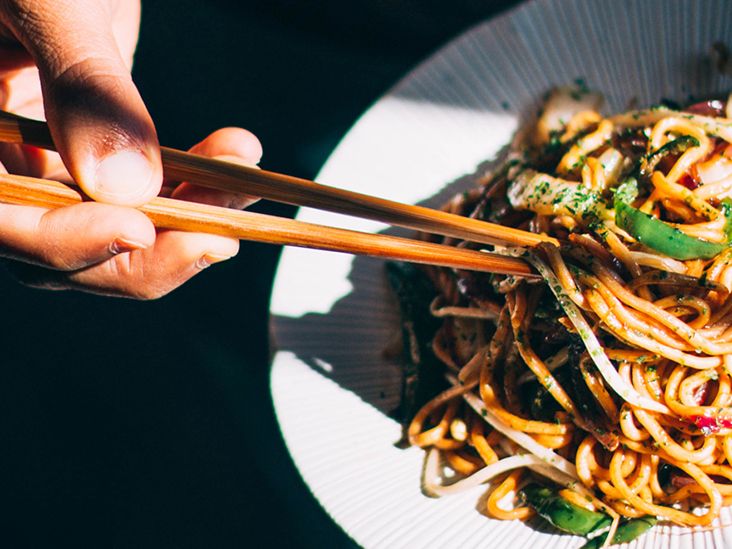
Food became one of our favorite ways to understand a place. We learned that breakfast tells you a lot about a culture. In some countries, breakfast was strong coffee and a pastry eaten standing up. In others, it was soup, rice, eggs, fruit, beans, flatbread, or something spicy enough to wake up ancestors. We stopped asking, “Is this normal for breakfast?” and started asking, “Can we have more?” Food gave us a way into conversations, neighborhoods, markets, and traditions. It also taught us bravery, although not always wisdom. There is a difference between being adventurous and ignoring the suspicious seafood. We have learned this difference personally.
Nature also changed us. Mountains, deserts, reefs, forests, glaciers, and coastlines all made our everyday worries feel smaller. Standing in front of ancient landscapes gave us perspective that no productivity app ever managed to deliver. We began to understand why people fight to protect wild places. Once you have seen a reef full of life, a glacier glowing blue, or a desert sky crowded with stars, environmental protection stops being an abstract idea. It becomes personal.
Another unexpected gift of long-term travel was learning how differently people define a good life. In one place, success looked like professional ambition and busy cities. In another, it looked like long family meals, afternoon rest, strong community ties, or work that left time for the sea. Seeing these different versions of happiness helped us question our own assumptions. We did not return to the idea that one lifestyle is perfect. Instead, we learned that a meaningful life can be built in many shapes.
Travel also made us more grateful for ordinary comforts. Clean water, reliable Wi-Fi, a quiet room, fresh laundry, public transportation, and a good pillow became treasures. When you move often, you stop taking infrastructure for granted. You notice the systems that make life easier and the people who keep them working. Gratitude becomes less like a quote on a mug and more like a practical daily habit.
Most of all, visiting 63 countries taught us that the world is not a checklist. It is not a trophy cabinet. It is not a competition to see who has the most passport stamps or the most dramatic drone footage. The world is a collection of homes, histories, ecosystems, languages, meals, jokes, griefs, celebrations, and ordinary Tuesday mornings. To travel well is to remember that we are guests.
If we could give one piece of advice to anyone dreaming of selling everything to travel around the world, it would be this: do not wait for the perfect version of yourself to begin. You do not need to be fearless. You do not need to know every answer. You do not need the perfect backpack, the perfect route, or the perfect caption. You need preparation, respect, curiosity, patience, and a willingness to be changed.
We sold almost everything because we wanted to see the world. What we did not expect was that the world would teach us how to see our own lives more clearly. That has been the best moment of all.
Conclusion
Selling everything to travel around the world was not an escape from real life. It became a deeper introduction to it. Across 63 countries, our best moments have included ancient temples, mountain sunrises, desert nights, reef life, shared meals, wrong turns, and the countless small kindnesses that make travel unforgettable. The journey taught us that freedom is not found only in movement. It is found in paying attention.
Long-term travel is not always easy, polished, or predictable. But it is rich with perspective. It shows you what you can live without, what you deeply value, and how much beauty exists beyond the boundaries of routine. The world is bigger than any bucket list, warmer than any fear, and far more interesting than the life we almost kept simply because it was familiar.
Note: This article was written for web publication in clean HTML body format and synthesized from real travel-safety guidance, official tourism information, heritage references, and reputable travel publications. Source links are not inserted per request.