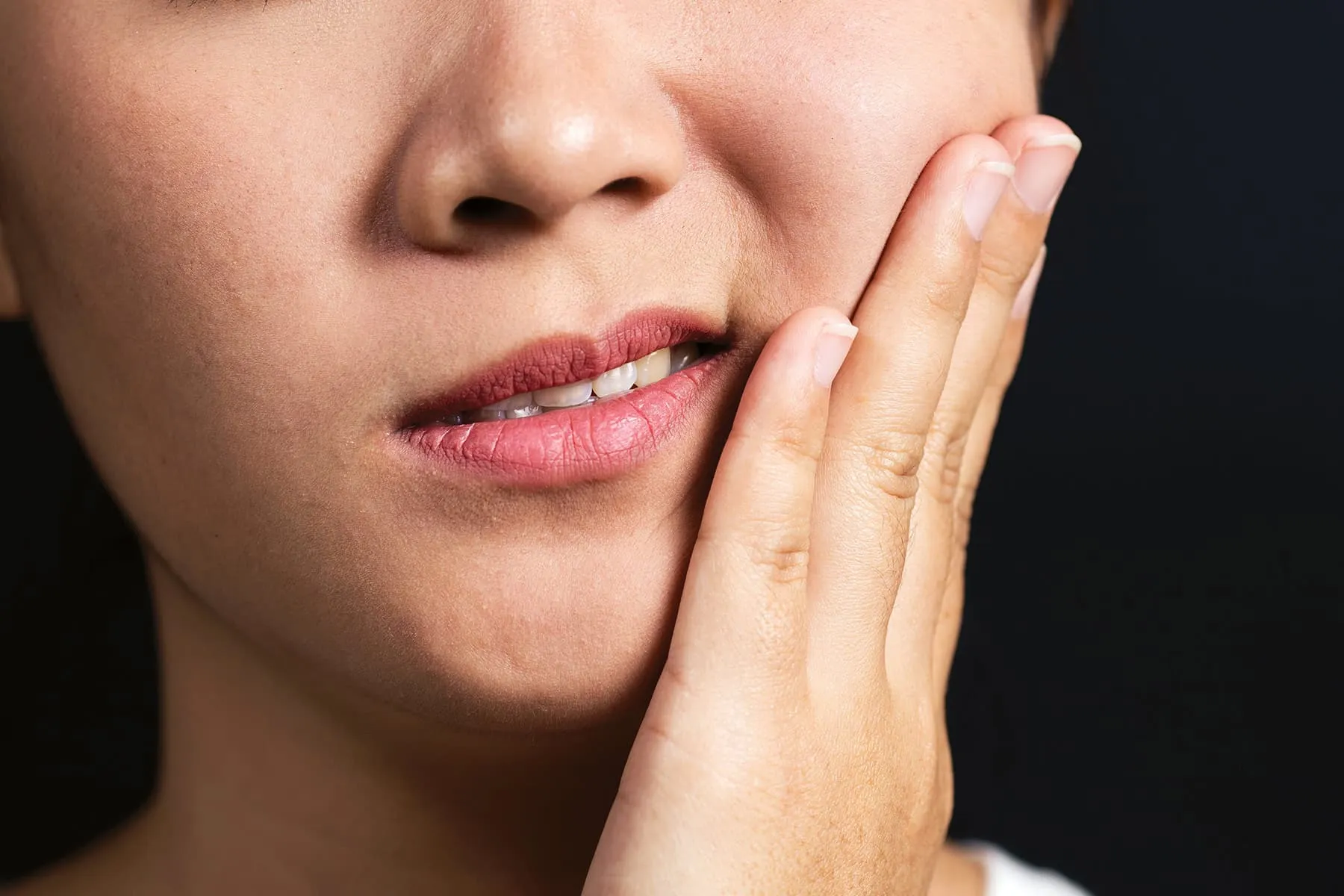
Your jaw may be small compared with your knees or hips, but it has an impressively busy résumé. It helps you speak, chew, swallow, yawn, laugh, sing in the car, and occasionally bite into a sandwich that is much taller than engineering standards recommend.
When the jaw joint or its supporting muscles stop working comfortably, the result may be a temporomandibular disorder, commonly called TMD. People often call the condition “TMJ,” but technically, TMJ is the joint itself. TMD is the name for the group of disorders affecting that joint, the chewing muscles, or both.
This visual guide explains what is happening inside the jaw, what common TMD symptoms look and feel like, how the condition is diagnosed, and why the safest treatment plan usually begins with simple, reversible steps.
What Is TMD, and Is It the Same as TMJ?
You have two temporomandibular joints, one immediately in front of each ear. These joints connect the lower jawbone, called the mandible, to the temporal bones of the skull.
The term TMJ refers to the anatomical joint. The term TMD, or temporomandibular disorder, refers to more than 30 conditions that may cause jaw pain, muscle tenderness, stiffness, limited movement, or problems with chewing.
Quick Visual: TMJ vs. TMD
TMJ: The actual jaw joint located in front of each ear.
TMD: A disorder affecting the joint, chewing muscles, surrounding tissues, or a combination of these structures.
Easy comparison: Your knee is a joint. Arthritis or a ligament injury is the disorder. Likewise, the TMJ is the joint; TMD is the problem.
TMDs are generally divided into three broad groups: disorders involving the jaw joint, disorders affecting the muscles used for chewing, and headaches associated with jaw dysfunction. More than one type can occur at the same time, which helps explain why two people with “TMJ problems” may have very different symptoms.
How the Temporomandibular Joint Works
The TMJ is not a basic door hinge. It is a sliding hinge that must rotate and glide smoothly while the left and right joints work together. That coordination allows the lower jaw to move up, down, forward, backward, and from side to side.
The Main Parts of the Joint
- Mandibular condyle: The rounded upper end of the lower jawbone.
- Temporal bone: The area of the skull containing the socket where the condyle moves.
- Articular disc: A small, flexible cushion between the condyle and skull.
- Joint capsule and ligaments: Tissues that stabilize and surround the joint.
- Chewing muscles: Muscles such as the masseter and temporalis that move and support the jaw.
What Happens When You Open Your Mouth?
- The condyle first rotates inside the joint.
- The condyle and disc then glide forward together.
- The chewing muscles coordinate the movement on both sides.
- When you close, the process reverses.
Pain may begin when the muscles are overloaded, the tissues around the joint become irritated, the disc does not move normally, arthritis damages joint surfaces, or the jaw is injured. Sometimes imaging reveals a displaced disc even though the person has little or no pain, so a scan result must always be interpreted alongside actual symptoms.
What TMD Symptoms Look and Feel Like
TMD does not always announce itself with dramatic jaw pain. It may begin as mild morning tightness, an occasional temple headache, or fatigue while chewing. Symptoms can occur on one side or both sides and may change from day to day.
Common Jaw and Facial Symptoms
- Pain or tenderness in front of the ear
- Aching in the cheeks, temples, or chewing muscles
- Pain that spreads into the face, neck, or shoulders
- Jaw stiffness, especially after waking
- Fatigue while chewing tougher foods
- Difficulty opening the mouth normally
- A jaw that locks open or closed
- Painful clicking, popping, crunching, or grinding sounds
- A sudden change in how the upper and lower teeth meet
Symptoms That May Seem Unrelated
Because the jaw joints sit close to the ears, temples, nerves, and facial muscles, TMD can produce symptoms that appear to come from somewhere else. These may include headaches, ear pressure, earaches without infection, ringing in the ears, dizziness, neck discomfort, or tooth pain when no damaged tooth is found.
Symptom Map
Temples: Tension-type headache or tenderness.
In front of the ear: Joint pain, popping, or pressure.
Cheeks: Sore or tired masseter muscles.
Teeth: Sensitivity or aching related to clenching and grinding.
Neck and shoulders: Muscle tension that may accompany jaw guarding.
Does Jaw Clicking Automatically Mean TMD?
No. A painless click or pop is common and may not require treatment. A joint can be noisy without being damaged, just as knees sometimes crack during a squat without filing an official complaint.
Clicking deserves more attention when it is accompanied by pain, reduced movement, repeated locking, swelling, or a noticeable change in the bite. A new grinding or grating sound combined with pain may also suggest inflammation or degenerative changes that should be evaluated.
What Causes TMD?
There is rarely one universal cause. In many cases, the exact reason remains unclear. TMD is better understood as a group of conditions influenced by a mixture of physical strain, injury, biology, behavior, stress, and pain processing.
Teeth Clenching and Grinding
Bruxism means clenching or grinding the teeth, either while awake or asleep. Repeated muscle contraction can overwork the masseter and temporalis muscles. Some people wake with a tired jaw, morning headache, tooth sensitivity, or visible tooth wear.
Bruxism can contribute to TMD symptoms, but not everyone who grinds develops jaw pain, and not everyone with TMD grinds their teeth.
Jaw Injury
A blow to the face, automobile collision, sports injury, fall, or forceful dental procedure may injure the joint, disc, ligaments, or chewing muscles. Symptoms may appear immediately or develop gradually as the person begins guarding the painful area.
Arthritis and Joint Inflammation
Osteoarthritis can gradually affect the cartilage and bone inside the TMJ. Inflammatory conditions such as rheumatoid arthritis may also involve the jaw joints. Joint-related TMD is more likely to produce localized pain, stiffness, crepitus, or restricted movement.
Repetitive Jaw Overuse
Frequent gum chewing, nail biting, chewing ice, taking oversized bites, holding objects between the teeth, or repeatedly resting the chin on the hand can strain the joint and muscles. The jaw is designed to work, but it does not need an unpaid second job.
Stress and Pain Sensitivity
Stress does not mean the pain is imaginary. It may increase muscle tension, daytime clenching, poor sleep, and the nervous system’s response to pain. Research also suggests that genetics, psychological stressors, sensory processing, and other chronic pain conditions may influence whether TMD becomes persistent.
A Common Myth About the Bite
For years, an uneven bite was often blamed for TMD. Current evidence does not support routinely reshaping teeth, placing crowns, or using orthodontic treatment simply to cure TMD. Procedures that permanently change the teeth or bite should not be first-line treatment unless a separate, clearly diagnosed dental problem justifies them.
How TMD Is Diagnosed
There is no single blood test, scan, or magic jaw thermometer that confirms every TMD. Diagnosis usually begins with a detailed medical and dental history followed by a physical examination.
Questions a Clinician May Ask
- Where is the pain located?
- Does chewing, talking, or yawning change it?
- Is the pain worse in the morning or later in the day?
- Does the jaw click, lock, or feel unstable?
- Have you had an injury or recent dental treatment?
- Do you clench your teeth during work, driving, or sleep?
- Do you also have headaches, neck pain, sleep problems, or other chronic pain?
What the Examination May Include
The clinician may watch how the jaw opens, measure its range of motion, gently press the joints and chewing muscles, listen for sounds, examine the teeth for grinding damage, and check whether palpation reproduces the patient’s familiar pain.
When Imaging Is Useful
Imaging is not necessary for every mild case. Dental X-rays or panoramic images can help evaluate teeth and obvious bone abnormalities. CT scans provide more detail about bone, fractures, arthritis, or structural damage. MRI is generally more useful for viewing the articular disc and other soft tissues inside the joint.
A careful evaluation also rules out conditions that can mimic TMD, including dental abscesses, sinus disease, ear disorders, nerve pain, salivary gland problems, headaches, tumors, and certain inflammatory diseases.
A Visual Treatment Ladder for TMD
Most treatment plans should move from the least invasive option to more involved care. Many short-term TMD problems improve with conservative management, and some settle without formal treatment.
Step 1: Calm the Irritated System
Temporarily choose softer foods, avoid gum, reduce wide opening, and stop habits such as nail biting or chewing pens.
Step 2: Restore Comfortable Movement
Use clinician-approved stretching, posture work, massage, or physical therapy rather than forcing the jaw through pain.
Step 3: Address Contributing Factors
Manage clenching, bruxism, stress, poor sleep, neck tension, and repetitive jaw behaviors.
Step 4: Consider Targeted Professional Care
Medication, a properly designed splint, behavioral therapy, or specialist evaluation may be appropriate.
Step 5: Reserve Procedures for Selected Cases
Injections, arthrocentesis, arthroscopy, or open surgery require a clear diagnosis, realistic goals, and a discussion of risks.
Home Care During a Flare
- Choose eggs, yogurt, oatmeal, soup, fish, pasta, mashed vegetables, and other foods requiring less force.
- Cut food into small pieces rather than testing how wide your mouth can open.
- Apply cold for a recent painful flare or moist heat for persistent muscle tightness, using a protective cloth.
- Keep the resting jaw relaxed: lips together, teeth slightly apart, and tongue resting gently near the roof of the mouth.
- Avoid gum, chewy candy, tough meat, ice chewing, and very large sandwiches for a while.
- Notice daytime clenching and use reminders to release the jaw and lower the shoulders.
Over-the-counter pain relievers such as NSAIDs may be recommended for some patients, but they are not appropriate for everyone. People with kidney disease, stomach ulcers, bleeding risks, medication interactions, pregnancy, or other medical conditions should ask a qualified clinician before using them.
Physical Therapy
A physical therapist familiar with TMD may use manual therapy, controlled exercises, posture training, and treatment of related neck or shoulder problems. Exercises should be matched to the diagnosis. Aggressively stretching a locked, inflamed, or recently injured jaw based on a random social media video is not a heroic recovery strategy.
Oral Splints and Night Guards
A stabilization splint or night guard may protect teeth and help selected patients manage clenching-related symptoms. Evidence for pain relief is mixed, and the appliance should not be designed to permanently change the bite. Stop using it and contact the prescribing professional if pain increases or the bite begins to feel different.
Stress Management and Behavioral Care
Relaxation training, biofeedback, meditation, and cognitive behavioral therapy may help patients recognize clenching, improve coping skills, reduce pain-related fear, and return to normal activities. These approaches treat real biological responses to stress; they do not imply that the condition is “all in your head.”
Injections and Surgery
Botulinum toxin is sometimes injected into chewing muscles, but it is not FDA-approved specifically for TMD, and evidence for its effectiveness remains limited. Arthrocentesis uses fluid to wash the joint, while arthroscopy uses a small camera and instruments to inspect or treat structures inside it.
Open surgery or total joint replacement is generally reserved for severe structural damage, ankylosis, major injury, advanced joint disease, or disabling symptoms that have not improved with appropriate conservative treatment. Because surgery permanently changes the joint, patients should understand the diagnosis, alternatives, expected benefits, complications, and value of obtaining a second specialist opinion.
When to See a Dentist or Doctor
Schedule an evaluation when jaw pain persists, interferes with eating or sleep, repeatedly returns, or is accompanied by locking, limited opening, swelling, a bite change, or painful joint sounds.
Seek prompt care after significant trauma, if the jaw appears displaced, or if you cannot open or close your mouth normally. Fever, facial swelling, drainage, or severe tooth pain may indicate an infection rather than a routine TMD flare.
Jaw or facial pain accompanied by chest pressure, shortness of breath, sweating, nausea, or pain spreading into the arm, shoulder, neck, or back can be a medical emergency. Call emergency services rather than assuming it is “just TMJ.”
Experience-Based Perspective: What Living With TMD Can Be Like
The following experience is a composite based on commonly reported TMD patterns rather than the story of one identifiable patient.
A typical episode may begin quietly. Someone wakes with tight cheeks and assumes they slept in an odd position. By lunchtime, chewing a bagel feels strangely tiring. A small click appears near one ear, followed by a temple headache. Because the symptoms seem disconnected, the person may visit a dentist for tooth pain, an ear specialist for pressure, or a primary care clinician for headaches before realizing that the jaw muscles and joint may be involved.
One of the most frustrating parts is inconsistency. The jaw can feel nearly normal on Monday and become sore after a stressful meeting on Tuesday. A steak, long phone conversation, dental appointment, or night of poor sleep may trigger a flare. That unpredictability can make people anxious and hyperaware of every click. Ironically, constantly testing the jaw by opening it wide can irritate it further.
The first useful lesson is often that pain does not automatically mean the joint is being destroyed. Muscle overuse can produce significant facial pain without catastrophic damage. Learning the relaxed resting position of the jaw can be surprisingly revealing. Many people discover that their teeth are touching all day while they work, drive, answer email, or concentrate. The chewing muscles were essentially clocking overtime without submitting a timesheet.
Practical recovery frequently involves several small changes rather than one dramatic cure. A person may switch temporarily from crusty bread and chewy meat to softer meals, cut food into smaller pieces, stop chewing gum, use moist heat, and place reminders near the computer that say, “Teeth apart, shoulders down.” A clinician may recommend physical therapy, short-term medication, or a carefully monitored night guard.
Progress is not always perfectly linear. A flare after yawning or eating something tough does not necessarily mean treatment has failed. Keeping a brief symptom diary can help identify patterns involving stress, food texture, sleep, posture, headaches, and clenching. It is usually more helpful to track weekly functionsuch as comfortable chewing and mouth openingthan to grade every sensation minute by minute.
Another valuable lesson is to be cautious with promises of an instant permanent fix. When someone is in pain, an expensive treatment that guarantees perfect alignment can sound irresistible. Yet irreversible bite changes, aggressive tooth reshaping, and surgery are not appropriate first steps for most TMD cases. A clear diagnosis and conservative plan are less glamorous than a miracle cure, but the jaw generally prefers careful reasoning over dramatic marketing.
The most encouraging experience for many patients is gradually returning to normal use. The goal is not to keep the jaw wrapped in metaphorical bubble wrap forever. It is to reduce irritation, restore comfortable movement, address contributing habits, and rebuild confidence. With appropriate care, many people learn which symptoms are harmless, which triggers they can control, and when professional help is genuinely needed.
Conclusion
TMD is not one single jaw disease. It is a broad group of muscle, joint, and pain conditions that may cause facial aching, headaches, stiffness, clicking, locking, or difficulty chewing. A painless click alone is usually less concerning than pain, limited movement, or a sudden bite change.
Because many TMD symptoms are temporary, treatment should usually begin with reversible measures: softer foods during flares, reduced jaw overuse, heat or cold, relaxed jaw posture, appropriate exercise, physical therapy, and management of clenching or stress. More invasive treatments should be considered only when a specific diagnosis and persistent functional problem justify them.
In other words, your jaw may be complicated, but the first response does not have to be. Start conservatively, obtain a careful diagnosis, and give permanent procedures the same serious thought you would give any other permanent decision involving your face.