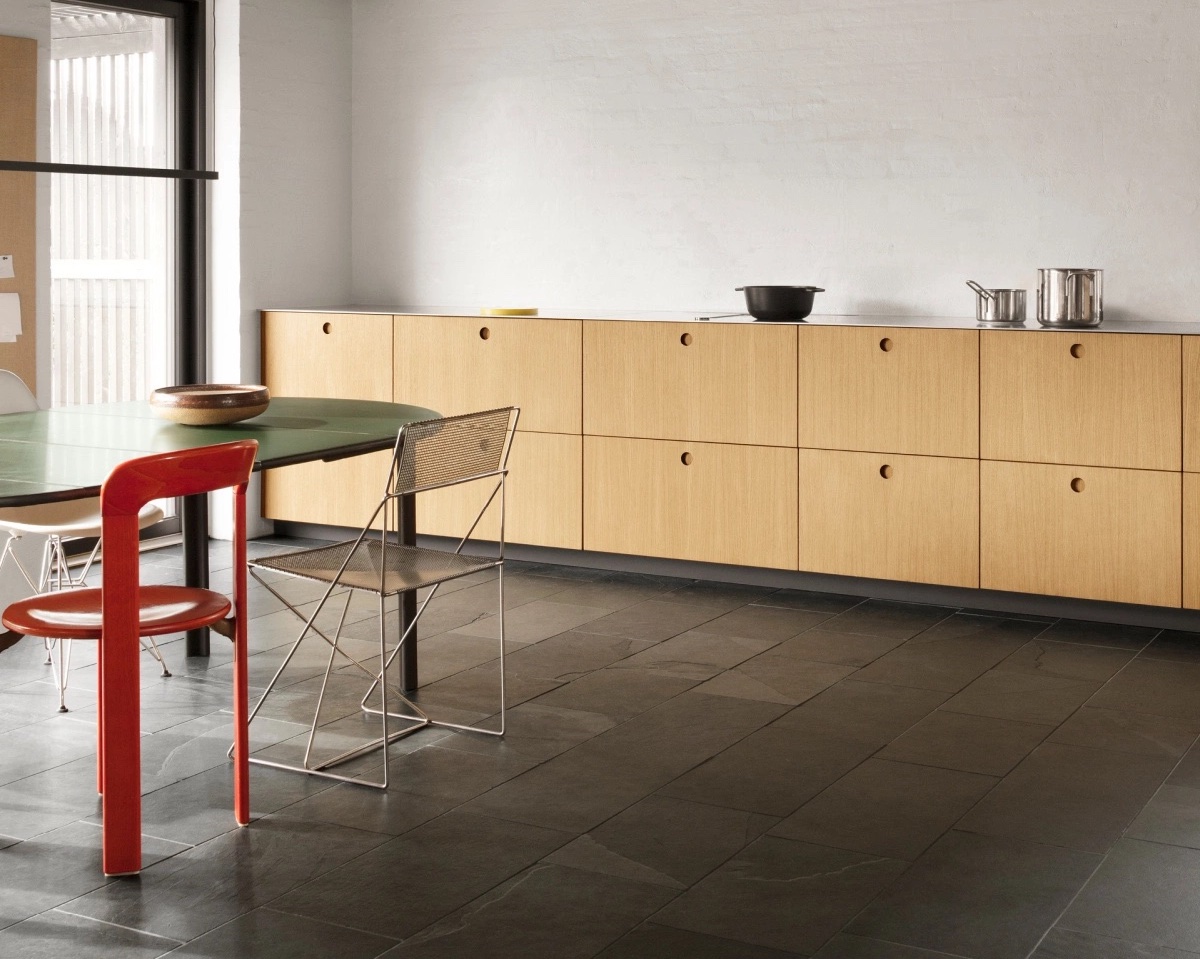
A kitchen does not have to look as though every cabinet graduated from the same matching set. One of the most appealing design shifts is bringing freestanding furniture into the roomespecially the humble sideboard. Once assigned to dining rooms and holiday china, the sideboard is now moonlighting as a coffee station, pantry, appliance garage, serving counter, baking center, and even a compact kitchen island.
The sideboard as kitchen storage trend works because it offers something conventional cabinetry sometimes lacks: personality. A vintage walnut buffet can warm up a white kitchen. A painted sideboard can introduce color without committing an entire wall to forest green. A narrow credenza can turn an unused stretch of wall into valuable storage. Best of all, the piece can move when your needsor your addresschange.
Freestanding kitchen furniture is not merely decorative. Designers and home publications increasingly highlight movable islands, hutches, consoles, and furniture-style cabinets as practical ways to gain prep space and storage without a full renovation.
What Does “Sideboard as Kitchen” Actually Mean?
A sideboard is traditionally a long, relatively low cabinet with a flat top, enclosed cupboards, shelves, or drawers. It was designed to store dishes and support food service in a dining room. The terms sideboard, buffet, and credenza are often used interchangeably, although their dimensions and details may differ.
Using a sideboard as part of the kitchen means assigning this furniture a working role rather than treating it as a display surface for one vase and seventeen objects nobody is allowed to touch. Depending on its height, construction, and location, a sideboard can become:
- A coffee or tea station
- A dry-goods pantry
- A baking-supply cabinet
- A breakfast bar
- A home beverage center
- A serving buffet
- A home for small appliances
- An auxiliary prep counter
- A narrow freestanding kitchen island
Sideboards are especially suited to these roles because their original purpose already involved storing tableware and holding food for serving. Modern models add adjustable shelves, soft-close doors, drawers, cable openings, and durable surfaces, making the transition from dining-room furniture to kitchen workhorse surprisingly natural.
Why the Sideboard Kitchen Trend Is Taking Off
It Breaks Up the “Wall of Cabinets” Look
Matching cabinets are efficient, but too much visual uniformity can make a kitchen feel more like a showroom than a lived-in room. A sideboard introduces legs, hardware, wood grain, decorative doors, or a contrasting finish. It creates the impression that the kitchen evolved over time instead of arriving in one giant cardboard box on Tuesday.
This furniture-style approach is particularly effective in open-concept homes. Because a sideboard resembles living- or dining-room furniture, it can visually connect the kitchen with adjacent spaces. Instead of drawing a hard line between “cooking zone” and “everything else,” it helps the rooms speak the same design language.
It Adds Storage Without a Major Remodel
Installing built-in cabinets can involve demolition, contractors, countertop fabrication, flooring repairs, and a budget that begins innocently before developing expensive hobbies. A freestanding sideboard can often be delivered, assembled, anchored, and organized in a weekend.
Homeowners have successfully used compact kitchen consoles and sideboards to store china, glassware, coffee supplies, wine, serving pieces, and entertaining essentials while freeing crowded countertops and cabinets.
It Works Well for Renters
Renters rarely want to spend thousands improving cabinetry they cannot take with them. A sideboard offers portable kitchen storage without permanently changing the space. It can conceal mismatched dinnerware in one apartment, become a television console in the next, and eventually retire as craft storage after surviving three moves and one questionable paint experiment.
It Makes Small Kitchens More Flexible
In a compact kitchen, a shallow sideboard can occupy a wall that is too narrow for deep base cabinets. Sliding or tambour doors are useful where swinging doors would block circulation. A movable piece can also be repositioned for parties, cleaning, or changing household needs.
Freestanding islands and carts are widely recommended for small kitchens because they add storage and work surface while generally costing less and occupying less space than a permanent island.
How to Choose the Right Sideboard for a Kitchen
Start With the Intended Job
Do not choose a sideboard solely because its doors are adorable. Adorable doors cannot compensate for shelves that are too short for your blender.
List exactly what the cabinet must hold. A coffee station needs room for mugs, beans, filters, a grinder, and possibly an electrical appliance. A baking center requires drawers for tools and deep shelves for mixing bowls, flour containers, and pans. A serving station benefits from a wide, uncluttered top and storage for platters, napkins, and flatware.
Measure the largest items before shopping. Pay attention to interior shelf depth, not just the overall dimensions shown in the product listing. Thick doors, decorative frames, and back panels can reduce usable space.
Check the Height
Standard kitchen counters are generally around 36 inches high. Many traditional sideboards are lower, often making them better for serving, storage, or beverage preparation than prolonged chopping. A low sideboard can still work beautifully, but preparing vegetables on it for an hour may leave your back submitting a formal complaint.
For a prep station, look for a taller buffet, kitchen console, worktable, or sideboard close to counter height. Another option is adding sturdy furniture feet or a thicker countertop, provided the base can safely support the modification.
Respect Kitchen Clearances
Measure the room with doors and drawers open. A handsome cabinet is less charming when opening it traps someone between the refrigerator and the recycling bin.
The National Kitchen and Bath Association recommends a work aisle of at least 42 inches for one cook, with more room appropriate for multiple cooks. A simple walkway may require less space, but the cabinet should never interfere with appliance doors, traffic routes, or safe movement around hot cookware.
Choose Practical Doors and Drawers
Drawers are ideal for flatware, measuring tools, towels, wraps, and small accessories. Enclosed cupboards hide visual clutter, while open shelves make frequently used dishes easier to grab. Glass doors look elegant but require discipline; they display heirloom plates and half-empty cereal bags with equal enthusiasm.
Adjustable shelves provide the most flexibility. Sliding doors, pocket doors, and tambour fronts are excellent for tight spaces because they do not swing into the aisle.
Inspect the Construction
A kitchen sideboard may carry stacks of dishes, cast-iron cookware, appliances, and countertop materials. Check the manufacturer’s weight limits when available. Examine the legs, joints, back panel, shelves, and top for movement or damage.
Vintage pieces deserve special attention. Look for loose veneer, active woodworm, mold, odors, unstable legs, swollen particleboard, or drawers that require the determination of an Olympic athlete. A beautiful antique may still be appropriate for linens and serving pieces even if it is not strong enough for a stone top or heavy mixer.
Best Ways to Use a Sideboard in the Kitchen
Create a Dedicated Coffee Station
A sideboard coffee bar is one of the easiest versions of this trend. Place the coffee maker and grinder on top, keep mugs in a nearby drawer or cabinet, and organize beans, tea, filters, sweeteners, and spoons inside.
Use a washable tray under appliances to catch drips. Leave enough ventilation around heat-producing equipment and follow appliance instructions. Avoid running cords across walkways or pinching them behind the furniture.
Build a Mini Pantry
Use opaque doors to hide pantry goods and reduce visual clutter. Group foods by purpose: breakfast items together, baking ingredients on one shelf, snacks in bins, and dinner staples in another area. Store heavy jars and appliances on lower shelves to improve stability.
Food containers should be easy to remove and clean. Avoid placing loose food directly against unfinished wood, old drawer liners, or surfaces that may absorb spills. A sideboard pantry works best for sealed dry goods rather than produce requiring ventilation or foods needing refrigeration.
Design an Appliance Garage
A sideboard can free the main countertops from mixers, slow cookers, blenders, and other bulky appliances. Before turning an enclosed cabinet into an operating appliance garage, however, verify ventilation, electrical access, heat clearance, and manufacturer requirements.
For many appliances, the safest routine is to store them inside and move them onto the open top before use. The cabinet gets the clutter; the appliance gets breathing room. Everyone wins, including the smoke alarm.
Use It as a Baking Center
Baking tools often consume several unrelated cabinets. A sideboard can gather flour, sugar, chocolate, decorating supplies, rolling pins, mixing bowls, pans, and measuring tools into one organized station.
Add drawer dividers, labeled containers, vertical pan organizers, and shelf risers. If the top is durable and comfortable to work at, place a large removable pastry board over it. This gives you a food-preparation surface without requiring dough to meet an unknown vintage finish.
Turn It Into a Narrow Island
A long sideboard can serve as a slim island when the room has adequate circulation. Finished backs are preferable because all sides will be visible. Add felt pads, locking casters designed for the cabinet’s weight, or a secure anti-slip base according to how mobile you want the piece to be.
A sideboard island is excellent for serving, storage, lunch packing, and light preparation. It is less suitable for sinks, cooktops, or built-in electrical equipment unless a qualified professional evaluates and modifies it. Plumbing and wiring are not the portion of the makeover where enthusiasm should outrank expertise.
Furniture-style islands and repurposed storage pieces have long been used to give kitchens additional workspace while preserving an unfitted, collected appearance.
How to Upgrade a Sideboard for Kitchen Duty
Add a More Durable Top
Wood, butcher block, stainless steel, quartz, and stone can all work, but the cabinet must support the material safely. Stone is extremely heavy and may require internal reinforcement. Butcher block provides warmth and can be refinished, while stainless steel creates a practical, professional look.
A removable worktop is often the simplest solution. A large cutting board, pastry slab, or fitted stainless-steel panel protects the original furniture while preserving flexibility.
Refresh the Finish
Paint can connect a mismatched sideboard to the existing kitchen. Deep blue, olive, muted red, black, and warm cream can create a furniture-like focal point. Natural wood offers contrast in kitchens dominated by painted cabinets.
Clean, repair, sand, and prime the piece appropriately before painting. Previously finished or vintage furniture may require extra precautions, especially if the age or composition of the coating is unknown. Keep decorative finishes away from direct food preparation unless the product is specifically suitable for that application.
Upgrade the Hardware
New knobs and pulls can make a thrifted cabinet feel intentional rather than rescued five minutes before trash collection. Match the kitchen hardware for continuity or choose a contrasting finish to emphasize the sideboard as a standalone piece.
Improve the Interior
Add shelf liner, drawer dividers, bins, hooks, plate racks, pullout baskets, or vertical dividers. Closed sideboards are particularly useful for storing items that make open shelving look chaotic, such as plastic containers, appliance accessories, and the mysterious collection of reusable water-bottle lids that fit nothing currently in the house.
Professional organizers generally recommend adjustable shelving, risers, and containers that make items visible and accessible rather than forcing users to move several stacks to reach one plate.
Safety and Cleaning Considerations
Anchor tall, narrow, top-heavy, or heavily loaded furniture when appropriate. This is especially important in homes with children or when drawers may be opened simultaneously. Use anchoring hardware suitable for the wall type and follow the manufacturer’s instructions.
Keep the sideboard away from direct heat, steam, and splashing unless its materials can tolerate those conditions. Wood furniture placed beside a dishwasher, sink, or range may swell, discolor, or deteriorate over time.
For food preparation, use a removable cutting board or another cleanable food-contact surface. Clean countertops and preparation areas with hot, soapy water, and sanitize cutting boards when needed to reduce cross-contamination.
Common Mistakes to Avoid
- Choosing style before function: Measure appliances, dishes, and storage containers before buying.
- Blocking traffic: Test the planned footprint with painter’s tape and open nearby doors.
- Using a fragile top for food prep: Protect decorative wood, veneer, and painted finishes.
- Overloading shelves: Heavy cookware can overwhelm furniture designed for linens and glassware.
- Ignoring moisture: Spills and steam can damage untreated wood and engineered materials.
- Operating hot appliances inside closed cabinets: Follow ventilation and clearance instructions.
- Overdecorating the top: Leave enough open surface for the cabinet’s actual job.
A sideboard should make the kitchen easier to use. If every coffee requires relocating a lamp, framed print, giant vase, and ornamental wooden chain, you have created a museum exhibit with caffeine nearby.
Experience Report: Living With a Sideboard Kitchen
The following is a composite example based on common small-kitchen layouts and homeowner storage projects rather than a claim of personal experience.
Week One: The Kitchen Suddenly Has Breathing Room
Imagine a 1960s sideboard placed along an empty wall in a modest apartment kitchen. Before it arrives, the main counter holds a coffee maker, toaster, blender, fruit bowl, mail pile, and one decorative plant fighting bravely for sunlight. The cabinets are technically full, although “organized” would be generous.
Once the sideboard is cleaned and anchored, the coffee maker and grinder move to the top. Mugs occupy the upper drawer. Coffee, tea, filters, and sweeteners go behind the left door. The right cabinet holds the blender, serving bowls, and small appliances used only occasionally.
The immediate improvement is not merely additional storage. The main counter becomes usable again. There is room to unpack groceries without balancing a bag of onions on the toaster. Preparing dinner feels calmer because the work zone no longer doubles as appliance parking.
Week Two: The Weaknesses Become Obvious
Daily use exposes details that were easy to overlook. The original top develops faint water rings beneath the coffee machine. One interior shelf is too low for the blender. A door swings directly into the path of anyone walking toward the refrigerator.
The solutions are small but important. A washable tray protects the top. The adjustable shelf moves upward. Frequently used items shift to the side with the easier door. The decorative bowl is relocated because it occupies prime real estate while contributing nothing except three wooden beads and an air of confidence.
This stage illustrates why a successful sideboard kitchen station should evolve around real routines. Initial styling matters, but function wins after the third rushed Monday morning.
Week Three: Organization Becomes More Specific
At first, the cabinet simply absorbs clutter. By the third week, categories begin to form. Coffee supplies remain together. Baking tools move into labeled bins. Tall pitchers occupy one shelf, and heavy appliances stay low. A drawer divider prevents measuring spoons, corkscrews, and reusable straws from forming their own tiny civilization.
The sideboard also changes entertaining. Instead of carrying every serving dish from a distant cabinet, platters and napkins are already near the dining area. During a casual dinner, the top becomes a buffet surface after the coffee equipment is moved to one end. Guests can serve themselves without joining the cook in the main work aisle.
Week Four: It Feels Like Part of the Architecture
After a month, the sideboard no longer looks like furniture temporarily parked in the kitchen. Repeated colors help it belong: brass pulls echo the faucet, a small lamp adds warm evening light, and a piece of art connects the cabinet finish with the dining chairs.
The most successful result is a balance between kitchen utility and furniture character. The sideboard does not imitate the built-in cabinets. It complements them. It introduces age, texture, and an informal feeling that a room assembled over time can be more interesting than a perfectly matched suite.
There are limitations. The cabinet cannot replace plumbing, ventilation, or purpose-built storage beside the range. Its lower height may not suit long prep sessions. The wooden top requires protection. Yet for coffee service, dishes, pantry goods, appliances, and entertaining supplies, it solves several problems without construction.
That is the practical appeal of the trend: a sideboard can deliver a noticeable kitchen upgrade without pretending to be a complete renovation. It is flexible, attractive, and surprisingly hardworkingrather like inviting a stylish dinner guest over and discovering they also know how to organize the pantry.
Conclusion
The sideboard as kitchen trend combines the charm of freestanding furniture with the storage demands of modern life. It can soften a room filled with built-in cabinetry, create a hardworking station in a rental, or rescue a small kitchen from countertop chaos.
Success depends on choosing the right dimensions, construction, height, doors, and interior layout. Protect decorative surfaces, maintain safe clearances, organize according to daily habits, and avoid modifications involving utilities unless qualified professionals are involved.
A sideboard will not replace every cabinet, and it does not need to. Its strength lies in being different: movable rather than permanent, expressive rather than perfectly matched, and adaptable enough to hold fine china one year and an air fryer the next.