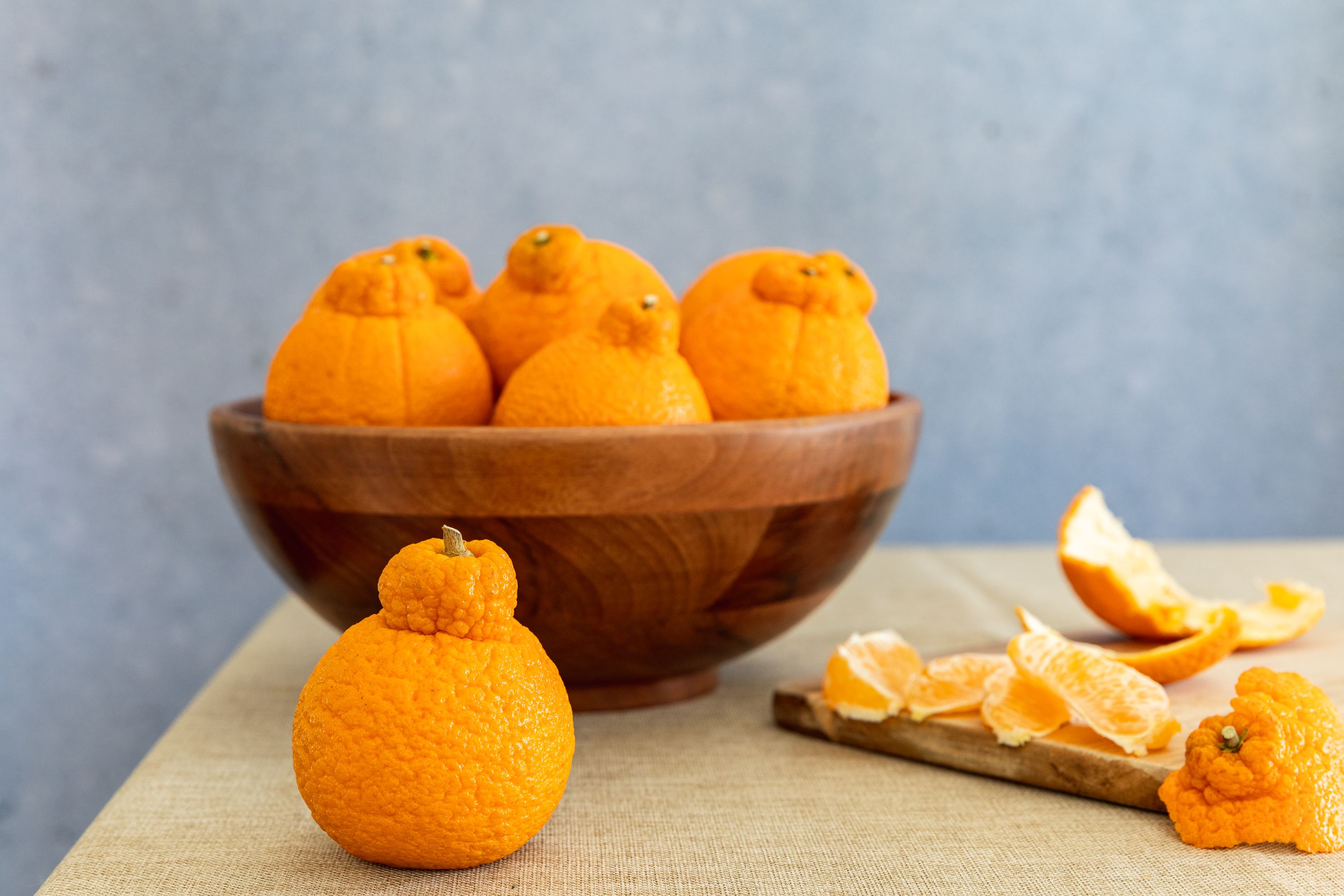
If winter had a mascot that didn’t involve snow boots, dry hands, or asking “Is it dark already?” at 4:45 p.m., it would probably be the Sumo orange. Big, bumpy, sweet, seedless, and charmingly topped with a little citrus “topknot,” Sumo Citrus has become the produce aisle’s seasonal celebrity. It does not sparkle, sing, or come with a fan club membership card, but judging by the way shoppers hunt for it every January, it might as well.
Known for its oversized shape, loose peel, juicy segments, and candy-like sweetness, the seasonal easy-peel Sumo orange is not your average grab-and-go citrus fruit. It is the fruit you buy “just to try,” then mysteriously find yourself discussing with friends as if you have joined a very wholesome snack-based secret society. One minute you are picking up lettuce. The next, you are carefully choosing a bumpy orange that looks like it has been wearing a tiny hat.
But what exactly makes Sumo oranges so special? Are they worth the higher price? How should you choose, store, and eat them? And why do they disappear so quickly after their short season ends? Let’s peel back the detailsfortunately, this fruit makes that part easy.
What Are Sumo Oranges?
Sumo oranges, often sold under the trademarked name Sumo Citrus, are a premium mandarin-style citrus fruit known for their large size, wrinkled skin, easy-to-remove peel, and sweet, juicy flesh. They are related to the Japanese citrus variety commonly known as Dekopon or Shiranui, a hybrid developed to combine the best qualities of several citrus types: the sweetness of mandarins, the seedless convenience of satsumas, and the satisfying size of oranges.
The result is a fruit that looks a little odd at first glance but tastes like someone asked citrus growers to create the “luxury SUV” of oranges: roomy, comfortable, high-performance, and slightly more expensive than expected. Its signature bump near the stem is often compared to a sumo wrestler’s topknot, which explains the memorable name.
Unlike some oranges that require fingernails, patience, or a tiny act of kitchen violence, Sumo oranges are famously easy to peel. The rind is thick but loose, allowing it to come away from the fruit without much effort. That makes them especially appealing for lunchboxes, office snacks, road trips, post-workout bites, and those moments when you want something sweet but do not want to negotiate with a sticky citrus rind.
Why Sumo Oranges Have Such a Devoted Fan Base
Every fruit has fans, but Sumo Citrus has followers. Part of the appeal is scarcity. These oranges usually appear during a limited winter-to-spring window, most commonly from January through April. When a food is only available for a few months, people tend to treat it like an event. Think pumpkin spice in fall, fresh peaches in summer, and Sumo oranges when winter needs a little sunshine.
The second reason is reliability. A good Sumo orange delivers intense sweetness, balanced acidity, and a soft, juicy texture. It is not just sweet in a flat, sugary way. The flavor has enough brightness to keep each segment refreshing. That balance is why many shoppers describe Sumos as less sharp than traditional oranges and more satisfying than standard mandarins.
The third reason is convenience. Seedless citrus with an easy peel is already a win. Add large segments, minimal mess, and a rind that practically gives up the moment you touch it, and you have a snack that feels engineered for modern life. It is the fruit equivalent of a zipper bag that actually seals on the first try.
When Is Sumo Citrus Season?
Sumo oranges are seasonal, and that is a major part of their charm. In the United States, they are most commonly available from January through April, though exact timing can vary depending on harvest conditions, region, and retailer. Some limited fall availability may appear in certain markets through Australian harvests, but the main U.S. excitement usually happens in winter and early spring.
This short season explains why fans get excited when Sumos return to stores. Unlike year-round staples such as bananas or standard navel oranges, Sumo Citrus has a brief window. If you see a display in January, February, or March, that is your invitation to grab a few before they vanish and leave you emotionally dependent on regular mandarins again.
Why Are Sumo Oranges More Expensive?
Yes, Sumo oranges often cost more than regular oranges, mandarins, or clementines. No, your grocery store is not necessarily trying to ruin your snack budget. The higher price comes from several factors: the fruit is difficult to grow, requires careful handling, has a limited season, and is cultivated to meet high quality standards.
Sumo Citrus trees can take years before producing market-ready fruit. The fruit itself is delicate and can bruise, so growers and distributors handle it carefully. Many are hand-picked and packed with attention to quality. The supply is also limited compared with more common citrus varieties, which naturally raises the price.
So are Sumo oranges worth it? For everyday juicing, probably not. You do not need premium citrus if the fruit is going straight into a blender with bananas, yogurt, and whatever frozen berry bag is haunting your freezer. But for fresh snacking, fruit boards, desserts, salads, and special seasonal treats, Sumo oranges absolutely earn their reputation.
How Sumo Oranges Taste Compared With Regular Oranges
A standard navel orange is sweet, juicy, and dependable. A clementine is small, bright, and lunchbox-friendly. A Sumo orange lands somewhere in between but turns the volume up. It is larger than most mandarins, easier to peel than many oranges, and typically sweeter with lower acidity than many traditional citrus options.
The flavor is rich and juicy, with a clean finish that does not leave the mouth feeling overly tart. Many people notice that the segments feel tender and plump, almost like the fruit is already doing half the chewing for you. The peel also comes off in satisfying pieces, making the experience feel less like peeling fruit and more like unwrapping nature’s snack-sized gift.
Best Flavor Notes
Expect a Sumo orange to taste intensely sweet, lightly tangy, fragrant, and refreshing. The sweetness is the main event, but the gentle acidity keeps it from becoming boring. That is why it works so well both as a snack and as an ingredient in recipes where citrus flavor needs to shine.
Nutritional Benefits of Sumo Oranges
Sumo oranges are not just popular because they are fun to peel. Like other citrus fruits, they provide vitamin C, water, natural carbohydrates, fiber, and small amounts of minerals such as potassium. A serving of orange sections can be a strong source of vitamin C, a nutrient the body uses for immune function, collagen formation, and antioxidant support.
They also contain dietary fiber, especially when eaten whole instead of juiced. Fiber helps make fruit more filling and supports digestion. This is one reason eating whole citrus is usually more satisfying than drinking a glass of juice. The fruit gives you sweetness, hydration, and texture in one neat package.
Of course, Sumo oranges are still fruit, not magic. They will not single-handedly fix your sleep schedule, organize your pantry, or make your inbox less terrifying. But as part of a balanced diet, they are a smart, naturally sweet snack with more nutritional value than many processed desserts.
How to Choose the Best Sumo Oranges at the Store
Choosing Sumo oranges is delightfully low-stress. Do not worry if the peel looks bumpy, wrinkled, or slightly loose. That is part of the fruit’s personality, not a defect. In fact, the loose rind is one of the reasons Sumos are so easy to peel.
Look for fruit that feels heavy for its size. Heaviness usually suggests juiciness. The skin should be bright orange and free from major soft spots, mold, or deep bruises. A little uneven texture is normal. A topknot bump is normal. Looking like a tiny citrus planet with a mountain on top is also normal.
Quick Buying Checklist
- Choose fruit that feels heavy and firm with slight give.
- Avoid deeply soft, mushy, or moldy areas.
- Do not reject wrinkled or bumpy skinit is expected.
- Buy during peak season for better flavor and availability.
- Compare loose fruit and bagged options if price matters.
How to Store Sumo Oranges
For short-term snacking, Sumo oranges can sit at room temperature for a few days, especially if your kitchen is cool and dry. If you want them to last longer, store them in the refrigerator. Cool storage helps preserve freshness and reduce spoilage.
Airflow matters. Avoid sealing citrus in airtight plastic bags where moisture can build up. A mesh produce bag, open container, or breathable refrigerator drawer setup is better. Keep the fruit dry until you are ready to eat it, since extra moisture can encourage mold.
If you buy a large bag, check it every few days. One soft fruit can quietly sabotage the rest like a tiny orange villain. Remove any damaged pieces quickly and keep the others well ventilated.
Best Ways to Eat Sumo Oranges
The simplest way to eat a Sumo orange is also the best: peel it, separate the segments, and enjoy. This fruit does not need a dramatic recipe to prove itself. It is already doing the most, and honestly, we respect that.
Still, Sumo oranges can bring sweetness and brightness to many dishes. Their juicy segments work beautifully in salads, grain bowls, yogurt parfaits, desserts, and savory sauces. The juice can brighten vinaigrettes, marinades, glazes, and mocktails. The zest can add fragrance to baked goods, oatmeal, pancakes, and roasted vegetables.
Easy Sumo Citrus Recipe Ideas
Sumo Citrus Salad: Toss Sumo segments with arugula, avocado, toasted almonds, feta, and a light citrus vinaigrette. The sweet fruit balances peppery greens and salty cheese beautifully.
Breakfast Yogurt Bowl: Add Sumo segments to Greek yogurt with granola, chia seeds, and a drizzle of honey. It tastes like sunshine showed up early and brought toppings.
Simple Citrus Salsa: Combine chopped Sumo orange, red onion, cilantro, jalapeño, lime juice, and a pinch of salt. Serve with grilled chicken, fish, tacos, or roasted sweet potatoes.
Sumo Citrus Mocktail: Mix fresh Sumo juice with sparkling water, mint, and a splash of lime. It is festive without trying too hard.
Chocolate-Dipped Segments: Dip dry Sumo segments halfway into melted dark chocolate, chill until set, and sprinkle with flaky salt. This is how fruit becomes dessert without needing a five-page recipe.
Are Sumo Oranges Good for Kids and Families?
Sumo oranges are especially family-friendly because they are easy to peel, usually seedless, and naturally sweet. Kids who resist regular oranges may enjoy the larger segments and lower-mess peel. Parents may appreciate that the fruit feels like a treat while still being a whole-food snack.
They are also great for lunchboxes, as long as the segments are packed in a sealed container. For younger children, separate the segments ahead of time. For older kids, the easy peel can make the fruit feel independent and fun. Any snack that encourages kids to eat fruit without a motivational speech deserves applause.
Sumo Oranges vs. Clementines vs. Navel Oranges
Sumo oranges, clementines, and navel oranges all belong to the citrus family, but they serve slightly different snack moods. Clementines are small, affordable, and convenient. Navel oranges are classic, versatile, and widely available. Sumo oranges are seasonal, premium, oversized, and extra sweet.
If you want an everyday budget fruit, clementines are practical. If you want a familiar orange for slicing or fruit salad, navels are reliable. If you want a special seasonal snack that feels like a little produce aisle event, Sumos are the winner.
Why Sumo Oranges Are Perfect for Winter
Winter eating can get heavy. Soups, casseroles, roasted dishes, and cozy baked goods all have their place, but sometimes your taste buds need a bright little wake-up call. Sumo oranges arrive at exactly the right moment, bringing juicy sweetness when seasonal produce can otherwise feel a bit beige.
Their timing also makes them useful during cold-weather months when many people look for vitamin C-rich foods. While no fruit can guarantee perfect health, citrus is a refreshing way to add more produce to the day. A Sumo orange after lunch can feel more exciting than another cookie and less tragic than pretending celery sticks are dessert.
Common Mistakes to Avoid
The first mistake is waiting too long. Because the season is short, delaying your purchase can mean missing the best fruit or paying more when supply tightens. If you see Sumos in good condition during peak season, grab a few.
The second mistake is using them only for juice. While the juice is delicious, Sumo oranges are best appreciated whole because of their texture, segments, and easy peel. Juicing them also removes some of the fiber that makes whole fruit satisfying.
The third mistake is storing them in a sealed, damp bag. Citrus likes cool air circulation. Give your Sumos room to breathe, and they will reward you by staying fresh longer.
Final Thoughts: Are Seasonal Easy-Peel Sumo Oranges Worth Trying?
Yesseasonal easy-peel Sumo oranges are absolutely worth trying, especially if you love sweet citrus fruit. They are not the cheapest orange in the produce aisle, but they offer a memorable combination of flavor, convenience, and seasonal excitement. Their loose peel, seedless segments, juicy texture, and big sweet flavor make them one of the most enjoyable winter fruits available in the United States.
Think of Sumo oranges as a seasonal splurge, not an everyday necessity. Buy a few during peak season, enjoy them fresh, use them in bright recipes, and store them properly if you stock up. They are cheerful, delicious, and just unusual enough to make grocery shopping feel slightly more interesting. That is a lot of work from a fruit with a funny hat.
Experience Notes: What It Feels Like to Actually Eat Sumo Oranges in Season
The first time you bring home a Sumo orange, the experience usually begins with mild suspicion. It is bigger than a mandarin, bumpier than a regular orange, and shaped like it was designed by someone who believed fruit needed more character development. You place it on the counter, look at the topknot, and wonder whether you bought a snack or adopted a tiny citrus mascot.
Then you peel it. This is where Sumo Citrus wins people over. The rind comes off with almost comic ease. No sticky battle. No scraping pith from under your nails. No juice spraying sideways like the orange is defending itself. The peel releases cleanly, and suddenly the fruit opens into plump, glossy segments that look much more elegant than the outside suggested. It is a classic “don’t judge a fruit by its peel” moment.
The first bite is usually the deal-maker. A good Sumo orange tastes intensely sweet but still fresh. It does not have the harsh sour edge that sometimes shows up in standard oranges. It feels juicy without being watery, bright without being sharp, and rich without being heavy. The segments are large enough to feel satisfying, which makes the fruit more like a snack and less like something you accidentally finish in four seconds.
One of the best real-life uses for Sumo oranges is the afternoon slump. Around 3 p.m., when coffee sounds risky and a candy bar sounds persuasive, a cold Sumo orange from the fridge feels surprisingly luxurious. It wakes up your mouth, gives you natural sweetness, and makes you feel like you made a responsible choice without having to eat something that tastes like responsibility.
They are also excellent for sharing, although sharing can become complicated. Because Sumo oranges are large and segmented, they seem perfect for splitting with someone else. But after one bite, generosity may become a philosophical challenge. You may find yourself offering “just one segment” with the emotional restraint of someone protecting treasure. This is normal. Citrus loyalty can be intense.
In recipes, the experience is equally rewarding. Add Sumo segments to a salad, and suddenly basic greens feel restaurant-worthy. Mix the juice into a vinaigrette, and roasted vegetables taste brighter. Pair the fruit with dark chocolate, and it becomes a dessert that looks fancy but takes almost no effort. The peel even brings a fragrant citrus aroma to the kitchen, which is helpful if your home currently smells like reheated leftovers or wet winter coats.
The only real downside is the short season. Once you get used to Sumo oranges, ordinary citrus can feel a little less exciting. That is why many fans buy them while they can, store them carefully, and treat the season like a delicious countdown. They are not just oranges; they are a small winter ritual. And honestly, winter could use more rituals that involve sunshine-colored fruit and fewer rituals involving missing gloves.
Conclusion
Seasonal easy-peel Sumo oranges are a must-try sweet citrus fruit because they combine convenience, flavor, and limited-time excitement in one cheerful package. They are easy to peel, usually seedless, wonderfully juicy, and naturally sweet enough to feel like a treat. Whether eaten straight from the fridge, added to salads, used in mocktails, or dipped in chocolate, Sumo Citrus brings a bright burst of winter sunshine to everyday eating.