Note: This article synthesizes current information from reputable U.S. medical and orthopedic sources, including AAOS OrthoInfo, Mayo Clinic, Cleveland Clinic, Hospital for Special Surgery, AAHKS, FDA patient guidance, UChicago Medicine, and peer-reviewed NIH-indexed research.
Robotic assistants have officially entered the operating room, and no, they are not wearing tiny scrubs or asking the surgeon if they have tried turning the hip off and on again. In modern orthopedic care, robotic-assisted joint surgery refers to advanced computer-guided systems that help surgeons plan and perform joint replacement procedures with impressive precision. These systems are most often used in knee and hip replacements, including total knee replacement, partial knee replacement, and total hip replacement.
The key phrase is “assistants.” Robots do not replace orthopedic surgeons. They do not make independent decisions, choose implants, or go rogue like a sci-fi movie with a medical degree. Instead, robotic technology gives surgeons better planning tools, real-time feedback, and a highly controlled way to prepare bone and position implants. The surgeon remains in charge from the first incision to the final closure.
As joint pain from arthritis, injury, and age-related wear affects millions of Americans, robotic-assisted joint replacement has become a major topic for patients who want relief, mobility, and a smoother return to daily life. But is robotic surgery automatically better? Who is a good candidate? What are the real benefits, and what is mostly marketing sparkle? Let’s unpack the topic carefully, with both enthusiasm and a healthy dose of common sense.
What Are Robotic Assistants in Joint Surgery?
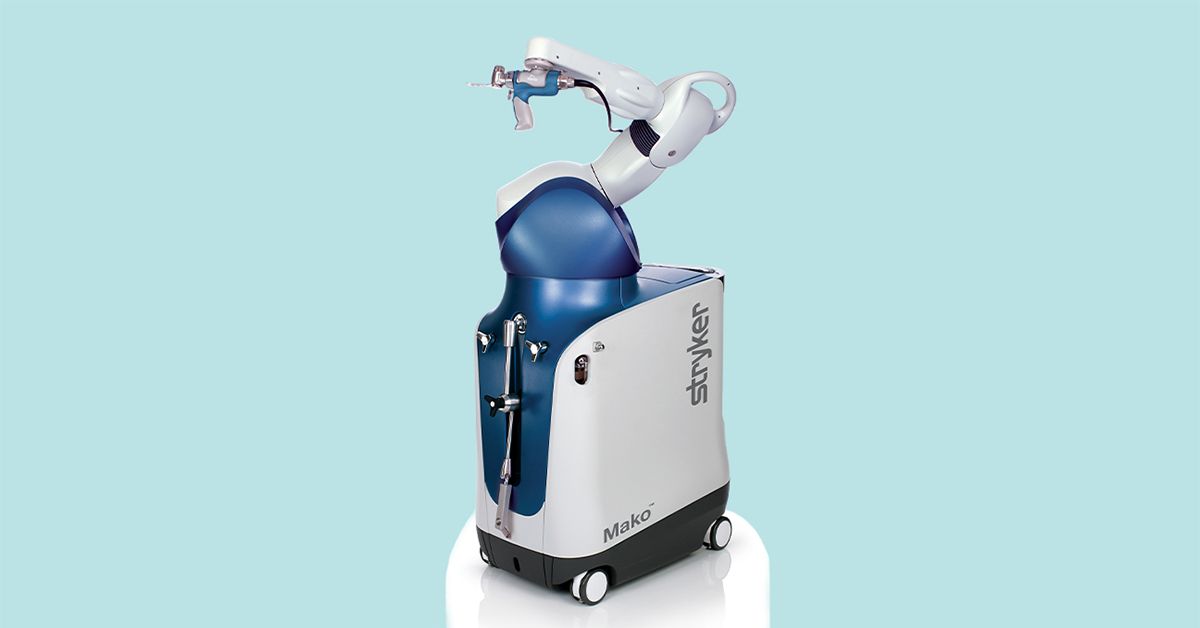
Robotic assistants in joint surgeries are computer-assisted surgical systems designed to help orthopedic surgeons plan and execute procedures more accurately. They may use CT scans, X-rays, 3D modeling, infrared tracking, navigation software, robotic arms, or handheld robotic tools. The exact technology depends on the system and the type of joint replacement being performed.
In many robotic-assisted knee and hip procedures, imaging is used before surgery to create a detailed digital model of the patient’s joint. This allows the surgeon to study the patient’s anatomy, evaluate damaged bone and cartilage, select implant size, and plan the placement angle before entering the operating room. During surgery, the robotic system helps the surgeon follow that plan with real-time guidance.
Some systems provide tactile feedback, often described as a “haptic boundary.” In plain English, the robot helps keep surgical instruments within a planned safe zone. Think of it like lane assist in a car: the driver still drives, but the technology helps keep the vehicle from drifting where it should not go.
How Robotic-Assisted Joint Replacement Works
Step 1: Preoperative Planning
The process often begins before surgery with advanced imaging. A CT scan or specialized X-ray series may be used to map the joint. The surgeon reviews this digital model and creates a plan for bone preparation, implant size, and implant alignment. This planning stage is one of the biggest differences between robotic-assisted surgery and traditional manual techniques.
Step 2: Real-Time Surgical Guidance
During surgery, sensors and tracking tools help the robotic system recognize the patient’s anatomy. If the knee or hip shifts slightly, the system can update the surgeon’s view. This is helpful because real bodies are not perfectly symmetrical textbook diagrams. Human anatomy likes to improvise.
Step 3: Precise Bone Preparation
In joint replacement, the surgeon removes damaged bone and cartilage and prepares the surface for an artificial joint implant. Robotic systems can help guide this step so the surgeon removes enough damaged tissue without taking more healthy bone than necessary. Mayo Clinic notes that robotic orthopedic surgery can assist with more precise alignment and placement of artificial joint components, particularly in partial knee replacement and total hip replacement.
Step 4: Implant Positioning and Balance
Implant alignment matters. A joint replacement is not simply “put metal and plastic where pain used to live.” The artificial components must work with the patient’s ligaments, muscles, and natural movement pattern. Robotic assistance can help the surgeon adjust implant position and evaluate joint balance during the procedure. Hospital for Special Surgery explains that robotic surgical arms can help surgeons maximize precision and individualization in hip and knee replacement surgery.
Common Joint Surgeries Using Robotic Assistance
Robotic Knee Replacement
Robotic knee replacement is one of the most common uses of orthopedic robotics. It may be used for total knee replacement, where the entire damaged knee joint is replaced, or partial knee replacement, where only one damaged compartment is resurfaced. Partial knee replacement can be especially dependent on precise placement because the remaining natural knee structures must continue working smoothly with the implant.
Hospital for Special Surgery states that almost anyone who is a candidate for a first-time knee replacement may be considered for robotic knee replacement, though revision or redo knee replacements are more limited.
Robotic Hip Replacement
Robotic-assisted total hip replacement helps surgeons plan cup position, leg length, offset, and implant orientation. These details affect hip stability, mobility, and comfort. The hip may look like a simple ball-and-socket joint, but anyone who has ever tried assembling furniture without instructions knows that “simple” can become suspiciously complicated.
For hip replacement, robotic systems may help reduce the chance of implant malposition, which can contribute to problems such as instability, uneven leg length, or abnormal wear. Research continues to evaluate whether these technical improvements consistently translate into better long-term patient outcomes.
Shoulder, Ankle, and Other Joints
Knees and hips dominate the conversation, but robotic and computer-assisted technologies are gradually expanding into other orthopedic areas. Shoulder replacement, spine procedures, and trauma surgery may also use navigation or robotic assistance in selected settings. However, adoption varies widely by hospital, surgeon training, equipment availability, and clinical evidence.
Benefits of Robotic Assistants in Joint Surgeries
Greater Precision
The most commonly discussed advantage is precision. Robotic-assisted systems can help surgeons follow a detailed plan, control bone cuts, and place implants accurately. AAOS OrthoInfo describes robotic-assisted joint replacement as combining three-dimensional planning before surgery with real-time computer navigation during surgery.
Personalized Surgical Planning
Every patient’s anatomy is different. Some knees bow inward. Some hips have unusual angles. Some joints look like they have been negotiating with arthritis for twenty years and lost badly. Robotic planning allows the surgeon to tailor the procedure to the patient’s actual anatomy instead of relying only on standard measurements.
Potential for Better Implant Alignment
Correct implant alignment can affect how the artificial joint feels, moves, and wears over time. Robotic assistance may help surgeons achieve planned alignment more consistently. This does not guarantee a perfect result, but it can reduce some variables that make joint replacement technically challenging.
Improved Soft-Tissue Balance
A successful joint replacement is not just about bones and implants. Ligaments and soft tissues must be balanced so the joint feels stable. AAHKS emphasizes that robotics are tools that provide information and aid precise bone cuts, but successful arthroplasty still requires surgeon skill in soft-tissue balancing and ligament protection.
Possibly Faster Early Recovery
Some patients may experience less early pain, reduced swelling, or a faster start to physical therapy when robotic systems help preserve healthy tissue and improve surgical accuracy. UChicago Medicine notes that robotic technology may reduce recovery time and minimize swelling and pain, although recovery varies by patient.
Limitations and Realistic Expectations
Robotic-assisted joint surgery is exciting, but it is not magic. It cannot reverse every health issue, erase decades of joint damage overnight, or make physical therapy optional. If your knee has been arguing with stairs for ten years, the robot may help the surgeon, but it will not do your rehab exercises for you. Rude, but true.
The Surgeon Still Matters Most
Technology is only as good as the team using it. A skilled orthopedic surgeon understands anatomy, implant selection, soft-tissue balance, complication management, and patient-specific goals. The robot provides data and guidance; the surgeon provides judgment.
Not Every Patient Needs Robotic Surgery
Some patients do very well with traditional joint replacement. Manual joint replacement has decades of successful outcomes behind it. Robotic-assisted surgery may be valuable, but it is not automatically required for every knee or hip replacement.
Costs and Access Can Vary
Robotic systems are expensive, and not every hospital or surgery center has them. Insurance coverage may depend on the procedure, facility, surgeon, and policy details. Patients should ask whether robotic assistance changes out-of-pocket costs.
Operative Time and Learning Curve
Some robotic procedures may take longer, especially while a surgical team is gaining experience with the system. Over time, experienced teams may become more efficient. Still, a smooth robotic program requires training, coordination, and careful patient selection.
Evidence Is Promising but Still Evolving
Research shows robotic-assisted joint replacement can improve technical accuracy, especially implant positioning and alignment. However, studies comparing long-term outcomes with conventional surgery are still developing. Some research finds early benefits in satisfaction, pain, or function, while other studies show similar results between robotic and manual techniques after recovery. Cleveland Clinic researchers, for example, compared robot-assisted and manual total knee replacement outcomes and reported that results can be similar in some patient groups.
Who May Be a Good Candidate?
A good candidate for robotic-assisted joint surgery is usually someone who already qualifies for joint replacement because of severe arthritis, joint damage, pain, stiffness, reduced mobility, and failure of conservative treatments such as medication, injections, weight management, or physical therapy. The robotic part is not the reason for surgery; it is a tool that may improve how the surgery is planned and performed.
Patients may be interested in robotic-assisted surgery if they want a highly personalized surgical plan, have anatomy that may benefit from advanced planning, or are undergoing partial knee replacement or hip replacement where implant positioning is especially important.
However, candidacy depends on many factors, including bone quality, deformity severity, previous surgeries, medical conditions, infection risk, and surgeon recommendation. The FDA advises patients to discuss the risks and benefits of robotically assisted surgery, as well as other treatment options, with their physician.
Questions Patients Should Ask Before Robotic Joint Surgery
Patients should feel comfortable asking practical questions before surgery. A good surgeon will not be offended. In fact, if your doctor gets annoyed by reasonable questions, that is not a vibe anyone ordered.
- Am I a good candidate for robotic-assisted joint replacement?
- How many robotic procedures have you performed?
- What benefits do you expect in my specific case?
- Will the robotic system require a CT scan or additional imaging?
- Does robotic assistance affect cost or insurance coverage?
- What are the risks compared with traditional joint replacement?
- What will recovery and physical therapy look like?
Recovery After Robotic-Assisted Joint Replacement
Recovery after robotic-assisted joint surgery still follows the basic rules of joint replacement recovery: manage pain, reduce swelling, protect the incision, begin safe movement, attend physical therapy, and gradually rebuild strength. The robot may help with surgical precision, but recovery depends heavily on the patient’s health, motivation, support system, and rehab plan.
Many knee and hip replacement patients begin walking with assistance shortly after surgery. Some go home the same day or after a short hospital stay, depending on the procedure and their health. Physical therapy helps restore range of motion, strength, balance, and confidence. The first few weeks can be uncomfortable, but steady progress matters more than superhero behavior.
Patients should avoid comparing their recovery to someone else’s. One person may be walking around the block quickly, while another needs more time to manage swelling or stiffness. Healing is not a race; it is more like a group project where your muscles, bones, nerves, and patience all have to show up.
Robotic Surgery vs. Traditional Joint Replacement
Traditional joint replacement is not outdated. Excellent surgeons have performed successful hip and knee replacements for decades without robotic systems. Many patients have long-lasting implants and major pain relief from conventional procedures.
The difference is that robotic-assisted surgery may add more data, planning, and mechanical guidance. It can help reduce variation in bone cuts and implant placement. For some patients, that may mean improved joint balance, more natural movement, or fewer early complications. For others, the final outcome may be very similar to a well-performed manual surgery.
The best question is not “Is robotic surgery better?” The better question is “Is robotic-assisted surgery beneficial for my joint, my anatomy, my surgeon’s experience, and my goals?” That question gets much closer to a useful answer.
The Future of Robotic Assistants in Orthopedics
The future of robotic joint surgery will likely include better imaging, smarter planning software, improved implant customization, and more data-driven recovery tracking. Artificial intelligence may help surgeons analyze thousands of prior cases to predict implant sizing, alignment targets, and risk factors. Wearable sensors may help track recovery after surgery and identify when patients need extra support.
Still, the future should remain patient-centered. The goal is not to make surgery look futuristic. The goal is to reduce pain, improve mobility, protect safety, and help people return to real life: walking the dog, climbing stairs, gardening, traveling, dancing badly at weddings, and getting out of chairs without making dramatic sound effects.
Experiences Related to Robotic Assistants and Joint Surgeries
People often describe the decision to have robotic-assisted joint surgery as a mix of hope, fear, curiosity, and “please let me walk through the grocery store without scouting benches like a tired detective.” For many patients, the journey begins long before the operating room. It starts with small compromises: taking elevators instead of stairs, skipping long walks, avoiding favorite hobbies, or pretending that knee pain is “not that bad” while making the face of someone who absolutely knows it is that bad.
One common experience is the surprise patients feel when they learn the robot is not actually performing the surgery alone. Many imagine a fully automated machine hovering over the table like a mechanical chef preparing a very expensive knee sandwich. In reality, the surgeon controls the procedure. The robotic assistant provides guidance, boundaries, measurements, and feedback. Once patients understand this, many feel more comfortable because the technology sounds less like science fiction and more like a highly advanced GPS for orthopedic precision.
Another frequent experience is the pre-surgery planning conversation. Patients may see 3D images or hear the surgeon explain how implant size and placement are selected. This can make the procedure feel more personalized. Instead of “we replace knees,” the message becomes “we are planning your knee replacement around your anatomy.” That difference can be reassuring, especially for patients who worry they are just another name on the schedule.
After surgery, many patients focus less on the robot and more on practical milestones. Can they stand? Can they walk to the bathroom? Can they bend the knee? Can they sleep without turning the bed into a wrestling ring of pillows? The early recovery period can still be challenging. Robotic assistance may help with precision, but swelling, soreness, fatigue, and physical therapy remain part of the process. A realistic patient is often a happier patient because they understand that advanced technology does not cancel biology.
Family members also experience the process. They may be impressed by the technology but more concerned about safety, pain control, and how quickly their loved one can return to normal routines. Clear communication helps. When surgeons explain that robotic systems are toolsnot replacements for expertisefamilies often feel more confident. They also appreciate knowing what to expect during the first days at home, including mobility aids, medication schedules, incision care, and therapy appointments.
Some patients report feeling motivated by the idea that their surgery was carefully mapped and guided. That motivation can matter during rehab. Physical therapy requires effort, and there are days when enthusiasm leaves the building wearing sunglasses and a fake mustache. Remembering the purpose of the surgeryto regain movement and reduce paincan help patients stay consistent.
The most meaningful experiences are usually not about the robot itself. They are about returning to ordinary life. Walking through a park. Standing at a grandchild’s game. Traveling without fear of airport terminals. Cooking dinner without needing to sit every five minutes. Robotic assistants may be technologically impressive, but their greatest value is human: helping surgeons restore movement so patients can reclaim moments that pain slowly stole.
Conclusion
Robotic assistants are changing joint surgeries by giving orthopedic surgeons better planning tools, real-time feedback, and more precise ways to place implants. They are especially useful in knee and hip replacement, where alignment, balance, and individualized planning can affect comfort and function. However, robotic-assisted joint surgery is not a miracle shortcut. It is a powerful tool that works best when paired with an experienced surgeon, careful patient selection, and a committed recovery plan.
For patients considering joint replacement, the smartest approach is to ask informed questions, compare options, and focus on personal goals. The robot may be impressive, but the real success story is not the machine. It is the patient who moves better, hurts less, and gets back to living with fewer negotiations between their joints and gravity.