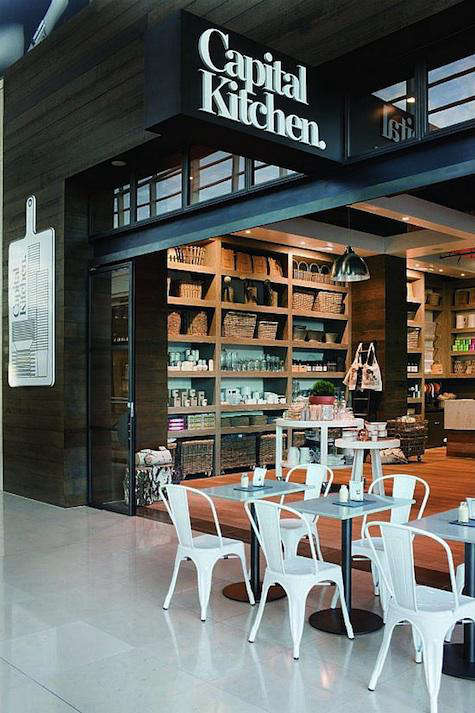
Melbourne does not play around when it comes to cafés. This is a city where ordering coffee can feel like a tiny oral exam, brunch is practically a civic ritual, and a “quick bite” can easily turn into a 90-minute conversation about sourdough, lighting, and whether the flat white has enough backbone. Somewhere in that deliciously serious food landscape sits the story of Capital Kitchen in Melbourne, a café-restaurant name associated with stylish shopping-center dining, good coffee, casual Australian food, and the kind of bustling atmosphere that makes you check your phone, your shopping bags, and your appetite at the same time.
Capital Kitchen became best known through its Chadstone Shopping Centre presence, where it was tied to The Big Group, the Melbourne hospitality company founded by Bruce and Chyka Keebaugh. The Chadstone venue opened in 2010 and was described as a large-scale café concept that redefined shopping-center dining for hundreds of guests. Later, Capital Kitchen was also associated with Malvern Central, giving the brand a neighborhood-café identity beyond the grand fashion-mall stage.
Important note for readers: public listings for Capital Kitchen are mixed. Some historical listings describe its Chadstone and Malvern Central locations, while newer directory-style listings indicate that the Malvern Central location may be permanently closed. Before planning a real visit, check the latest opening status, hours, and location details directly through current maps, social profiles, or the shopping center. This article is written as a restaurant-visit style review and guide based on real historical information, public reviews, and Melbourne café culture.
Why Capital Kitchen Stood Out in Melbourne’s Café Scene
Capital Kitchen was never just another place to grab a sandwich while trying to remember where you parked. Its appeal came from the idea that shopping-center food could be polished, design-conscious, and genuinely enjoyable. Instead of the usual “eat fast and flee” food-court energy, the Chadstone version leaned into a more curated atmosphere: open space, communal tables, rustic textures, a provedore-inspired feel, and a menu built around breakfast, lunch, brunch, coffee, salads, sandwiches, and casual Australian café dishes.
That matters because Melbourne diners notice details. In some cities, a café can survive on caffeine and optimism. In Melbourne, the coffee has to be good, the room has to make sense, the food needs freshness, and the service must keep up with people who are either shopping, meeting friends, feeding kids, or doing all three while carrying a dangerously large department-store bag.
The First Impression: Bright, Busy, and Very Melbourne
A visit to Capital Kitchen, especially in its Chadstone era, would likely begin with scale. This was not a tiny laneway espresso bar with four stools and a barista who looked like he had personally negotiated with the beans. It was more open and accessible, designed for movement, groups, families, and shoppers. The atmosphere leaned lively rather than hushed. Translation: not the place to write a tragic novel in silence, but very suitable for brunch before buying shoes you swear are “practical.”
Reviews over the years often described the venue as buzzy, efficient, and family-friendly, though not always quiet. That is part of the shopping-center café bargain. You get convenience, broad appeal, easy seating, and a menu that can satisfy several moods. In exchange, you may also get prams, shopping bags, clinking plates, and a background soundtrack of someone debating whether a jacket is “too beige.”
Food and Drink: Coffee, Brunch, and Casual Australian Comfort
The heart of Capital Kitchen’s reputation rested on café staples: coffee, breakfast, brunch, sandwiches, salads, toasties, burgers, and simple lunch plates. Public reviews mention dishes such as smashed avocado with eggs, pumpkin and salad sandwiches, ham and cheese toasties, toasted chicken wraps, salads, cakes, cookies, and flathead fish dishes. That range tells you the concept clearly: approachable, fresh, flexible, and designed for people who want something better than a rushed snack but not as formal as a three-course restaurant meal.
The Coffee Test
In Melbourne, coffee is not a beverage. It is a personality assessment. Capital Kitchen generally earned positive mentions for coffee, with reviewers describing it as good, hot, quick, and reliable. For a shopping-center café, that reliability is a big advantage. You may not be sitting in a hidden laneway roastery, but you still want a cappuccino or flat white that tastes like someone cared.
The best way to approach a Capital Kitchen-style visit is to treat coffee as the anchor. Order a flat white, latte, long black, or chai, then build the meal around it. A toasted sandwich and coffee combo makes sense for a quick stop. A salad, eggs, or brunch plate works better if you are settling in before a longer shopping mission.
Breakfast and Brunch Favorites
Breakfast and brunch appear to have been central to Capital Kitchen’s appeal. Dishes like smashed avocado and eggs fit neatly into Melbourne’s café language: fresh, satisfying, colorful, and just fancy enough to make toast feel like an event. This is the kind of food that works for travelers, locals, families, and office workers because it does not require decoding. You know what you are getting, but the setting and execution make it feel like a proper outing.
Lunch Without the Drama
Lunch at Capital Kitchen leaned practical. Sandwiches, wraps, salads, burgers, and lighter plates made it suitable for people who needed fuel rather than a culinary dissertation. A pumpkin and salad sandwich, for example, sounds simple, but in a good café it can hit the sweet spot: fresh bread, soft roasted vegetables, crisp greens, and enough flavor to keep lunch from becoming a tragic desk snack.
The same goes for a toasted chicken wrap or ham and cheese toastie. These are not dishes that shout. They nod politely, do the job, and leave you with enough energy to continue your day. In a city full of ambitious menus, there is still something satisfying about a café that understands the power of well-made basics.
Service and Atmosphere: Efficient, Casual, and Sometimes Noisy
Capital Kitchen’s service reputation appears mixed but generally centered on efficiency. Some diners praised quick ordering, neat staff, clean tables, and fast coffee. Others felt the space could be noisy or that service could slow down during busy periods. That is believable for a café placed inside high-traffic retail environments. Timing matters.
If you want the best version of a Capital Kitchen-style experience, visit outside peak lunch hours. Mid-morning can be ideal: the breakfast rush has softened, lunch has not fully arrived, and the coffee machine is still singing. Early afternoon is also a smart window if you want cake, coffee, and breathing room.
Who Would Enjoy Capital Kitchen?
Capital Kitchen is best suited to diners who like relaxed café food in a polished but casual setting. It is not the obvious choice for a romantic anniversary dinner unless your love language is “I found us a clean table near David Jones.” But for brunch, coffee, a family meal, a shopping break, or a casual catch-up, it makes sense.
Good For Families
The café’s open shopping-center format made it convenient for families. Highchairs and accessible seating were mentioned in some listings, and casual menus usually make life easier when children are involved. Still, families should expect the usual public-café balancing act: active kids, crowded tables, and other diners who may be operating on one espresso and limited patience.
Good For Shoppers
Capital Kitchen’s Chadstone identity was especially strong because Chadstone is not just a mall; it is practically a retail weather system. A café inside that environment needs to provide comfort, speed, and a touch of style. Capital Kitchen did that by offering a more refined pause between stores.
Good For Casual Catch-Ups
For friends meeting over coffee, Capital Kitchen offered the right ingredients: accessible location, familiar food, sweets, and enough background noise to keep awkward silences from developing muscles. It was the kind of place where you could discuss work, travel, family news, or the shocking price of candles in homeware stores.
How It Fits Into Melbourne’s Food Personality
Melbourne’s dining scene is famous for range. The city has fine dining, food trucks, multicultural eat streets, neighborhood bakeries, laneway cafés, wine bars, and brunch spots that treat eggs like celebrities. Capital Kitchen belonged to the polished everyday side of that ecosystem. It was not trying to be the most experimental restaurant in Melbourne. Its role was more grounded: good coffee, accessible food, smart design, and a better-than-average shopping-center dining experience.
That is a valuable niche. Not every meal needs smoke, tweezers, fermentation, and a waiter explaining foam. Sometimes the win is a clean table, a well-made coffee, fresh food, and a chair that lets you recover from walking through a giant shopping complex.
Practical Tips for a Capital Kitchen-Style Visit
Check the Current Status First
Because current public listings are inconsistent, always confirm whether the location is open before you travel. This is especially important for restaurants inside shopping centers, where leases, renovations, rebrands, and relocations can change quickly.
Go Off-Peak
If you prefer a calmer meal, avoid the main lunch rush. Late morning and mid-afternoon are usually better for coffee, cake, or a relaxed snack.
Order What the Café Does Best
For the most reliable experience, choose simple café classics: coffee, eggs, avocado toast, toasties, wraps, sandwiches, salads, and cakes. These are the dishes that fit the venue’s identity.
Manage Noise Expectations
If you are expecting a silent boutique restaurant, you may be disappointed. If you are expecting a bright, busy, casual café, you are more likely to enjoy the experience.
Restaurant Visit Verdict: Is Capital Kitchen Worth Remembering?
Yes, especially as part of Melbourne’s evolution toward better everyday dining. Capital Kitchen helped show that shopping-center cafés did not have to feel like an emergency refueling station. They could be designed, welcoming, and food-focused. The Chadstone venue in particular reflected a broader change in mall dining: people wanted more than a paper tray and fluorescent lighting. They wanted atmosphere, decent coffee, fresh meals, and a place that felt connected to the city’s café standards.
Was it perfect? No restaurant is. Reviews suggest that noise, value, and service speed could vary. But the core idea was strong: a casual Australian café with style, comfort, and enough menu variety to serve shoppers, families, and coffee lovers. In Melbourne, that is not a small achievement. That is survival in a city where brunch criticism could probably be an Olympic event.
Extra Experience Notes: What a Visit to Capital Kitchen Feels Like
Imagine arriving mid-morning, when the shopping center is awake but not yet roaring. The café looks open and inviting, with tables arranged for people who are not all there for the same reason. A parent is negotiating with a child over cake. Two friends are leaning over coffees, speaking in that confidential brunch tone that suggests either gossip or real estate. A solo diner is checking messages beside a plate of eggs. Nearby, someone has three shopping bags and the determined expression of a person who came for “one thing” and has already lost the battle.
You order coffee first, because this is Melbourne and we respect the constitution. The cup arrives hot, smooth, and quick enough to restore faith in public dining. If you choose a toastie, it comes with that comforting café logic: melted cheese, warm bread, simple filling, no unnecessary performance. If you go for a salad or sandwich, the appeal is freshness. Nothing about the meal tries to reinvent lunch. Instead, it reminds you that lunch does not need reinvention when the ingredients are handled well.
The best part of the experience is the pause. Capital Kitchen’s strength was not only in food but in giving shoppers and locals a pleasant reset button. A good café inside a retail environment has a surprisingly emotional job. It catches people between errands, decisions, purchases, and small domestic dramas. It offers caffeine, seating, and the gentle reassurance that yes, you can continue your day after one more bite of cake.
For travelers, the experience also reveals something about Melbourne beyond postcard attractions. Not every memorable food moment happens in a famous restaurant. Sometimes it happens in a shopping center, over a flat white, while watching local life move around you. Capital Kitchen’s atmosphere reflected that everyday Melbourne rhythm: practical, stylish, caffeinated, a little noisy, and deeply attached to the idea that food should make ordinary moments better.
If you were writing notes after the visit, you might not call it a destination restaurant in the grand sense. You would call it useful, pleasant, polished, and very much part of Melbourne’s café DNA. It served the kind of food people actually eat between the bigger moments of a day. That matters. Cities are not built only on fine dining awards. They are also built on cafés that rescue tired shoppers, feed families, host catch-ups, and make coffee good enough to turn a routine stop into a small pleasure.
The experience also teaches a simple travel lesson: always respect the local café. In Melbourne, cafés are cultural infrastructure. They are meeting rooms, breakfast clubs, therapy-adjacent spaces, and unofficial visitor centers with better pastries. Capital Kitchen fit that tradition by bringing café comfort into a polished retail setting. Whether remembered through Chadstone’s grand scale or Malvern Central’s neighborhood feel, it remains a useful example of how Melbourne turns even a shopping break into a dining moment.
Conclusion
Restaurant Visit: Capital Kitchen in Melbourne is best understood as a story about casual dining done with style. Its legacy sits at the intersection of Melbourne coffee culture, shopping-center convenience, and approachable Australian café food. For readers planning an actual visit, the smartest move is to confirm current operating details first, because public listings have changed over time. For readers exploring Melbourne’s café scene, Capital Kitchen offers a helpful case study: when the coffee is solid, the food is fresh, and the room has energy, even a simple brunch stop can feel like part of the city’s food identity.
Melbourne’s best dining experiences are not always the loudest or most expensive. Sometimes they are practical, bright, and built around a good cup of coffee. Capital Kitchen understood that. And in a city where coffee standards are high enough to make weak espresso nervous, that counts for plenty.