There are ordinary internet problems, and then there is someone rented out my actual house while I was still living in it. That second category is where this story lives, wearing muddy shoes and making eye contact.
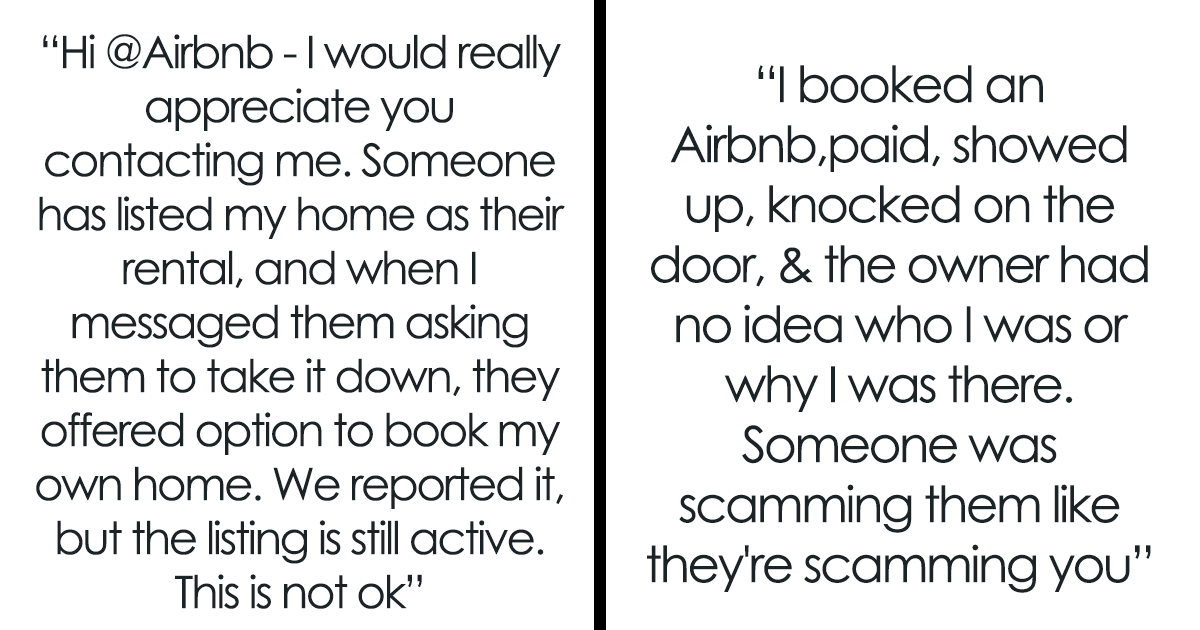
The headline-grabbing incident started when a woman discovered that a stranger had listed her home as an Airbnb. Not a similar home. Not a neighboring home. Her home. The kind with her furniture, her walls, her life in it. And because the internet never misses a chance to turn one terrifying story into a group therapy session, people piled in with their own Airbnb horror stories: fake listings, filthy rentals, last-minute switches, mysterious lockboxes, vanishing hosts, retaliatory reviews, creepy cameras, and the kind of customer service limbo that can make a grown adult whisper, “Maybe hotels were right all along.”
This article looks at why that story hit such a nerve, the kinds of horror stories people shared in response, and the lessons hiding beneath the chaos. Because the real nightmare is not just a bad trip. It is the collapse of trust. And short-term rentals run on trust the way coffee shops run on caffeine.
The Post That Opened the Floodgates
The viral spark was brutally simple: a woman publicly said her house had been listed as an Airbnb by someone else, and when she contacted the scammer, she was allegedly offered the chance to book her own home. That detail was so absurd it almost sounded like satire. Unfortunately, it was not.
What made the story stick was not only the fraud itself. It was the eerie plausibility of what could have happened next. Imagine coming home and finding strangers on your porch with suitcases and a booking confirmation. Imagine being the guest who paid in good faith and is now standing on somebody else’s front steps, realizing the vacation has turned into an accidental trespassing seminar.
That mix of digital fraud and real-world danger is what sent the discussion spiraling. People did not just react with outrage. They reacted with recognition. Many had their own stories, or knew someone who did. Suddenly, the comments section looked less like chatter and more like an emergency support group with luggage.
Why This Story Freaked Everyone Out
Most horror stories about travel are annoying. You lose a reservation. The shower is weak. The Wi-Fi acts like it is powered by candlelight. But a fake Airbnb listing taps into a different fear: the internet has taken your home, your identity, or your money and turned it into a product.
That is why these stories spread so fast. They combine several modern anxieties at once: online impersonation, platform trust, housing insecurity, travel stress, and the terrifying possibility that a scam can look perfectly normal right up until the moment it ruins your weekend.
To be fair, Airbnb says misrepresentation and scams are against its rules, and the company has also tightened policies around safety and privacy. But the stories people shared show the same stubborn truth: when trust-based platforms fail, the fallout feels personal. Very personal. Like “there are strangers trying to open my lockbox at 10 p.m.” personal.
30 Horror Stories People Shared After the Fake Airbnb Listing Went Viral
Not every story involved the exact same scam, but together they painted a picture of how short-term rental disasters tend to unfold. Here are 30 of the most common and chilling experiences people described.
- Your house gets listed by somebody else. The original nightmare: a stranger posts a home they do not own, and the real homeowner finds out only when it is already live.
- Guests show up at your front door with luggage. They are confused, you are alarmed, and everyone suddenly wishes this had stayed online instead of becoming a sidewalk crisis.
- Old real-estate photos get recycled into a fake listing. A home that was once for sale becomes instant scam material because the photos are still floating around the internet.
- A listing looks legitimate because it has reviews. In some reported cases, the profile did not look obviously fake at all, which is exactly what makes it dangerous.
- The lockbox becomes the villain. Guests arrive convinced the key is under the mat or in a code box, while the actual homeowner is standing there wondering why strangers are touching their porch.
- A last-minute “plumbing issue” appears. Just before check-in, the host suddenly claims the original unit is unavailable and offers a replacement that is usually worse.
- The replacement property is bigger but grimier. Technically, yes, there are more square feet. Also technically, half of them appear to be coated in disappointment.
- The address does not quite exist. Guests are sent to a nearby alley, back building, side entrance, or mystery zone that vaguely resembles the listing if you squint and abandon hope.
- The rental is staged for photos, not humans. Beautiful online, miserable in person: no curtains, missing amenities, furniture arranged like a theatrical set for “Generic Loft: The Musical.”
- You are pressured to decide immediately. Scammers adore urgency because panic is their best employee and your worst travel companion.
- The host wants payment off-platform. Maybe it is “to avoid fees.” Maybe it is “faster.” Maybe it is a glowing neon warning sign wearing sunglasses.
- A fake Airbnb website steals your money. Some travelers have reported phishing sites that looked nearly identical to the real thing until the money disappeared.
- The host ghosts you after promising a refund. Funny how “I’ll sort this out right away” so often translates to “good luck screaming into the digital void.”
- You only get partial money back. Even when something is obviously wrong, some guests say the refund battle drags on long enough to qualify as a side quest.
- You get hit with a retaliatory review. Complain too loudly and suddenly you are supposedly the guest from hell, despite spending your weekend with four sixty-year-old relatives and a cheese plate.
- The place is filthy on arrival. Dust, grime, mystery stains, and the unmistakable vibe of “cleaning fee” as a work of speculative fiction.
- The amenities are imaginary. Air-conditioning that does not cool, stoves that do not work, kitchens that are more symbolic than functional.
- You are locked out at midnight. Wrong code, dead phone, no reply, and the sinking realization that your check-in process has become an endurance sport.
- You suspect hidden surveillance. Privacy fears have long haunted rental stories, which is why indoor cameras became such a major flashpoint in platform safety debates.
- The host demands a five-star review. Not asks. Demands. Preferably while also suggesting you keep any “small concerns” private, like mold, missing doors, or existential dread.
- You get charged for damage you did not cause. Bogus claims about broken items or messes become a way to claw back money after checkout.
- The unit is double-booked. Nothing says “vacation mode” like discovering another party believes the same apartment belongs to them this weekend.
- The neighbors know the property is a problem. Sometimes the people next door are already exhausted from the revolving-door chaos and are one loud suitcase roll away from a full speech.
- A fake owner claims to be out of town. Conveniently unavailable, tragically unreachable, and always ready to explain why you should still send money right now.
- The rate is suspiciously cheap. Luxury-looking property. Discount price. Immediate pressure. That is not a deal; that is bait wearing a bathrobe.
- The guest account or host account gets hacked. Some cases suggest the listing itself may stem from an account takeover, which adds identity theft to the mess.
- A homeowner worries the listing will return. Even after a fraudulent post is removed, the uncertainty lingers: is it gone for good, or merely taking a smoke break?
- Longer stays become squatter nightmares. Some horror stories shift from travel trouble to property disaster, especially when occupants refuse to leave or stop paying.
- Customer support moves slower than your panic. People often say the scariest part is not only the scam, but how hard it is to get fast, human help while it is happening.
- Everyone ends the story saying the same thing. “I thought it was real.” That might be the most chilling sentence of all, because scams rarely work by looking fake.
The Patterns Behind the Panic
1. Scammers borrow credibility
They use real photos, real addresses, real neighborhoods, real platform language, and sometimes even seemingly real reviews. The scam works because it piggybacks on trust people have already built elsewhere.
2. Timing is part of the trick
Check-in day is prime territory for panic. You are in transit, tired, coordinating with family, and not exactly eager to become Sherlock Holmes with a carry-on. Fraud thrives in that fog.
3. Confusion creates compliance
A guest who has already flown in, taken a rideshare, and hauled luggage up three flights of stairs is more likely to tolerate nonsense. A homeowner surprised by strangers on the porch is also operating in pure adrenaline. Nobody is making elegant decisions in those moments.
4. The line between digital and physical risk disappears
This is what makes fake Airbnb listings so unnerving. The scam does not stay on a screen. It sends people to real homes, real buildings, and real doors. Online fraud becomes an in-person safety issue in about three clicks.
How to Protect Yourself Before the Horror-Movie Music Starts
For guests
- Keep all payments and messages on the platform. A “discount” for paying elsewhere is usually not generosity. It is an ambush with better branding.
- Search the address online. If the same place appears for sale, for rent elsewhere, or with conflicting details, treat that as a red flag.
- Be suspicious of prices that seem weirdly low for the location, season, or size.
- Take screenshots of the listing, amenities, messages, and check-in instructions before arrival.
- If you are switched to a different property, do not rely on verbal promises. Get everything in writing immediately.
- Know that Airbnb now bans indoor security cameras in homes. If you see one inside, that is not just creepy; it is a major problem.
For homeowners and hosts
- Keep old real-estate photos to a minimum online when possible, especially if your home was recently listed for sale.
- Monitor for copied photos and suspicious duplicate listings.
- Strengthen account security with a strong password and extra login protection where available.
- If a fake listing appears, document everything, report it to the platform, and consider reporting it to local law enforcement and federal consumer authorities.
- Warn neighbors or pet sitters if you suspect a listing is circulating, so they are not blindsided by unexpected arrivals.
More Experiences Related to the Topic
What makes stories like this so memorable is that they do not feel like isolated travel mishaps. They feel like cautionary tales from a world where convenience can be copied, repackaged, and weaponized. One person books a charming weekend stay, another person opens their front door to total strangers, and both are victims of the same lie. That is why these experiences spread so quickly online: people instantly see themselves in one side of the story or the other. You are either the guest thinking, “I would have believed that listing too,” or the homeowner thinking, “Wait, could somebody do that with my house?” It is not just an Airbnb horror story. It is a trust horror story.
There is also something uniquely unsettling about the role of normal details in these situations. The fake listing does not usually scream “cartoon villain.” It looks polished. The photos are attractive. The reviews seem solid. The rate may even feel plausible enough to dodge suspicion. Then the weirdness starts in tiny pieces: a last-minute message, a strange phone number, a request to move to another unit, a host who suddenly cannot speak on the app, a lockbox code that does not work, a missing key, a dark property that looks nothing like the photos. Each detail on its own can be explained away. Together, they build the awful realization that you are no longer booking a stay. You are negotiating with a scam that got dressed up for dinner.
Homeowners who discover their properties were used in fraudulent listings describe a different kind of violation. It is not only the fear of strangers arriving. It is the creepy sense that your home has been turned into a prop in somebody else’s con. Photos that once helped sell a house or show off a remodel become bait. A lockbox meant for a dog sitter becomes “proof” to a traveler that the booking is real. Even after the listing comes down, the aftermath can linger. People worry the scam will pop back up, that future guests may still arrive, or that their address is now floating around in ways they cannot easily control. That is a heavy emotional bill for a scam they did not even sign up for.
Guests, meanwhile, often describe the same emotional sequence. First comes confusion. Then embarrassment. Then anger. Many say the worst part is how long it takes to understand what has happened. By the time they realize the rental is fake, they may already be in an unfamiliar city, with kids, luggage, groceries, or grandparents in tow. Some are forced to book a hotel at the last minute. Others stay in the bad replacement because it is late, they are tired, and there are no good alternatives left. That is part of why these experiences feel bigger than ordinary travel complaints. A bad hotel can ruin a trip. A fake rental can make people feel foolish, unsafe, and financially cornered all at once.
And yet, if there is one useful takeaway from these stories, it is this: the details matter. A weird discount matters. An off-platform payment request matters. Conflicting photos matter. So does your gut. The internet has trained people to move fast, book fast, and trust smooth design more than they should. Horror stories like these are a reminder to slow down and verify before handing over money, data, or blind confidence. That may not be a glamorous travel tip, but it is a practical one. And unlike the mystery lockbox on someone else’s porch, it actually opens something useful.
Conclusion
The reason people shared so many Airbnb horror stories after one woman discovered her house had been listed by a stranger is simple: the story felt wildly specific and disturbingly universal at the same time. It was shocking, yes, but not unbelievable. That is what made it travel.
In the end, these stories are not just about bad vacations or sketchy hosts. They are about how easily trust can be borrowed, copied, and sold online. The most frightening part is not the bizarre details, though those certainly help. It is the fact that so many people could say, with a straight face, “Honestly, that almost happened to me too.”