Medical terminology has a special talent for making simple things sound like they were assembled in a laboratory by someone who owns too many syllables. Take laryngoscopy vs. endoscopy, for example. Both involve a small scope, both help doctors see areas that are hard to inspect with the naked eye, and both may make patients think, “So… something is going down my throat?” Fair question.
The simplest answer is this: laryngoscopy is a specific type of endoscopy used to examine the larynx, or voice box. Endoscopy is the larger umbrella term for procedures that use a lighted camera scope to look inside the body. In everyday conversation, however, “endoscopy” often refers to upper GI endoscopy, also called EGD, which examines the esophagus, stomach, and first part of the small intestine.
So, if your voice has gone raspy, your ENT may discuss laryngoscopy. If your heartburn is behaving like it pays rent, your gastroenterologist may recommend an upper endoscopy. Different specialists, different targets, same basic superhero gadget: a tiny camera where ordinary eyeballs cannot go.
What Is a Laryngoscopy?
A laryngoscopy is a medical procedure used to examine the back of the throat, the larynx, and the vocal cords. The larynx sits in the neck and plays a starring role in speaking, breathing, and protecting the airway during swallowing. When the voice box is inflamed, injured, irritated, or suspicious-looking, doctors need more than a flashlight and optimism.
Laryngoscopy is most commonly performed by an ENT specialist, also known as an otolaryngologist. It may be used to evaluate persistent hoarseness, voice changes, throat pain, chronic cough, swallowing trouble, breathing concerns, suspected vocal cord problems, or abnormal areas that may need a biopsy. It can also help doctors check the airway before or after certain surgeries.
Common Types of Laryngoscopy
There are several types of laryngoscopy, and each has a slightly different purpose:
- Indirect laryngoscopy: A mirror and light are used to view the throat. This is old-school but still useful in some settings.
- Flexible laryngoscopy: A thin, flexible scope passes through the nose to view the larynx. This is common in an office visit and usually takes only a short time.
- Stroboscopy: A special flashing light helps assess how the vocal cords vibrate, especially in people with voice problems.
- Direct rigid laryngoscopy: A rigid scope is used, often in an operating room under general anesthesia, especially when a more detailed exam, biopsy, or treatment is needed.
Flexible laryngoscopy may sound intimidating, but many patients are surprised by how quick it is. The nose may be sprayed with numbing medicine, the scope is gently guided in, and the doctor watches the live video. It is not exactly a spa day, but it is often faster than waiting for your coffee order.
What Is an Endoscopy?
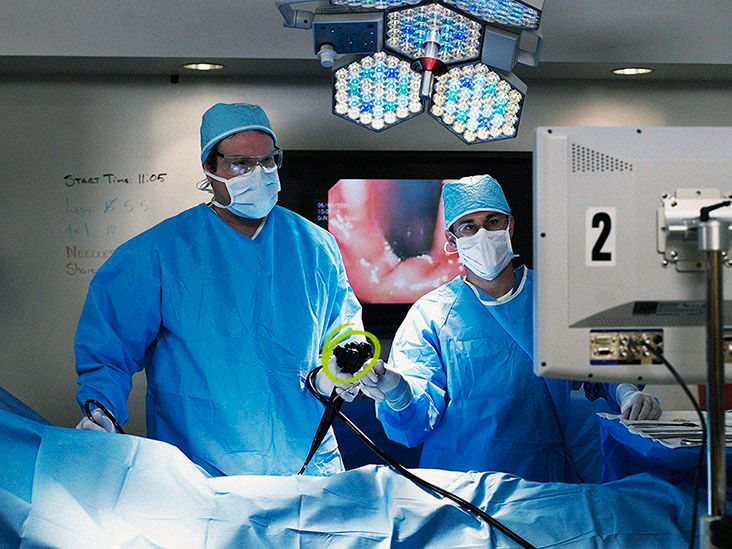
Endoscopy is a broad medical term for procedures that use an endoscope, a tube with a light and camera, to look inside the body. Technically, laryngoscopy is one type of endoscopy. But when patients say, “I’m having an endoscopy,” they usually mean upper GI endoscopy or esophagogastroduodenoscopy, mercifully shortened to EGD.
An upper endoscopy examines the upper digestive tract: the esophagus, stomach, and duodenum, which is the first part of the small intestine. It is usually performed by a gastroenterologist. Doctors use it to investigate symptoms such as chronic heartburn, nausea, vomiting, abdominal pain, trouble swallowing, unexplained weight loss, anemia, or signs of upper gastrointestinal bleeding.
Upper endoscopy is not only diagnostic. It may also be therapeutic. During the same procedure, a doctor can take biopsies, treat bleeding, remove certain polyps, widen narrowed areas, or retrieve a swallowed object. In other words, the scope is not just a camera; it can also bring tiny tools to the party.
Laryngoscopy vs. Endoscopy: The Main Differences
The biggest difference is what each procedure is looking at. Laryngoscopy focuses on the voice box and nearby throat structures. Upper endoscopy focuses on the upper digestive tract. One is usually an ENT procedure; the other is usually a GI procedure.
| Feature | Laryngoscopy | Upper Endoscopy / EGD |
|---|---|---|
| Main area examined | Larynx, vocal cords, back of throat | Esophagus, stomach, duodenum |
| Common specialist | ENT / otolaryngologist | Gastroenterologist |
| Common route | Through the nose or mouth | Through the mouth and down the esophagus |
| Typical symptoms | Hoarseness, voice changes, throat discomfort, airway concerns | Heartburn, nausea, vomiting, belly pain, swallowing trouble, GI bleeding |
| Sedation | Often none for flexible office exams; anesthesia for rigid direct exams | Usually sedation or anesthesia, depending on the case |
| Biopsy possible? | Yes, especially with direct or certain office-based procedures | Yes, commonly when tissue samples are needed |
When Might a Doctor Recommend Laryngoscopy?
A doctor may recommend laryngoscopy when symptoms point toward the throat, voice box, or airway. Persistent hoarseness is one of the classic reasons. If your voice has sounded like it attended a rock concert without you, and the change does not improve, your doctor may want a closer look.
Laryngoscopy may also be used for chronic throat clearing, suspected vocal cord nodules or polyps, vocal cord paralysis, unexplained throat pain, difficulty breathing, swallowing problems, or concerns about a growth. It may help evaluate reflux-related throat irritation, although reflux can be tricky because symptoms may overlap between the throat and digestive tract.
In cancer evaluation, laryngoscopy can help doctors inspect suspicious areas and guide biopsies. This does not mean every hoarse voice is a medical emergency. Many cases are caused by viral laryngitis, voice overuse, allergies, reflux, or irritation. Still, persistent or worsening symptoms deserve professional attention, especially when accompanied by trouble swallowing, breathing issues, a neck lump, unexplained weight loss, or coughing up blood.
When Might a Doctor Recommend Upper Endoscopy?
An upper endoscopy may be recommended when symptoms suggest a problem in the esophagus, stomach, or duodenum. Common reasons include ongoing heartburn, reflux symptoms that do not respond to treatment, trouble swallowing, upper abdominal pain, repeated vomiting, unexplained anemia, black stools, or suspected bleeding.
Upper endoscopy can help diagnose conditions such as GERD, esophagitis, gastritis, ulcers, celiac disease, Barrett’s esophagus, narrowing of the esophagus, infections, and some cancers of the upper digestive tract. A doctor may take biopsies even when the lining looks normal, because some conditions are microscopic and enjoy hiding like villains in plain clothes.
The procedure can also treat certain problems. For example, doctors may stop bleeding, remove small growths, dilate a narrowed esophagus, or place feeding tubes in selected cases. Compared with imaging tests, endoscopy gives doctors a direct view of the lining and allows tissue sampling, which can be essential for diagnosis.
How Preparation Differs
Preparation depends on the type of procedure. For many flexible laryngoscopy exams in the office, preparation may be minimal. The doctor may spray a numbing medicine in the nose or throat. Patients are usually awake and can often return to normal activities quickly afterward.
A direct rigid laryngoscopy may require more planning because it can involve general anesthesia. Patients may need to fast beforehand, arrange transportation, and follow medication instructions from the care team.
For an upper endoscopy, fasting is usually required so the stomach is empty. Patients should tell the doctor about medications, allergies, heart or lung conditions, diabetes, blood thinners, pregnancy, and previous reactions to sedation. If sedation is used, patients generally need someone to drive them home. This is not the day to prove you are “totally fine” behind the wheel. Sedation can make judgment and reaction time unreliable even after you feel awake.
What Happens During the Procedures?
During a Flexible Laryngoscopy
During flexible laryngoscopy, the patient typically sits upright. A numbing spray may be used. The thin scope passes through the nose and into the throat area. The doctor may ask the patient to breathe, speak, swallow, or make certain sounds. These actions help assess how the vocal cords move.
The exam is usually brief. Patients may feel pressure, a tickle, watery eyes, or the urge to sneeze. That is normal. The scope does not usually block breathing, although the sensation can feel unusual.
During an Upper Endoscopy
During an upper endoscopy, the patient usually lies on the side. A mouth guard protects the teeth and the scope. Sedation is commonly given through an IV, and the throat may be numbed. The doctor guides the endoscope through the mouth, down the esophagus, into the stomach, and into the duodenum.
The camera sends images to a monitor. Air may be used to gently expand the digestive tract for a better view. If needed, the doctor can take biopsies or perform treatment through tiny instruments passed through the scope. The procedure often takes less than an hour, though timing varies based on what is being done.
Risks and Side Effects
Both procedures are generally considered safe when performed by trained professionals, but no medical procedure is completely risk-free. With laryngoscopy, possible side effects include temporary throat discomfort, gagging, mild nose irritation, nosebleed, or temporary hoarseness. If a biopsy is taken, there may be a small amount of bleeding.
Upper endoscopy may cause temporary sore throat, bloating, gas, or mild cramping. Rare risks include bleeding, infection, reaction to sedation, or a tear in the digestive tract. The risk is higher when treatment is performed, such as dilation or removal of tissue, compared with a simple diagnostic exam.
Patients should contact a healthcare professional promptly after an upper endoscopy if they develop severe or persistent abdominal pain, fever, chest pain, trouble breathing, vomiting blood, black stools, or worsening difficulty swallowing. After laryngoscopy, urgent care may be needed for significant bleeding, breathing trouble, or severe swelling.
Do Laryngoscopy and Endoscopy Overlap?
Yes, and this is where confusion often begins. Laryngoscopy is technically an endoscopic procedure because it uses a scope to see inside the body. The overlap is especially noticeable when symptoms involve both swallowing and throat sensation.
For example, a person with a “lump in the throat” feeling may see an ENT for laryngoscopy. If the exam suggests reflux, esophageal narrowing, or another digestive issue, the patient may later see a gastroenterologist for upper endoscopy. On the other hand, someone with reflux symptoms may have an upper endoscopy first, then be referred to an ENT if hoarseness or vocal cord irritation continues.
In some complex cases, doctors may use several tests together: laryngoscopy, upper endoscopy, imaging, swallow studies, pH monitoring, or biopsies. The goal is not to collect procedures like trading cards; it is to match the test to the symptom and avoid guessing.
Which Procedure Do You Need?
The answer depends on the symptom pattern. If the main issue is voice change, vocal fatigue, suspected vocal cord disease, or airway concern, laryngoscopy is often the more targeted test. If the main issue is heartburn, upper abdominal pain, vomiting, anemia, digestive bleeding, or food sticking lower in the chest, upper endoscopy may be more appropriate.
Trouble swallowing can belong to both worlds. Difficulty starting a swallow, choking, coughing with meals, or nasal regurgitation may suggest a throat or swallowing coordination problem. Food sticking after swallowing, especially in the chest, may suggest an esophageal issue. A clinician can help sort out the difference by asking detailed questions. Yes, the questions may feel oddly specific, but in medicine, “Where does it feel stuck?” can be surprisingly useful.
Questions to Ask Before Either Procedure
Before laryngoscopy or endoscopy, patients should feel comfortable asking why the test is being recommended, what the doctor is looking for, whether sedation will be used, how to prepare, what risks apply personally, and when results will be available. It is also smart to ask whether biopsies might be taken and what follow-up may be needed.
Bring a medication list, including supplements and over-the-counter products. Mention blood thinners, allergies, heart or lung disease, sleep apnea, diabetes, pregnancy, and previous anesthesia problems. Doctors are good, but they are not mind readers. A complete medical history helps them keep the procedure safer and more useful.
Patient-Style Experiences: What It May Feel Like in Real Life
Experiences vary, but people often imagine these procedures as more dramatic than they actually are. The anxiety beforehand can be louder than the procedure itself. That is especially true for flexible laryngoscopy. Many patients walk in expecting a heroic battle with a medical snake-camera and walk out thinking, “That was weird, but manageable.”
With flexible laryngoscopy, the most memorable part is often the sensation in the nose or throat. The numbing spray can taste bitter. The scope may feel strange as it moves through the nasal passage. Eyes may water. A sneeze may threaten to make an appearance like an uninvited guest. But the exam is usually quick, and patients can often watch the vocal cords on a monitor. For singers, teachers, coaches, podcasters, and professional talkers, seeing the vocal cords move can be oddly fascinating. It is like meeting the tiny backstage crew responsible for every “hello,” laugh, and karaoke mistake.
Upper endoscopy tends to feel different because sedation is commonly used. The experience may include checking in, changing into a gown, answering medical history questions, having an IV placed, meeting the care team, and lying on the procedure table. Many patients remember the beginning and then wake up in recovery wondering when the main event starts. Surprise: it already happened. Because sedation can affect memory, it helps to have the doctor’s findings written down and to bring a trusted adult or companion if allowed.
After laryngoscopy, the throat or nose may feel mildly irritated. After upper endoscopy, a sore throat, bloating, or grogginess may occur for a short time. The emotional side matters too. Waiting for biopsy results can be stressful, even when the doctor says the finding is probably minor. In that waiting period, searching every symptom online can turn one mild throat tickle into a 2 a.m. detective drama. A better approach is to ask the care team when results are expected, what symptoms require urgent care, and what the next step will be.
One practical experience tip: write down symptoms before the appointment. Include when they started, what makes them better or worse, whether swallowing solids or liquids is harder, whether the voice changes during the day, and whether reflux symptoms are present. These details can help the specialist choose between laryngoscopy, upper endoscopy, or another test. The body gives clues; the appointment is where those clues become useful instead of just annoying.
Final Thoughts
The difference between laryngoscopy vs. endoscopy comes down to scope and target. Laryngoscopy examines the larynx and vocal cords, usually for voice, throat, or airway concerns. Endoscopy is a broader term, but upper endoscopy specifically examines the esophagus, stomach, and duodenum for digestive symptoms.
Both procedures can be valuable, both can help diagnose conditions that ordinary exams may miss, and both may guide treatment. If your doctor recommends one, it is reasonable to ask what question the test is meant to answer. A good procedure is not just about looking inside; it is about knowing exactly why the doctor is looking.
This article is for educational purposes only and should not replace medical advice from a qualified healthcare professional. If symptoms are severe, persistent, or worsening, contact a healthcare provider for personal guidance.