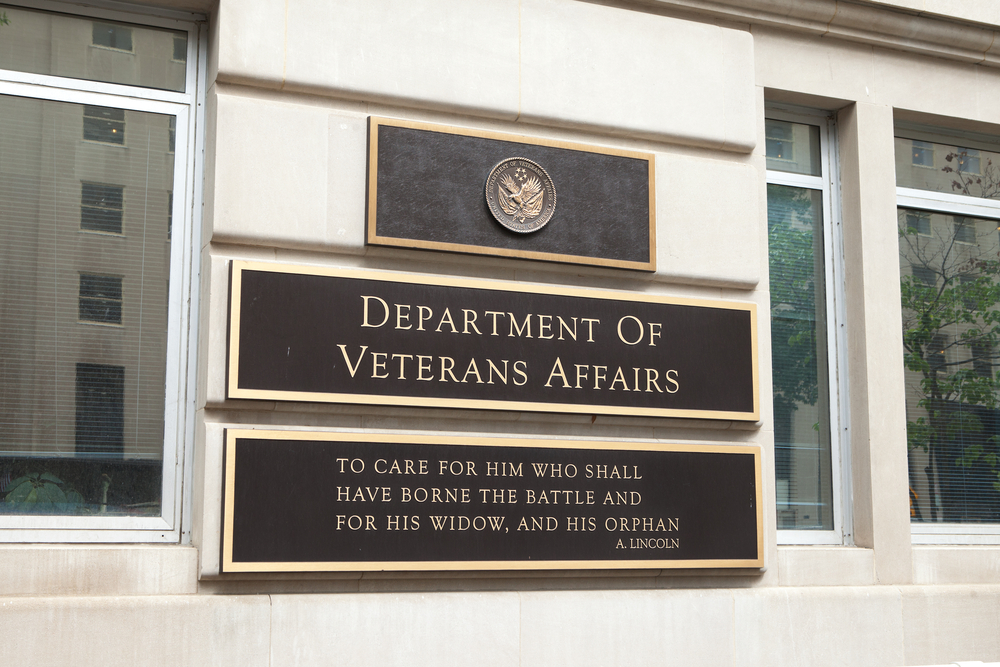
For a long time, the phrase “Veterans Affairs” could make people picture a government office with beige walls, a clipboard, a line that moved at the speed of cold oatmeal, and a printer that sounded like it had served in three wars itself. That image is not completely gonebureaucracy does not vanish overnight just because someone puts “digital transformation” on a PowerPoint slidebut today’s Department of Veterans Affairs is changing in ways that would surprise many older veterans.
The modern VA is no longer only a place where veterans go after filling out a stack of forms thick enough to stop a door. It is increasingly a connected system of health care, benefits, mobile tools, telehealth visits, toxic exposure screenings, online claims tracking, secure messaging, wellness programs, and data-driven services. In plain English: the VA is trying to meet veterans where they are, not just where the nearest federal building happens to be.
That does not mean everything is perfect. Some modernization efforts, especially the electronic health record rollout, have faced serious delays and criticism. But the overall direction is clear. Veterans Affairs is becoming more digital, more proactive, more accessible, and more focused on the whole life of the veterannot just a single appointment, claim, or form number.
A New VA for a New Generation of Veterans
Today’s veterans are not all retired grandfathers in VFW caps telling stories over coffee, though those veterans remain an essential part of the community. Modern veterans include women, post-9/11 service members, Gulf War veterans, Vietnam-era veterans, Guard and Reserve members, rural veterans, urban veterans, student veterans, working parents, caregivers, and survivors. Their needs are wide-ranging, and the VA has had to evolve to keep up.
The old model of Veterans Affairs often felt reactive: wait until a veteran applied, wait until a condition worsened, wait until paperwork was mailed, wait until a claim made its way through the maze. The newer model is more proactive. The VA now emphasizes outreach, eligibility expansion, online access, telehealth, toxic exposure screening, and integrated care. In other words, it is trying to stop acting like a dusty file cabinet and start acting more like a modern service platform.
The PACT Act Changed the Conversation
One of the biggest reasons today’s VA feels different is the PACT Act, officially known as the Sergeant First Class Heath Robinson Honoring our Promise to Address Comprehensive Toxics Act. The law expanded health care and benefits for veterans exposed to burn pits, Agent Orange, and other toxic substances. It also accelerated the urgency for the VA to modernize its benefits systems because more veterans and survivors became eligible for care, compensation, and screening.
For many veterans, the PACT Act is not just another law with a long name that sounds like it was assembled by a committee using alphabet soup. It is a turning point. It recognizes that military service can create health risks that do not always show up immediately. A veteran may leave active duty feeling “fine,” only to develop serious conditions years later. The newer VA approach increasingly acknowledges that exposure history matters and that eligibility rules must reflect real-world service conditions.
Why Toxic Exposure Screening Matters
Toxic exposure screening is a practical example of how the VA is changing. Instead of waiting for every veteran to connect the dots alone, VA health care teams can ask structured questions about possible exposures. That may include burn pits, contaminated water, herbicides, airborne hazards, or other service-related environmental risks. The screening itself may be short, but the impact can be long-lasting because it can point veterans toward benefits, follow-up care, and documentation.
This is where modern Veterans Affairs becomes more than a benefits office. It becomes a memory system for service-related risk. The veteran may not remember every location, chemical, or deployment detail. The system is supposed to help organize that information so care is not based only on who has the best filing cabinet at home.
Telehealth: The VA Visit That Does Not Require Finding Parking
Few changes better symbolize the new VA than telehealth. In the past, a veteran might have had to drive hours for a routine check-in, sit in a waiting room, and discover that the appointment itself lasted less time than the search for parking. Today, many veterans can connect with VA clinicians from home, a local clinic, or another convenient location.
VA telehealth supports video visits, remote monitoring, specialty care, mental health appointments, and follow-up care. It is especially important for rural veterans, older veterans, veterans with mobility challenges, caregivers juggling responsibilities, and anyone who has ever looked at a hospital parking garage and whispered, “Absolutely not today.”
Telehealth does not replace every in-person visit. Nobody is suggesting a smartphone can perform surgery, and if it can, please make sure it has at least 80% battery. But virtual care can reduce unnecessary travel, improve access, and help veterans stay connected to their care teams between major appointments.
My HealtheVet on VA.gov: One Door Instead of Ten
Another major shift is the move toward a more unified digital experience through VA.gov and the new My HealtheVet experience. Veterans can now use online tools to refill prescriptions, manage medications, send secure messages, review medical records, download important letters, schedule or manage some appointments, and check certain benefits information.
This matters because the older digital experience could feel scattered. A veteran might need one portal for health care, another for benefits, another for records, and yet another password that somehow required a capital letter, a symbol, a number, a secret handshake, and emotional resilience. The VA’s push to bring more services into VA.gov is meant to simplify that journey.
Secure Messaging Makes Care Less Awkward
Secure messaging is a small feature with a big effect. Instead of waiting on hold for a non-urgent question, veterans can message their VA care team privately online. That can be useful for medication questions, follow-up instructions, lab-result clarification, or asking whether a symptom needs an appointment.
For veterans who are used to mission clarity, secure messaging can be refreshingly direct: ask the question, document the answer, move forward. It is not glamorous, but neither is trying to explain a medication refill issue through a phone tree that seems to have been designed by a raccoon with a keyboard.
The VA Health and Benefits App: Government Services in Your Pocket
The VA Health and Benefits app is another sign that Veterans Affairs is no longer only a desk-based experience. Through a smartphone, many veterans can access key services such as prescription refills, secure messages, appointment information, claim status, disability letters, and benefit details.
This is important because veterans live busy lives. They work, study, raise families, run businesses, attend medical appointments, support other veterans, and occasionally try to enjoy a weekend without filling out a federal form. A mobile app does not solve every problem, but it can make routine VA tasks less disruptive.
The bigger lesson is that convenience is not a luxury. For veterans managing chronic conditions, disabilities, school benefits, family responsibilities, or long commutes, easier access can change whether they stay engaged with the system at all.
Benefits Claims Are Becoming More Transparent
VA disability compensation and benefits claims have never been famous for their simplicity. In fact, “simple VA paperwork” is a phrase that might cause some veterans to laugh so hard they need a claims exam. But the VA has made progress in giving veterans more visibility into where their claims stand.
Veterans can check claim, decision review, and appeal status online. They can download VA letters, review disability ratings, track certain requests, and respond to some claim-related needs digitally. Transparency does not make waiting fun, but it does reduce the feeling of shouting into a canyon and hoping a rating decision echoes back.
Modernization Still Has a Human Side
Digital tools are helpful, but veterans still need people. Accredited Veterans Service Organizations, claims agents, attorneys, county veteran offices, and VA staff remain essential. A modern VA should not mean “good luck, here is a login page.” It should mean veterans have more options: online when that is easier, human guidance when the issue is complex, and both when the stakes are high.
Whole Health: More Than “Take Two Pills and Call Next Fiscal Year”
The VA’s Whole Health approach is another sign of a broader cultural shift. Instead of focusing only on diagnoses and appointments, Whole Health asks what matters to the veteran. That can include physical health, mental health, nutrition, movement, sleep, stress reduction, relationships, purpose, and personal goals.
This matters because veterans are not collections of symptoms wearing boots. They are full people with histories, responsibilities, strengths, frustrations, and plans. A veteran recovering from injury may need physical therapy, but also support with sleep, pain management, family stress, job transition, and identity after service. Whole Health tries to connect those dots.
Programs may include coaching, peer-led courses, mindfulness, yoga, tai chi, nutrition education, and other wellness tools. Some veterans may hear “mindfulness” and immediately picture incense, wind chimes, and someone named Moonbeam. But in practice, many Whole Health tools are simply about building habits that help veterans function better day to day.
Women Veterans and a More Inclusive VA
Another major difference between today’s Veterans Affairs and the VA of previous generations is the growing focus on women veterans. Women are one of the fastest-growing groups in the veteran population, and their health care needs cannot be treated as an afterthought. Modern VA facilities increasingly recognize the importance of gender-specific care, maternity care coordination, mental health support, privacy, and respectful treatment.
A VA built mainly around the assumptions of past generations will not serve today’s population well. That means training staff, improving facilities, expanding services, and listening to veterans whose experiences do not match the old stereotype of who “looks like” a veteran. Spoiler alert: veterans look like America.
Mental Health Care Is No Longer Hidden in the Fine Print
The modern VA also places stronger emphasis on mental health, suicide prevention, trauma-informed care, substance-use treatment, peer support, and same-day access in certain settings. For veterans from earlier generations, asking for mental health help often carried stigma. Many were taught to “tough it out,” which is useful for ruck marches and terrible for untreated depression, PTSD, anxiety, or moral injury.
Today’s VA messaging is more open: mental health care is health care. Veterans can seek support without needing to pretend everything is fine while their sleep, relationships, work, and body are waving red flags like an overenthusiastic referee.
Digital access also helps. Tele-mental health can make it easier for veterans to attend therapy or medication appointments without taking half a day off work or traveling long distances. For some veterans, being able to talk from a familiar space makes care feel less intimidating.
Electronic Health Records: The Tough Part of Modernization
No honest article about the new Veterans Affairs should pretend modernization is all smooth sailing. The VA’s electronic health record modernization effort has faced major challenges, including delays, cost concerns, user frustration, and safety-related issues. Oversight agencies have reported incremental improvements, but also emphasized that much work remains.
This is a reminder that “modern” does not automatically mean “better.” A new system can improve coordination, data sharing, and long-term care only if it works reliably for clinicians and veterans. If a tool slows down care, confuses users, or creates new risks, then it is not modernization; it is a very expensive headache with a login screen.
The good news is that oversight, reporting, user feedback, and phased improvements can push the system in the right direction. The lesson for the VA is simple but serious: technology should serve veterans and staff, not the other way around.
What the New VA Gets Right
The strongest part of today’s Veterans Affairs is the recognition that access matters. Veterans need care that fits real life. Telehealth, online tools, mobile apps, secure messaging, claims tracking, and digital letters all point toward a more user-centered VA.
The VA is also better at recognizing that service-related health issues may appear long after discharge. The PACT Act and toxic exposure screening show a shift from narrow paperwork logic toward broader accountability. That is not just policy; it is a moral adjustment.
Finally, the VA’s growing focus on Whole Health, mental health, women veterans, caregivers, and digital convenience suggests that the institution is learning to see veterans as people with full lives, not just case numbers.
What Still Needs Work
Modern Veterans Affairs still faces major challenges. Claims can still take time. Digital tools can confuse veterans who are not comfortable online. Rural broadband gaps can limit telehealth. Staffing shortages can affect appointment availability. Electronic health record modernization remains difficult. And some veterans still feel that the system is too complicated to navigate alone.
The VA must also avoid creating a two-tier experience where tech-savvy veterans move quickly while others fall behind. A modern VA should include strong phone support, in-person assistance, community partnerships, VSOs, caregiver support, plain-language instructions, and accessible design. Progress only counts if veterans can actually use it.
Experiences Related to “Not Your Grandfather’s Veterans Affairs”
Imagine a Vietnam-era veteran named Bill and his post-9/11 daughter, Maya, both using the VA. Bill remembers a time when getting answers meant driving to an office, waiting in a hallway, and hoping the person behind the desk had the right file. He still believes in paper copies because, as he says, “computers are just filing cabinets with opinions.” Maya, on the other hand, expects to check appointments on her phone, send secure messages, and track a claim status while drinking coffee in the school pickup line.
The fascinating thing about today’s VA is that it has to serve both of them. Bill may prefer a phone call and printed letter. Maya may prefer an app notification. Neither is wrong. A successful modern VA does not force every veteran into the same lane; it builds more lanes.
For a rural veteran, the change may feel like a telehealth appointment that saves a three-hour drive. That is not a minor convenience. That is less gas money, less pain from travel, less time away from work, and less stress for a spouse or caregiver. For a veteran with anxiety, the change may be secure messaging that allows a question to be asked clearly without the pressure of a phone call. For a student veteran, it may be downloading a benefits letter at midnight because school offices apparently enjoy deadlines that appear from the fog.
For a veteran dealing with toxic exposure concerns, the new VA experience may begin with a screening question that opens the door to care. That veteran may have spent years wondering whether symptoms were connected to deployment. The modern VA is more willing to ask, document, and connect that history to possible benefits or medical follow-up.
For a woman veteran, the new VA may mean walking into a clinic and being recognized immediately as the veteran, not as someone’s spouse, caregiver, or daughter. That sounds basic, but basic respect is powerful when it has been missing. The future of Veterans Affairs depends on serving every veteran without requiring them to prove they belong in the room.
For caregivers, the modern VA can mean fewer mysteries. Online appointment details, medication tools, messages, and care coordination can reduce the chaos of managing multiple needs. Caregivers often become unofficial project managers of health, transportation, documents, and emotional support. Anything that makes the system clearer helps the whole household.
Still, experiences vary. Some veterans encounter excellent care teams and efficient tools. Others run into delays, confusing instructions, or technology that behaves like it was assembled during a thunderstorm. That mixed reality is important. The new VA is not a finished product. It is a system in motion, part digital upgrade, part cultural shift, part repair job, and part promise.
The phrase “not your grandfather’s Veterans Affairs” should not mean forgetting older veterans. It means building a VA worthy of all generations: the grandfather who served in Vietnam, the father who served in Desert Storm, the daughter who deployed after 9/11, the reservist who balanced civilian life and service, and the young veteran building a future after uniformed life. The best VA is not old or new. It is responsive, respectful, accessible, and honest about what veterans have earned.
Conclusion: A Modern VA Is a Promise Still Being Built
Today’s Veterans Affairs is different from the VA of previous generations. It is more digital, more connected, more aware of toxic exposure, more open to virtual care, and more focused on the whole veteran. It offers tools that would have seemed futuristic decades ago: video appointments, mobile benefits access, online claims tracking, secure health messages, digital records, and integrated services through VA.gov.
But the real test is not whether the VA has apps, portals, dashboards, and modernization plans. The real test is whether veterans feel seen, served, and supported. Technology can help, but trust is built through reliable care, clear answers, respectful staff, accurate decisions, and systems that do not make veterans feel like they need a law degree and a compass to get help.
Not your grandfather’s Veterans Affairs? Correct. Not even your father’s. The modern VA is becoming something broader: a health care, benefits, technology, and support ecosystem built for veterans across generations. It still has work to do, but the direction matters. The mission remains old and honorable. The tools are finally catching up.