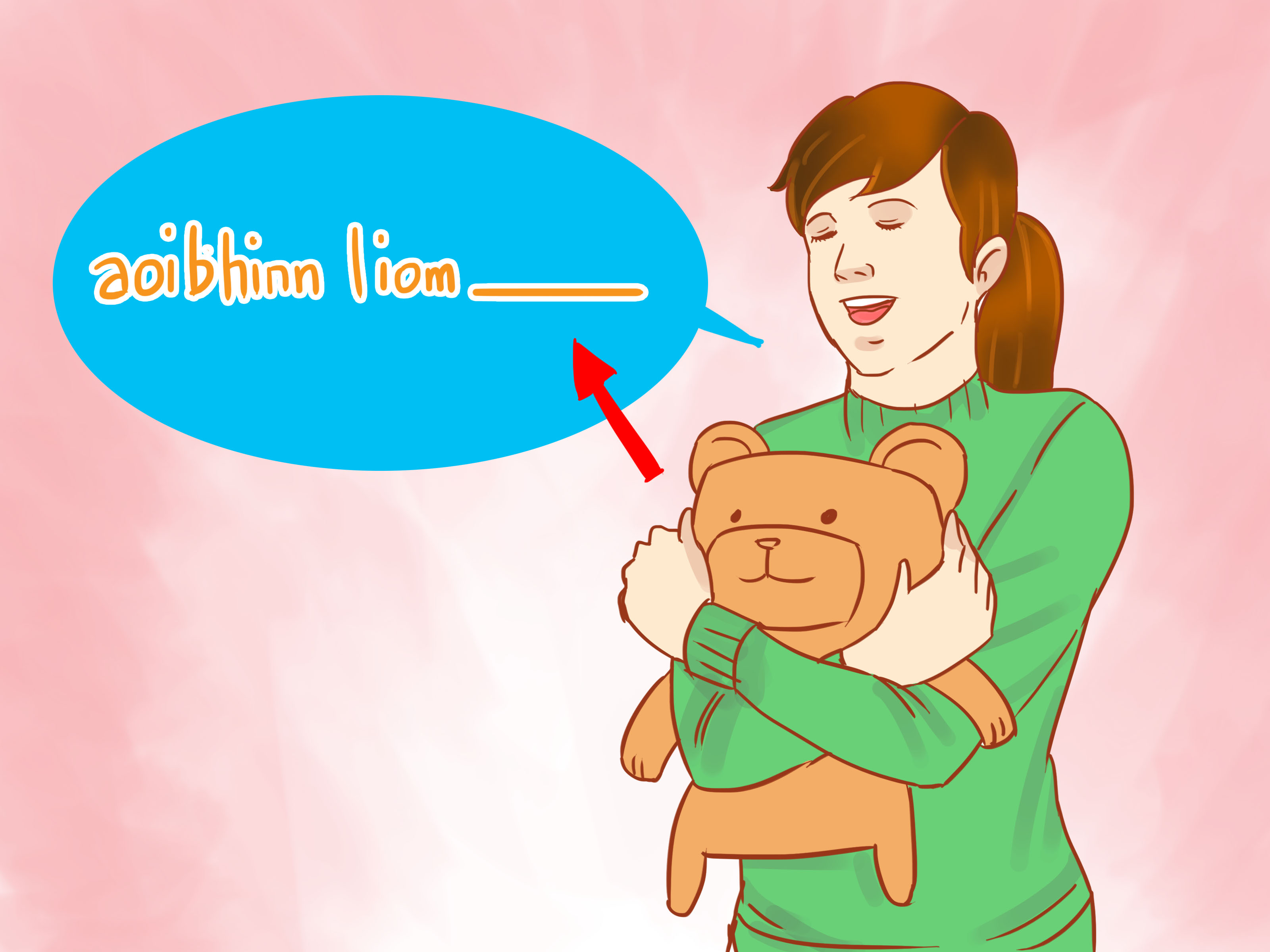
There are many ways to say “I love you,” but saying it in Irish gives the phrase a little extra sparkleas if your heart suddenly put on a wool sweater, walked along a misty cliff, and started quoting poetry. Irish, also called Gaeilge, is a Celtic language with deep cultural roots, musical sounds, and expressions that often feel more emotional than literal. That is especially true when talking about love.
If you are looking for the best ways to say I love you in Irish, the three phrases you will see most often are Tá grá agam duit, Mo ghrá thú, and Táim i ngrá leat. They all express love, but they do not mean exactly the same thing. Some are tender and everyday. Some are more romantic. Some sound like they belong in a handwritten Valentine tucked into a book of poems. In other words, choose carefullyIrish may be charming, but it still expects you to know what you are doing.
This guide explains the meaning, pronunciation, grammar, and best use of each phrase. You will also learn common mistakes, romantic variations, and practical examples so you can say “I love you” in Irish with confidence instead of accidentally sounding like you copied it from a mug at the airport.
Why Saying “I Love You” in Irish Feels So Special
Irish does not always express emotion the same way English does. In English, we often say “I love you” using a direct subject-verb-object structure: I + love + you. Irish frequently builds emotional phrases with prepositions. Instead of saying love as a simple action, Irish often frames love as something that is “at” a person, “on” a person, or connected “with” a person.
That may sound strange at first, but it is also beautiful. Irish expressions often make emotion feel like a state of being rather than a quick action. Love is not just something you do; it is something you carry, something that lives with you, something that leans against the heart and refuses to leave. Dramatic? Maybe. Accurate? Ask anyone who has ever sent a risky text at 11:47 p.m.
1. Tá Grá Agam Duit The Classic Way to Say I Love You in Irish
Meaning of “Tá Grá Agam Duit”
The most widely taught and reliable way to say “I love you” in Irish is:
Tá grá agam duit.
It means “I love you” or, more literally, “There is love at me for you.” A smoother literal interpretation is “I have love for you.” This phrase is flexible, sincere, and suitable for many situations. You could use it with a romantic partner, a family member, or someone very close to you.
Let’s break it down:
- Tá means “is” or “there is.”
- grá means “love.”
- agam means “at me” or “I have.”
- duit means “to you” or “for you.”
So instead of saying “I love you” word-for-word, Irish says something closer to “Love is at me for you.” It sounds poetic because it is. Irish has a habit of making even basic grammar feel like it should be read by candlelight.
How to Pronounce “Tá Grá Agam Duit”
A beginner-friendly pronunciation is:
Taw graw AH-gum ditch
The pronunciation of duit can vary by dialect. Some speakers may pronounce it closer to “ditch,” while others may use a softer sound. Irish pronunciation changes from region to region, so do not panic if you hear different versions. That does not mean one person is wrong; it means Irish is doing what Irish does bestkeeping learners humble.
When to Use “Tá Grá Agam Duit”
Use Tá grá agam duit when you want a clear, heartfelt, and widely understood expression of love. It is a strong choice for Valentine’s Day cards, wedding vows, anniversary notes, family messages, or any moment when plain English feels too ordinary.
Examples:
- Tá grá agam duit, a stór. I love you, darling.
- Tá grá agam duit i gcónaí. I always love you.
- Tá grá agam duit ó chroí. I love you from the heart.
For most learners, this is the safest and most useful Irish love phrase to start with. It is direct without being clunky, emotional without being over-the-top, and recognizable to many people familiar with Irish phrases.
2. Mo Ghrá Thú The Sweet, Poetic Way to Say I Love You
Meaning of “Mo Ghrá Thú”
Another beautiful way to say “I love you” in Irish is:
Mo ghrá thú.
This phrase means “You are my love.” Literally, it is structured more like “My love you,” but the natural meaning is warm, affectionate, and romantic. It is short, lyrical, and perfect for moments when you want something softer than a full sentence.
Here is the basic breakdown:
- Mo means “my.”
- ghrá means “love,” with a softened sound because of Irish grammar.
- thú means “you.”
The word grá becomes ghrá after mo. This sound change is called lenition. In Irish spelling, lenition often adds an “h” after the first consonant. It may look small, but it changes the sound. Irish grammar loves a subtle costume change.
How to Pronounce “Mo Ghrá Thú”
A simple pronunciation guide is:
Muh ghraw hoo
The gh sound in ghrá can be tricky for English speakers. Depending on dialect, it may sound like a soft, throaty sound. If you are a beginner, aim for “muh graw hoo” first, then refine the middle sound as you listen to native speakers or high-quality audio examples.
When to Use “Mo Ghrá Thú”
Mo ghrá thú is ideal for romantic notes, jewelry engravings, short captions, and affectionate messages. It feels more intimate and poetic than Tá grá agam duit. If “Tá grá agam duit” is a sincere letter, “Mo ghrá thú” is the line written at the bottom with a heart beside it.
Examples:
- Mo ghrá thú, inniu agus i gcónaí. You are my love, today and always.
- Mo ghrá thú, a chroí. You are my love, my heart.
- Mo ghrá thú go deo. You are my love forever.
This phrase works especially well when you want something compact and memorable. It is also easier to fit on a card, a necklace, a wedding program, or a social media caption where space is limited and feelings are apparently competing with character counts.
3. Táim i nGrá Leat The Romantic “I Am in Love with You”
Meaning of “Táim i nGrá Leat”
The third important phrase is:
Táim i ngrá leat.
This means “I am in love with you.” It is more specifically romantic than Tá grá agam duit. If you want to tell someone you are in love with themnot just that you love them in a general or family sensethis is the phrase to know.
Here is the breakdown:
- Táim means “I am.”
- i ngrá means “in love.”
- leat means “with you.”
The phrase uses leat, which comes from the preposition le, meaning “with.” Irish prepositions combine with pronouns, so le + tú becomes leat. This is one of the reasons Irish can feel unfamiliar to English speakers. The language does not simply translate word by word; it has its own rhythm and logic.
How to Pronounce “Táim i nGrá Leat”
A beginner-friendly pronunciation is:
Taw-im ih ngraw lat
The ng sound in i ngrá is important. Think of the “ng” in “singing,” not the hard “g” in “go.” It may take a little practice, but once you get it, the phrase sounds smooth and naturally Irish.
When to Use “Táim i nGrá Leat”
Use Táim i ngrá leat when the feeling is clearly romantic. It is the phrase for a partner, spouse, fiancé, or someone you are confessing love to. It is not usually the best choice for your grandmother unless your family text threads are far more dramatic than average.
Examples:
- Táim i ngrá leat ó bhuail mé leat. I have been in love with you since I met you.
- Táim i ngrá leat níos mó gach lá. I am more in love with you every day.
- Táim i ngrá leat go hiomlán. I am completely in love with you.
This phrase carries a stronger romantic signal. If you are choosing an Irish phrase for a proposal, anniversary message, or private love letter, Táim i ngrá leat may be the most emotionally precise option.
Quick Comparison: Which Irish Love Phrase Should You Use?
| Irish Phrase | Meaning | Best Use |
|---|---|---|
| Tá grá agam duit | I love you / I have love for you | General love, family, romance, heartfelt messages |
| Mo ghrá thú | You are my love | Romantic notes, captions, engravings, poetic affection |
| Táim i ngrá leat | I am in love with you | Romantic confession, partner, spouse, deep romantic feeling |
Common Mistakes to Avoid
Do Not Translate Word for Word from English
One of the biggest mistakes learners make is trying to force English grammar into Irish. Irish does not always use a direct verb for “to love” in the same way English does. Phrases like Tá grá agam duit rely on Irish grammar patterns involving possession and prepositions. That is why automatic translation can produce awkward results if you do not understand the structure.
Be Careful with Accent Marks
The accent mark in grá is called a fada. It lengthens the vowel sound. Without the fada, the word may look incomplete or incorrect. In Irish, small marks matter. A missing fada can change meaning, pronunciation, or simply make the phrase look careless. If you are writing a tattoo, wedding inscription, or engraved gift, check the spelling twice. Then check it again. Then ask someone who knows Irish. Your future self will thank you.
Choose the Phrase That Matches the Relationship
Tá grá agam duit is versatile. Mo ghrá thú is poetic and affectionate. Táim i ngrá leat is romantic and specific. The best phrase depends on who you are speaking to and what kind of love you mean. Love for a child, love for a spouse, and love for someone you just met at a pub quiz should not always use the same level of intensity. Especially the pub quiz person. Give that one at least until round three.
More Romantic Irish Phrases to Know
Once you know the three main ways to say I love you in Irish, you may want to add a few related phrases. These expressions can make your message warmer, more personal, or more poetic.
- A stór My treasure / darling
- A chroí My heart
- Mo chroí My heart
- Mo ghrá geal My bright love / my dear love
- Grá mo chroí Love of my heart
- Go deo Forever
- Ó chroí From the heart
You can combine these with the main phrases for a more personal message. For example, Tá grá agam duit, a stór means “I love you, darling.” Mo ghrá thú go deo means “You are my love forever.” These phrases are short, emotional, and much more memorable than a generic “love ya” text followed by an emoji that looks vaguely confused.
Pronunciation Tips for Beginners
Irish pronunciation can be challenging because spelling and sound do not always match English expectations. The good news is that you do not need to master every dialect feature before saying something meaningful. Start with a respectful approximation, listen to native or fluent speakers, and improve gradually.
Pay Attention to the Fada
The fada appears in words like grá and changes the vowel length. In grá, the sound is long, similar to “graw.” Do not rush it. Love deserves a long vowel. That may not be an official grammar rule, but emotionally, it checks out.
Practice the “Gh” Sound
In Mo ghrá thú, the gh can sound unfamiliar. It may be softer or more throaty than English speakers expect. Listen carefully and imitate slowly. If you cannot perfect it immediately, do not worry. A sincere attempt is better than avoiding the language completely.
Remember Dialect Differences
Irish has major dialect areas, including Munster, Connacht, and Ulster. Pronunciation can vary across regions. That means you may hear the same phrase said in different ways. This is normal. It is not a mistake; it is the living texture of the language.
How to Use These Irish Love Phrases in Real Life
There are plenty of ways to use Irish love phrases beyond simply memorizing them. You can write them in cards, add them to wedding vows, use them in anniversary captions, include them in family keepsakes, or learn them as part of a larger journey into Irish heritage.
For a Valentine’s Day card, you might write:
Mo ghrá thú go deo.
You are my love forever.
For a spouse or partner, you might say:
Táim i ngrá leat níos mó gach lá.
I am more in love with you every day.
For a child or close family member, you might choose:
Tá grá agam duit ó chroí.
I love you from the heart.
For an engraving, shorter is usually better. Mo ghrá thú is elegant and compact. Grá mo chroí is also lovely if you want something poetic but brief. Before engraving anything permanent, confirm spelling and context with a fluent Irish speaker or trusted Irish-language resource. Permanent romance is wonderful; permanent typos are less charming.
Why Irish Love Phrases Are More Than Pretty Words
Learning how to say I love you in Irish is not just about collecting romantic phrases. It is also a small way to connect with a language that carries centuries of history, identity, music, storytelling, and resilience. Irish is more than decoration. It is a living language spoken, studied, taught, revived, and loved by communities around the world.
That is why using Irish thoughtfully matters. A phrase like Tá grá agam duit is not just a cute alternative to English. It reflects a different way of seeing emotion. The grammar itself suggests that love is something present with you, something held, something directed toward another person. It is intimate and beautifully indirect at the same time.
When you learn these phrases with care, you are not just borrowing beauty from another language. You are respecting it. You are taking the time to understand how the words work, when to use them, and why they matter. That effort adds meaning to the message.
Experiences Related to Saying “I Love You” in Irish
One of the most memorable experiences people have with Irish love phrases is realizing that the language does not behave like English in a costume. It is not English wearing a green hat. It has its own personality. A learner may begin by searching for a simple translation of “I love you,” expecting one neat answer, and suddenly discover three or four beautiful options with different emotional shades. At first, that can feel confusing. Then it becomes the best part.
Imagine someone preparing a wedding speech. They want to honor Irish family roots, so they decide to include one sentence in Irish. They find Tá grá agam duit and like its honesty. Then they discover Mo ghrá thú and fall for its simplicity. Finally, they read Táim i ngrá leat and realize that it says exactly what they want: “I am in love with you.” Suddenly, the choice becomes personal. The Irish phrase is no longer a decorative line; it becomes part of the emotional architecture of the day.
Another common experience happens with pronunciation. Someone practices Mo ghrá thú aloud and immediately feels betrayed by the letters. The “gh” does not behave like English. The “thú” does not sound like “thoo” in every accent. The learner repeats it five times, then ten times, then starts laughing because love should not require this much throat coordination. But that practice creates a connection. By the time they say it to the person they love, the phrase carries not only affection but effort. And effort is one of the least flashy but most convincing forms of love.
Irish love phrases also show up beautifully in family settings. A parent might teach a child Tá grá agam duit as a bedtime phrase. A grandparent might write a stór in a birthday card. Someone reconnecting with Irish heritage might use Grá mo chroí in a memorial tribute. These moments are powerful because language can hold memory. A short phrase can become a family tradition, repeated until it feels like a small heirloom passed from one voice to another.
There is also the experience of choosing Irish for a private message rather than a public performance. Not every meaningful phrase needs to be posted online. Sometimes the best use of Mo ghrá thú is in a note slipped into a suitcase before a trip, written on a sticky note beside morning coffee, or whispered badly but bravely in the kitchen while the toast burns. Romantic language does not need a stage. Sometimes it only needs sincerity, timing, and maybe a fire alarm with fresh batteries.
For learners, the biggest lesson is that saying I love you in Irish is not about sounding perfect. It is about speaking with care. If you choose the right phrase, spell it correctly, understand what it means, and say it with honest feeling, you are already doing something meaningful. Fluency can come later. Love, fortunately, is allowed to arrive with an accent.
Conclusion
The three best ways to say I love you in Irish are Tá grá agam duit, Mo ghrá thú, and Táim i ngrá leat. Each one carries a slightly different feeling. Tá grá agam duit is the classic, versatile phrase for “I love you.” Mo ghrá thú is poetic and sweet, meaning “You are my love.” Táim i ngrá leat is the most clearly romantic, meaning “I am in love with you.”
If you want a safe all-purpose phrase, choose Tá grá agam duit. If you want something short and tender, choose Mo ghrá thú. If you are speaking to a romantic partner and want the feeling to be unmistakable, choose Táim i ngrá leat. Whichever phrase you choose, write it carefully, pronounce it respectfully, and remember that the best love language is the one spoken with genuine heart.