Note: This article is based on public reporting and general dental-health guidance. It is informational only and should not replace advice from a licensed dentist, oral surgeon, or physician.
A bargain smile makeover sounds like the kind of vacation souvenir everyone can understand. Some people bring home fridge magnets. Others bring home a suspiciously large amount of airport chocolate. And then there are patients who fly abroad hoping to return with a camera-ready grin, only to discover that the real bill arrives after the plane lands.
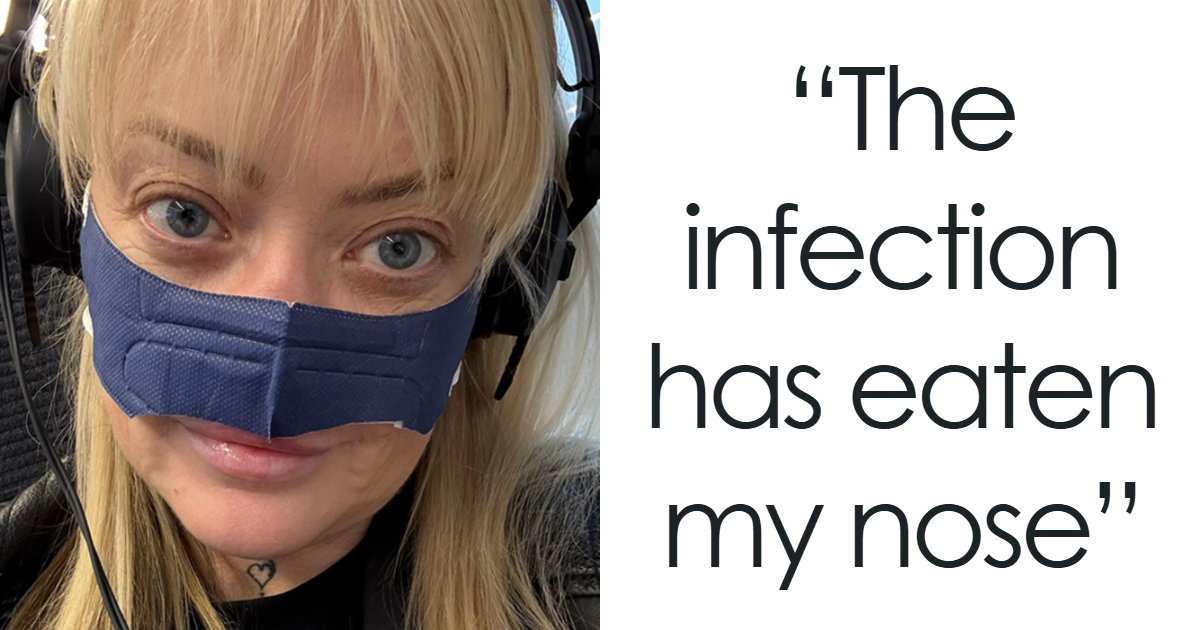
That is the cautionary theme behind the viral story of a woman who said her roughly $4,000 “Turkey teeth” procedure went terribly wrong. According to public reports, Leanne Abeyance, a 41-year-old mother from the United Kingdom, traveled to Turkey for affordable dental work after previous cosmetic treatment. What was supposed to be a budget-friendly fix reportedly turned into ongoing pain, infection, breathing problems, and a desperate search for corrective care. Her warning was simple and chilling: “My face is changing every day.”
The story spread because it hits a nerveseveral, actually. Cosmetic dentistry is expensive. Social media makes the “perfect smile” look as easy as ordering a latte. Dental tourism promises savings, speed, and sometimes a hotel transfer so smooth it feels like the teeth come with concierge service. But when complex procedures such as dental implants, sinus lifts, bone grafts, veneers, or full crowns are rushed, poorly explained, or inadequately followed up, the result can be far more serious than buyer’s remorse.
What Are “Turkey Teeth,” Really?
“Turkey teeth” is a popular phrase for cosmetic dental workoften veneers, crowns, implants, or full-mouth restorationsperformed in Turkey, usually at lower prices than patients would pay in the United States or the United Kingdom. The phrase is not a medical term, and it should not be used to suggest that all Turkish dentistry is unsafe. Turkey has skilled dentists and modern clinics. The problem is not a passport stamp. The problem is bad planning, unrealistic marketing, underqualified providers, rushed timelines, and patients who do not fully understand what is being done to their natural teeth.
One major misunderstanding is the difference between veneers and crowns. Veneers are thin shells placed on the front surfaces of teeth, usually for cosmetic improvement. Crowns cover much more of the tooth and typically require more tooth reduction. On social media, both may be casually called “veneers,” but that casual wording can hide a serious clinical difference. A true veneer is not the same as shaving teeth down for full crowns. One is a tailored jacket; the other is more like replacing the whole outfit, closet included.
For patients chasing ultra-white, ultra-straight smiles, the appeal is obvious. A quote at home may be tens of thousands of dollars, while an overseas package may seem dramatically cheaper. But a lower upfront price can become a financial trap when follow-up visits, complications, emergency scans, corrective surgery, lost work time, and legal uncertainty enter the picture.
The Reported Case: A Cheap Smile That Became a Medical Nightmare
Public reports described Abeyance traveling to Antalya, Turkey, for dental implants after earlier cosmetic dental work. She reportedly expected a more affordable solution than private treatment at home. During the process, she said the clinic recommended additional procedures, including work connected to bone support and sinus lifting. After returning home, she reportedly experienced facial swelling, sinus problems, pain, and difficulty breathing through her nose.
Later scans reportedly suggested that dental implants had affected the nasal or sinus area. She has said she struggled to find corrective treatment because the work had been done abroad and the complications were complex. According to reporting, she turned to crowdfunding and social media to document her experience and warn others considering cut-price dental tourism.
This is the point where the internet usually splits into two unhelpful teams. Team One says, “Never go abroad for dental work.” Team Two says, “It worked for my cousin’s neighbor’s barber, so it must be fine.” Both are too simplistic. The safer conclusion is this: complex dental treatment requires proper diagnosis, conservative planning, licensed clinicians, clear documentation, realistic timing, and accessible aftercare. Without those ingredients, even a shiny new smile can become a very expensive lesson in fine print.
Why Dental Tourism Is So Tempting
Dental tourism is not popular because people are reckless. It is popular because dental care can be painfully expensive. In the United States, cosmetic procedures are often not covered by insurance. Even medically necessary dental work can come with large out-of-pocket costs. If someone is quoted $40,000 or $50,000 for extensive restorative treatment at home, a $4,000 or $8,000 overseas quote can feel like a lifeline.
There is also the social media effect. TikTok, Instagram, and YouTube are packed with “before and after” smile transformations. The videos are edited like mini fairy tales: sad teeth, airplane selfie, dental chair, swelling, reveal, applause, confident grin. What viewers do not always see is the six-month follow-up, the bite adjustment, the replacement costs, the gum health checks, or the patient who cannot find help when something feels wrong.
Package deals can make the decision feel even easier. Clinics may offer airport pickup, hotel stays, translators, and quick treatment windows. Convenience is not automatically suspicious. However, when a treatment plan is shaped more around a return flight than biology, healing, and long-term maintenance, the red flags start waving like they just drank espresso.
The Real Risks Behind the Perfect Smile
1. Veneers Are Often Irreversible
Many veneers require removal of some enamel. Once enamel is removed, it does not grow back. That means the patient may need some form of restoration for life. Veneers can chip, loosen, discolor, or need replacement over time. The “new smile” is not a one-time purchase; it is a maintenance relationship. Think less “I bought teeth” and more “I adopted a very expensive pet that lives in my mouth.”
2. Crowns Can Be More Aggressive Than Patients Expect
If a patient believes they are getting veneers but actually receives crowns, much more natural tooth structure may be removed. Crowns can be appropriate when teeth are damaged, weakened, or heavily restored. But using crowns primarily for cosmetic reasons on otherwise healthy teeth can create long-term consequences. Over-preparation may increase sensitivity, nerve problems, bite issues, and the need for root canals or replacements later.
3. Dental Implants Require Careful Planning
Dental implants are not just screws with confidence. They are surgical devices placed into bone. Proper implant planning may require 3D imaging, evaluation of bone height and width, gum health, bite forces, medical history, smoking status, and healing capacity. Upper jaw implants can be especially close to the maxillary sinuses, so planning matters. A rushed or poorly positioned implant can create complications that are difficult to fix.
4. Infection Can Turn a Dental Problem Into a Health Problem
Any procedure that cuts tissue or places a device carries infection risk. Good clinics take infection control seriously, but patients still need clear instructions and follow-up care. Problems may appear after the patient is already back home. That is when the “cheap” procedure can become expensive, because local dentists may be hesitant to take over complicated work they did not plan or perform.
5. Follow-Up Care Is Not Optional
Many dental procedures are not finished when the patient leaves the chair. Implants may need months of healing before final teeth are attached. Bite adjustments may be required. Temporary restorations may fail. Gum tissue may react. Pain, swelling, looseness, bad taste, fever, or breathing changes should never be ignored. The safest treatment plan includes follow-up before, during, and after travel.
How the Low Price Can Become a False Economy
The phrase “false economy” sounds like something your dad says while inspecting a broken lawn mower, but it fits dental tourism perfectly. A treatment that saves money upfront may cost much more if it needs to be redone. Corrective dentistry is often harder than first-time dentistry because the dentist must deal with altered teeth, existing materials, possible infection, missing records, and patient trauma.
For example, replacing a poorly fitted crown is not always as simple as popping it off and gluing on a better one. The natural tooth underneath may be weak, decayed, sensitive, or fractured. An implant placed in the wrong position may require removal, bone grafting, sinus treatment, months of healing, and a new restoration. A bad bite can cause jaw pain, headaches, tooth wear, or broken restorations. Suddenly, the “deal” has a sequel, and nobody asked for a trilogy.
How to Research a Dental Clinic Abroad Before Booking
Patients considering dental tourism should slow down and ask boring questions. Boring questions save teeth. Ask for the dentist’s full name, license information, specialty training, clinic accreditation, treatment plan, materials, lab details, warranty terms, and written aftercare policy. Ask whether you are getting veneers, crowns, implants, bridges, or dentures. Ask how much natural tooth will be removed. Ask what happens if you develop pain after returning home.
Do not rely only on social media testimonials. Before-and-after photos are marketing, not medical records. A bright smile in a filtered video does not prove healthy gums, good bite function, clean margins, or long-term success. Look for independent reviews, complaint patterns, professional registration, and clear communication. If a clinic refuses to provide written details before you pay a deposit, your wallet should start backing toward the exit.
Questions Every Patient Should Ask Before Cosmetic Dental Work
Am I a candidate for veneers, or do I need another treatment?
Whitening, bonding, orthodontics, gum treatment, or limited restorations may be safer than aggressive tooth reduction. A good dentist should explain conservative options, not just sell the most dramatic transformation.
Will my teeth be shaved down?
Patients should understand exactly how much enamel or tooth structure will be removed. If the answer is vague, ask again. “Trust us, babe” is not a dental diagnosis.
What happens if I have pain after I fly home?
A reliable clinic should have a realistic aftercare pathway, not just a WhatsApp number and optimistic emojis. Ask whether local follow-up is arranged and whether emergency care costs are covered.
How long should healing take?
Complex implant treatment often cannot be safely completed in a few rushed days. Some procedures require months between stages. A timeline that sounds too convenient may be ignoring biology.
Who is responsible for complications?
Dental warranties can be narrow. They may cover materials but not travel, scans, infection treatment, local dentist fees, or corrective surgery. Read the terms before you are numb in the chair.
What U.S. Readers Should Learn From the “Turkey Teeth” Trend
Although this case involved a UK patient and treatment in Turkey, the lesson matters for Americans too. U.S. patients also travel abroad for dental care, often to Mexico, Costa Rica, Colombia, Turkey, Thailand, or other destinations. Many receive good care. Others return with complications, incomplete records, or restorations that local dentists must repair.
The safest approach is not panic. It is preparation. Start with a consultation from a licensed dentist at home. Get X-rays or 3D scans if needed. Ask for a written diagnosis. If an overseas clinic recommends a dramatically different plan, compare both explanations. If one dentist says you need whitening and minor bonding while another says you need twenty crowns by Friday, that difference deserves investigation.
Also consider the long-term cost. A smile makeover is not like buying sneakers. Restorations need maintenance. Veneers and crowns may need replacement. Implants need cleaning and monitoring. Gum disease, grinding, smoking, diabetes, and poor oral hygiene can shorten the life of dental work. The cheapest option today may not be the cheapest option over ten years.
When to Seek Urgent Help After Dental Work
Anyone who has had dental surgery or cosmetic dental work should seek prompt professional care if they experience severe or worsening pain, swelling that spreads, fever, pus, persistent bleeding, breathing problems, numbness, loose implants, a bad taste that does not go away, or difficulty opening the mouth. These signs do not automatically mean disaster, but they do mean “do not wait and see” has left the building.
Patients should keep copies of all treatment records, including X-rays, scans, implant brands and sizes, crown or veneer materials, medications, and invoices. Those documents can help a local dentist understand what was done and what needs attention. Without records, the next dentist has to solve a mystery with fewer clues than a detective in a fog machine.
The Bigger Problem: Smile Culture Has Gone Too Far
The viral obsession with perfect teeth has created a strange standard: teeth so white they look like they have their own power grid. Natural teeth have character. They are not supposed to look identical on every face. The best cosmetic dentistry respects facial shape, gum health, bite function, and natural proportions. The goal should be a healthy smile that suits the personnot a copy-and-paste celebrity grin.
Social media compresses decision-making. It turns medical choices into shopping content. But dentistry is healthcare. A dentist is not simply decorating teeth; they are working with living tissue, nerves, bone, gums, joints, and the airway. A beautiful result that damages function is not a success. It is a filter with consequences.
Experiences and Practical Lessons From Cases Like This
Stories like Abeyance’s are powerful because they reveal what brochures often leave out. The emotional experience can be just as heavy as the dental one. People who seek cosmetic treatment are often hoping for confidence, not complications. They imagine smiling freely in photos, speaking without embarrassment, or finally fixing something that has bothered them for years. When the result goes wrong, the disappointment can feel personal, even when the patient was misled, rushed, or poorly informed.
One common experience among patients with failed dental tourism is confusion. They return home knowing something feels off, but they are not sure what is normal healing and what is a warning sign. Mild soreness after dental work may be expected. Severe pain, spreading swelling, fever, breathing issues, or a restoration that feels unstable is different. The difficulty is that patients may not know where to turn. Their local dentist may not have the records. The overseas clinic may insist they come back. The patient may be afraid to fly again or unable to afford another trip. That gap between “something is wrong” and “someone can help me” is where stress multiplies.
Another experience is shame. Some patients feel embarrassed because friends or family warned them not to go. Others fear being judged for wanting cosmetic work in the first place. That shame can delay care, and delay can make problems harder to treat. The better response is not blame. It is documentation, medical evaluation, and a realistic repair plan. Teeth do not improve because someone says, “I told you so.” They improve because a qualified professional examines the situation and explains the next step.
There is also a financial lesson. Patients often compare only the first quote: local price versus overseas price. A smarter comparison includes flights, hotel, food, time off work, travel insurance, follow-up visits, emergency care, replacement restorations, and the possibility of local corrective treatment. A $4,000 quote may still be a bargain if the care is excellent and appropriate. But if it creates a $40,000 repair problem, the math has entered clown college.
For anyone considering a smile makeover, the best experience starts before treatment. Get a full dental exam. Treat gum disease and decay first. Ask for conservative options. Understand the difference between whitening, bonding, veneers, crowns, bridges, and implants. Request a written plan in plain English. Take time to think. A clinic that pressures you to decide immediately is selling urgency, not safety.
The final lesson is that good dentistry should feel collaborative. A patient should be able to ask questions without being treated like an inconvenience. A dentist should explain risks, alternatives, and maintenance. A treatment plan should make sense for the mouth, not just the mirror. The best smile is not the fastest smile or the whitest smile. It is the one that lets you eat, speak, breathe, laugh, and live without regret.
Conclusion: A New Smile Should Not Cost Your Health
The story behind “My face is changing every day” is more than a viral headline. It is a warning about the hidden risks of rushing into complex dental treatment because the price looks irresistible. Dental tourism can work when patients choose qualified providers, understand the procedure, plan for follow-up, and avoid aggressive treatment they do not need. But when marketing outruns medicine, the results can be painful, expensive, and life-changing in the wrong direction.
Before booking any cosmetic dental procedure abroad, ask hard questions, get a second opinion, read the paperwork, and remember that natural teeth are valuable. A Hollywood smile should not come with a horror-movie plot twist. Your teeth deserve more than a discount code and a boarding pass.