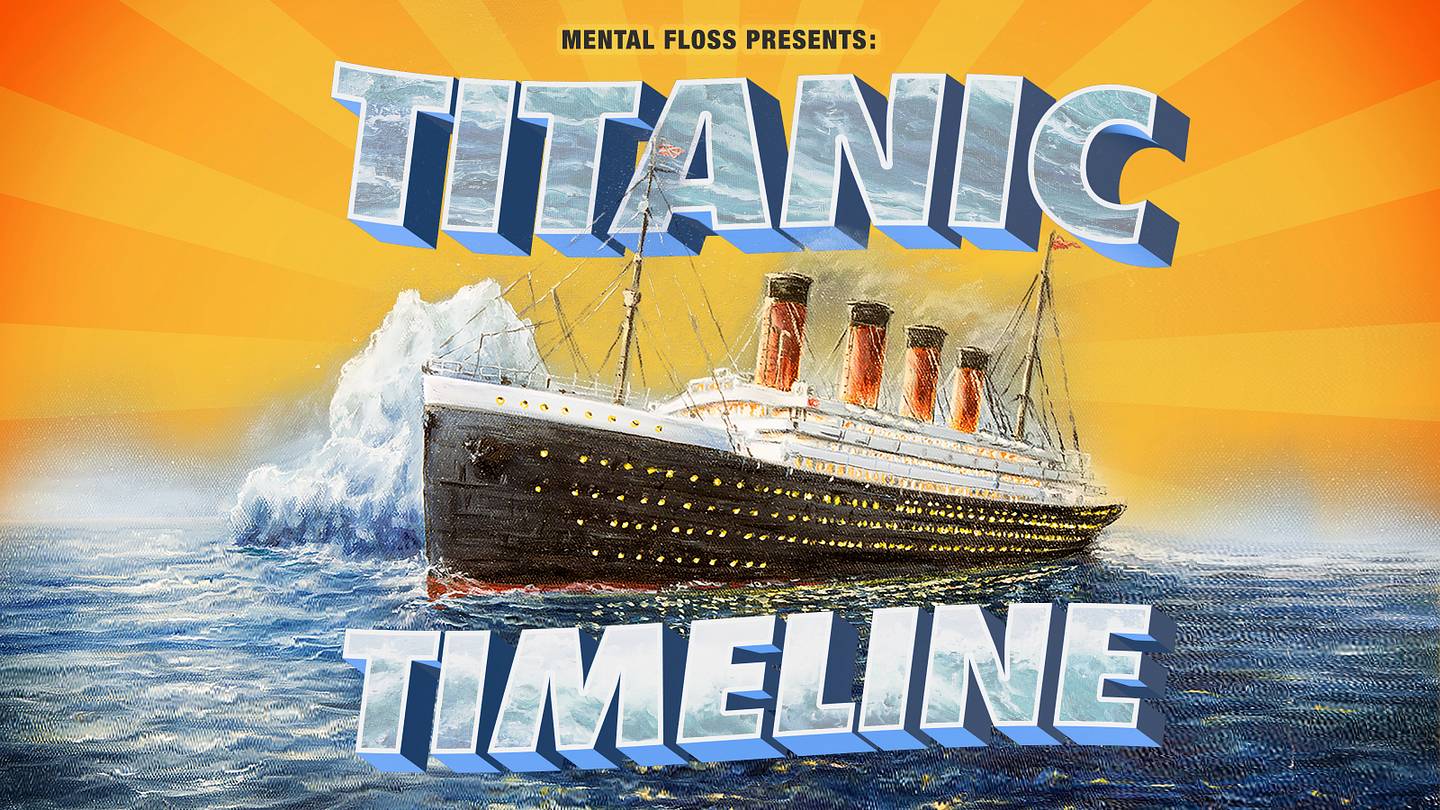
Few historical stories come with a built-in clock quite like the Titanic. The name alone feels less like a ship and more like a countdown: launch, luxury, warnings, collision, lifeboats, silence, rescue, inquiry, legend. The RMS Titanic was not merely a big boat with fancy staircases and very confident marketing. It was a floating snapshot of 1912: industrial ambition, class divisions, faith in technology, and a dangerous habit of assuming that “unlikely” meant “impossible.”
This Titanic timeline walks through the ship’s story from construction to catastrophe and beyond, connecting the major dates with the human choices behind them. Think of it as a historical itineraryminus the cold Atlantic water, the formalwear, and the deeply questionable lifeboat math. Along the way, we will explore how Titanic became the world’s most famous shipwreck, why its timeline still matters, and what its legacy teaches about safety, communication, leadership, and humility.
Why the Titanic Timeline Still Captures Our Attention
The Titanic disaster remains unforgettable because it combines scale with intimacy. The ship was enormous for its era, measuring more than 880 feet long, built to carry thousands of people, and designed as a luxury transatlantic liner for the White Star Line. But the story survives not because of steel, steam, and statistics alone. It survives because of individual moments: a lookout ringing the warning bell, wireless operators tapping out distress calls, musicians playing as passengers waited, families separated on deck, and a rescue ship pushing through darkness toward lifeboats in the freezing sea.
A timeline helps organize that emotional storm. It shows how the tragedy did not happen in one dramatic instant. It unfolded through a chain of decisions, delays, assumptions, procedures, and missed opportunities. Some were ordinary. Some were heroic. Some were fatal. The Titanic timeline is not just “ship hits iceberg, ship sinks.” It is a lesson in how history moves minute by minute while people are still deciding what to do next.
The Early Timeline: From Blueprint to Ocean Giant
1907: The Idea Takes Shape
The story begins before a single rivet was hammered into place. Around 1907, White Star Line chairman J. Bruce Ismay and shipbuilder Lord Pirrie of Harland and Wolff discussed creating a new class of liners to compete in the transatlantic passenger market. Instead of focusing only on speed, White Star aimed to sell size, comfort, and prestige. In other words, Titanic was designed to make the Atlantic crossing feel less like transportation and more like checking into a luxury hotel that happened to move.
March 31, 1909: Construction Begins
Titanic’s keel was laid at Harland and Wolff’s shipyard in Belfast on March 31, 1909. Building the ship required a massive workforce and an industrial system capable of turning raw material into a floating city. Titanic had watertight compartments, electric lights, elevators, restaurants, lounges, a gymnasium, a swimming bath, and accommodations ranging from lavish first-class suites to crowded third-class cabins. The ship was a marvel, but not magic. That distinction would become painfully important.
May 31, 1911: Titanic Is Launched
Titanic slid into the water on May 31, 1911, in front of a huge crowd. Launch day was not the same as completion day. The hull was afloat, but the ship still needed engines, interiors, fittings, and finishing work. Imagine moving into a mansion while the plumbing, furniture, and kitchen are still being installed. Now imagine the mansion is 46,000 gross tons and has triple-screw propulsion.
April 2, 1912: Sea Trials
On April 2, 1912, Titanic underwent sea trials to test handling, speed, stopping, and general performance. After passing inspection, the ship was cleared for service. From there, it traveled to Southampton, England, where passengers and crew would board for the maiden voyage. The schedule looked orderly. The confidence was high. The Atlantic, as usual, had not been consulted.
The Maiden Voyage Begins
April 10, 1912: Departure from Southampton
Titanic departed Southampton on April 10, 1912, bound for New York City. The passenger list represented a dramatic cross-section of society. First-class passengers included wealthy industrialists, socialites, and prominent families. Second-class travelers included professionals, clergy, teachers, and tourists. Third-class passengers were often emigrants heading to North America for work, family, and a fresh start. Titanic was one ship, but it contained many different worlds.
The departure nearly included an early scare. As Titanic moved away, its displacement caused nearby moored ships to shift, and the liner came close to colliding with the SS New York. Tugboats helped prevent an accident. It was a small preview of how size, momentum, and timing could turn routine movement into danger. Titanic continued on, and the mood returned to celebration.
April 10, 1912: Stop at Cherbourg
Later that day, Titanic stopped at Cherbourg, France, where more passengers boarded by tender because the harbor could not accommodate the liner directly. The ship then continued toward Queenstown, Ireland, now known as Cobh. For many Irish emigrants, this would be the last place they saw before heading across the Atlantic.
April 11, 1912: Final Stop at Queenstown
On April 11, Titanic reached Queenstown, took on additional passengers and mail, and then headed into the open Atlantic. The ship was now committed to its first transatlantic crossing. On board, daily life settled into rhythm: meals, promenades, card games, reading, worship services, engine-room labor, wireless messages, and the small dramas of travel. History books often speed toward the iceberg, but for passengers, the voyage included ordinary hours. That ordinariness is part of what makes the disaster so haunting.
April 12–13, 1912: Calm Seas and Growing Ice Warnings
During the first days at sea, Titanic enjoyed generally calm weather. Calm seas sound like good news, and in many ways they were. But unusually calm water can make icebergs harder to spot because waves do not break visibly at their base. Meanwhile, wireless messages from other ships reported ice in the North Atlantic. These warnings were not all ignored in a cartoon-villain sense; some were delivered, some were noted, and some competed with passenger messages being sent through the ship’s busy Marconi wireless room.
This is one reason the Titanic timeline matters. It reveals how disaster can develop in an environment where no single person says, “Let us make the worst possible decision.” Instead, multiple systems operate with blind spots. The ship was moving fast, the weather was cold, the sea was dark, binoculars were not available in the crow’s nest, and ice warnings were treated within the norms of the time. The result was a chain of vulnerability.
April 14, 1912: The Day Everything Changed
Morning and Afternoon: A Sunday at Sea
April 14 was a Sunday. Passengers attended religious services, wrote letters, enjoyed meals, and walked the decks. First-class passengers had access to luxurious public rooms and elaborate dining. Second-class passengers enjoyed accommodations that rivaled first class on some older ships. Third-class passengers had simpler spaces but, by the standards of many immigrant vessels, relatively improved conditions. Below decks, crew members kept the massive machine alive: boilers, engines, galleys, cleaning, navigation, wireless work, and service.
Evening: More Ice Reports
Ice warnings continued to arrive. One message from the nearby SS Californian warned of field ice, but Titanic’s wireless operators were busy handling passenger traffic. The wireless room was not simply a safety office; it also functioned like an Edwardian text-message center for wealthy travelers who wanted to communicate with shore. Imagine emergency alerts arriving while everyone is also trying to send “Having a splendid time, please feed the dog.” Not ideal.
11:40 p.m.: Iceberg Sighted
At about 11:40 p.m. ship’s time, lookout Frederick Fleet spotted an iceberg ahead and rang the warning bell. First Officer William Murdoch ordered evasive action, but Titanic could not turn quickly enough. The iceberg scraped along the starboard side, damaging the hull below the waterline. Contrary to older myths of one enormous gash, later analysis indicates a series of openings and damage across multiple compartments. The problem was not simply the size of each wound; it was where the wounds were. Too many forward watertight compartments were opened to the sea.
April 15, 1912: The Final Hours
Just After Midnight: Damage Becomes Reality
Captain Edward Smith, shipbuilder Thomas Andrews, and officers assessed the damage. Titanic had been designed to remain afloat if a limited number of compartments flooded, but the iceberg damage extended across too many. Andrews reportedly understood that the ship was doomed. This was the moment when Titanic shifted from emergency to evacuation, although many passengers still did not grasp the seriousness of the situation. After all, the ship was brightly lit, steady, and enormous. Human brains are not always quick to accept that a palace can sink.
12:15 a.m.: Distress Calls Begin
Wireless operators Jack Phillips and Harold Bride began sending distress signals, including CQD and SOS. Several ships received the calls, but distance, confusion, and wireless limitations affected the response. The RMS Carpathia, commanded by Captain Arthur Rostron, turned toward Titanic and pushed through dangerous waters to help. The Californian was closer, but its wireless operator had gone off duty, and its response to rockets and signals became one of the most debated failures of the disaster.
12:25 a.m.: Lifeboats Are Loaded
Orders were given to load women and children first. Titanic carried 20 lifeboats, enough for 1,178 peoplemore than legally required at the time but far fewer than the number on board. This is one of the most infamous facts in the Titanic timeline. Regulations had not kept pace with ship size, and confidence in the ship’s design reduced urgency around full lifeboat capacity. Worse, several boats left partially filled, especially early in the evacuation, when passengers hesitated and crew members struggled to manage order.
1:00–2:00 a.m.: Panic, Courage, and Confusion
As the bow sank lower, the reality became impossible to deny. Distress rockets rose into the sky. Passengers gathered on deck. Some crew members worked heroically to load boats, maintain lights, and keep order. The ship’s band is remembered for playing music during the evacuation, a detail that has become one of the most enduring symbols of composure under pressure. Not every story from those minutes can be neatly verified, but the broader picture is clear: the final hour mixed discipline, fear, sacrifice, denial, and desperation.
2:20 a.m.: Titanic Sinks
At approximately 2:20 a.m. on April 15, 1912, Titanic disappeared beneath the North Atlantic. More than 1,500 people died, making it one of the deadliest peacetime maritime disasters in modern history. The water was lethally cold, and many who entered it died quickly from cold shock and hypothermia. Lifeboats drifted in darkness, carrying survivors who had just witnessed something almost impossible to process: the largest and most celebrated ship of its day gone in less than three hours.
The Rescue and Aftermath
About 4:00 a.m.: Carpathia Arrives
The RMS Carpathia reached the disaster area around dawn and began rescuing survivors from lifeboats. Captain Rostron and his crew had prepared blankets, hot drinks, medical aid, and spaces for survivors. The rescue effort saved more than 700 people. For those pulled aboard, survival brought relief, shock, grief, and the terrible task of counting who was missing.
April 18, 1912: Survivors Reach New York
Carpathia arrived in New York on April 18, 1912, carrying Titanic’s survivors. Crowds, reporters, families, and officials waited in the rain. News coverage had already produced confusion, including early false reports that Titanic was being towed or that all passengers had survived. The truth arrived with the survivors, and it was devastating.
April–May 1912: Investigations Begin
The United States Senate quickly opened an inquiry into the disaster, followed by a British investigation. Testimony addressed lifeboats, speed, ice warnings, wireless communication, evacuation procedures, ship design, and regulatory failures. These inquiries were sometimes messy and politically charged, but they helped establish a public record and pushed maritime safety into a new era.
What Changed After Titanic?
The Titanic disaster led to major reforms in maritime safety. Ships were required to carry enough lifeboats for everyone on board. Wireless communication practices improved, including expectations for continuous radio watch. Ice monitoring in the North Atlantic became more formalized through the International Ice Patrol. The first International Convention for the Safety of Life at Sea, known as SOLAS, was prompted by the disaster and became a foundation for modern maritime safety standards.
Titanic did not end human overconfidence, unfortunately. Humans remain impressively talented at saying, “What could possibly go wrong?” while standing next to a large object, a complicated system, or a suspiciously blinking warning light. But Titanic did force regulators, shipowners, and the public to confront the gap between technological pride and practical preparation.
September 1, 1985: Titanic Is Found
For decades, Titanic rested unseen on the ocean floor. On September 1, 1985, a joint American-French expedition led by Robert Ballard located the wreck. The discovery transformed Titanic from a historical tragedy into a visible archaeological site. Images of the bow, debris field, and personal artifacts deepened public fascination while also raising ethical questions about preservation, salvage, and respect for a grave site.
The wreck continues to deteriorate in the deep ocean. Modern scans and expeditions have helped researchers understand the breakup, debris pattern, and condition of the ship. Yet every new image also reminds us that Titanic is not only a subject for documentaries and movie posters. It is the resting place of many who did not survive.
Why the Titanic Timeline Works Like a Warning Label
A strong Titanic timeline does more than list dates. It shows how confidence can become a risk when it discourages preparation. Titanic had advanced features, but not enough lifeboat space. It had wireless technology, but communication systems were imperfect. It had experienced officers, but speed and ice warnings created danger. It had watertight compartments, but the damage exceeded design assumptions.
The lesson is not that technology is bad. The lesson is that technology needs humility. A ship can be magnificent and vulnerable at the same time. A system can meet legal standards and still be unsafe. A crew can behave bravely and still be trapped by poor planning. Titanic’s timeline remains powerful because it turns a famous disaster into a sequence of understandable, preventable, and deeply human events.
Experiencing the Titanic Timeline: A Modern Reader’s Reflection
Reading the Titanic timeline is a strangely immersive experience. At first, the story feels distant: 1912, steamships, top hats, handwritten menus, and people sending wireless messages as if email had been invented by a telegraph machine with stage fright. But the deeper you move into the timeline, the more modern it feels. The details change, yet the emotional pattern is familiar. People trust systems. People follow routines. People assume someone else has checked the risk. Then, suddenly, the ordinary day becomes the day everyone remembers.
One of the most powerful ways to experience the Titanic story is to follow it hour by hour rather than jumping straight to the sinking. Start with the construction dates, and the ship feels like a triumph of engineering. Move to the maiden voyage, and it becomes a social world filled with ambition, migration, luxury, work, and hope. Then read the ice warnings, and the mood changes. The suspense is not fictional, because we already know the ending. That makes each ordinary detail heavier. A dinner menu becomes a last meal. A family photograph becomes a memory. A routine wireless message becomes background noise before disaster.
Visiting a Titanic museum or exhibition can make this timeline even more personal. Seeing replicas of cabins, lifeboat davits, china patterns, deck plans, or passenger lists changes the story from “a ship sank” to “these people had names, rooms, tickets, accents, luggage, plans, and probably opinions about breakfast.” The experience can be sobering, especially when exhibits show the difference between first-class, second-class, and third-class survival rates. The Titanic timeline is also a timeline of inequality. Where someone slept, how quickly they reached the deck, what language they spoke, and how crew instructions reached them could shape their chance of survival.
Watching a documentary or reading survivor testimony adds another layer. The timeline becomes less like a neat chart and more like a chorus of memories. Some survivors remembered calm. Others remembered confusion. Some saw acts of kindness; others saw fear and separation. That mix matters. Real disasters are rarely simple. They are not perfectly edited scenes with swelling music and clear heroes in every frame. They are chaotic human events where bravery and failure can exist side by side.
The most lasting experience of studying the Titanic timeline is the quiet realization that history is built from minutes. A delayed message, a missed warning, a half-filled lifeboat, a captain’s order, an engineer staying at his post, a rescue ship changing courseeach moment becomes part of the final story. That is why Titanic still matters. It asks us to pay attention before the crisis, not only after the tragedy. It reminds us that safety is not boring paperwork; it is future survival wearing a dull hat. And if Titanic teaches anything, it is this: when people call something “unsinkable,” someone should immediately count the lifeboats.
Conclusion: Titanic’s Timeline Is More Than a Disaster Story
The Titanic timeline remains compelling because it is both grand and painfully specific. It begins with ambition in shipyards and ends with reforms that changed maritime history. Between those points are human decisions: some confident, some confused, some courageous, and some tragically inadequate. Titanic was a technological wonder, but its story reminds us that wonder is not the same as wisdom.
More than a century later, the Titanic still asks uncomfortable questions. Are our safety rules keeping up with our inventions? Do we listen when warnings arrive? Do we prepare for unlikely events or merely admire our own cleverness? The answers matter far beyond one ship in the North Atlantic. That is why the Titanic timeline continues to fascinate readers, historians, filmmakers, engineers, and anyone who has ever looked at a “perfect plan” and wondered where the hidden iceberg might be.