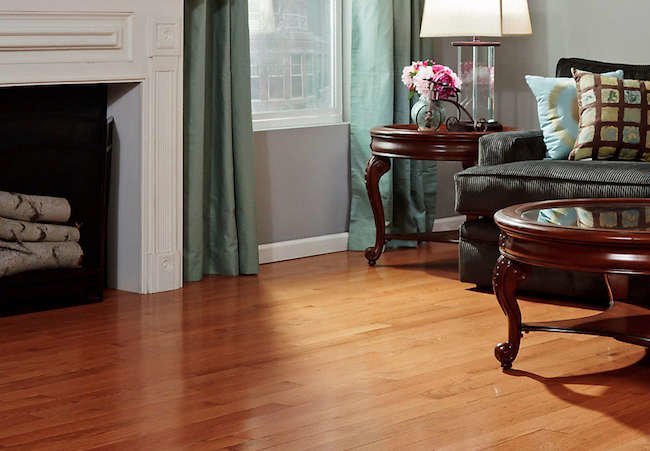
Hardwood flooring has a reputation for entering a renovation budget, ordering the most expensive appetizer, and leaving everyone else to split the bill. Fortunately, beautiful real-wood flooring does not have to cost as much as a small car. The trick is to shop beyond premium grades, fashionable extra-wide planks, and exotic species with names that sound like luxury resorts.
Affordable hardwood flooring can come from familiar domestic species, engineered construction, character-rich lumber grades, narrower boards, factory overruns, or unfinished products. A lower price does not automatically mean an inferior floor. Sometimes it simply means the boards contain knots, mineral streaks, shorter lengths, or more color variation. In the right room, those so-called imperfections provide the personality homeowners pay extra to imitate.
Before comparing the 19 options below, remember that material price is only part of the hardwood flooring cost. Installation, subfloor preparation, trim, transitions, underlayment, delivery, finishing, and waste can all affect the final total. Prices also vary substantially by region and inventory, so use samples, written estimates, and product specifications rather than relying on an old promotional price.
What Makes Hardwood Flooring Affordable?
Solid hardwood is milled from one piece of wood, while engineered hardwood uses a genuine wood surface over a layered wood or composite core. Both can qualify as real wood flooring when the visible wear surface is natural wood. Engineered products are often more stable during seasonal humidity changes and may support floating, glued, stapled, or nailed installation methods, depending on the manufacturer.
Grade also matters. Clear and select boards are chosen for consistent color and minimal natural marks. Natural, common, cabin, rustic, and character grades typically include more knots, streaks, sapwood, and color variation. Because fewer boards must be rejected during manufacturing, these lively grades can cost considerably less.
The Janka rating measures how resistant a wood species is to indentation, but it should not be treated like a magical durability score. Finish quality, grain pattern, color, household traffic, pet claws, grit, and maintenance also influence how a floor ages. A hard floor can still scratch, while a moderately hard floor with a matte finish may disguise daily wear beautifully.
19 Affordable Hardwood Flooring Options Worth Considering
1. No. 2 Common Unfinished Red Oak
Unfinished No. 2 Common red oak is one of the strongest candidates for genuinely cheap hardwood flooring. It commonly includes knots, color changes, mineral marks, and shorter boards, but it retains the familiar grain and practical durability that make red oak an American favorite.
Because the boards arrive unfinished, installation must be followed by sanding, staining, and sealing. That adds labor, yet it also allows the floor to be customized. A medium or dark stain can visually unite varied boards, while a natural finish creates a warm, informal appearance.
2. Character-Grade Prefinished Red Oak
Homeowners who like red oak but do not want sanding dust migrating into every cabinet can choose character-grade prefinished planks. The factory finish makes the floor usable shortly after installation and is generally more consistent than a rushed jobsite coating.
Character red oak works especially well in farmhouse, cottage, traditional, and transitional interiors. Its visible grain helps conceal small dents and scratches, unlike a perfectly smooth dark floor that announces every speck of dust like breaking news.
3. Narrow-Strip Red Oak
Wide planks remain popular, but narrow strips can deliver real solid hardwood for less. Boards around 2¼ inches wide are widely manufactured, easy to source, and compatible with many traditional interiors. Their numerous seams create a classic visual rhythm rather than the broad, modern look of wide-plank flooring.
Narrow strips may require more individual boards and fasteners, so labor should be compared carefully. However, competitive material pricing and broad availability can make them an excellent value for bedrooms, hallways, and living rooms.
4. Click-Lock Engineered Red Oak
Engineered red oak combines a genuine oak wear layer with a stable layered core. Click-lock versions can often be installed as floating floors, reducing the need for nails or full-spread adhesive. That makes them attractive to capable DIY renovators and homeowners trying to control installation costs.
Check the thickness of the real-wood wear layer before buying. Entry-level flooring may have little room for future sanding, while a thicker veneer can provide better long-term value. A cheap floor that must be replaced prematurely is simply an expensive floor wearing a fake mustache.
5. Character-Grade White Oak
White oak is admired for its durability, prominent grain, and compatibility with both warm and cool stains. Select-grade white oak can be expensive, but character-grade material offers a more accessible route to the same species.
Natural variation is part of the bargain. Expect knots, grain changes, and a mixture of lighter and darker boards. These features look intentional in rustic, organic-modern, coastal, and Scandinavian-inspired rooms, particularly under a low-sheen finish.
6. Engineered White Oak
An engineered white oak floor can provide the fashionable appearance of wide, pale planks without using solid white oak throughout the entire board. The cross-layered construction also handles normal humidity movement better than many wide solid planks.
Budget products may use thinner veneers and simpler finishes, so compare total thickness, wear-layer thickness, warranty terms, edge construction, and installation method. Do not select flooring from the display photograph alone; even frozen pizza looks heroic on the box.
7. Unfinished White Oak
Unfinished white oak gives homeowners control over stain color, sheen, and final appearance. It can be an economical choice when purchased in standard widths, common grades, or bulk quantities from a regional mill or flooring supplier.
Site finishing makes it possible to create a nearly seamless surface because the coating flows across board edges. However, professional sanding and finishing must be included in the budget. Request estimates for both unfinished and comparable prefinished flooring before assuming which route costs less.
8. Rustic Solid Hickory
Hickory is one of the hardest commonly available domestic flooring woods. Select hickory can command a premium, but rustic grades may be surprisingly competitive because the species naturally displays dramatic differences between pale sapwood and darker heartwood.
That bold variation is not subtle. Hickory is ideal for cabins, family rooms, country kitchens, and casual homes where the floor is meant to have visual energy. Its busy grain also helps distract the eye from minor damage caused by children, pets, and furniture rearranged during sudden bursts of optimism.
9. Engineered Hickory
Engineered hickory uses less premium hardwood per plank while retaining the species’ recognizable grain and contrast on the surface. It is a practical option when solid hickory is too costly or when the installation area experiences moderate humidity changes.
Choose matte or low-gloss finishes for active households. High-gloss hickory may look dramatic in a showroom, but it can reveal dust, footprints, and surface marks more quickly. A floor should support daily life, not require its own full-time publicist.
10. Standard-Width Maple Strip Flooring
Maple has a smoother, more understated grain than oak and creates a clean appearance in contemporary or midcentury-inspired interiors. Standard-width maple strips are generally more economical than extra-wide, long-length, or premium-clear boards.
Maple can be difficult to stain evenly because of its tight grain. Homeowners seeking a natural blonde floor may find prefinished maple especially convenient. Those wanting a dark stain should test a large sample first rather than discovering unexpected blotches after an entire room has been installed.
11. Engineered Birch
Birch offers gentle grain movement and warm color variation at a price that can fall below premium oak or maple collections. Engineered birch is commonly used in bedrooms, home offices, and lower-traffic living spaces where extreme hardness is less important.
Some birch products show strong contrast between boards, so open several cartons and blend planks during installation. Installing one box at a time can produce obvious patches of similar color that make the floor look assembled in separate weather systems.
12. Ash Flooring
Ash is a strong domestic hardwood with an open grain that can resemble oak. Its availability and price vary, but regional suppliers and mill outlets may offer attractive deals, especially in common grades or unfinished formats.
Light-colored ash can brighten compact rooms and works well with clear or pale finishes. Because supply conditions may be affected by tree health, regional harvesting, and mill inventory, buyers should confirm that enough matching material is available for the full project and future repairs.
13. Hevea or Rubberwood Flooring
Hevea, commonly called rubberwood, comes from plantation-grown rubber trees after their latex-producing years. It can offer a smooth grain, warm coloring, and competitive pricing, particularly in engineered or butcher-block-style flooring constructions.
Rubberwood is not as widely stocked as oak, so replacement material may be harder to find later. Buy at least one unopened extra carton and store it in a dry, conditioned space. Future-you will be grateful when a damaged plank needs replacing and the original collection has vanished.
14. Engineered Acacia
Acacia is known for dramatic grain, knots, and contrasting amber and brown tones. Engineered acacia uses a real acacia surface over a layered base, often making it more affordable and dimensionally stable than thick solid exotic planks.
The appearance can be extremely active. A large sample board is essential because one tiny showroom plank cannot demonstrate the full variation. Acacia works best when walls, rugs, and furniture provide visual breathing room rather than competing for attention.
15. Tauari, Sometimes Sold as Brazilian Oak
Tauari is a South American hardwood sometimes marketed as Brazilian oak, although it is not a true oak. It generally has a fairly straight grain and light golden coloring that can suit traditional and contemporary rooms.
Prices fluctuate with imports and availability, so it is not always a bargain. When discounted stock appears, compare shipping costs, product certification, warranty coverage, and the quantity available. For imported wood, responsible sourcing documentation deserves as much attention as the color sample.
16. Solid Oak Parquet Tiles
Parquet uses small pieces of hardwood arranged in repeating patterns. Basic oak parquet tiles may cost less than elaborate custom herringbone or chevron installations because the pattern is assembled into ready-to-install units.
Parquet can add architectural character to an entry, dining area, office, or small living room without requiring costly wide planks. Subfloor preparation is crucial, however. Small wood pieces will not disguise a wavy or damaged surface; they will simply follow it with impressive loyalty.
17. Short-Length and Mill-Run Bundles
Long, consistently clear boards command higher prices because they require larger portions of defect-free lumber. Bundles containing shorter or random lengths can therefore offer considerable savings while still providing real solid hardwood.
Short boards create more end joints, which produces a busier, traditional appearance. The installer should stagger joints thoughtfully and avoid clustering tiny pieces in one area. This option is most effective when the lower material cost is not erased by substantially higher labor charges.
18. Factory Seconds, Overruns, and Discontinued Colors
Flooring outlets occasionally sell factory seconds, excess inventory, canceled orders, and discontinued collections at reduced prices. Defects may be purely cosmetic, but buyers should inspect the grading description carefully and ask whether the manufacturer’s original warranty still applies.
Inventory is usually limited, so calculate the required quantity before purchasing. Order the entire project at once, including waste and spare cartons. Finding a nearly identical plank six months later is about as easy as finding one missing sock after laundry day.
19. Locally Reclaimed or Salvaged Hardwood
Professionally processed reclaimed hardwood is often expensive, but locally salvaged flooring can be affordable when it comes from renovation projects, architectural salvage stores, schools, warehouses, or demolition sales. Old oak, maple, and other species may offer grain and patina unavailable in new material.
Salvaged boards require careful inspection. Hidden nails, damaged tongues, adhesive residue, inconsistent thickness, insects, moisture problems, and lead-containing coatings can complicate reuse. The best bargain is clean, dry material that can be safely milled and installednot a trailer full of mystery lumber purchased because it looked romantic in the rain.
How to Choose the Best Budget Hardwood Floor
Compare Total Project Cost, Not Just the Box Price
A low per-square-foot price can be misleading if the floor needs expensive adhesive, specialized underlayment, extensive sanding, or a complicated installation pattern. Request an itemized estimate covering flooring, delivery, demolition, disposal, subfloor repair, moisture testing, trim, transitions, labor, finishing, and furniture movement.
Order Enough Material
Most projects require extra flooring for cuts, defects, pattern alignment, and future repairs. A straightforward room may need approximately 5 to 10 percent extra, while diagonal layouts, irregular spaces, and character-grade products may require more. Follow the manufacturer’s recommendation and ask the installer to confirm the quantity.
Inspect the Wear Layer on Engineered Products
Not every engineered hardwood floor has the same lifespan. A very thin wood surface may not tolerate sanding, while a thicker wear layer may support future refinishing. Core quality, number of layers, finish durability, locking profile, and warranty restrictions are also important.
Match the Floor to the Room
Solid hardwood performs best in conditioned spaces with controlled humidity. Engineered wood is generally more tolerant of normal seasonal movement, but neither category should be treated as automatically waterproof. Bathrooms, damp basements, leaking appliances, and wet mopping can damage real wood.
Check Environmental and Emissions Information
For engineered products containing composite wood components, look for required TSCA Title VI compliance information. Buyers interested in forest stewardship can also seek credible certification, such as FSC labeling, and verify claims rather than accepting vague phrases like “eco-friendly wood.”
Experience-Based Lessons from Affordable Hardwood Flooring Projects
The first lesson experienced renovators learn is that samples are cheaper than regret. A plank that appears warm and natural under bright showroom lighting can look pink, gray, orange, or strangely green inside a real home. Place several samples on the floor and observe them in morning light, afternoon sun, and artificial evening light. Test them next to cabinets, baseboards, rugs, and furniture. The floor covers a large visual area, so a small color mismatch becomes a room-sized color mismatch.
The second lesson is that natural variation should be planned rather than feared. Character-grade oak, hickory, acacia, and birch can contain noticeably different boards. Opening several cartons before installation allows the planks to be mixed throughout the room. This prevents one corner from becoming unusually dark while another looks pale and quiet. It also lets damaged or unattractive boards be reserved for closets, perimeter cuts, or areas beneath permanent cabinetry.
Subfloor preparation is another place where budget projects succeed or collapse. Hardwood does not flatten a bad subfloor. High spots, low spots, loose panels, moisture, squeaks, and old adhesive should be corrected before the first plank is installed. Skipping preparation may save money during the first week and create movement, noise, gaps, or failed joints later. Moisture testing is particularly important over concrete and in homes with crawl spaces, recent construction, plumbing leaks, or significant humidity swings.
Homeowners also discover that DIY savings depend on the installation system. A simple click-lock engineered floor in a square bedroom can be manageable for a careful beginner. Nail-down solid hardwood across multiple connected rooms is less forgiving. Door jambs, stairs, transitions, floor vents, uneven walls, and layout lines require planning and specialized tools. Hiring a professional for the difficult portions while handling demolition, furniture removal, or baseboard painting can provide a safer compromise.
Another practical lesson concerns sheen. Dark, glossy hardwood looks polished in photographs, but it can highlight dust, footprints, pet hair, scratches, and small dents. Natural colors, visible grain, wire-brushed textures, and matte or satin finishes usually age more gracefully in active households. This does not mean the floor is immune to damage. It means ordinary wear blends into the design instead of standing under a spotlight and waving.
Finally, experienced buyers keep spare material. Collections are renamed, colors are adjusted, factories change, and retailers discontinue products. A sealed extra carton can rescue a future repair after a refrigerator leak, damaged doorway, or remodeling project. Store it flat in a dry, climate-controlled location rather than in a damp garage. The small upfront expense is usually far lower than replacing an entire room because six matching boards cannot be found.
Conclusion
Beautiful hardwood flooring is possible without buying premium clear-grade walnut or importing planks from a forest with its own passport control. Affordable choices include common-grade red oak, rustic hickory, engineered white oak, maple strips, parquet, mill-run bundles, factory overruns, and carefully selected salvaged wood.
The smartest choice balances appearance, hardness, construction, finish, room conditions, installation method, and long-term repair options. Compare complete project estimates, inspect multiple samples, verify product specifications, and leave room in the budget for subfloor preparation. A modestly priced floor installed correctly will usually outperform a luxury floor placed over unresolved problems.
Editorial note: Flooring prices, product names, warranties, and inventory change frequently by retailer and location. Verify current specifications, certification claims, installation instructions, and total project costs before purchasing.