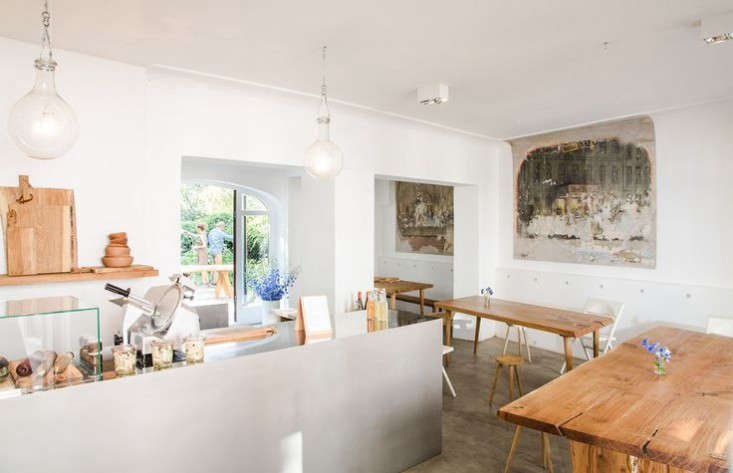
Some cafés serve coffee. Some cafés serve lunch. And then there are places like Laden Cafe in Berlin, where you sit down for a flatbread and suddenly realize you are also sitting inside a design showroom. The chair has a story. The table has character. The cutting board looks too beautiful to be trusted with tomatoes. Berlin, naturally, treats this as perfectly normal.
Laden Cafe became known as a thoughtful hybrid: part café, part restaurant, part garden hideaway, and part showroom for Buchholz Berlin’s handcrafted wooden furniture and objects. Created in collaboration with the team behind Lokal, it brought together the things Berlin does especially well: low-key hospitality, honest food, natural materials, quietly confident design, and the feeling that the best places are never shouting for attention.
For travelers, design lovers, food writers, and anyone who has ever judged a café by its chairs, Laden Cafe offers a useful lesson: a memorable dining space does not need gimmicks. It needs texture, warmth, rhythm, and a reason to stay a little longer.
What Makes Laden Cafe Special?
Laden Cafe’s charm comes from its layered identity. It was not designed as a typical restaurant with furniture added at the end like an afterthought. Instead, the furniture, food, wine, and atmosphere were part of the same idea. Guests could eat lunch, enjoy coffee, linger over a glass of wine if they were adult diners, and discover that many of the objects around them were made to be touched, used, and even purchased.
That “living showroom” concept is the heart of Laden. Rather than displaying furniture under cold lights with tiny “do not touch” signs, the café allowed design to perform in real life. Tables held plates. Stools carried conversations. Wooden bowls and boards became part of the meal instead of decoration. It was design with crumbs on it, which is often the best kind.
The Berlin-Mitte Setting
Mitte is one of Berlin’s most interesting neighborhoods for cafés, galleries, boutiques, restaurants, and design studios. It sits at the city’s cultural center, but the best corners still reward wandering. Laden Cafe fit naturally into this environment because it reflected the neighborhood’s mix of old buildings, modern creative businesses, and courtyard discoveries.
Berlin cafés are rarely just places to grab caffeine and run. Many function as informal offices, social clubs, reading rooms, brunch spots, gallery extensions, and neighborhood anchors. Laden belonged to that tradition, but with a stronger design identity. It invited guests to slow down and notice the room: the grain of the wood, the proportions of the tables, the quiet presence of handmade objects, and the softness that comes from natural materials.
Food: Simple, Seasonal, and Not Trying Too Hard
The food at Laden Cafe was built around a small, changing menu rather than an encyclopedia of options. That approach suits Berlin’s modern dining culture, where many of the most memorable meals happen in places that do fewer things well instead of everything loudly.
Flatbread became one of the café’s signature ideas, supported by dishes such as soups, salads, and fresh, produce-driven plates. The appeal was not theatrical plating or luxury ingredients stacked like architectural experiments. It was food that matched the room: rustic, thoughtful, direct, and comfortable.
Why Flatbread Works So Well in This Concept
Flatbread is humble, but in the right setting it becomes a perfect café dish. It can be crisp or chewy, simple or layered, lunch-friendly or snackable. It belongs on a wooden board. It pairs naturally with herbs, vegetables, cheeses, spreads, and seasonal toppings. Most importantly, it does not interrupt the conversation by demanding a spotlight and a drumroll.
At Laden, flatbread made sense because it connected to the casual garden atmosphere and the handcrafted tableware. A plate of food in a space like this should feel relaxed enough for a weekday lunch but special enough to remember later. The best café food often lives in that exact middle ground.
Wine: Casual, Social, and Part of the Atmosphere
Wine at Laden was not positioned as a formal, intimidating performance. It was part of the café’s broader rhythm: lunch, afternoon coffee, an adult glass of wine, conversation, and browsing. That style fits Berlin’s relaxed approach to eating and drinking, where many wine-focused spaces feel more like living rooms than velvet-rope destinations.
Berlin has become especially interesting for natural wine, independent wine bars, and restaurants that treat wine as a companion to food rather than a status symbol. Laden’s wine offering belonged to this spirit. It helped transition the space from daytime café to early-evening hangout without changing its personality.
The important lesson is balance. Wine can elevate a café concept when it supports the food, the design, and the pace of the place. At Laden, the mood was not “look at this bottle.” It was “stay a little longer.” That is a very Berlin sentence, even if no one says it out loud.
Design: Buchholz Berlin’s Handmade Warmth
The design story is where Laden Cafe becomes more than a pleasant place to eat. Buchholz Berlin is associated with handcrafted tables, stools, cutting boards, lamps, ceramics, wooden bowls, and interior objects made with a strong respect for material character. The furniture often emphasizes solid wood, visible grain, generous proportions, and a sense of permanence.
In a world full of cafés that look as if they were assembled from the same mood board titled “minimal but expensive,” Laden offered something warmer. The objects felt grounded. The wood brought texture. The furniture had presence without becoming heavy. The space understood that rustic design does not have to mean rough, and refined design does not have to mean cold.
A Showroom You Can Actually Use
The most compelling part of the concept was that guests could interact with the furniture naturally. A table is easier to understand when you eat at it. A stool makes more sense after you sit on it for an hour. A cutting board becomes more desirable when it arrives under lunch rather than behind glass.
This approach turns hospitality into a form of storytelling. Instead of asking visitors to imagine how a piece might feel in daily life, Laden demonstrated it. The café became a live catalog, but without the awkwardness of a catalog. No one wants lunch inside a brochure. Laden avoided that by making the dining experience feel genuine first and commercial second.
The Garden Feeling
One of Laden Cafe’s most memorable qualities was its garden-like atmosphere. In a busy city, a backyard garden or courtyard can feel like a secret reward for paying attention. Berlin is excellent at these hidden spaces. You step through a doorway, leave behind the street noise, and suddenly the city has turned down the volume.
That garden element mattered because it softened the showroom concept. Wood, plants, fresh food, and daylight naturally belong together. The garden gave the café a lived-in calm and made the design feel less staged. It also connected the menu to seasonality, especially when herbs and produce could reinforce the feeling of freshness.
Why Laden Cafe Feels So Berlin
Berlin’s best hospitality spaces often reject polish for personality. They are stylish but not stiff, creative but not desperate to impress, and comfortable enough to let guests define their own pace. Laden Cafe fits this pattern beautifully.
It also reflects Berlin’s talent for hybrid spaces. The city has long embraced cafés that double as galleries, shops that host events, studios that serve coffee, and restaurants that feel like cultural meeting points. Laden combined food, wine, design, and retail without making the mix feel forced.
In another city, the concept might have been packaged as a luxury lifestyle experience with too many adjectives and a candle that costs more than dinner. In Berlin, it felt more direct: good objects, good food, good room. Done.
What Visitors Can Learn from the Laden Cafe Concept
Even if you are not planning a trip specifically around one café, Laden offers a great framework for understanding Berlin’s modern hospitality scene. It shows how a restaurant or café can become memorable through coherence rather than excess.
1. Small Menus Can Feel More Personal
A focused menu tells guests that the kitchen has made decisions. Instead of trying to please everyone with twenty pages of options, a small menu creates trust. Laden’s salads, soups, flatbreads, coffee, and wine worked because they belonged together.
2. Design Should Be Touched, Not Just Photographed
Beautiful interiors are easy to admire and hard to love if they feel untouchable. Laden made design physical. The table was not background; it was part of the meal. That tactile quality gave the café its soul.
3. Atmosphere Is Built from Details
A café’s atmosphere is not one thing. It is the light, the seating, the food, the garden, the sound level, the staff, the pace, and the objects on the table. Laden understood that mood comes from accumulation.
4. Retail and Hospitality Can Work Together
Retail inside a café can feel awkward if it interrupts the guest experience. Laden succeeded because the products were already part of the space. You did not feel like you were being sold to; you felt like you were discovering the source of the room’s charm.
How Laden Fits Into Berlin’s Food Scene
Berlin’s dining scene is broad, multicultural, and often casual in the best way. The city may be famous for currywurst and döner kebab, but its food culture now stretches across global cuisines, modern bistros, natural wine bars, specialty coffee shops, bakeries, and low-key neighborhood restaurants.
What connects many of Berlin’s most loved food spaces is informality. The city does not always reward the shiniest room or the most dramatic tasting menu. It often rewards places with a point of view. Laden’s point of view was clear: food and design should live together, and the guest should feel at home inside that relationship.
Design Analysis: Why the Space Works
From a design perspective, Laden Cafe works because it uses contrast intelligently. There is rustic wood, but the overall composition is clean. There are handmade objects, but the room does not feel cluttered. There is a showroom function, but the café still feels hospitable. The result is a space that balances utility and emotion.
Wood is the dominant material language. That matters because wood ages well, absorbs use, and carries visual warmth. In hospitality design, wood can make a space feel settled immediately. It also photographs beautifully without feeling like it was created only for photographs.
The design avoids the trap of perfection. Handmade furniture should show life. Slight variation, visible grain, and honest texture give a room character. Guests may not analyze these details consciously, but they feel them. A good café chair can say, “Relax, nobody is timing you.” That is a powerful message.
Who Would Love Laden Cafe?
Laden Cafe is the kind of place that appeals to several types of visitors. Food lovers appreciate the simple, seasonal menu. Design enthusiasts notice the craftsmanship. Travelers enjoy the hidden-gem feeling. Writers and freelancers appreciate the kind of room where ideas arrive with coffee. People who love beautiful homes may leave thinking about wooden bowls with suspicious intensity.
It is especially appealing for anyone interested in how restaurants create identity. Laden is not memorable because it checks one box. It is memorable because the food, objects, garden, and room speak the same language.
Experiences Inspired by Laden Cafe: Food, Wine, and Design in Berlin
Spending time in a place like Laden Cafe changes the way you move through Berlin. You begin to understand that the city’s best experiences are not always major landmarks. Sometimes they are small rooms behind quiet entrances, courtyards with plants, cafés that smell like bread and wood, and tables that make you wonder whether your own dining room has been underachieving.
The ideal experience begins with wandering. Berlin rewards the slow walker. In Mitte, you might pass galleries, independent shops, restored facades, bicycles locked to everything that will tolerate them, and cafés that appear suddenly like good ideas. Laden’s kind of appeal comes from this rhythm. You are not simply arriving for lunch; you are discovering a pocket of the city.
Inside, the first impression is tactile. Before the menu fully registers, the room does. The wood has warmth. The objects look useful rather than decorative. The design does not scream for attention, which somehow makes you notice it more. A large handmade table can feel communal without being chaotic. A stool can look simple until you realize how carefully proportioned it is. A cutting board can make you question every sad plastic board you have ever owned.
Then comes the food. A flatbread in this setting feels exactly right because it is informal, shareable, and grounded. It does not require a lecture. It arrives as something to tear, fold, top, and enjoy. Add a soup or salad, and the meal becomes the kind of lunch that does not weigh down the day. It leaves room for walking, looking, and maybe pretending you are now an expert in German interior craftsmanship.
For adult visitors, the wine element adds another layer to the experience. Not in a flashy way, but as part of the slow transition from afternoon into evening. A café that can shift from coffee to wine without changing its soul has achieved something subtle. It understands time. It knows that some conversations begin with caffeine and continue into dinner plans.
The garden feeling is perhaps the most Berlin part of all. Courtyard spaces in the city often feel like private discoveries, even when other people are clearly sitting there with the same discovery. Plants soften the urban edge. Fresh air changes the meal. The furniture makes more sense near greenery, and the food feels more connected to the season. You remember the atmosphere as much as the menu.
A visit inspired by Laden Cafe should not be rushed. The point is not to collect a photo and leave. The point is to notice how the space works on you. Does the chair make you stay longer? Does the table make the food look better? Does the room make conversation easier? These are the quiet questions great hospitality design answers without asking for applause.
The experience can continue beyond the café. Berlin is full of design shops, bakeries, wine bars, neighborhood restaurants, and coffee spots that share the same independent spirit. After a Laden-style lunch, you might walk through Mitte, browse small stores, visit a gallery, or sit in another café and compare the furniture like a person who has become mildly dangerous at dinner parties.
What stays with you is the idea that food and design are not separate pleasures. The plate, the table, the chair, the room, the garden, and the pace all shape the meal. Laden Cafe captured that beautifully. It showed that a café can be more than a stop between attractions. It can be an argument for slower travel, better objects, simpler food, and spaces that feel human.
Conclusion
Laden Cafe remains a compelling example of what happens when food, wine, and design are treated as parts of one complete experience. Its collaboration between hospitality and craftsmanship created a space where guests could eat, linger, look, touch, and imagine. The menu was simple, the materials were warm, and the atmosphere felt deeply connected to Berlin’s creative, understated personality.
For anyone writing about Berlin cafés, planning a design-focused itinerary, or studying how restaurants build memorable identities, Laden offers a timeless lesson: the best spaces do not merely serve customers. They invite people into a way of living, even if only for one flatbread, one coffee, and one beautifully made table.