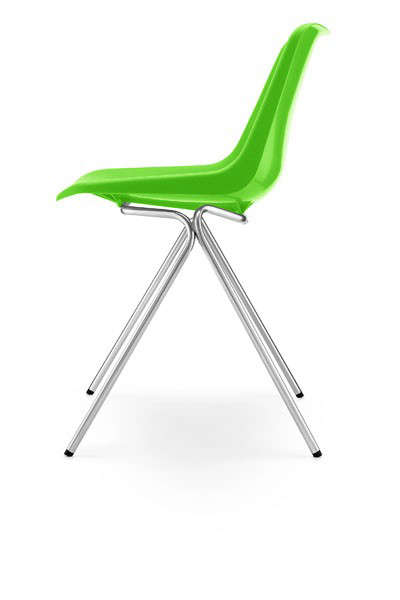
The Hille Poly Side Chair is one of those rare furniture designs that looks simple enough to be overlookeduntil you realize it helped change the way the world sits down. Designed by British industrial designer Robin Day for Hille, the chair became a landmark in modern seating because it made good design affordable, stackable, durable, and refreshingly unpretentious. In other words, it did not arrive wearing a velvet cape and demanding applause. It simply did its job very well, again and again, in schools, cafés, meeting rooms, public halls, homes, and institutions.
At first glance, the Hille Poly Side Chair is a clean polypropylene shell on a slim metal frame. Look closer, though, and the cleverness begins to show. The rounded edge is not decoration for decoration’s sake; it adds strength and comfort. The shell is lightweight but tough. The frame is visually delicate but practical. The chair stacks neatly, wipes clean easily, and fits into interiors without behaving like a diva. That balance of economy, engineering, and quiet charm is why the Hille Poly Side Chair remains relevant decades after its original launch.
What Is the Hille Poly Side Chair?
The Hille Poly Side Chair, often associated with the Robin Day Polyside chair, is a polypropylene side chair designed for mass use without sacrificing visual quality. It belongs to the family of postwar modern furniture that believed design should serve real people, not just collectors with spotless living rooms and suspiciously perfect coffee tables.
The chair’s defining feature is its one-piece molded polypropylene seat and back. Polypropylene was a new and exciting material for furniture production in the early 1960s. It allowed manufacturers to create a strong, flexible shell at scale, which was a major breakthrough compared with more expensive fiberglass or labor-intensive timber seating. The result was a chair that could be produced efficiently, sold affordably, and used almost anywhere.
A Short History of the Hille Poly Side Chair
Robin Day and the Search for Practical Modern Design
Robin Day was one of the most important furniture designers of the twentieth century. His work often focused on economy, structure, and modern manufacturing methods. He was not interested in making chairs that only looked futuristic in magazine spreads. He wanted furniture that could be used in real spaces by real people. The Hille Poly Side Chair is perhaps the clearest expression of that ambition.
Day’s relationship with Hille began long before the Poly Side Chair. Hille was already connected to British modern furniture, and Day helped push the company toward new ideas in public and contract seating. By the time the polypropylene chair was developed, the design world was ready for seating that could be light, durable, inexpensive, and elegant enough to avoid the dreaded “utility cupboard” aesthetic.
The 1960s Breakthrough
The original Hille Poly Side Chair was launched in the early 1960s after several years of development. That development mattered because the material and production method were still relatively new to furniture. Injection-molded polypropylene made it possible to create a shell with curves, strength, and repeatable quality. The chair did not need a padded back, carved frame, or complicated joinery to prove itself. Its intelligence was baked into the mold.
The design became widely successful because it solved several problems at once. It was affordable for large-scale buyers. It was light enough to move without turning every room setup into a weightlifting competition. It stacked efficiently. It could handle heavy use. And, crucially, it looked modern without looking cold. That is a difficult trick. Many practical chairs look like they were designed during a budget meeting. The Hille Poly Side Chair looks like someone cared.
Design Features That Make the Chair Special
The Polypropylene Shell
The shell is the star of the show. Molded from polypropylene, it combines the seat and back into one continuous form. This creates a visual simplicity that still feels contemporary. The material offers flexibility, impact resistance, and easy maintenance. For schools, offices, dining areas, and public spaces, that matters. A chair that survives daily use without demanding constant attention is not boring; it is heroic in a very practical way.
The rolled edge is another smart detail. It strengthens the shell while giving the chair a softer visual and physical edge. This is the kind of design move that separates a true classic from a plastic object that merely happens to have legs. The edge improves durability and comfort without adding unnecessary parts.
The P5 Stacking Frame
The relaunched version of the Hille Poly Side Chair is especially admired for restoring the original P5 stacking frame. This frame gives the chair its airy, graphic profile. It keeps the chair light in appearance while allowing it to stack and function in busy settings. The frame’s slim geometry creates a pleasing contrast with the curved shell, making the chair feel both engineered and friendly.
In interior design, legs matter more than people admit. A bulky frame can make a chair look clumsy even if the seat is beautiful. The P5 frame avoids that problem. It has a crisp, minimal presence that suits modern homes, creative studios, classrooms, cafés, and multipurpose rooms.
Color Options and Visual Personality
The Hille Poly Side Chair has appeared in classic tones such as light gray, charcoal, and flame, along with additional contemporary colors depending on production runs and suppliers. The color is not just cosmetic. A dark shell can feel architectural and restrained. A light gray version blends easily into Scandinavian, industrial, or minimalist interiors. A brighter version can give a room the visual equivalent of a raised eyebrowin a good way.
Why the Hille Poly Side Chair Became a Design Classic
A design classic usually earns that title by doing three things well: solving a real problem, staying useful over time, and looking good after fashion has moved on. The Hille Poly Side Chair checks all three boxes. It was created to be low-cost and mass-producible, yet it never felt like a compromise. It could serve schools, public buildings, offices, and homes. And its simple silhouette still fits contemporary spaces today.
The chair’s influence also comes from its democratic spirit. Not every important chair needs to live behind a rope in a museum. Some important chairs live in cafeterias, classrooms, church halls, libraries, and apartments. The Hille Poly Side Chair belongs to that wonderful category of design that people actually use. It is not precious, and that is part of its greatness.
Hille Poly Side Chair in Modern Interiors
Dining Rooms
In a dining room, the Hille Poly Side Chair works best when you want a relaxed modern look without visual heaviness. It pairs nicely with wood tables because the plastic shell and metal frame add contrast. Around a rustic table, it keeps the room from becoming too farmhouse-heavy. Around a sleek table, it reinforces the clean modern line. Around a table covered in paperwork, coffee mugs, and one mysterious battery, it still manages to look composed.
Home Offices and Studios
For short work sessions, creative studios, and flexible home offices, the Hille Poly Side Chair offers a practical seating option. It is not a fully adjustable ergonomic task chair, and it should not pretend to be one. But as a side chair for meetings, sketching, reading, or guest seating, it performs beautifully. Its compact footprint makes it especially useful in smaller spaces.
Cafés, Libraries, and Public Areas
The chair’s contract-friendly qualities are a big part of its history. It stacks, cleans easily, and handles repeated use. That makes it suitable for cafés, waiting areas, libraries, classrooms, and community spaces. In these environments, the Hille Poly Side Chair brings a touch of design heritage without asking staff to treat it like fragile sculpture.
Comfort and Everyday Use
Comfort is where honest expectations matter. The Hille Poly Side Chair is comfortable for dining, meetings, casual work, and everyday sitting. The curved shell supports the body in a natural way, and the rolled edge avoids sharp pressure points. However, it is still a molded plastic side chair, not a recliner, lounge chair, or executive throne. Nobody should expect it to solve a six-hour spreadsheet marathon without a cushion and several emotional support snacks.
For most practical uses, the chair performs very well. It is easy to move, easy to stack, and easy to clean. That combination makes it ideal for households that actually live in their furniture. If a chair can survive dinner guests, homework sessions, craft projects, and the occasional “why is there peanut butter here?” moment, it deserves respect.
How to Style the Hille Poly Side Chair
Pair It With Warm Materials
Because the chair has a plastic shell and metal frame, it looks especially good near warm textures. Wood, wool, linen, cork, leather, and woven rugs can soften the overall feel. This contrast keeps the room balanced. Too much plastic and metal can feel clinical; too much wood can feel heavy. The Hille Poly Side Chair sits comfortably in the middle.
Mix Vintage and Contemporary Pieces
The chair has mid-century roots, but it does not need to live in a museum-perfect mid-century room. In fact, it often looks better when mixed with contemporary lighting, simple shelving, or modern art. Use it as a bridge between eras. A vintage-inspired chair beside a modern desk can make the room feel collected rather than copied.
Use Repetition for Impact
One Hille Poly Side Chair is useful. A set of four or six creates rhythm. Around a table, repeated shells and frames give a room clean visual order. This is one reason stacking chairs often look better in groups. They were designed with repetition in mind, so they naturally create harmony when placed together.
Buying Tips: What to Look For
When shopping for a Hille Poly Side Chair, first decide whether you want a current licensed production model or a vintage example. A current model offers consistency, cleaner condition, and easier sourcing. A vintage chair may have more character, historical appeal, and collector interest, but it may also show wear, fading, or frame issues.
For vintage examples, check the shell carefully. Look for cracks, heavy warping, brittle areas, or damage around the fixing points. Inspect the frame for rust, bends, wobble, or poor repairs. Some patina is normal and can even be charming. Structural problems, however, are less charmingmore like a chair quietly plotting against your dignity.
Also pay attention to authenticity. The Hille Poly Side Chair has been widely copied and licensed in various markets over time. Markings, proportions, frame style, and seller documentation can help confirm what you are buying. If the price seems unusually high, ask for details. If the price seems suspiciously low, ask even more questions.
Care and Maintenance
The Hille Poly Side Chair is refreshingly low-maintenance. For everyday cleaning, a soft cloth with mild soap and water is usually enough. Avoid harsh abrasives that can scratch the surface. For metal frames, wipe away moisture and check occasionally for signs of rust, especially if the chair is used in humid environments.
Do not leave polypropylene chairs in harsh direct sunlight for long periods if you want to preserve color and surface quality. Like most plastics, polypropylene can age when exposed to intense UV light. Indoors, with ordinary care, the chair can remain handsome and functional for many years.
Hille Poly Side Chair vs. Other Plastic Chairs
It is easy to say “plastic chair” and imagine something disposable, flimsy, or destined for a sad corner of a garage. The Hille Poly Side Chair proves why that assumption is unfair. Its value lies in design intelligence: the shape, the rolled edge, the frame, the stackability, the material choice, and the manufacturing logic. It is not just a chair made from plastic. It is a chair that helped show what plastic could do when guided by a serious designer.
Compared with many generic plastic chairs, the Hille Poly Side Chair has better proportions and stronger design heritage. Compared with padded dining chairs, it is easier to clean and visually lighter. Compared with sculptural designer chairs, it is more practical and usually less fussy. That balance is its sweet spot.
Experience Section: Living With the Hille Poly Side Chair
Using the Hille Poly Side Chair in everyday life gives you a better appreciation of why it became so successful. Some chairs impress you immediately and then annoy you slowly. This one tends to do the opposite. At first, it may seem almost too modest. Then, after a few weeks, you realize you keep reaching for it because it is light, easy, and never in the way.
In a small apartment, that matters. A chair that can be moved from dining table to desk to balcony door without drama becomes part of the daily rhythm. You can pull it out for a guest, stack it when cleaning, or shift it into a corner when you need more floor space. It does not scrape visually against other furniture. It simply adapts.
At a dining table, the chair feels casual but not cheap. The curved shell gives enough support for meals, conversations, and the kind of after-dinner sitting where everyone says they are leaving soon and then stays another hour. The surface is forgiving, too. Spills are not a crisis. Crumbs do not disappear into upholstery like tiny fugitives. A quick wipe usually restores order.
In a workspace, the Hille Poly Side Chair works best as a flexible side chair rather than a full-time office chair. It is excellent for reading, planning, quick laptop sessions, or visitor seating. Add a slim cushion if you plan to sit longer. The chair’s lightness makes it especially helpful in studios, where furniture often needs to move around depending on the project.
The visual experience is also satisfying. The chair has enough history to feel meaningful but not so much ego that it dominates the room. Guests who know design may recognize it. Guests who do not know design may simply say, “That’s a nice chair.” Both reactions are wins. A good chair should not require a lecture, although this one can certainly inspire one if coffee is involved.
One of the nicest things about the Hille Poly Side Chair is that it makes a space feel used in the best sense. It belongs in rooms where people gather, work, eat, talk, and occasionally drop things. It does not demand perfection. It rewards practicality. That is why it feels fresh even today. In a world full of furniture trying very hard to be iconic, the Hille Poly Side Chair became iconic by being useful first.
Conclusion
The Hille Poly Side Chair is a design classic because it combines affordability, durability, stackability, and style with unusual grace. Robin Day’s design turned a new material into a practical seating solution that could serve public spaces and private homes alike. Its molded polypropylene shell, rolled edge, and elegant frame continue to make it relevant for modern interiors.
Whether used around a dining table, in a studio, in a café, or as flexible guest seating, the chair proves that good design does not need to shout. Sometimes it only needs to sit quietly in the corner, looking sharp, working hard, and waiting for someone to notice that the simplest object in the room may also be the smartest.