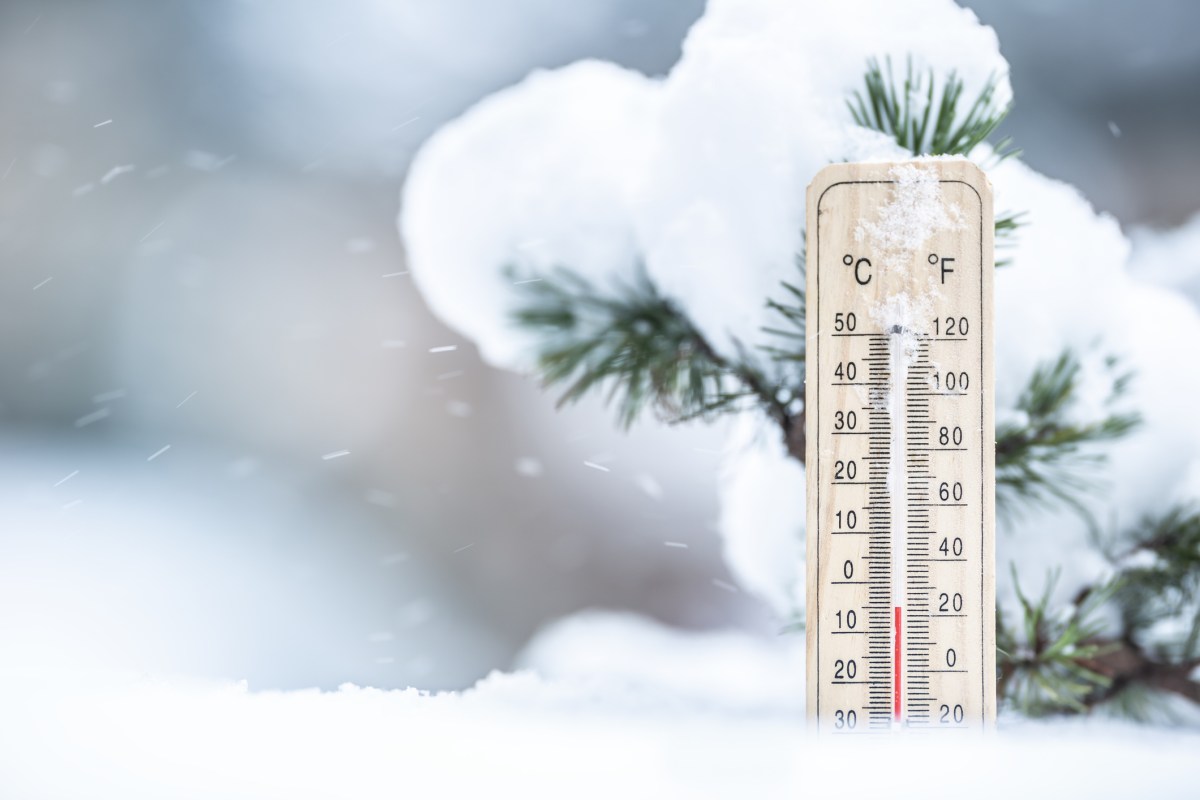
When a La Niña winter shows up in the forecast, it does not arrive politely with a scarf, a mug of cocoa, and a handwritten warning. It tends to barge in with shifting storm tracks, colder snaps in parts of the northern United States, heavier precipitation in some regions, drier conditions in others, and the kind of “surprise” weather that makes your past self wish you had bought batteries before everyone else did.
La Niña is part of the El Niño-Southern Oscillation, a natural climate pattern linked to cooler-than-average sea surface temperatures in the central and eastern tropical Pacific. In the United States, La Niña often influences winter weather by nudging the jet stream northward. That can mean wetter, colder, and stormier conditions across parts of the Pacific Northwest, northern Rockies, Great Lakes, and Upper Midwest, while portions of the South may trend warmer and drier. The key word is “often,” not “always.” Weather has a personality, and occasionally that personality is chaos in snow boots.
The good news: you do not need to build an underground bunker or panic-buy seventeen cans of beans you secretly hate. A smart La Niña winter preparation plan focuses on practical products that protect warmth, power, food, water, mobility, and communication. Below are 10 winter-ready products worth considering before the first storm warning sends everyone racing to the same checkout line.
Why La Niña Winter Preparation Matters
La Niña does not affect every neighborhood the same way. A family in Seattle may worry about extended rain and mountain snow. A homeowner in Minnesota may think about bitter wind chills and icy commutes. Someone in Texas or the Southeast may face a different problem: a rare cold snap that stresses homes and roads not built for deep winter. That is why the best preparation is flexible. You are not preparing for one exact forecast; you are preparing for the most likely inconveniences: power outages, slick roads, frozen pipes, delayed deliveries, indoor heating risks, and the universal winter mystery of where all the flashlights went.
Before buying anything, start with three questions: What winter hazard is most common where I live? What would become difficult if power, heat, or roads were disrupted for 24 to 72 hours? Who in my household needs extra support, such as infants, older adults, pets, or people who rely on medication or powered medical devices?
10 Products to Prepare for a La Niña Winter
1. NOAA Weather Radio With Battery Backup
A weather radio is the quiet hero of winter preparedness. Smartphones are great until the power drops, cell service gets spotty, or your battery is down to 3% because you spent the storm watching videos of people slipping on ice. A NOAA weather radio can deliver emergency alerts for winter storms, blizzards, ice storms, flooding, and high winds.
Look for a model with SAME alert programming, battery backup, hand-crank charging, USB charging, and a built-in flashlight. If you live in an area prone to severe storms or rural outages, this belongs near your emergency kit, not buried in a garage box labeled “miscellaneous stuff from 2018.”
2. Carbon Monoxide Detectors and Fresh Batteries
Winter power outages can increase carbon monoxide risks because people may turn to generators, fireplaces, gas appliances, or alternative heat sources. Carbon monoxide is especially dangerous because it is invisible and odorless. Your nose cannot save you here. A working carbon monoxide detector can.
Install carbon monoxide alarms on every level of the home and near sleeping areas. Choose battery-powered or battery-backup units so protection continues during outages. If you already own detectors, check the expiration date. Many units need replacement after several years, and the “it beeped once last summer, so it is probably fine” method is not a safety strategy.
3. LED Lanterns, Flashlights, and Extra Batteries
During a winter outage, lighting quickly moves from “nice to have” to “please stop walking into furniture.” LED lanterns are safer and more practical than candles because they reduce fire risk and provide broader illumination. Keep one lantern in a central room, one near bedrooms, and one in your emergency kit.
Choose lanterns with long battery life, adjustable brightness, and rechargeable options. Headlamps are also useful because they leave your hands free for tasks like checking the breaker panel, carrying supplies, or making a sandwich with the confidence of a miner entering a cave.
4. Portable Power Bank or Power Station
A small power bank can keep phones charged. A larger portable power station can support laptops, routers, lights, or small medical devices, depending on capacity. For many households, a battery power station is simpler and safer than a fuel-powered generator because it can be used indoors without exhaust.
When shopping, compare watt-hour capacity, output ports, recharge time, and whether it supports solar charging. Think about your essentials first: phones, internet equipment, rechargeable lights, and critical devices. Do not buy based only on the biggest number on the box. Buy based on what you actually need to power when winter decides to unplug your life.
5. Home Weatherization Kit
A home weatherization kit may include door sweeps, adhesive weatherstripping, window insulation film, caulk, outlet sealers, and draft blockers. These low-cost items can make a house feel warmer and help reduce energy waste. During a La Niña winter, especially in colder northern regions, stopping drafts can make rooms more comfortable without forcing your heating system to work like it owes you money.
Start with obvious leaks around doors, windows, attic hatches, and exterior wall outlets. If you can feel cold air sneaking in, your heating bill can feel it too. Renters can use removable draft stoppers and window film. Homeowners may want to add attic insulation, seal gaps, and inspect weatherstripping before the first freeze.
6. Pipe Insulation and Faucet Covers
Frozen pipes are one of winter’s most expensive practical jokes. Pipe insulation sleeves, heat tape approved for your pipe type, and outdoor faucet covers can help reduce the risk of freezing in vulnerable areas. Focus on pipes in unheated spaces such as garages, crawl spaces, basements, and exterior walls.
Outdoor spigots deserve attention too. Disconnect garden hoses before freezing weather, drain exterior faucets if your system allows it, and cover hose bibs with insulated protectors. A few dollars of prevention can beat a dramatic indoor waterfall that no one asked for.
7. Safe Space Heater With Automatic Shutoff
A portable electric space heater can help warm a small area, but safety features are non-negotiable. Look for a model with overheat protection, tip-over shutoff, a sturdy base, and a recognized safety certification. Use it only as directed, keep it away from bedding, curtains, furniture, and clothing, and never run the cord under rugs.
Space heaters are best for temporary, supervised use. They are not a substitute for a properly maintained heating system. Think of them as a helpful backup singer, not the entire band. If your home heating system needs service, schedule it before the coldest week of the year, when everyone else suddenly remembers their furnace has been making “that weird noise.”
8. Emergency Food and Water Supplies
Winter storms can delay grocery trips, close roads, or interrupt water service. A basic supply of shelf-stable food and drinking water is one of the simplest forms of preparation. Choose foods your household will actually eat: canned soups, nut butters, crackers, protein bars, dried fruit, oatmeal packets, shelf-stable milk, and ready-to-eat meals. Add a manual can opener unless you enjoy staring sadly at canned chili during a blackout.
For water, store enough for drinking and sanitation. Rotate supplies regularly and keep them in a cool, clean place away from chemicals or heat. If you have pets, include their food and water needs too. Pets are not impressed by your emergency planning unless it includes them.
9. Winter Car Emergency Kit
La Niña winters can bring heavier snow or more frequent storms in some northern regions, and even a brief ice event can create hazardous driving in areas with little snow-removal infrastructure. A winter car kit should include an ice scraper, snow brush, small shovel, jumper cables, flashlight, reflective triangles, first-aid kit, blanket, gloves, water, snacks, phone charger, and traction material such as sand or kitty litter.
Also check tire tread, tire pressure, windshield wipers, antifreeze, and washer fluid rated for freezing temperatures. Keep the gas tank or EV battery reasonably charged before storms. The goal is not to become a roadside survival influencer. The goal is to get home safely or stay safe while waiting for help.
10. Warm Layers, Thermal Blankets, and Hand Warmers
When the heat is working, warm clothing feels optional. When the heat stops, warm clothing becomes the main character. Stock thermal base layers, wool socks, insulated gloves, warm hats, fleece blankets, and emergency mylar blankets. Layering works because it traps warm air close to the body and allows you to adjust as temperatures change.
For families, store cold-weather clothing in accessible bins by size. For older adults or people with circulation issues, prioritize easy-to-wear layers, non-slip socks, and blankets that provide warmth without too much weight. Add hand warmers for car kits, outdoor work, and storm cleanup. They are small, inexpensive, and surprisingly morale-boosting.
How to Choose the Right Products Without Overspending
Winter preparation does not require buying everything at once. Start with the basics: alerts, light, heat safety, food, water, and car readiness. Then add products based on your region. In the Pacific Northwest, waterproof gear, backup power, and flood awareness may matter more. In the Upper Midwest, deep-cold clothing, snow removal tools, and vehicle kits may be higher priority. In the South, pipe protection and emergency heat safety may be essential because homes may not be designed for prolonged freezes.
Use a “most likely, most disruptive” approach. A rare inconvenience does not deserve your entire budget, but a common hazard deserves attention. If your area loses power several times each winter, backup charging and lighting are worth it. If your pipes have frozen before, insulation is not optional. If you commute through rural roads, the car kit should be upgraded before the first icy morning.
La Niña Winter Safety Tips to Remember
Products help, but habits matter just as much. Keep emergency supplies in predictable places. Test alarms. Charge devices before storms. Refill prescriptions early when severe weather is expected. Avoid unnecessary travel during ice or blizzard conditions. Check on neighbors who may need help. Keep generators outdoors and far away from windows and doors. Never use a gas oven to heat a home. Keep space heaters away from anything that can burn.
Most winter emergencies become easier when you prepare before the warning. Once the storm arrives, the best product is often the one you already bought, tested, labeled, and placed where you can find it without turning the house upside down.
Common Mistakes People Make Before a La Niña Winter
Waiting Until the Forecast Gets Dramatic
By the time a major storm is three days away, stores may be crowded and key items may be sold out. Buy essentials gradually in early fall or before winter begins.
Buying Gadgets Instead of Solving Real Problems
A fancy device is not useful if your biggest risk is frozen pipes or an unprepared car. Match your purchases to your local hazards.
Forgetting Maintenance
Emergency products need attention. Batteries expire, food gets old, power banks lose charge, and winter gear disappears into closets. Review supplies every six months.
Ignoring Indoor Air Safety
Many winter injuries happen indoors because of unsafe heating choices, carbon monoxide exposure, or fire hazards. Detectors, ventilation awareness, and safe equipment use matter as much as snow shovels.
Real-Life Experiences: What La Niña Winter Preparation Feels Like
Anyone who has lived through a rough winter knows preparation is not glamorous. It is not cinematic. There is no heroic soundtrack when you install weatherstripping around a drafty back door. But when the temperature drops and the living room no longer feels like a walk-in freezer, you suddenly feel like a genius in sweatpants.
One of the most common winter lessons is that small products often matter more than big ones. A weather radio may sit quietly for months, but during a storm, it becomes the calm voice in the room. A $10 ice scraper feels boring in October, then priceless at 7:00 a.m. when your windshield is wearing a frozen helmet. A manual can opener looks old-fashioned until the power goes out and your electric opener becomes a decorative countertop brick.
Families often discover that comfort is emotional as much as physical. A lantern in the hallway helps kids feel less nervous during an outage. A charged power bank lets someone text relatives and confirm everyone is safe. Extra blankets turn a cold night from scary to manageable. Even simple snacks can improve the mood when the stove is unavailable and everyone is getting a little too dramatic about being hungry.
Homeowners in colder climates often learn the hard way that drafts are sneaky. You may not notice a gap under a door on a mild day, but during a windy cold snap, that gap behaves like it has a personal mission to ruin your heating bill. Weatherstripping, door sweeps, and window film are not exciting purchases, but they deliver instant satisfaction. The room feels warmer, the heater runs less often, and you get the smug joy of defeating invisible air.
Drivers have their own winter wisdom. The car kit you hope never to use is the one you will thank yourself for packing. A blanket, flashlight, snacks, and phone charger can turn a stressful delay into a safer wait. Traction material can help when tires spin on ice. Gloves make scraping snow less miserable. The best time to assemble that kit is not while standing in freezing wind, questioning every life choice that led to bare hands and an icy windshield.
In warmer regions, winter preparation can feel unnecessary until a rare freeze arrives. That is when pipe covers, faucet insulation, and basic emergency supplies become surprisingly important. Homes in mild climates may be more vulnerable to sudden cold because residents are less practiced and infrastructure may be less prepared. A La Niña-influenced winter pattern can still produce regional surprises, so even “we do not really get winter here” households benefit from a modest plan.
The biggest experience-based lesson is simple: preparation reduces decision fatigue. During a winter storm, people are already monitoring forecasts, checking family, worrying about roads, and wondering whether the strange sound outside was a tree branch or the neighbor’s trash can beginning a new life. Having supplies ready means fewer decisions under pressure. You know where the lights are. You know the phones can charge. You know there is food, water, warmth, and a plan.
That is the real value of preparing for a La Niña winter. It is not about fear. It is about turning uncertainty into a checklist. It is about making your home a little warmer, your car a little safer, and your family a little calmer. Winter can still be dramatic, but with the right products in place, you do not have to be.
Conclusion
A La Niña winter can bring a mix of cold, wet, icy, stormy, or unusually dry conditions depending on where you live. The smartest response is not panic; it is practical preparation. Start with reliable alerts, safe lighting, carbon monoxide protection, backup charging, basic food and water, home weatherization, pipe protection, safe heating, warm layers, and a winter car kit. These 10 product categories cover the most common winter problems without turning your home into a survival warehouse.
Prepare early, choose products based on your local risks, and test your supplies before the first big storm. Future you, the one wearing warm socks during an outage while calmly turning on an LED lantern, will be extremely grateful.
Note: This article is written for web publishing in standard American English and is based on reputable U.S. weather, emergency preparedness, food safety, energy, and consumer safety guidance.