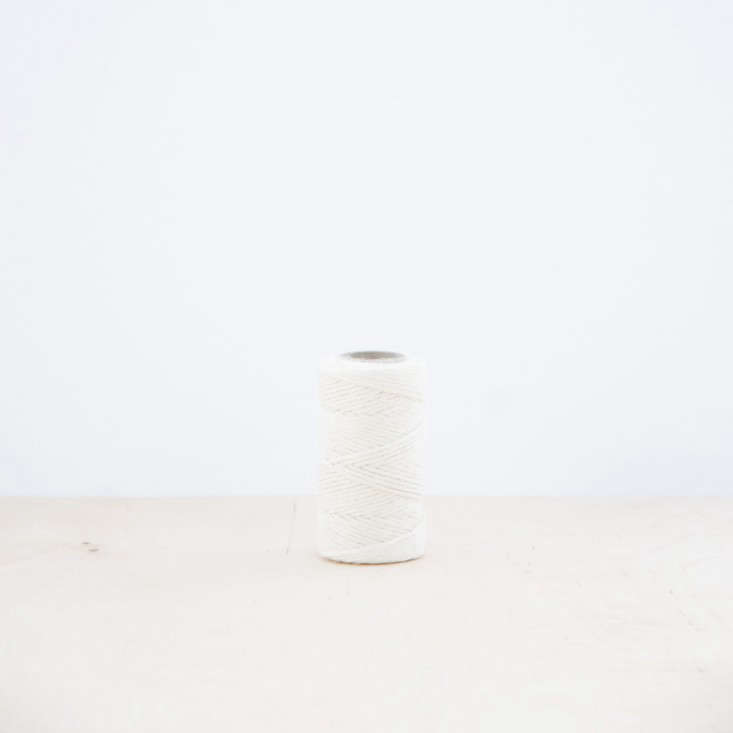
A jute twine spool 100g may look like a humble roll of brown string, but do not let its quiet farmhouse charm fool you. This small spool is one of those practical household items that somehow ends up everywhere: tying garden plants, wrapping gifts, labeling jars, styling wedding favors, fixing a droopy vine, and making a plain package look like it came from a boutique that smells faintly of cedar and good decisions.
Made from natural jute fiber, jute twine is appreciated for its rustic texture, flexibility, affordability, and biodegradable character. A 100g spool is especially popular because it offers enough twine for many small-to-medium projects without becoming a giant industrial roll that needs its own parking space in your craft closet. Whether you are a gardener, crafter, florist, small business owner, teacher, decorator, or simply someone who enjoys being prepared, this compact spool earns its place in the drawer.
What Is a Jute Twine Spool 100g?
A jute twine spool 100g is a roll of twine made from jute, a plant-based bast fiber traditionally used for sacks, burlap, cordage, packaging, and coarse woven materials. The “100g” refers to the approximate net weight of the twine on the spool. Length can vary depending on thickness, ply count, twist, and manufacturer, but the format is designed to be lightweight, easy to store, and convenient for everyday use.
Jute twine usually comes in a natural tan or golden-brown shade, although dyed versions are also available. The natural color is one of its biggest style advantages. It blends beautifully with paper, wood, glass, greenery, dried flowers, kraft boxes, linen, and handmade products. In other words, it has the visual confidence of something that does not need glitter to be interesting.
Why Jute Twine Is So Popular
The popularity of natural jute twine comes from a rare combination: it is useful, attractive, affordable, and environmentally friendly when compared with many synthetic tying materials. It has enough strength for everyday bundling and decorating, while still being soft enough for delicate craft and garden work. That balance makes it a go-to choice for people who want function with a warm, natural look.
Natural and Biodegradable
Jute is a plant fiber, so untreated jute twine is biodegradable. This makes it especially appealing for garden use, seasonal décor, and low-waste packaging. When used outdoors, it can naturally break down over time, which is helpful for temporary plant support or short-term garden tying. However, if the twine is dyed, waxed, chemically treated, or blended with synthetic fibers, its eco-friendly profile may change. Always check the label if compostability or natural material content matters for your project.
Rustic Style Without Trying Too Hard
Few materials deliver instant rustic charm as easily as jute twine. Tie it around a glass jar and suddenly the jar has a personality. Wrap it around a kraft gift box and the package looks thoughtful before anyone even opens it. Add it to a wedding favor, handmade soap, bouquet, candle, invitation, or bakery box, and it gives the item a simple, natural finish that feels intentional rather than overdecorated.
Compact but Practical
A 100g spool is the sweet spot for many households. It is not so tiny that you run out after three gift tags, and it is not so bulky that it takes over a shelf. For occasional crafting, gift wrapping, gardening, and DIY decorating, a 100g jute twine spool provides a practical amount without waste.
Main Uses for Jute Twine Spool 100g
The best thing about jute twine is that it does not ask for a single purpose in life. It is perfectly happy being a garden helper in the morning, a gift-wrap accent in the afternoon, and a craft supply by evening. Here are some of the most common and useful ways to use it.
1. Gardening and Plant Support
Gardeners often use jute twine for tying climbing plants, supporting young stems, training vines, marking seed rows, and securing lightweight garden structures. It is gentle enough for many plants when tied loosely, and its natural color blends into the garden instead of shouting, “Hello, I am plastic string.”
Use jute twine to support tomatoes, peas, beans, cucumbers, sweet peas, dahlias, and other plants that need a little encouragement to stand tall. The key is to avoid tying it too tightly. Plants grow, and stems can become damaged if the tie becomes restrictive. A loose figure-eight tie between the stake and stem gives support while reducing rubbing and pressure.
2. Gift Wrapping and Packaging
Jute twine turns simple wrapping into something warm and memorable. It pairs beautifully with kraft paper, recycled paper, cotton bags, bakery boxes, cardboard mailers, and glass jars. Small businesses often use it for handmade packaging because it communicates care without looking overly polished or expensive.
For a charming package, wrap a box in plain brown paper, tie it with two or three loops of jute twine, and tuck in a dried orange slice, cinnamon stick, eucalyptus sprig, or small gift tag. The result looks like it belongs in a cozy holiday catalog, minus the part where everything costs $87.
3. DIY Crafts and Home Décor
Jute twine is a favorite in DIY crafting because it is easy to cut, glue, wrap, knot, braid, and layer. It can be used for handmade ornaments, garlands, wall hangings, rustic picture frames, jar decorations, wreaths, candle holders, plant hangers, bookmarks, and mini banners. The texture adds depth without requiring advanced craft skills.
If you are decorating on a budget, a 100g spool can stretch across many small projects. Wrap it around an old vase, glue it to the rim of a terracotta pot, use it to hang holiday ornaments, or braid it into napkin rings for a farmhouse table setting. It is one of those supplies that makes “I found this in a drawer” look like a design strategy.
4. Floristry and Event Styling
Florists and event decorators often use jute twine to tie bouquets, secure dried flowers, finish boutonnières, bundle herbs, and add texture to table settings. It works especially well with rustic, bohemian, woodland, country, farmhouse, coastal, and eco-inspired themes.
For weddings and events, jute twine can be used on favor bags, menu cards, seating tags, mason jars, centerpieces, invitation bundles, and welcome baskets. It is subtle enough not to steal attention but textured enough to make everything feel more personal.
5. Kitchen, Pantry, and Household Organization
A spool of jute twine can help label jars, bundle herbs for drying, tie cloth covers over homemade preserves, secure rolled napkins, hang lightweight tags, and organize small household items. In the pantry, it looks especially nice with kraft labels, glass containers, and handwritten tags.
For home organization, jute twine can bundle cords, tie rolled fabric, label baskets, or hang small signs. It is not the right choice for heavy-duty loads, but for light household tasks, it is simple and attractive.
How Strong Is Jute Twine?
Jute twine is strong enough for many everyday uses, but it is not a replacement for rope, cable, chain, or synthetic cord designed for high-load applications. Strength depends on thickness, twist, ply count, fiber quality, and moisture exposure. A thin craft twine may be perfect for wrapping gifts but unsuitable for supporting heavy objects. A thicker 3-ply jute twine can handle more tension, but it still should not be used for climbing, towing, lifting, securing roof loads, or any safety-critical purpose.
For normal household and garden projects, jute twine performs well. It ties securely, grips naturally because of its fibrous texture, and can be doubled or tripled when extra hold is needed. For outdoor use, remember that moisture and sunlight can weaken natural fibers over time. That is useful when you want seasonal biodegradability, but not useful when you need long-term structural support.
What to Look for When Buying a Jute Twine Spool 100g
Not all jute twine is exactly the same. Before buying, consider how you plan to use it. Crafting, gardening, packaging, and décor projects each benefit from slightly different features.
Thickness
Thin jute twine is best for tags, invitations, small crafts, delicate gift wrapping, and light tying. Medium twine works well for gardening, jar decoration, small bundles, and general home use. Thick jute cord gives a bolder decorative look and more grip but may be harder to knot neatly on small items.
Ply Count
Ply refers to the number of strands twisted together. A 2-ply or 3-ply twine is common for everyday use. More ply generally means a stronger, rounder cord, although the quality of the fiber and twist also matter. For garden support and packaging, 3-ply jute twine is a practical choice.
Color and Treatment
Natural jute twine has a warm brown tone. Dyed twine may be useful for crafts, holiday décor, or color-coded garden rows. For gardening, composting, or food-adjacent packaging, choose untreated natural jute when possible. If the twine has a strong chemical smell, excessive shedding, or suspiciously glossy coating, it may not be ideal for delicate uses.
Spool Design
A good spool keeps the twine tidy and easy to dispense. Some spools unwind smoothly from the outside, while others pull from the center. For frequent use, a neat spool matters more than people think. Tangled twine can turn a five-minute project into a dramatic one-person wrestling match.
Jute Twine vs. Cotton Twine, Hemp Twine, and Sisal Twine
Jute twine is often compared with other natural fiber cords. Each has its own personality, like a very practical family reunion.
Cotton twine is softer, cleaner, and often better for food presentation or polished craft projects. It may lack the rustic texture of jute, but it is gentle and easy to handle.
Hemp twine is usually strong and durable, with a slightly different texture and appearance. It is great for jewelry, macramé, and natural crafts, although some people notice a stronger natural scent.
Sisal twine is rougher and often used for garden, agricultural, and utility applications. It can be strong, but it may feel harsher than jute for decorative projects.
Jute twine sits comfortably in the middle. It offers rustic beauty, good everyday strength, natural texture, and broad versatility. That is why a jute twine spool 100g is such a useful all-purpose choice.
Tips for Using Jute Twine Successfully
Jute twine is easy to use, but a few small tricks can make your projects cleaner and longer-lasting.
Cut Cleanly
Use sharp scissors to prevent fraying. If the ends start to unravel, twist them gently or add a tiny dot of craft glue for decorative projects. For a natural look, a little fray is not a flaw. It is character. Jute specializes in character.
Tie Loosely Around Plants
When using jute twine in the garden, avoid tight knots around stems. Plants need room to grow, sway, and thicken. A loose tie provides support without damaging the plant.
Store It Dry
Keep your jute twine spool in a dry drawer, basket, toolbox, or craft bin. Natural fibers can absorb moisture, and damp storage may encourage mildew or weaken the twine. If you store it in a shed or greenhouse, place it in a breathable container away from standing water.
Double It for Extra Hold
If your twine feels too thin for a task, double or triple it. This works well for heavier gift bundles, thicker plant stems, or decorative hanging projects. For truly heavy loads, switch to a material rated for that purpose.
Creative Project Ideas With a Jute Twine Spool 100g
A single spool can inspire many small projects. Try wrapping jute twine around mason jars to create rustic candle holders. Tie it around folded napkins for casual dinner parties. Use it to make handmade gift tags for birthdays, weddings, holidays, and thank-you packages. Wrap it around terracotta pots for a natural planter upgrade. Create a photo display by hanging small prints with mini clothespins on a length of jute twine.
For seasonal decorating, jute twine works beautifully with pinecones, dried citrus, cinnamon sticks, small ornaments, paper stars, pressed leaves, and dried flowers. It can also be used for classroom crafts, party banners, scrapbook embellishments, handmade cards, and simple wall décor.
Is Jute Twine Eco-Friendly?
Natural jute twine is often considered an eco-conscious option because jute is plant-based, renewable, and biodegradable when untreated. It is widely used in packaging and cordage because it combines practical strength with a lower-impact natural fiber profile. For consumers trying to reduce plastic in wrapping, gardening, or craft projects, jute twine can be a smart swap.
That said, sustainability always depends on the full product. Dyes, chemical finishes, packaging, shipping distance, and blends can affect the environmental story. If eco-friendliness is your main goal, look for twine labeled as natural, untreated, biodegradable, and made from 100% jute.
Real-World Experience: Living With a Jute Twine Spool 100g
Using a jute twine spool 100g in real life teaches you something quickly: it is the kind of item you buy for one project and then keep reaching for again and again. At first, it may enter your home for gift wrapping. You tie it around a kraft paper package, add a little tag, and suddenly your gift looks like it was assembled by someone who owns linen aprons and never loses scissors. Then a few days later, you notice a leaning houseplant. The jute twine comes out again. A week later, you need to label jars. There it is. Quietly useful. Mildly rustic. Always ready.
One of the best experiences with a 100g spool is how manageable it feels. Large rolls can be economical, but they are not always convenient. They roll off shelves, collect dust, and somehow become tangled with extension cords even if they are stored in different rooms. A 100g spool is small enough to keep in a kitchen drawer, craft basket, garden tote, or wrapping station. It does not demand a storage plan. It simply waits for its next assignment like a tiny brown workhorse.
In gardening, the experience is pleasantly practical. Jute twine is easy to pull, cut, and tie, even when your hands are a little dirty. It blends into tomato stakes, trellises, and raised beds better than bright plastic ties. When used loosely, it supports plants without making the garden look overly engineered. It is especially helpful for tying young vines to bamboo stakes or guiding peas and beans toward a support. By the end of the season, some pieces may weather and weaken, which is expected from a natural fiber. For temporary garden jobs, that is part of the appeal.
In crafts, jute twine delivers texture immediately. Wrapping it around a jar, frame, or small box gives the project depth without needing complicated techniques. Hot glue holds it well, knots stay secure, and the natural color works with almost everything. The only small challenge is shedding. Jute can release tiny fibers, especially when cut or handled often. This is not a disaster, but it is worth noting if you are crafting on a dark tablecloth or wearing black pants. Jute twine has a talent for leaving evidence.
For small business packaging, a 100g jute twine spool can make handmade items feel more personal. Soap bars, candles, cookies in sealed bags, jewelry cards, mini bouquets, and thank-you notes all look warmer with a simple twine tie. The material suggests care and simplicity. It does not look flashy, which is exactly why it works. It lets the product remain the star while adding a finished touch.
The most satisfying part is the versatility. You may use the same spool for a birthday gift, herb bundle, photo garland, plant tie, pantry label, and holiday ornament. Few craft supplies cross categories so easily. Paint is paint. Ribbon is ribbon. But jute twine is a fixer, finisher, hanger, binder, labeler, and decorator. It is the Swiss Army knife of rustic string, except less sharp and much better at weddings.
Conclusion
A jute twine spool 100g is simple, affordable, attractive, and surprisingly versatile. It is useful for gardening, crafting, gift wrapping, home organization, floral work, event styling, and eco-conscious packaging. Its natural texture gives projects a warm handmade look, while its biodegradable plant-fiber character makes it a thoughtful alternative to many synthetic strings for temporary and decorative uses.
Choose the right thickness, check whether it is untreated and 100% jute, store it dry, and use it appropriately. It is not meant for heavy-duty safety tasks, but for everyday tying and styling, it is a small spool with a big personality. Keep one nearby, and you will probably find uses for it before the week is over.