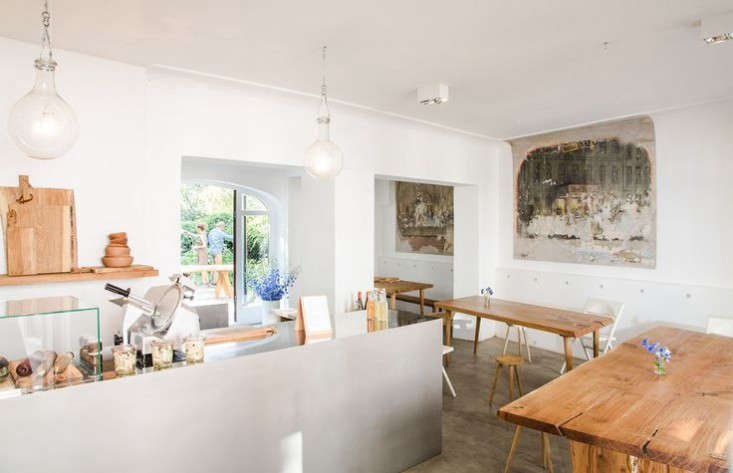
“`
Midcentury modern has survived longer than many houseplants, several social media platforms, and at least three waves of “this is the new beige” design predictions. For decades, its clean lines, tapered legs, warm woods, low-slung sofas, and practical silhouettes have made it the reliable friend of American interiors. But in 2026, homeowners are asking a very fair question: is midcentury modern finally out of style?
The short answer is nobut the overdone version is definitely being shown the door, politely, probably while sitting in an Eames-style chair. Designers are not abandoning midcentury modern interior design altogether. Instead, they are moving away from rooms that look like a furniture showroom from 1962 was copied and pasted into a modern apartment. In 2026, the best interiors feel personal, layered, warm, and slightly unpredictable. Midcentury modern can still work beautifully, but it needs friends: vintage pieces, texture, color, handmade details, softer lighting, and furniture from other eras.
So, is midcentury modern decor outdated? Not exactly. What is outdated is the all-over formula: walnut credenza, starburst clock, orange chair, geometric rug, hairpin-leg table, and a fiddle-leaf fig standing in the corner like it has seen too much. Designers are now favoring homes that look collected over time rather than assembled from one trend board. That shift is the real story.
Why Midcentury Modern Became So Popular in the First Place
To understand whether midcentury modern is going out of style, it helps to remember why it became so beloved. The style grew out of the postwar decades, roughly from the 1940s through the late 1960s, when designers focused on function, simplicity, new materials, and better everyday living. Homes were becoming more open, furniture was becoming more practical, and design was no longer reserved for formal rooms that nobody was allowed to sit in.
Midcentury modern furniture made sense. It was clean without being cold. It used wood in a warm, approachable way. It embraced organic shapes, slim profiles, and pieces that could fit into modest homes and apartments. A good credenza could store dinnerware, records, board games, and mysterious cables all at once. That is not just style; that is domestic diplomacy.
The modern revival of midcentury design exploded because it fit perfectly with smaller urban homes, open-plan living rooms, and online furniture shopping. The silhouettes photographed well. The pieces were recognizable. The style felt cool but not too fussy. For years, “midcentury modern living room ideas” became a go-to search for anyone who wanted a home that looked grown-up without becoming stiff.
What Designers Are Saying in 2026
Designers in 2026 are not rejecting the core principles of midcentury modern design. They still appreciate good proportions, functional furniture, honest materials, and clean lines. What they are questioning is the theme-park version of the style. A room where every object screams “midcentury” can feel flat, predictable, and oddly impersonal.
The current design mood is warmer and more expressive. Across home decor trends in 2026, designers are leaning into rich woods, vintage finds, sculptural furniture, tactile fabrics, earthy colors, artisan-made accessories, and rooms with emotional depth. In that environment, a strict midcentury modern room may feel a little too controlled. People want homes that tell stories, not homes that look like they are waiting for a catalog photographer to arrive.
This is why many designers are saying midcentury modern is not out, but it must evolve. Keep the great vintage chair. Keep the walnut sideboard. Keep the clean-lined dining table. But do not let one era boss the entire house around. The most stylish homes in 2026 mix midcentury pieces with antiques, contemporary art, handmade ceramics, plush textiles, moody colors, and unexpected lighting.
The Midcentury Modern Pieces That Still Look Timeless
Some midcentury modern pieces are not going anywhere because they were never just trends. They are well-designed objects with balanced shapes and real utility. A classic lounge chair, a sleek wood credenza, a tulip-style dining table, a simple spindle chair, or a low-profile sofa can still look fantastic when placed in the right setting.
1. Walnut and teak storage pieces
Warm wood furniture remains one of the strongest links between midcentury modern and 2026 interior design trends. Walnut, teak, rosewood-inspired finishes, and darker wood tones add richness to rooms that might otherwise feel sterile. A midcentury credenza can work in a living room, dining room, entryway, or bedroom because it offers both storage and style. That is the design equivalent of having good hair and doing your taxes early.
2. Clean-lined lounge chairs
A beautifully shaped lounge chair can still anchor a reading corner or conversation area. The trick is to avoid making the whole room match it too perfectly. Pair a midcentury chair with a traditional rug, a contemporary side table, or a soft linen curtain. Contrast makes the piece feel intentional instead of trapped in a time capsule.
3. Simple dining tables
Midcentury dining tables continue to work because they are usually practical, elegant, and compact. In 2026, they feel freshest when surrounded by mixed seating or paired with richer materials such as textured walls, handmade tableware, sculptural lighting, or upholstered chairs in earthy shades.
4. Low-profile sofas
Low sofas with clean shapes can still look current, especially when softened with layered pillows, cozy throws, and textured upholstery. The 2026 update is comfort. If a sofa looks stylish but feels like sitting on a polite wooden apology, it is not the one.
The Midcentury Modern Looks That Feel Dated Now
Midcentury modern becomes dated when it turns into a checklist. The problem is not the style itself; it is the repetition. When every room uses the same tapered legs, the same mustard-orange accents, the same atomic motifs, and the same thin-legged furniture, the result can feel like a set design rather than a home.
1. The all-over retro showroom
The biggest design mistake is going too literal. A room filled only with midcentury modern furniture can feel staged, especially when every piece has the same wood tone and silhouette. Designers are now encouraging homeowners to mix eras so rooms feel more natural and lived-in.
2. Overused orange and avocado palettes
There is nothing wrong with orange, olive, mustard, or avocado green. In fact, earthy colors are very relevant in 2026. But when these colors appear in an overly retro way, the room can feel costume-like. A better approach is to use muted terracotta, tobacco brown, moss green, ochre, deep plum, chocolate, or warm cream. These shades nod to vintage design without turning your living room into a fondue party.
3. Too many skinny legs
One tapered-leg table is elegant. Six tapered-leg pieces in one room can start to look nervous. Current furniture trends favor more variety: chunkier forms, sculptural shapes, curved seating, grounded tables, and pieces with visual weight. Mixing slim midcentury pieces with heavier or softer forms makes a room feel balanced.
4. Generic reproductions
Mass-produced midcentury-inspired furniture is everywhere, and not all of it has aged well. Designers are increasingly recommending fewer, better pieces instead of buying a full matching set. A real vintage find, a well-made modern interpretation, or one quality statement piece will usually look better than a room full of flimsy copies.
What Is Replacing the Old Midcentury Modern Formula?
The style replacing strict midcentury modern is not one single look. Instead, 2026 interiors are blending several movements: warm minimalism, curated maximalism, postmodern playfulness, Neo Deco glamour, vintage collecting, and natural materials. In other words, the design world is no longer asking everyone to wear the same outfit.
Warmer woods and deeper finishes
Blond wood had a very long moment, but richer woods are gaining attention. Walnut, mahogany, smoked oak, burl wood, and deep-stained finishes bring depth and character. These materials work well with midcentury pieces because they share a love of wood, but they feel more luxurious and grounded for 2026.
Postmodern and playful accents
Designers are also embracing more playful shapes, including chunky furniture, unexpected silhouettes, chrome details, colorful glass, and sculptural decor. This does not mean every home needs to look like an art school cafeteria with excellent funding. It means a little weirdness is welcome. A bold lamp, a curvy chair, or an unusual coffee table can keep a midcentury room from feeling too safe.
Curated maximalism
After years of white walls and quiet restraint, many homeowners want rooms with more personality. Curated maximalism brings in layered patterns, art, books, vintage objects, textured fabrics, and meaningful collections. This trend works beautifully with midcentury modern because clean-lined furniture can create structure while the accessories add life.
Neo Deco touches
Neo Deco is another rising influence, bringing back glamour through rich colors, polished metals, dark woods, marble, velvet, and sculptural lighting. A midcentury sideboard under a dramatic mirror or beside a glossy stone lamp can suddenly feel fresh again. The key is contrast: simple shapes plus luxurious materials.
How to Make Midcentury Modern Look Fresh in 2026
If you already own midcentury modern furniture, do not panic-sell your credenza at midnight. The goal is not to erase the style. The goal is to loosen it up. Here is how designers are making midcentury modern decor feel current.
Mix eras instead of matching everything
Pair a midcentury sofa with a vintage Persian-style rug, a contemporary floor lamp, and a rustic wood coffee table. Put a sleek dining table under a sculptural chandelier. Add antique art above a clean-lined console. Mixing eras creates tension, and tension is what makes a room interesting.
Layer texture generously
Midcentury modern rooms can sometimes feel too smooth. Add texture through wool rugs, linen curtains, boucle upholstery, woven baskets, plaster walls, ceramic lamps, velvet pillows, grasscloth wallpaper, or nubby throws. Texture gives the eye something to do besides admire chair legs.
Use color with more depth
Instead of relying on classic retro brights, try more complex colors. Chocolate brown, oxblood, ochre, olive, clay, cream, rust, peacock blue, and deep green can all complement midcentury wood tones. These colors feel mature and current while still honoring the warmth of the original style.
Add handmade and personal pieces
A room becomes memorable when it includes objects with a human touch. Handmade pottery, framed family photos, travel finds, original art, thrifted lamps, and inherited furniture can all soften the precision of midcentury modern design. The goal is to make the room look like a person lives there, not like a design algorithm got a furniture budget.
Upgrade lighting
Lighting can instantly modernize a midcentury space. Instead of relying only on classic globe lamps or tripod floor lamps, try layered lighting: picture lights, shaded table lamps, sconces, dimmers, and sculptural fixtures. Warm, flexible lighting makes wood tones glow and gives the room atmosphere.
Room-by-Room Ideas for Updating Midcentury Modern
Living room
Start with one or two midcentury anchors, such as a sofa and credenza. Then add a rug with history, oversized art, a curved accent chair, and a coffee table in stone, burl wood, or darker stained wood. Avoid matching every furniture leg and wood tone. A little mismatch is the secret sauce.
Bedroom
A midcentury bed frame can still look beautiful, especially with soft bedding, layered textiles, and warmer paint colors. Add wall sconces, vintage nightstands that do not perfectly match, and artwork that feels personal. The bedroom should feel restful, not like a museum exhibit titled “Tapered Legs: A Retrospective.”
Dining room
Use a clean-lined table as a foundation, then bring in upholstered chairs, a dramatic pendant, patterned curtains, or a cabinet with a different finish. Dining rooms in 2026 are becoming more expressive, so do not be afraid of color, art, or a little shine.
Home office
Midcentury desks are practical and stylish, but they need modern comfort. Add an ergonomic chair, layered lighting, cable management, and shelves that combine books with meaningful objects. The room should support actual work, not just look impressive during video calls.
Should You Buy Midcentury Modern Furniture in 2026?
Yes, if you love it and choose carefully. The best reason to buy midcentury modern furniture is not because it is trending. It is because the piece works for your home, your lifestyle, and your taste. Look for quality construction, solid materials, good proportions, and flexibility. A great piece should be able to move between rooms and survive future style changes.
Vintage shopping is especially smart in 2026 because homeowners are increasingly interested in sustainability, character, and furniture that does not look identical to everything else online. Estate sales, antique shops, local vintage dealers, and carefully selected resale platforms can offer pieces with more personality than mass-market reproductions.
However, be selective. Not every old piece is valuable, and not every “midcentury-inspired” item is well made. Check drawers, joints, veneer, wobbling legs, and finish condition. If a chair looks beautiful but feels like it may collapse under the emotional weight of Tuesday, keep walking.
So, Is Midcentury Modern Finally Out of Style?
Midcentury modern is not out of style in 2026. The better answer is that it has graduated. It no longer needs to dominate the entire room to prove itself. The most current way to use midcentury modern is with restraint, warmth, and contrast. Let one or two pieces shine, then build around them with texture, color, art, antiques, and contemporary forms.
Designers are moving away from rigid style labels and toward homes that feel personal. That is good news for midcentury fans. A beautiful vintage cabinet, a practical dining table, or a classic lounge chair can still be part of a stylish home. It just should not be the whole personality of the house.
Think of midcentury modern as a strong supporting actor. It does not need every line in the movie. Give it a great scene, surround it with interesting characters, and the whole room becomes more compelling.
Experience Notes: Living With Midcentury Modern in 2026
In real homes, midcentury modern often works best when it is treated as a foundation rather than a final answer. Many people start with the style because it feels safe, clean, and easy to understand. A slim-legged sofa, a walnut media console, and a round dining table can make a room feel instantly organized. But after a few months, the same people often notice something missing: softness, story, and a little bit of visual surprise.
One common experience is the “everything is nice, but nothing feels personal” problem. The room looks good in photos, but it does not say much about the person living there. That is usually the moment when the best updates begin. A homeowner might add a vintage landscape painting found at a flea market, replace a plain rug with something patterned, or bring in a ceramic lamp that looks slightly imperfect in the best possible way. Suddenly, the midcentury furniture looks less like a trend and more like part of a life.
Another real-life lesson is that comfort matters more than purity. Some original midcentury pieces are beautiful, but not every one of them suits modern habits. People lounge differently now. They work from sofas, eat snacks during movies, host casual dinners, and expect furniture to handle pets, kids, guests, and the occasional coffee spill that arrives with dramatic timing. In 2026, the most successful midcentury-inspired spaces respect the look but adapt the comfort level. A deeper sofa, performance fabric, thicker rug, or softer chair can make the room much more livable.
Color is also where many homeowners find their confidence. At first, they may stick to white walls and wood furniture because it feels safe. Later, they discover that midcentury pieces actually love color. A walnut credenza against a deep green wall can look expensive and grounded. A teak table with rust-colored upholstery feels warm without becoming cartoonishly retro. Even small changes, like ochre pillows or a chocolate-brown throw, can make the style feel more current.
The biggest experience-based takeaway is this: midcentury modern gets better when it stops trying so hard. A home does not need to announce its style in capital letters. It can include a midcentury chair, a postmodern lamp, a traditional rug, a modern painting, and a handmade bowl from a weekend trip. That mixture feels human. It feels collected. It feels like the owner has taste, not just a saved folder.
So if you already love midcentury modern, keep loving it. Just give it room to breathe. Edit the pieces that feel too generic, add objects with texture and memory, and let your home become more layered over time. In 2026, the most stylish interiors are not asking, “What trend am I?” They are asking, “Does this room feel good to live in?” That is a much better questionand thankfully, it does not require throwing away a perfectly good credenza.
Conclusion
Midcentury modern is not dead in 2026, but the copy-and-paste version is losing its shine. Designers are choosing warmer, richer, more personal interiors that mix periods and materials. The smartest approach is not to abandon midcentury modern decor, but to use it with intention. Keep the timeless silhouettes, the functional storage, and the beautiful wood tones. Then add texture, color, vintage character, and pieces that reflect your actual life.
A stylish home in 2026 does not need to follow one design rulebook. It needs balance, comfort, and personality. Midcentury modern still has a place at the tablejust not every chair at the table has to match.