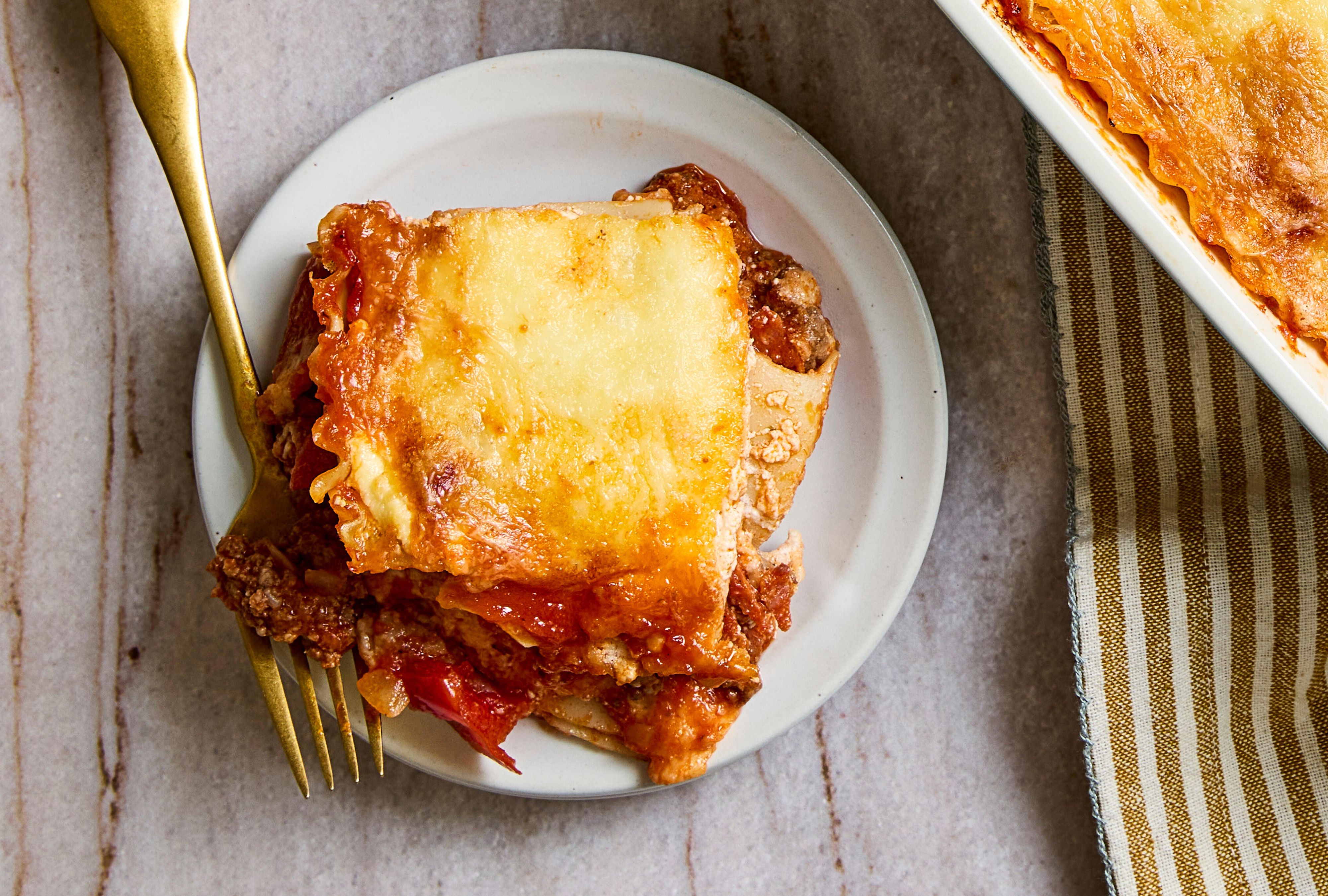
Some recipes whisper, “Make me on a quiet Sunday.” Trisha Yearwood’s Cowboy Lasagna kicks open the pantry door wearing boots and says, “Clear the counter, friend. We’re feeding everybody.” This is not a delicate little weeknight pasta bake. It is a hearty, saucy, meat-packed, cheese-layered comfort food situation that feels like lasagna wandered into a backyard cookout and came back with pepperoni.
I tried Trisha Yearwood’s Cowboy Lasagna recipe because it has the exact kind of bold, over-the-top energy that makes home cooks curious. Traditional lasagna already has plenty going for it: noodles, tomato sauce, ricotta, mozzarella, Parmesan, and the promise of leftovers. But this cowboy version adds ground beef, sage sausage, and sliced pepperoni, creating a mashup that tastes somewhere between classic meat lasagna and a very confident pizza.
The result? Big flavor, big portions, and a baking dish that makes your kitchen smell like you’ve been cooking all day, even if most of the magic comes from smart layering and a simmering sauce. It is rich, filling, slightly indulgent, and absolutely the kind of dish that gets people wandering into the kitchen asking, “Is it ready yet?” every seven minutes.
What Is Cowboy Lasagna?
Cowboy Lasagna is a hearty twist on traditional lasagna, made with a chunky meat sauce, multiple cheeses, and a generous amount of pepperoni. Trisha Yearwood’s version leans into comfort food with no apology. Instead of a simple ground beef sauce, the recipe combines beef and sausage, then folds in pepperoni, tomatoes, tomato paste, oregano, garlic, onion, and water to create a thick, deeply savory sauce.
The “cowboy” part is less about campfire cooking and more about personality. This is rugged, satisfying, feed-a-crowd food. It is the kind of lasagna that does not politely sit in the corner of the dinner table. It arrives, takes up space, and expects compliments.
What makes it different from regular lasagna is the meat-to-cheese ratio and the pepperoni. That pepperoni adds salty, smoky, slightly spicy flavor that instantly changes the dish. One bite and you understand why people describe it as a pizza-lasagna hybrid. It has the structure of lasagna, the richness of a baked pasta casserole, and the familiar punch of a pepperoni pie.
The Ingredients That Make This Recipe So Bold
The core ingredients are familiar, but the combination is what gives this recipe its cowboy swagger. You start with lean ground beef and sage sausage. The beef brings classic lasagna flavor, while the sausage adds seasoning and depth without requiring a cabinet full of spices. Onion and garlic build the base, and olive oil helps the meat brown properly.
Then comes the ingredient that makes everyone pause: a full pound of sliced pepperoni. That is not a garnish. That is a declaration. The pepperoni melts slightly into the sauce as it simmers, seasoning the whole pan with smoky, salty flavor. It also adds richness, so draining the browned meat well is important if you want the finished lasagna to be flavorful without turning greasy.
The tomato portion is straightforward: diced tomatoes, tomato paste, and water. The tomato paste gives body and concentration, while the water loosens everything enough for a proper simmer. Dried oregano, salt, and black pepper keep the seasoning classic and familiar.
For the layers, Trisha’s recipe uses lasagna noodles, ricotta cheese, shredded mozzarella, and grated Parmesan. That three-cheese team is exactly what you want in a comfort-food lasagna. Ricotta gives creamy pockets, mozzarella brings stretchy melt, and Parmesan adds salty sharpness on top.
How I Made Trisha Yearwood’s Cowboy Lasagna
Step 1: Browning the Meat
I started by browning the ground beef and sausage in a large, heavy skillet. The original recipe recommends keeping the meat chunky rather than breaking it into tiny bits, and that detail matters. Bigger pieces give the lasagna a more substantial texture. This is not a thin, delicate sauce. It is supposed to feel hearty.
Once the meat was browned, I drained it thoroughly. This is one of the most important steps in the whole recipe. Between sausage and pepperoni, there is plenty of fat in the pan already. If you skip draining, the final lasagna can become oily. Flavor is welcome; a shiny orange puddle is not invited.
Step 2: Building the Sauce
After draining, I added the pepperoni, diced tomatoes, tomato paste, garlic, onion, oregano, salt, pepper, and water. The sauce simmered uncovered for about 30 minutes. During that time, it thickened, darkened, and started smelling like a pizzeria moved into a country kitchen.
The simmer is not just a waiting period. It helps the tomato paste relax into the sauce, gives the pepperoni time to season everything, and lets the onion and garlic mellow. The sauce should look thick but spreadable. If it seems too stiff, a small splash of water can help. If it seems too loose, a few more minutes of simmering will tighten it up.
Step 3: Preparing the Noodles
The recipe calls for cooking lasagna noodles according to package directions. I prefer pulling them when they are just al dente because they continue softening in the oven. Overcooked noodles can make lasagna feel heavy and mushy, especially in a recipe with this much sauce and cheese.
After draining, I laid the noodles out so they would not clump into one giant pasta blanket. Anyone who has tried to separate stuck lasagna noodles knows that it feels like negotiating with wet wallpaper.
Step 4: Layering the Pan
The assembly happens in a 9-by-13-inch baking dish. I spread sauce on the bottom first, then added noodles, ricotta, mozzarella, and Parmesan. Then I repeated the layers, ending with sauce, noodles, and cheese on top.
Even layers make a big difference. I tried to distribute the meat sauce so every slice would get beef, sausage, pepperoni, tomato, and cheese in one bite. Cowboy Lasagna is not a dish where you want one corner to be all noodles and another corner to be a pepperoni landslide.
Step 5: Baking and Resting
The lasagna bakes at 350°F until it is bubbling and lightly browned, about 40 minutes. The top should look golden in spots, with melted cheese settling into the sauce. The smell at this point is almost rude. It fills the kitchen and makes waiting feel unreasonable.
But waiting is essential. I let the lasagna rest for 15 minutes before slicing. This gives the layers time to settle, the cheese time to firm up slightly, and the sauce time to stop behaving like lava. Slice too soon and the first piece may collapse into a delicious but chaotic heap. Rest it, and you get cleaner squares.
The Taste Test: Rich, Cheesy, and Seriously Filling
The first bite was exactly what I hoped for: savory, cheesy, tomato-rich, and bold. The pepperoni is the surprise star. It does not make the lasagna taste like pizza in a gimmicky way; it adds a smoky, spicy background note that wakes up the sauce. The sausage adds warmth, the beef adds body, and the cheese brings everything back to classic lasagna territory.
This is a very rich dish. One square is satisfying. Two squares may require stretchy pants and a moment of quiet reflection. The combination of three meats and three cheeses makes it incredibly filling, which is great if you are feeding hungry guests, teenagers, athletes, or anyone who believes dinner should arrive with structural integrity.
The top layer was my favorite part. The mozzarella browned slightly, the Parmesan added a salty edge, and the sauce bubbled up around the noodles. It had that irresistible baked-pasta texture: crisp at the edges, creamy in the middle, and sturdy enough to hold together on the plate.
What I Would Change Next Time
I liked this recipe a lot, but I would make a few small adjustments next time. First, I would use slightly less pepperoni. A full pound delivers huge flavor, but it also adds a lot of richness. Reducing the amount by a third or even half would still keep the cowboy personality while making the dish a little less heavy.
Second, I would drain the meat with extra care and maybe blot the pepperoni lightly before adding it. That one step would help control oiliness without sacrificing taste. If you love a saucy, indulgent lasagna, make it as written. If you prefer a cleaner slice, manage the fat early.
Third, I would consider using hot Italian sausage instead of sage sausage for a spicier version. Sage sausage gives the dish a breakfast-sausage warmth, which some people will love. Italian sausage would steer it closer to traditional lasagna while still keeping the big flavor.
Finally, I would add a pinch of crushed red pepper flakes to the sauce. Not enough to make it fiery, just enough to balance the cheese and pepperoni. A little heat would cut through the richness nicely.
Tips for Making Cowboy Lasagna Better
Drain the Meat Well
This is the number one tip. The recipe has beef, sausage, and pepperoni, so excess fat can build quickly. Drain the browned meat thoroughly before simmering the sauce. If the sauce still looks oily, skim a little from the top before layering.
Do Not Overcook the Noodles
Cook the noodles until just al dente. They will continue absorbing moisture in the oven. Overcooked noodles can make the finished lasagna too soft, especially after leftovers are reheated.
Spread Thin, Even Layers
Because the sauce is chunky, it helps to spread it evenly with the back of a spoon. Try to cover the noodles without piling all the meat in the center. Balanced layers create better slices and better bites.
Let It Rest Before Cutting
Fifteen minutes of resting time is not optional if you want neat squares. It lets the cheese set and the sauce settle. The lasagna will still be hot, but it will be much easier to serve.
Make It Ahead
Cowboy Lasagna is a strong make-ahead dinner. You can assemble it earlier in the day, refrigerate it, and bake it when needed. If baking straight from the fridge, add extra time and make sure the center is fully heated.
Who Will Love This Recipe?
This recipe is perfect for people who love bold comfort food. If your ideal dinner includes pasta, meat, cheese, and leftovers, you are the target audience. It is also great for potlucks, casual family dinners, game-day meals, and Sunday suppers.
It may not be the best choice for someone looking for a light pasta dish. Cowboy Lasagna does not pretend to be subtle. It is heavy in the best way, but still heavy. Serve it with a crisp green salad, roasted vegetables, or something acidic like a simple vinaigrette-dressed side to balance the richness.
Garlic bread is welcome, of course, but proceed responsibly. Pairing this lasagna with garlic bread is delicious, but it also turns dinner into a carbohydrate festival with cheese fireworks.
How to Store and Reheat Leftovers
Leftovers are one of the best parts of making lasagna. Let the pan cool, then refrigerate portions in airtight containers. Because this dish contains meat and dairy, refrigerate leftovers within two hours. For best quality, eat refrigerated leftovers within three to four days.
To reheat, cover a portion and warm it in the oven until hot throughout. The microwave works too, especially for lunch, but use medium power if possible so the cheese does not overheat before the center warms. Add a spoonful of water or sauce before reheating if the noodles seem dry.
You can also freeze individual slices. Wrap them tightly, then store them in a freezer-safe container. Future you will be very grateful when a homemade square of cowboy lasagna appears on a busy night.
My Final Verdict
Trisha Yearwood’s Cowboy Lasagna is a fun, filling, crowd-pleasing recipe with big personality. It is not the lightest lasagna I have ever made, but that is clearly not the mission. This dish is built for comfort, flavor, and second helpings. The pepperoni makes it memorable, the sausage makes it hearty, and the three cheeses make it taste like something people will request again.
Would I make it again? Yes, with a few tweaks. I would reduce the pepperoni slightly, drain the meat very well, and add a little crushed red pepper for balance. But the core idea is excellent. It is familiar enough to please lasagna lovers and different enough to feel exciting.
If classic lasagna is a cozy sweater, Cowboy Lasagna is that same sweater with fringe, boots, and a belt buckle. A little dramatic? Absolutely. But dinner should be fun sometimes.
Extra Kitchen Experience: What It Was Really Like Making Cowboy Lasagna
Making Cowboy Lasagna felt less like preparing a quiet dinner and more like hosting a tiny kitchen rodeo. The recipe starts innocently enough with ground beef and sausage, but the moment the pepperoni enters the pan, the whole mood changes. Suddenly, the sauce smells deeper, smokier, and much more like something that should be served to people who have spent the day chopping wood, fixing fences, or at least answering emails with unusual bravery.
The biggest surprise was how much sauce the recipe makes. At first, I looked at the skillet and wondered if I had accidentally started a catering business. But once the noodles and cheese came into play, it made sense. A hearty lasagna needs enough sauce to coat every layer, and this one is built for generous portions. Still, I learned quickly that spreading the sauce evenly matters. The pepperoni slices like to travel in packs, so I had to nudge them around to avoid one slice getting all the good stuff while another got plain noodles and disappointment.
The layering process was satisfying in the way only lasagna can be. Sauce, noodles, ricotta, mozzarella, Parmesan, repeat. It is simple, but it feels productive. Every layer looks like progress. By the time the final handful of cheese hit the top, I already knew this was not going to be a dainty dinner. This was a pan of food with confidence.
While it baked, the kitchen smelled incredible. The tomato sauce bubbled at the edges, the cheese melted into golden patches, and the pepperoni gave the whole dish a pizza-night aroma. That scent is dangerous because it makes everyone impatient. The hardest part of the recipe was not chopping onion or boiling noodles. It was letting the lasagna rest after it came out of the oven. Fifteen minutes feels very long when a bubbling pan of cheese is staring at you.
But the rest time paid off. The first slice came out better than expected: not perfect restaurant geometry, but definitely slice-shaped. The layers held together, the cheese stretched nicely, and the sauce stayed rich without flooding the plate. The first bite was bold and comforting, with the pepperoni adding a playful twist. It reminded me of the kind of meal that gets people talking between bites because everyone is trying to figure out why it tastes so familiar and so different at the same time.
I also noticed that Cowboy Lasagna tastes even more balanced after sitting for a while. The first serving is hot, gooey, and intense. The next-day leftovers are more settled, with the sauce absorbed into the noodles and the flavors blended together. In fact, I might like it even better the next day for lunch. It slices more cleanly, reheats well, and feels like the kind of leftover that makes you smug when everyone else is eating a sad desk salad.
One practical lesson: serve smaller pieces than you think. This lasagna is dense in the best possible way. A modest square with a salad is plenty for most people. If someone wants seconds, they can always go back. Starting with giant slabs may look impressive, but halfway through, even enthusiastic eaters may begin negotiating with their forks.
Overall, the experience was fun, slightly messy, and absolutely worth it. Trisha Yearwood’s Cowboy Lasagna is not an everyday recipe in my kitchen, but it is exactly the kind of dish I would make when I want dinner to feel generous, cozy, and a little bit outrageous. It is comfort food with a wink, and honestly, that is my favorite kind.
Conclusion
After trying Trisha Yearwood’s Cowboy Lasagna recipe, I understand why it has such a loyal following. It takes everything people love about homemade lasagna and turns up the volume with sausage, beef, pepperoni, and three kinds of cheese. The flavor is bold, the texture is hearty, and the leftovers are excellent.
The recipe works best when you drain the meat well, avoid overcooking the noodles, layer carefully, and let the finished pan rest before slicing. Those small steps make the difference between a rich, sliceable lasagna and a delicious landslide. If you are craving a cozy baked pasta dish that feeds a crowd and brings a little fun to the table, Cowboy Lasagna is worth making at least once.