You vacuum for five peaceful minutes, feel wildly productive, and then you see it: tiny black pellets that were definitely not decorative gravel. Congratulations, your cleaning session has taken a hard left into “public health plot twist” territory. If you accidentally vacuumed mouse droppings, do not panic, do not keep vacuuming, and definitely do not decide this is a great time to start sweeping too. What you need now is a calm, smart cleanup plan.
The big issue is not just that mouse droppings are gross, although they absolutely win that contest. The problem is that disturbing dried droppings can send contaminated dust into the air. Public health guidance in the United States is very clear on this point: dry sweeping and vacuuming rodent waste can increase exposure risk. The safer approach is “wet cleaning,” which means soaking contaminated material with a disinfectant first, then wiping it up instead of launching it into the air like a tiny biological confetti cannon.
This guide walks you through exactly what to do after accidentally vacuuming mouse droppings, how to clean the area, what to do about the vacuum itself, when to worry, and how to keep mice from treating your home like a boutique hotel with free snacks.
Why Vacuuming Mouse Droppings Is a Problem
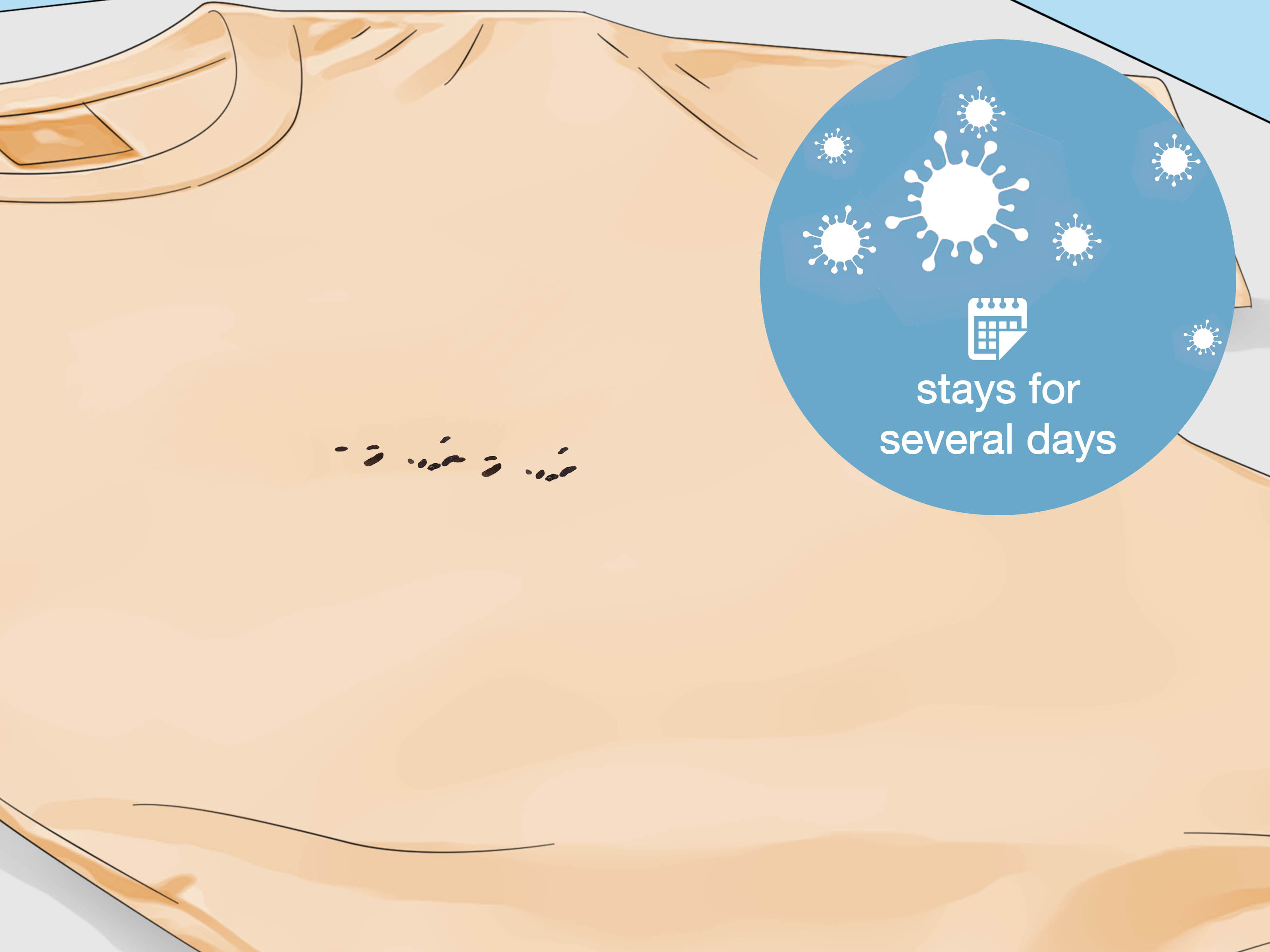
Mouse droppings can carry germs, and the biggest concern people usually hear about is hantavirus. You are exposed when contaminated dust gets stirred up and inhaled. That is why health agencies say not to vacuum or sweep rodent urine, droppings, or nesting materials before disinfecting them. Vacuuming can break up dry droppings and blast fine particles back into the air, especially if you used a regular household vacuum or a shop vac.
That does not mean one accidental pass with the vacuum automatically equals disaster. It does mean you should stop what you are doing, ventilate the space, and switch from “cleaning mode” to “contain-and-disinfect mode.” Think of it less like a catastrophe and more like a very rude reminder that technique matters.
What to Do Immediately After You Realize You Vacuumed Mouse Droppings
1. Stop vacuuming right away
Turn the vacuum off and leave it off. Do not keep going “just to finish the room.” Your vacuum does not need closure.
2. Leave the area and ventilate it
Open doors and windows and let the space air out for at least 30 minutes. If possible, use cross-ventilation by opening more than one window or door. During that airing-out period, step away from the room so you are not hanging around in potentially contaminated dust.
3. Gather your cleanup supplies
Before you go back in, collect what you need:
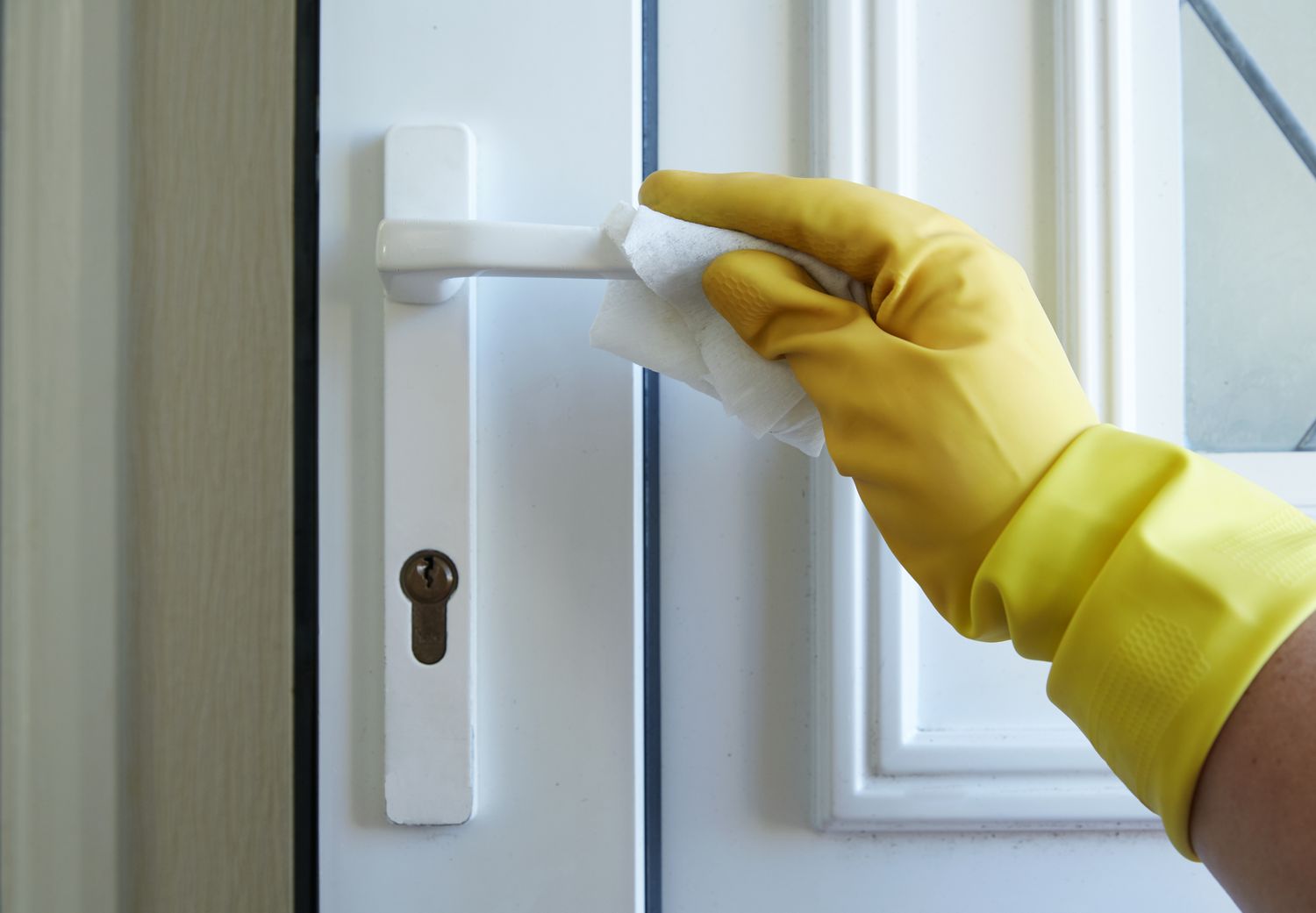
- Rubber, nitrile, latex, or vinyl gloves
- An EPA-registered disinfectant or a freshly made bleach solution
- Paper towels or disposable rags
- Trash bags, ideally heavy-duty
- A well-fitting mask if you have one, especially if the area is dusty
If you are using bleach, a common disinfecting mix for rodent cleanup is about 1 part household bleach to 9 parts water. Make it fresh before use, and never mix bleach with ammonia or other cleaners unless you enjoy creating new problems.
How to Clean the Area Safely
Use the wet-cleaning method
The rule here is simple: soak first, wipe second. Spray any visible droppings, urine spots, nesting material, or contaminated surfaces until they are very wet. Let the disinfectant sit for at least 5 minutes, or follow the contact time on the product label. This step matters because it helps reduce the chance of particles becoming airborne when you remove the mess.
Wipe, bag, and toss
Once the area is soaked, use paper towels to carefully pick up the droppings and wipe the surface. Put the used paper towels directly into a trash bag. If the contamination is more than minor, double-bagging the waste is a smart move. Seal the bag tightly and place it in an outdoor garbage bin if possible.
Disinfect the surrounding surfaces
After the visible droppings are gone, clean the rest of the nearby area with fresh disinfectant. That includes baseboards, floors, cabinet interiors, shelves, countertops, and any nearby hard surfaces that may have been exposed. Rodents are not known for keeping things neatly contained to one square foot.
If the droppings were on carpet or upholstery
Hard floors are easier. Carpet is where things become more annoying. If droppings were on carpet, rugs, or upholstered furniture, public health guidance recommends shampooing or steam cleaning those materials after the contaminated debris has been handled safely. Avoid pouring bleach all over carpet unless your goal is “mystery white patch.” Use products appropriate for the surface, or bring in a professional for heavy contamination.
If clothing, bedding, or soft items were exposed
Wash them in hot water with detergent. Dry them thoroughly on a high heat setting if the fabric allows it. If stuffed items, fabric storage bins, or pet bedding were in the contamination zone, treat them the same way. Rodent mess has a way of reaching farther than your eyes would like to believe.
What to Do With the Vacuum Afterward
This is the part people forget, but it matters. If you vacuumed droppings, the vacuum may now contain contaminated dust. Public health guidance focuses mainly on preventing more dust exposure, so your goal is to handle the vacuum as cautiously as the floor.
Take the vacuum outside if you can
Move it outdoors or to a well-ventilated area before touching the bag, canister, filter compartment, hose opening, or attachments. Wear gloves while handling it.
Bag disposable contents carefully
If your vacuum has a disposable bag, remove it carefully without squeezing it like a stress ball. Put it directly into a sealed trash bag. If it is a bagless vacuum, empty the canister carefully into a trash bag, trying to avoid creating more dust. Seal the bag right away.
Clean removable hard parts
If the manufacturer allows it, wash removable hard parts such as the canister and attachments with warm soapy water, then disinfect compatible surfaces. Let everything dry fully before reassembling. If a filter is disposable, replacing it is often the most practical choice. If the vacuum cannot be cleaned thoroughly or it was used in a heavily contaminated area, retiring it may be the cautious option.
In plain English: if this was a tiny accident, careful cleanup may be enough. If this was a full-on mouse condo situation and you ran a shop vac through it, the vacuum may have earned an early retirement.
When to Watch Your Health More Closely
After accidental exposure to rodent waste, it is reasonable to monitor yourself for symptoms over the next 1 to 8 weeks. Early symptoms linked to hantavirus often sound frustratingly ordinary at first, which is why people sometimes ignore them. Watch for:
- Fever
- Fatigue
- Muscle aches, especially in the thighs, hips, back, or shoulders
- Headache, chills, or dizziness
- Nausea, vomiting, diarrhea, or stomach pain
The red-flag symptoms are breathing-related. If you develop cough, shortness of breath, chest tightness, or trouble breathing after rodent exposure, seek medical care promptly and mention that you were exposed to mouse droppings. That detail matters. It gives a clinician useful context and saves everyone from guessing whether this is “just a weird flu” or something that needs faster attention.
When You Should Call a Professional
Sometimes the right answer is not “buy better gloves.” Sometimes the right answer is “this is above my pay grade.” Consider calling a licensed pest control or remediation professional if:
- You found a large amount of droppings or nesting material
- The contamination is in an attic, crawl space, wall cavity, basement, HVAC area, or insulation
- You keep finding fresh droppings after cleaning
- You used a standard vacuum on a heavy infestation
- You are pregnant, immunocompromised, or have lung issues and want to reduce risk
- The smell, mess, or damage suggests the mice have been there for a while and paid no rent
Severe infestations are not just a sanitation problem. They are an entry-point problem, a nesting problem, and often a repeat-business problem unless the source is fixed.
How to Keep It From Happening Again
Cleaning up safely is one thing. Preventing a sequel is better. Rodent control works best when you combine sanitation, exclusion, and trapping.
Seal entry points
Mice can squeeze through surprisingly small gaps. Check around pipes, utility lines, baseboards, vents, under sinks, door sweeps, garage corners, and foundation cracks. Small openings can often be packed with steel wool and sealed with caulk. Larger holes may need metal mesh, hardware cloth, flashing, or another durable material. Foam alone is usually more of a mouse suggestion than a mouse barrier.
Cut off food and water
Store food in sealed containers. Clean crumbs fast. Do not leave pet food out overnight. Fix leaks under sinks and appliances. Take out trash regularly. Rodents are opportunists, and your kitchen is basically a buffet with mood lighting if food is left available.
Use traps strategically
Snap traps are commonly recommended for home mouse control. Place them along walls, behind objects, and near signs of activity. Avoid live traps and glue traps if possible. The goal is effective control without turning a rodent problem into a prolonged stress festival.
Inspect after cleanup
After you clean, keep checking the area. If new droppings show up, the mice are still active. That means the problem is not “over,” it is merely “paused while you were mopping.”
Common Mistakes to Avoid
- Do not sweep dry droppings. That stirs up dust.
- Do not vacuum more droppings. Even if it feels faster.
- Do not skip ventilation. Fresh air buys you time and reduces exposure.
- Do not use bleach carelessly on delicate surfaces. It can damage fabrics and finishes.
- Do not ignore symptoms after exposure. Especially breathing symptoms.
- Do not focus only on cleaning. If you do not seal entry points, the mice may return like they forgot their charger.
The Bottom Line
If you accidentally vacuumed mouse droppings, the smartest next move is not panic. It is procedure. Stop vacuuming, air out the room, switch to wet disinfection, clean the surrounding area thoroughly, handle the vacuum cautiously, and keep an eye out for symptoms in the weeks that follow. Then move on to rodent prevention so you do not end up starring in the sequel, I Accidentally Vacuumed Mouse Droppings: Part Two.
The good news is that once you know the right cleanup method, the situation becomes much more manageable. Gross, yes. Fixable, also yes. And sometimes that is all you need to hear while standing in the hallway holding a spray bottle and questioning every life choice that led to this exact moment.
Related Experiences: What This Situation Usually Feels Like in Real Life
One of the most common experiences people describe after accidentally vacuuming mouse droppings is the delayed realization. At first, it is just ordinary cleaning. Then they notice the pellets, freeze mid-step, and immediately replay the last five minutes like a crime scene investigator with a vacuum attachment. That emotional whiplash is normal. People often go from “I am finally getting my life together” to “I have made a terrible mistake” in under ten seconds.
Another very common experience is panic-Googling. The person runs to the sink, washes their hands twice, opens six browser tabs, and starts reading every article with the emotional intensity of someone cramming for an exam they did not know existed. The problem is that fear can make people do the wrong next thing. They may rush back in and try to vacuum more. They may start dry sweeping because it seems quicker. They may spray random cleaners without reading labels. The better response is slower and steadier: ventilate first, gather supplies, then do a wet cleanup. In this situation, calm is not just a personality trait. It is a safety tool.
Many people also underestimate how much mouse evidence can hide in plain sight. Someone may find just a few droppings near a pantry wall, clean them up, and think the episode is over. Then they move a box, look behind the toaster, or check under the sink and discover that the mice have apparently been hosting a tiny convention. That is why accidental vacuuming often becomes the moment a homeowner realizes the issue is not one stray pellet but a real rodent problem that needs sealing, trapping, and follow-up inspection.
There is also the “what about the vacuum?” spiral. This is especially common with bagless vacuums and shop vacs. People worry that the machine is now contaminated forever and will blow questionable dust into every future room. That concern is understandable. In real life, people often feel better once they handle the vacuum deliberately: move it outside, wear gloves, bag the contents carefully, clean removable hard parts, and replace disposable filters or bags when possible. Even when the cleanup is annoying, having a concrete plan lowers the stress dramatically.
Another pattern is symptom anxiety in the days after exposure. A normal headache becomes suspicious. A regular sore throat suddenly feels dramatic. A tired afternoon starts to look like a medical mystery. That worry is human. The useful approach is to be aware without becoming trapped in a full-time body-scan marathon. Know the symptoms that matter, especially fever, muscle aches, and later breathing trouble, and contact a medical professional if those develop after rodent exposure. Information helps. Doom-scrolling does not.
Finally, many people say the experience permanently changes how they clean. They become the friend who says, “Hold on, do not vacuum that yet,” with the confidence of a person who has seen things. They store gloves nearby, keep disinfectant on hand, seal food better, and pay more attention to gaps under doors and around pipes. In a strange way, the whole disgusting episode often turns into a practical home-maintenance reset. Nobody wants the lesson, but once learned, it tends to stick. Mouse droppings are unforgettable teachers that way.