A king size comforter is wonderful right up until laundry day, when it suddenly transforms into a fluffy land whale that refuses to fit anywhere, dries at the speed of continental drift, and makes you question every life choice that led to owning “extra plush bedding.” The good news is that you can wash a king size comforter at home in many cases. The trick is not brute force. The trick is using the right method, the right machine, and a little patience.
If your comforter smells stale, has mysterious winter funk, or looks like it lost a snack fight, you do not always need to haul it to the dry cleaner. In many homes, there are two practical options: machine-washing it in a large-capacity washer or washing it by hand in a bathtub. Both methods work when you follow the care label and avoid the classic mistakes that leave comforters lumpy, flat, or slightly haunted by mildew.
This guide breaks down how to wash a king size comforter at home in two easy ways, plus how to dry it properly, how often to clean it, and what not to do if you want it to stay fluffy and alive for the long haul.
Before You Start: Read This First or Risk Regret
Before you do anything heroic, check the care tag. That tiny label is the difference between “fresh and fluffy” and “why is my comforter suddenly the size of a bath mat?” If the label says dry clean only, believe it. If it says machine washable, follow the temperature and cycle instructions listed there.
Next, look at your washer. A king size comforter needs room to move. If it is packed tightly into the drum like a marshmallow in a coin purse, it will not wash evenly. In general, a king comforter does best in a large-capacity washer, ideally one without a center agitator. Front-loaders are usually the easiest option, though a roomy top-loader without a bulky agitator can also work.
Also gather a few basics before you begin:
- Mild liquid laundry detergent
- A soft cloth or soft-bristled brush for stain treatment
- Wool dryer balls or clean tennis balls for drying
- Enough time for a full dry, because rushing this part is how musty comforters are born
One more thing: skip the kitchen chemistry experiment. A lot of people reach for vinegar and baking soda at the same time, but that is not always the best move for performance. A simple, gentle detergent and a thorough rinse are usually the safer play for most washable comforters.
Easy Way #1: Wash It in a Large-Capacity Washing Machine
This is the easiest method when your comforter is machine washable and your washer is big enough. If you can load the comforter loosely, close the door or lid easily, and still leave room for movement, you are in business.
Step 1: Inspect the Comforter
Spread the comforter out on the bed or a clean floor and check for stains, loose threads, open seams, or tiny tears. Repair any damage first. Washing can turn a small opening into a dramatic feather escape.
If you see stains, pretreat them with a small amount of mild detergent. Gently dab or work the detergent into the area with your fingers or a soft brush. Let it sit for about 10 to 15 minutes. No need to scrub like you are sanding a deck.
Step 2: Load It Correctly
Place the comforter into the washer loosely. Do not twist it into a rope, cram it into one corner, or add half your bedroom to “make it worth the load.” Wash the comforter by itself unless your washer manual specifically says otherwise. A king comforter needs space to tumble, rinse, and spin evenly.
If you have a top-load machine with a center agitator and the comforter barely fits, this is your sign to stop. Forcing it through the cycle can lead to poor cleaning, bad rinsing, and extra wear on the fabric and filling.
Step 3: Choose the Right Settings
Use a gentle, delicate, or bedding cycle, depending on your machine. Choose cool, cold, or warm water based on the care label. High heat can shrink certain shells and damage delicate fills, so hotter is not always smarter.
Add a small amount of mild liquid detergent. More detergent does not equal more clean. With bulky bedding, too much soap can linger deep inside the fill and dry into stiff or clumpy patches. If your washer has an extra rinse option, use it. That extra rinse can make a noticeable difference.
Step 4: Let the Cycle Finish, Then Check It
When the wash ends, inspect the comforter before moving on. If it feels soapy or you can see residue, run a rinse-only cycle. If it looks wildly bunched up, give it a gentle shake and redistribute the fill before drying.
Do not let the wet comforter sit in the washer for hours while you wander off to do seventeen other things. Damp bedding can start to smell sour surprisingly fast.
Best for This Method
- Down alternative comforters
- Many cotton-filled comforters
- Many down comforters labeled machine washable
- Homes with a large-capacity front-load or roomy top-load washer
Easy Way #2: Wash It by Hand in the Bathtub
No large washer? No problem. If your comforter is washable but your machine is too small, the bathtub method can save the day. It is more hands-on, yes, but it is also gentle and surprisingly effective.
Step 1: Clean the Tub First
Give the bathtub a quick but thorough rinse and wipe-down so your comforter does not come out smelling like citrus cleaner and old shampoo. Rinse away all cleaning product residue.
Step 2: Fill With Lukewarm or Warm Water
Fill the tub with enough water to submerge most or all of the comforter. Add a small amount of mild detergent and swish the water with your hands so the soap disperses evenly before the comforter goes in.
Step 3: Pretreat Visible Stains
Just like with the machine method, pretreat stains first. Lift the outer fabric away from the fill if possible, apply a little detergent, and let it sit briefly.
Step 4: Soak and Gently Swish
Place the comforter into the tub and gently press it into the water. Then squeeze and swish sections of the fabric so soapy water moves through the fill. Let it soak for 15 to 30 minutes.
The important part here is gentle. Do not wring, twist, yank, or aggressively scrub the comforter. That is how stitching stretches, shells wrinkle, and filling bunches into grumpy corners.
Step 5: Drain and Rinse Thoroughly
Drain the soapy water. Press out as much water as you can without twisting the comforter. Refill the tub with clean water and rinse by pressing and swishing again. Repeat until the water runs clear and the comforter no longer feels slippery with soap.
This step takes longer than people expect. A king comforter holds a shocking amount of water, like a giant polite sponge that suddenly becomes very impolite when you try to lift it.
Step 6: Remove It Carefully
Wet comforters are heavy. Very heavy. Support the weight with both arms and move slowly. If possible, transfer it in sections or with help instead of dragging it by one corner like a defeated parachute.
Best for This Method
- Homes with a small washer
- Delicate but washable comforters
- People who want more control over the process
- Situations where only part of the comforter is dirty and you want a gentler clean
How to Dry a King Size Comforter Without Ruining It
Washing gets all the glory, but drying is where the real battle happens. A comforter that is even slightly damp deep inside can develop odor, mildew, or clumps that make it feel uneven. Your mission is simple: dry it completely, inside and out.
Dryer Method
If the care label allows machine drying, use a large-capacity dryer and choose low heat, cool, or no heat depending on the material. Add wool dryer balls or clean tennis balls to help fluff the fill and prevent clumping.
Every 20 to 30 minutes, pause the dryer and shake out the comforter. Reposition it so wet spots do not hide in the folds. This feels annoying in the moment, but it helps the comforter dry faster and more evenly.
Drying can take a long time. A king size comforter is not a T-shirt. It may need multiple cycles. Keep going until it feels evenly light and fluffy, with no cool or damp sections.
Air-Dry Finish
Even after machine drying, many people get better results by letting the comforter air out on a rack, clean railing, or spare bed for several more hours. This gives trapped moisture one last chance to escape.
If you are line-drying from the start, choose a dry, breezy day and flip the comforter often. Make sure the fill dries fully before it goes back on the bed. “Almost dry” is not dry. “Pretty sure it’s fine” is also not dry.
Mistakes to Avoid When Washing a King Size Comforter
- Ignoring the care label: The label wins every argument.
- Overstuffing the washer: If it cannot move, it cannot get clean.
- Using too much detergent: Excess soap loves hiding in fluffy filling.
- Using high heat automatically: Heat can damage shells, shrink fabrics, and stress the fill.
- Skipping stain treatment: The full wash is not magic if a greasy spot never got attention.
- Leaving it damp: Musty odor and mildew are patient, persistent enemies.
- Wringing it by hand: Twisting can damage the structure and create lumps.
How Often Should You Wash a King Size Comforter?
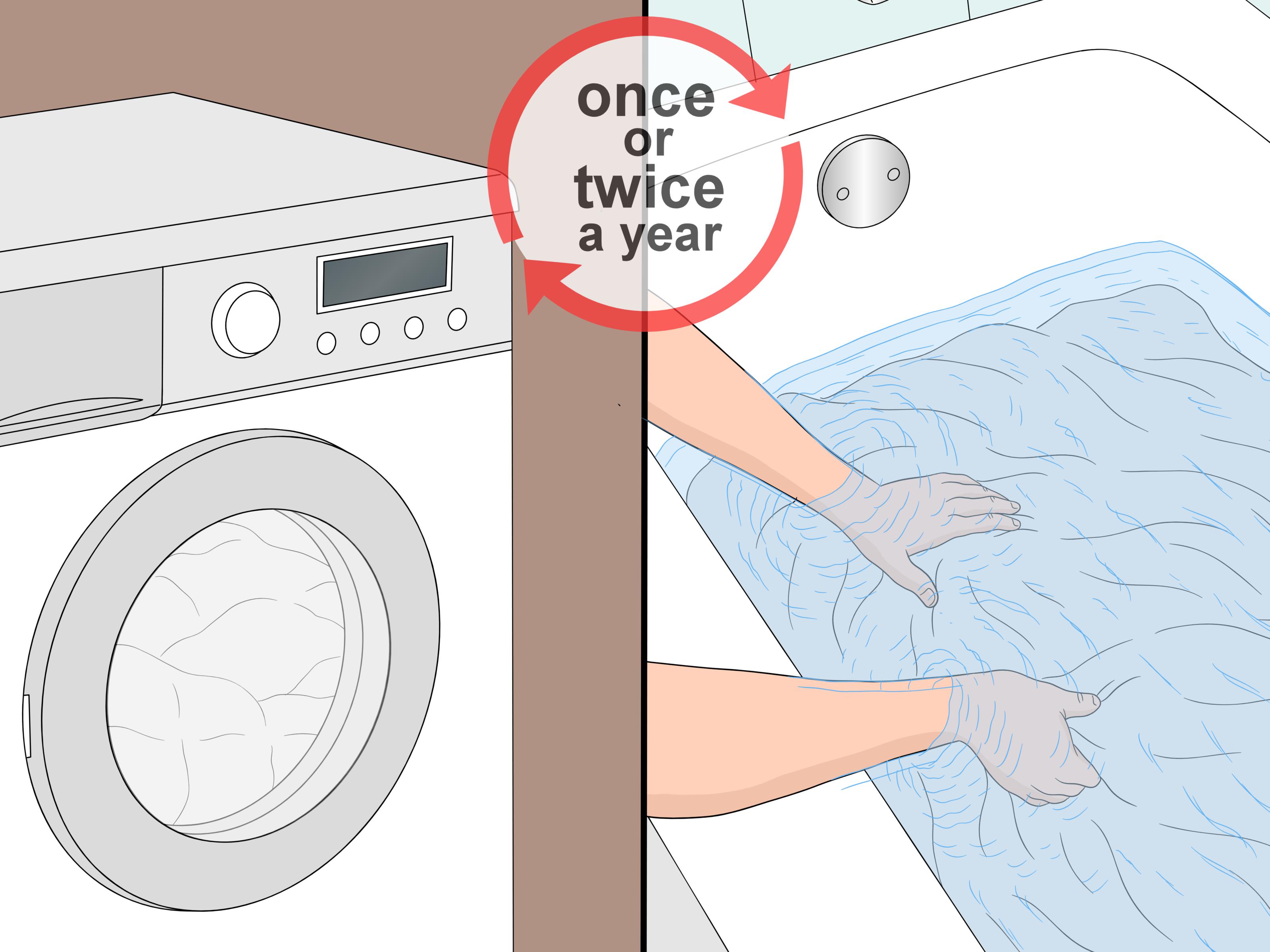
It depends on how you use it. If you use a duvet cover or sleep under a top sheet, your comforter may only need washing once or twice a year. If you skip the cover, sleep hot, share the bed with pets, or deal with allergies, every few months may be more realistic.
For everyday freshness, airing it out periodically helps. Washing the duvet cover or top sheet regularly also reduces how often the comforter itself needs a full bath.
When You Should Not Wash It at Home
Even a determined DIY spirit has limits. You should skip home washing if:
- The tag says dry clean only
- The shell is silk, wool, or otherwise delicate
- Your washer is too small and the comforter is packed tight
- The seams are failing badly
- The comforter is vintage, very expensive, or heavily damaged
In those cases, a laundromat with oversized machines or a reputable cleaner is the smarter route. Saving money is nice. Accidentally destroying your comforter is not a great coupon strategy.
Extra Practical Experiences: What Washing a King Size Comforter at Home Is Really Like
Anyone searching for how to wash a king size comforter at home usually wants the steps, but what helps just as much is knowing what the experience actually feels like in real life. The first surprise for most people is size. A king comforter looks manageable on the bed, but the second it gets wet, it becomes a soft boulder. That is why so many at-home washing disasters begin with optimism and end with someone standing in front of a washer saying, “Well, that was a mistake.”
One common experience is realizing that “it fits” is not the same as “it washes well.” A comforter may physically go into the washer, but if it is jammed tightly, the cycle will not clean or rinse evenly. People often notice this when they pull the comforter out and find one side still dingy or a few soapy patches hiding inside the batting. The lesson is simple: room matters more than bravery.
Another real-world lesson is that drying takes longer than expected. Much longer. Many people assume one dryer cycle will do it, then discover a damp pocket in the middle hours later. That is why experienced home launderers keep checking, shaking, and rotating the comforter. It is not overkill. It is how you avoid that slightly swampy smell that says, “This looked dry from the outside.”
There is also the very satisfying moment when the comforter finally comes out fluffy again. If you use dryer balls and give it time, the fill often rebounds beautifully. A comforter that looked flat and tired before washing can feel almost new again. That is especially true when you also air it out after drying. A few extra hours on a rack can make the whole thing feel fresher and loftier.
People who use the bathtub method often say the hardest part is not the washing. It is the lifting. Wet king comforters are awkward, slippery, and surprisingly dramatic. The smart move is to drain thoroughly, press out water patiently, and move slowly. This is not the time for a one-arm heave and a heroic back injury.
One of the best experience-based tips is preventative: use a duvet cover or top sheet consistently. It may seem like a small thing, but it changes the entire cleaning routine. The comforter stays cleaner longer, stains are less likely to sink in, and full washes become occasional maintenance instead of emergency intervention.
Another practical truth is that home washing works best when you do not wait too long. A comforter with light seasonal buildup is much easier to clean than one that has quietly collected months of body oils, dust, pet hair, and snack evidence. In other words, routine care is less dramatic than rescue care.
So yes, washing a king size comforter at home is absolutely doable. It just goes better when you respect the label, choose the right method, and accept that fluff this large has its own schedule.
Final Thoughts
If you have been putting this off because a king comforter feels too bulky, too delicate, or too annoyingly enormous, you are not alone. But once you know the two easiest methods, the job becomes much less intimidating. Method one is best when you have a large washer and a machine-washable comforter. Method two is the backup hero when your washer is too small or you want a gentler hand-wash approach.
The big rules never really change: check the tag, use mild detergent, do not overload the washer, rinse well, and dry until fully dry. Follow those and your comforter can stay fresh, fluffy, and wonderfully nap-worthy without leaving home.