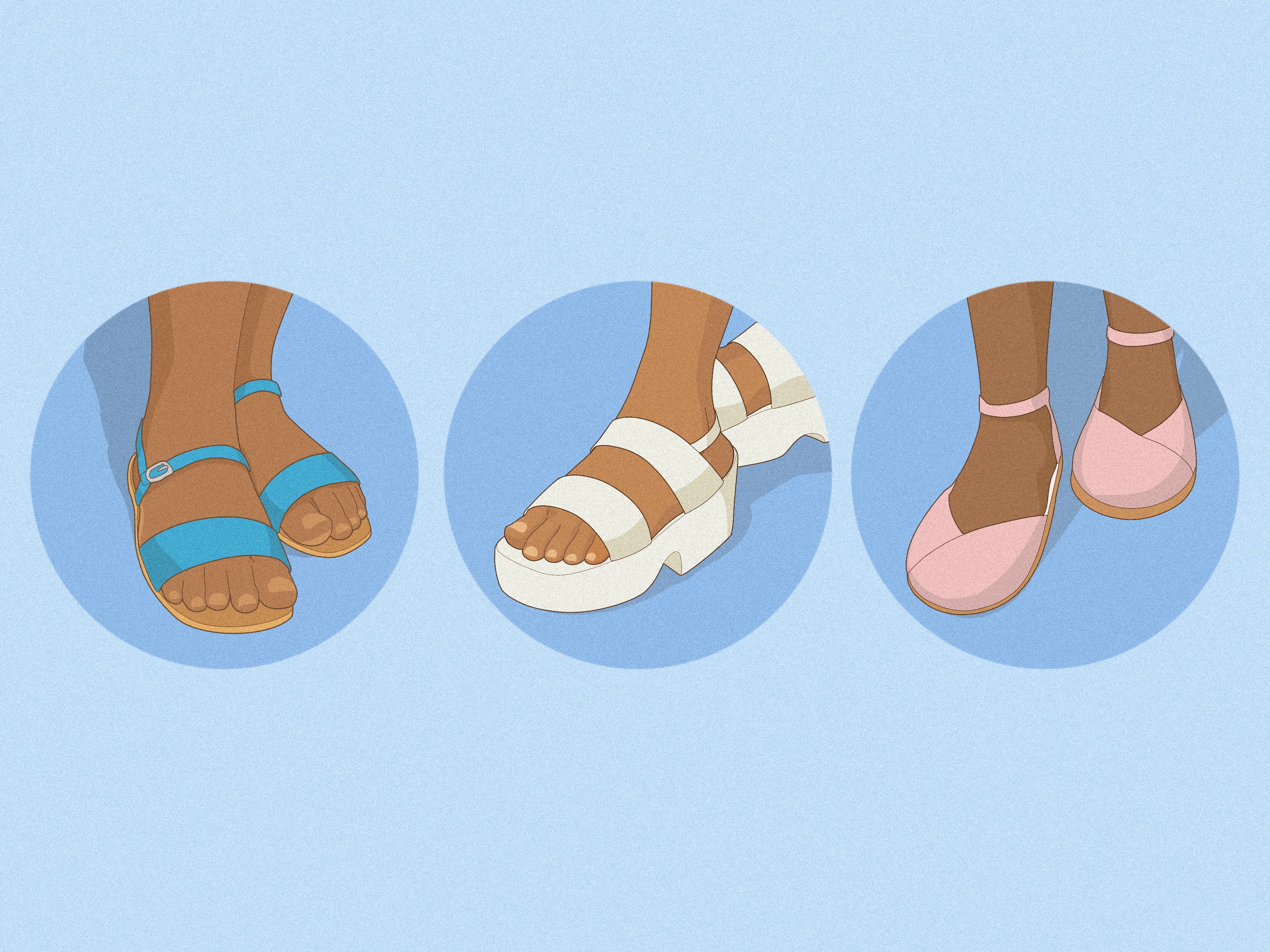
Shoes should protect your feet, not negotiate their surrender. Yet many people keep buying a longer size, loosening their laces, or waiting for a painfully narrow pair to “break in” when the real problem is width. If the length seems correct but your toes still feel packed like commuters at rush hour, you may need wide shoes.
Width affects more than comfort. A shoe that squeezes the forefoot can create friction, pressure, numbness, blisters, corns, calluses, and fatigue. It may also aggravate bunions, hammertoes, ingrown toenails, or other existing foot conditions. This guide explains the most common signs you need wide shoes, how to check your feet at home, and what a properly fitted pair should feel like.
Research basis: proper toe-box shape, pressure from tight footwear, and healthy-shoe features.
What Does “Wide” Mean in Shoe Sizing?
A wide shoe is not merely a standard shoe made longer. It usually provides extra room across the ball of the foot, more space in the toe box, and additional upper volume. Buying a longer shoe to solve a width problem can leave empty space in front of the toes and cause heel slipping while the forefoot remains squeezed.
In many U.S. athletic shoes, women’s standard width is labeled B and wide is D. Men’s standard width is commonly D and wide is 2E. Extra-wide options may be labeled 2E for women and 4E for men, although brands are not perfectly consistent. Some companies simply use M, W, XW, or WW.
Treat those labels as a starting point, not a universal law. A wide model from one brand may fit like a standard model from another. Even two shoes from the same company can feel different because toe-box shape, upper volume, and heel construction vary.
Most Common Signs You Need Wide Shoes
1. The Sides or Top of Your Foot Feel Pressured
A squeezing sensation across the ball of the foot, near the big-toe joint, around the little toe, or over the top of the foot is one of the clearest signs. After wearing the shoes, look for red lines, tender spots, deep sock marks, or indentations from the upper. A secure shoe should feel supportive, not like a blood-pressure cuff with laces.
2. Your Toes Are Crowded or Overlapping
Your toes should lie naturally instead of being forced inward. If the big toe presses into the second toe, the pinky curls under, or smaller toes overlap, the toe box may be too narrow or sharply tapered. Stand with your full weight in the shoes and wiggle your toes. They should move without rubbing hard against the upper or each other.
3. You Get Blisters Along the Big-Toe or Pinky-Toe Edge
Repeated blisters on the outer edge of the big toe, little toe, or forefoot suggest side-to-side friction. A heel blister may come from heel slippage or lacing, but blisters at the edges of the forefoot are a stronger width clue. A bandage may save the afternoon; it will not end the tiny shoe-shaped argument underneath.
4. Your Toes Become Numb, Tingly, or Burning
Numbness or tingling can occur when a shoe is too short, shallow, or narrow. When the sensation appears in one pair and improves after removing it, the shoe may be compressing the forefoot. Persistent symptoms, symptoms without shoes, or numbness accompanied by weakness, swelling, skin changes, or diabetes deserve medical evaluation.
5. Your Forefoot Spills Over the Midsole
Look down while standing. If the widest part of your foot bulges noticeably beyond the shoe’s platform, the shoe may be too narrow. For a clearer test, remove the insole, place it on the floor, and stand on it. Significant overhang at either side of the forefoot is a strong reason to try a wider model.
6. The Laces and Upper Look Strained
Widely separated lace rows, a tongue that barely covers the gap, or an upper that bows outward around the ball of the foot can signal inadequate width. Different lacing can relieve pressure over a high instep, but laces cannot redesign the sole. When loosening them makes the heel unstable while the forefoot stays cramped, change the shoe rather than inventing advanced knot theory.
7. Corns, Calluses, or Pressure Points Keep Returning
Corns and calluses develop in response to repeated pressure or friction. Thick skin on the outside of the little toe, beside the big toe, between the toes, or over a bent toe may match the contact points of a narrow shoe. Gait mechanics can also contribute, but recurring spots in the same footwear are useful evidence.
8. Bunions or Hammertoes Hurt More in Certain Shoes
A bunion forms at the base of the big toe, a bunionette appears near the little toe, and a hammertoe bends at a toe joint. Narrow footwear does not explain every deformity, but it can aggravate these conditions through pressure and rubbing. A wide, deep, rounded toe box and a soft upper may reduce irritation.
9. Your Feet Ache Even Though the Length Is Correct
A dull ache across the forefoot, soreness under the ball of the foot, or unusual fatigue after standing can be another sign. When there is enough space ahead of the longest toe but the shoe still feels restrictive from side to side, try the same length in a wider width before sizing up.
Research basis: toe crowding, edge blisters, numbness, overhang, pressure, and conditions aggravated by narrow shoes.
How to Check Your Foot Width at Home
Measure Both Feet While Standing
Measure in the afternoon or evening, when feet may occupy more space after standing, walking, or exercise. Wear the socks you plan to use and stand so your feet bear weight. Trace each foot with the pen held vertically, then measure the widest forefoot area and the heel-to-longest-toe length. Compare the numbers with the specific brand’s sizing chart and fit the larger foot.
Try the Removable-Insole Test
Place the insole on the floor and stand on it. Your heel should sit in the heel area, and the ball of your foot should not hang substantially over the sides. Check length as well; athletic and hiking shoes generally need useful clearance beyond the longest toe because feet can swell and move forward.
Inspect Your Current Shoes
Look for stretched fabric, a torn area near the little toe, a distorted forefoot, or heavy pressure marks where the foot pushes against the upper. If your shoes become wearable only after weeks of stretching, the original width was probably wrong.
Compare Two Widths in the Same Length
Try the standard and wide versions of one model. Walk, turn, and climb a few steps. The wider option should reduce side pressure while keeping the heel and midfoot secure. Do not automatically choose the roomiest shoe available; excess width can cause sliding and blisters. The goal is enough space, not a studio apartment for every toe.
Wide Shoe Versus Wide Toe Box
A wide-width shoe usually adds space across much of the forefoot and may increase upper volume. A wide toe box refers specifically to the shape around the toes. Some people have a broad forefoot but a narrow heel, so an anatomically shaped toe box with a secure rearfoot may work better than a uniformly loose shoe.
Look at the shoe from above. If it narrows sharply toward the front, a “wide” label may still feel cramped. Round, square, or foot-shaped toe boxes generally allow the toes to rest more naturally than pointed styles.
How Wide Shoes Should Fit
A correctly fitted wide shoe should feel comfortable immediately. Your toes should lie flat and move, the forefoot should not be pinched, and the upper should not press painfully on the sides or top. Meanwhile, the heel should remain secure and the foot should not slide sideways.
- Try shoes on late in the day with your usual socks.
- Stand and walk because sitting does not show full foot spread.
- Fit the longer and wider foot.
- Allow comfortable toe clearance without excessive empty length.
- Reject pinching, rubbing, numbness, or heel instability.
- Do not depend on a painful break-in period for basic fit.
Materials may soften, but the platform and overall geometry will not magically become a different width. Buy for the feet you have today, not the imaginary feet a salesperson promises will arrive next Tuesday.
Research basis: weight-bearing measurement, shopping after activity, fitting the larger foot, immediate comfort, secure heels, and brand variation.
Who May Benefit Most From Wide Shoes?
Extra room may be especially helpful for people with bunions, bunionettes, hammertoes, high-volume feet, forefoot swelling, or orthotics that occupy space. Runners and hikers may need additional forefoot room because feet can swell during prolonged activity.
People with diabetes should be particularly careful. Reduced sensation can hide rubbing or pressure, and skin injuries may become serious. Comfortable fit, sufficient depth, a smooth interior, and regular foot inspection matter more than squeezing into a favorite style.
When to See a Foot Specialist
Footwear cannot explain every symptom. See a podiatrist or other qualified clinician for persistent pain, recurring numbness, weakness, sudden or one-sided swelling, open sores, signs of infection, a changing foot shape, difficulty walking, or pain that continues in properly fitted shoes. Professional fitting may also help when diabetes, arthritis, bunions, hammertoes, or orthotics make ordinary shoe shopping difficult.
Experiences Related to Switching to Wide Shoes
These are representative composite scenarios based on common fitting problems, not individual medical case reports.
The Shopper Who Kept Buying Longer Shoes
A recreational walker normally wears a women’s size 8. Her longest toe has enough clearance, but the outside of her pinky becomes sore after thirty minutes. She assumes the shoe is too small and buys an 8.5. The new pair gives her more material, but her heel now lifts and blisters.
The clue is that the original pain occurred sideways, not lengthwise. In a size 8 wide, forefoot pressure decreases while the heel stays controlled. She also stops curling her toes to stabilize an overly long shoe. The experience shows why extra length is not a substitute for extra width.
The Runner Whose Toes Went Numb
A casual runner feels comfortable at first, but by mile three his forefoot tingles. Loosening the laces reduces top pressure but makes the heel slide. When he stands on the removed insole, the ball of his foot extends beyond both edges.
He switches from a men’s standard D to a 2E in the same length and tests the shoes after a short run, when his feet are larger. The wider platform accommodates normal expansion, while the laces can secure the midfoot without squeezing it. The improvement is not dramatic softness; it is silenceno burning, no tingling, and no debate about whether feet are optional equipment.
The Office Worker Who Assumed Dress Shoes Must Hurt
An office worker accepts that polished shoes always make her bunion red. Sneakers feel fine, so she assumes formal footwear includes a mandatory suffering fee. The real issue is a tapered toe box that pushes the big toe inward and rubs the joint.
She chooses a rounder toe, soft upper, and true wide width rather than the same pointed style in a larger size. She checks that the widest part of her foot aligns with the widest part of the shoe. The result still looks professional, but she can finish the day without hiding barefoot under the conference table.
The Person With Two Different-Sized Feet
Another shopper finds that the right shoe always feels tight while the left feels normal. Measurement shows that his right forefoot is wider. He chooses the width that accommodates the right side, then adjusts the left with lacing and a small volume insert.
This is why both feet should be measured and both shoes tried on. Feet are siblings, not identical twins. The correct fit must accommodate the larger foot without letting the smaller one swim.
The Shared Lesson
In every example, the location of discomfort provides the best clue. Side pressure, edge blisters, numb toes, visible overhang, and bunion rubbing point toward width or toe-box shape. Heel slip after sizing up indicates that extra length created a new problem without fixing the old one.
The best choice is not automatically the widest shoe. It is the model that matches the whole foot: adequate forefoot width, sufficient toe depth, correct length, a stable midfoot, and a secure heel. When that balance is right, the shoe feels almost unremarkableand that is a compliment. Good footwear supports your day instead of becoming its main storyline.
Conclusion
You may need wide shoes if your toes feel crowded, the sides or top of your foot are under pressure, the forefoot spills over the sole, or you repeatedly develop edge blisters, calluses, numbness, or pain. Bunions and hammertoes that become irritated in standard footwear are additional clues.
Measure both feet while standing, shop later in the day, compare widths in the same length, and pay attention to toe-box shape as well as the label. A good fit gives the toes natural room without allowing the heel or midfoot to slide. Most importantly, do not buy uncomfortable shoes based on the romantic hope that they will eventually develop empathy.
Note: This article provides general footwear and foot-health information, not a diagnosis. Persistent pain, numbness, wounds, sudden swelling, or symptoms in someone with diabetes should be evaluated by a qualified healthcare professional.