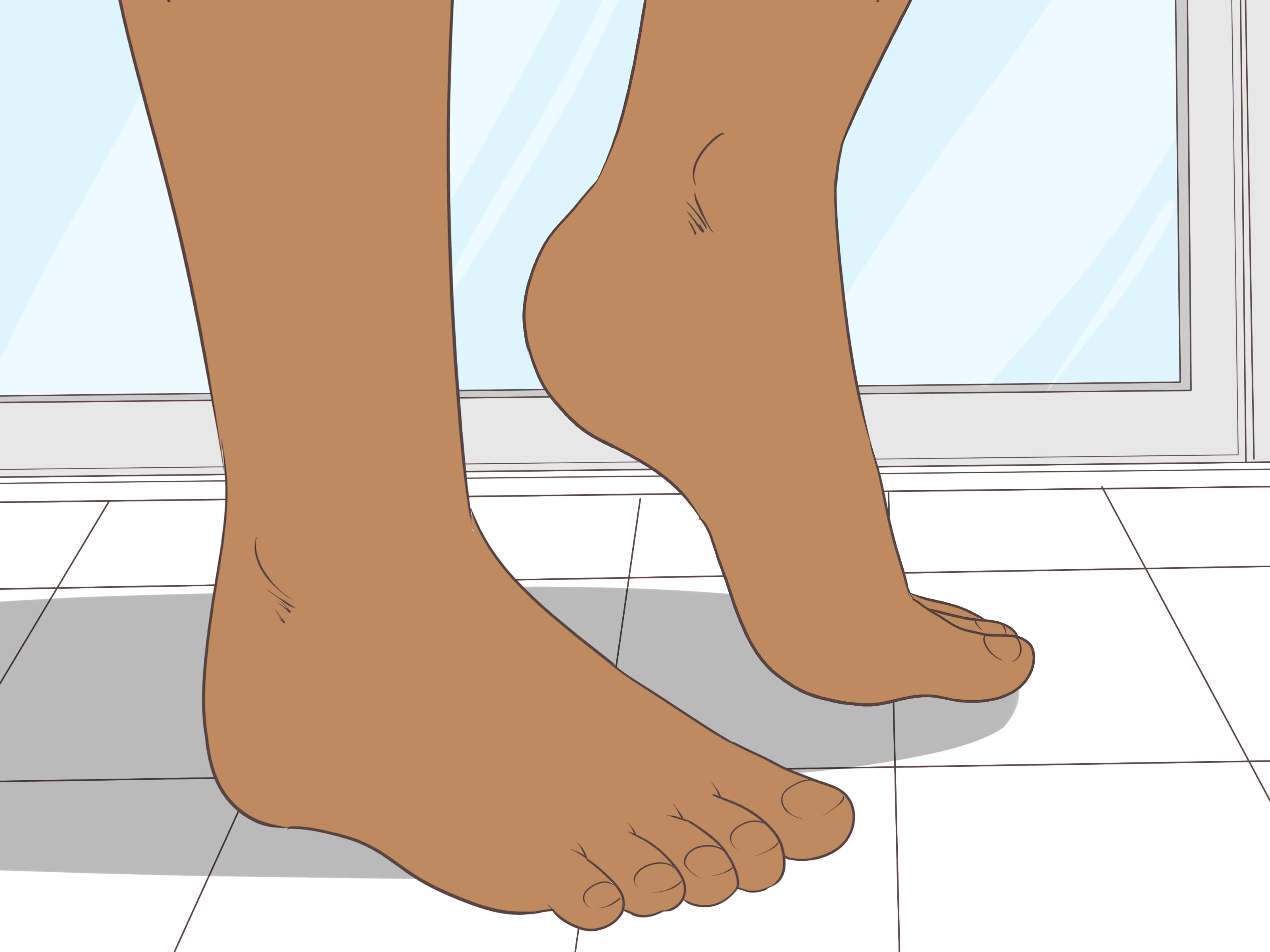
Dry feet are sneaky. One day your heels feel slightly rough, and the next day they sound like sandpaper politely applauding every time you pull on socks. If your feet are flaky, rough, tight, or starting to develop cracked heels, an Epsom salt foot soak can be a simple at-home step to soften dead skin and make exfoliation easier.
But here is the important part: Epsom salt does not magically dissolve dry skin like a spa-themed superhero. It works best as part of a routine: soak, gently exfoliate, moisturize, and protect. The soak helps soften hardened skin, the pumice stone or foot file removes loosened dead skin, and the moisturizer seals hydration back in. Think of Epsom salt as the opening act, not the entire concert.
This guide explains how to remove dry skin from your feet using Epsom salt safely, what to avoid, how often to do it, and how to keep your feet soft after the soak. Your heels deserve better than being treated like forgotten sidewalk concrete.
What Is Epsom Salt?
Epsom salt is the common name for magnesium sulfate, a mineral compound often used in baths and foot soaks. It dissolves easily in warm water and is commonly used as a soaking aid for tired feet, minor soreness, and rough skin. While many wellness claims about Epsom salt are exaggerated, a warm Epsom salt foot soak can still be useful because it softens the outer layer of dry, dead skin.
For foot care, the practical benefit is simple: softened skin is easier to exfoliate gently. When thick, dry skin becomes more flexible after soaking, you can remove flakes and rough patches with less rubbing. That matters because aggressive scrubbing on dry, hard skin can cause irritation, tiny tears, or even painful cracks.
Why Feet Get So Dry in the First Place
The skin on your feet has a tough job. It carries your body weight, deals with friction from shoes, and often gets less moisturizing attention than your face, hands, or elbows. Feet also have fewer oil glands than other parts of the body, which makes them more likely to become dry and rough.
Common causes of dry skin on feet include cold weather, low humidity, hot showers, harsh soaps, walking barefoot, wearing open-back shoes, standing for long hours, aging skin, and not moisturizing regularly. Calluses can also form where friction or pressure is repeated, especially on the heels, balls of the feet, and sides of the big toes.
Dry feet may look white, flaky, scaly, or dull. In more severe cases, the skin can thicken, split, or form heel fissures. Cracked heels are not just cosmetic. If cracks become deep, painful, bleeding, red, swollen, or infected, they need professional care.
Can Epsom Salt Remove Dry Skin from Feet?
Yes, Epsom salt can help remove dry skin from feet, but mostly by making the skin easier to exfoliate. The soak itself softens rough patches; the actual removal happens when you gently use a pumice stone, foot file, washcloth, or mild scrub afterward.
The best results come from a full routine. Soaking without moisturizing may leave your feet drier later, especially if you soak too long or too often. Salt water can be drying if overused, so the “moisturize after” step is not optional. It is the grand finale. Skipping it is like washing your car and parking it under a tree full of birds.
How to Make an Epsom Salt Foot Soak for Dry Skin
You do not need a luxury spa, rose petals, or relaxing flute music, although nobody is stopping you. A clean basin, warm water, Epsom salt, and a towel are enough.
What You Need
- 1 clean foot basin or tub
- Warm water, not hot
- 1/2 cup Epsom salt for a small basin
- A pumice stone, soft foot file, or washcloth
- A thick foot cream, ointment, or petroleum jelly
- Clean cotton socks
Step-by-Step Epsom Salt Foot Soak
- Wash your feet first. Use mild soap and warm water to remove sweat, dirt, and bacteria.
- Fill a basin with warm water. The water should feel comfortable, not hot. Hot water can strip natural oils and worsen dryness.
- Add Epsom salt. Use about 1/2 cup for a small foot basin. Stir until dissolved.
- Soak for 10 to 15 minutes. This is usually enough time to soften dry skin. Avoid marathon soaking sessions.
- Gently exfoliate. Use a pumice stone, foot file, or washcloth on rough areas. Do not scrape, slice, or attack your heels like they owe you money.
- Rinse your feet. Rinsing helps remove salt residue and loosened dead skin.
- Pat dry carefully. Do not rub aggressively. Dry between the toes to reduce excess moisture buildup.
- Apply moisturizer immediately. Use a thick cream or ointment while the skin is still slightly damp.
- Put on clean socks. Socks help keep the moisturizer on your feet instead of on your floor, sheets, or unsuspecting pets.
How Often Should You Use Epsom Salt for Dry Feet?
For most people with mild dry skin, one to three Epsom salt foot soaks per week is enough. If your feet are only slightly rough, once a week may do the job. If your heels are very dry, you may try two or three times weekly for a short period, then reduce frequency once your feet improve.
Do not soak every day unless a healthcare professional recommends it. Too much soaking can weaken the skin barrier, increase dryness, and make already cracked feet more irritated. The goal is soft feet, not feet that feel like they have been marinated.
The Best Way to Exfoliate After an Epsom Salt Soak
Exfoliation should be gentle and gradual. After soaking, focus on thick, rough areas such as the heels, outer edges of the feet, and callused spots. Use light pressure and small circular motions. If the skin starts to sting, burn, or look red, stop.
A pumice stone is a classic choice because it removes softened dead skin without being too harsh when used correctly. A foot file can also work, but avoid sharp blades or callus razors at home. Cutting thick skin may seem satisfying for three seconds, but it can lead to cuts, infection, and regret wearing shoes tomorrow.
Never remove too much skin at once. Calluses form partly as protection against friction and pressure. If you remove them aggressively, the skin may become tender or produce even more thickened skin later. Slow and steady wins the heel race.
Moisturizing After the Soak: The Step That Actually Changes Everything
If you want smooth feet, moisturizer is your best friend. Apply it immediately after soaking and drying your feet. Moisturizers work best when they trap water in the skin, so timing matters.
For dry feet, look for thick creams or ointments rather than lightweight lotions. Helpful ingredients include urea, glycerin, lactic acid, salicylic acid, ceramides, shea butter, petrolatum, and dimethicone. Urea and lactic acid can help soften thick skin while also supporting hydration. Petroleum jelly and ointments help seal moisture in, especially overnight.
For cracked heels, apply a generous layer of cream or ointment before bed, then wear clean socks. This simple overnight method can make a noticeable difference with consistent use. It is not glamorous, but neither is catching your heel on a blanket like Velcro with ambition.
DIY Epsom Salt Foot Scrub for Extra Rough Skin
You can also use Epsom salt as a simple foot scrub, but be careful. Salt crystals can be abrasive, especially on sensitive or cracked skin. Only use a scrub on intact skin with no open cuts, bleeding, or infection.
Simple Foot Scrub Recipe
- 2 tablespoons Epsom salt
- 1 tablespoon olive oil, coconut oil, or fragrance-free body oil
- Optional: 1 teaspoon honey for extra slip
Mix the ingredients into a paste and massage gently onto rough areas for one to two minutes. Rinse well, pat dry, and apply a thick moisturizer. Avoid using this scrub between the toes, on open cracks, or on irritated skin.
What Not to Do When Removing Dry Skin from Feet
Foot care should never feel like a home improvement project. Avoid using cheese graters, razor blades, scissors, metal callus shavers, or any tool that can cut the skin. These methods increase the risk of infection and can be especially dangerous for people with diabetes, poor circulation, or reduced sensation in the feet.
Do not peel dry skin with your fingers. Pulling flakes can tear healthy skin and create tiny wounds. Also avoid very hot water, harsh soaps, strong fragrances, and long soaks. If a product burns, stings, or causes redness, rinse it off and stop using it.
Who Should Avoid Epsom Salt Foot Soaks?
Epsom salt foot soaks are generally safe for many people, but they are not right for everyone. Avoid Epsom salt soaks or ask a healthcare professional first if you have diabetes, neuropathy, poor circulation, open sores, bleeding cracks, skin infection, severe swelling, severe burns, or significant skin inflammation.
People with diabetes should be especially careful because reduced sensation can make it hard to judge water temperature, and small cracks or cuts can become serious. If you have diabetes and dry, cracked feet, professional foot care is safer than aggressive home exfoliation.
You should also see a podiatrist or dermatologist if your dry skin does not improve after consistent home care, if cracks are painful, if you notice drainage or odor, or if one foot looks much worse than the other. Dry skin can sometimes be related to eczema, psoriasis, athlete’s foot, thyroid problems, circulation issues, or other medical conditions.
How to Keep Feet Soft After Using Epsom Salt
The real secret to soft feet is consistency. A foot soak once in a while can help, but daily habits keep dryness from coming back.
Moisturize Every Day
Apply foot cream at least once daily. If your feet are very dry, moisturize twice a day. Morning application protects your feet during the day, while nighttime application gives the cream time to work while you sleep.
Wear Supportive Shoes
Open-back sandals, thin flip-flops, and walking barefoot can increase friction and pressure on the heels. Supportive shoes help reduce callus buildup and cracking. If your heels crack often, check whether your footwear is part of the problem.
Choose Gentle Cleansers
Harsh soaps can strip oil from the skin. Use mild, fragrance-free cleansers and avoid scrubbing your feet with rough tools every day.
Use Socks Strategically
Clean socks protect your feet from friction and help hold moisturizer in place. Moisture-wicking socks can be helpful if your feet sweat, while cotton socks are useful for overnight moisturizing.
Maintain Your Pumice Stone
Rinse your pumice stone after every use and let it dry completely. Replace it regularly. A dirty pumice stone is not a spa tool; it is a tiny rock hotel for germs.
Sample Weekly Routine for Dry Feet
Here is a simple routine you can follow if your feet are dry but not wounded or infected:
- Monday: Moisturize before bed and wear socks overnight.
- Tuesday: Epsom salt foot soak, gentle pumice exfoliation, thick cream.
- Wednesday: Moisturize morning and night.
- Thursday: Rest from exfoliation; apply a barrier ointment to heels.
- Friday: Optional Epsom salt soak if feet still feel rough.
- Saturday: Moisturize and wear supportive shoes if walking a lot.
- Sunday: Check feet for cracks, redness, soreness, or irritation.
This schedule is flexible. If your feet feel tender, reduce exfoliation. If your feet look healthier, switch to maintenance mode with one soak per week and daily moisturizer.
Common Mistakes That Keep Feet Dry
The biggest mistake is soaking without moisturizing afterward. Warm water softens skin temporarily, but if you do not seal in hydration, dryness can return quickly. Another common mistake is using hot water. Hot water feels relaxing, but it removes natural oils and can worsen dry skin.
People also tend to scrub too hard. More pressure does not mean better results. It usually means irritation. Dry foot care is about patience, not punishment. Your heels are not a cast-iron skillet.
Finally, many people stop the routine as soon as their feet improve. Dry skin often comes back when daily moisturizing stops. Keep a small tube of foot cream near your bed so the habit is easy. The best routine is the one you actually do.
When to See a Doctor for Dry or Cracked Feet
Home care is useful for mild dryness, but some symptoms need medical attention. See a healthcare professional if you have deep heel cracks, bleeding, increasing pain, redness, warmth, swelling, pus, bad odor, or fever. You should also get help if your dry skin is itchy, spreading, peeling heavily, or not improving after two to three weeks of consistent care.
If you have diabetes, nerve problems, immune system issues, or poor circulation, do not wait for a small foot problem to become a big one. A podiatrist can safely trim thick calluses, recommend appropriate creams, check for infection, and help prevent complications.
Extra Experience-Based Tips for Using Epsom Salt on Dry Feet
In everyday foot care, the people who get the best results from Epsom salt usually treat it as a softening step, not a miracle cure. A good soak makes dry skin easier to manage, but the transformation happens because the routine is repeated. One soak may make your feet feel cleaner and smoother for a day. A few weeks of consistent soaking, gentle exfoliation, and moisturizing can make the skin look and feel noticeably healthier.
A practical trick is to prepare everything before your feet touch the water. Put the towel, pumice stone, moisturizer, and socks within arm’s reach. Otherwise, you finish soaking, realize the foot cream is across the room, and perform the awkward “wet-foot penguin walk” over the bathroom floor. This is bad for dignity and excellent for slipping.
Another useful experience is to keep the water warm, not dramatic. Many people assume hotter water works better, but hot water can leave feet feeling tighter and drier afterward. Warm water softens the outer skin without stripping as much moisture. If your skin turns bright pink or feels overly warm, the water is too hot.
The best exfoliation moment is right after soaking, when the rough skin is soft but the feet are not waterlogged. Use light pressure and stop before the skin feels tender. It is tempting to chase perfect baby-soft heels in one session, but overdoing it can make walking uncomfortable the next day. A little roughness left behind is better than removing too much protective skin.
For people with thick heel calluses, a urea-based foot cream can be a game changer. After an Epsom salt soak, apply the cream generously to the heels, then cover with socks overnight. The sock step may feel old-fashioned, but it keeps the product in place and helps prevent greasy footprints. Your floors will thank you. Your sheets will also stop silently judging you.
Seasonal changes matter too. Feet often become drier in winter because indoor heat and low humidity pull moisture from the skin. In summer, sandals and barefoot walking can dry out heels through friction and exposure. That means your routine may need adjusting. In winter, focus more on thick ointments and socks. In summer, focus on sunscreen for exposed feet, supportive sandals, and regular moisturizing.
One overlooked habit is checking your feet after the soak. Look at the heels, soles, sides of toes, and between the toes. You are not being dramatic; you are being smart. Catching a small crack early is much easier than dealing with a painful fissure later. If you notice redness, swelling, bleeding, or a crack that keeps reopening, pause the home spa routine and get professional advice.
Finally, keep expectations realistic. Epsom salt can help soften dry skin, but it cannot fix pressure from bad shoes, untreated athlete’s foot, eczema, psoriasis, or medical causes of severe dryness. If dry skin keeps coming back despite good care, your feet may be asking for more than a soak. Sometimes the most effective “home remedy” is knowing when to call a podiatrist.
Conclusion
Learning how to remove dry skin from your feet using Epsom salt is really about learning a complete foot-care routine. Start with a short warm soak, gently exfoliate softened skin, rinse well, pat dry, and apply a thick moisturizer immediately. Repeat as needed, but do not over-soak or scrub aggressively.
Epsom salt can be a helpful tool for rough feet, flaky soles, and mild calluses, but the long-term results come from daily moisture, supportive shoes, gentle cleansing, and consistent care. Treat your feet like they matter, because they do. They carry you everywhere, tolerate questionable shoe decisions, and rarely complain until things get crunchy.
If your feet are cracked, painful, infected, or affected by diabetes or poor circulation, skip risky home treatments and get medical guidance. Smooth feet are nice; healthy feet are essential.
Note: This article is for general educational purposes and does not replace medical advice. People with diabetes, poor circulation, neuropathy, open wounds, infection, or severe cracked heels should consult a healthcare professional before using foot soaks or exfoliation treatments.