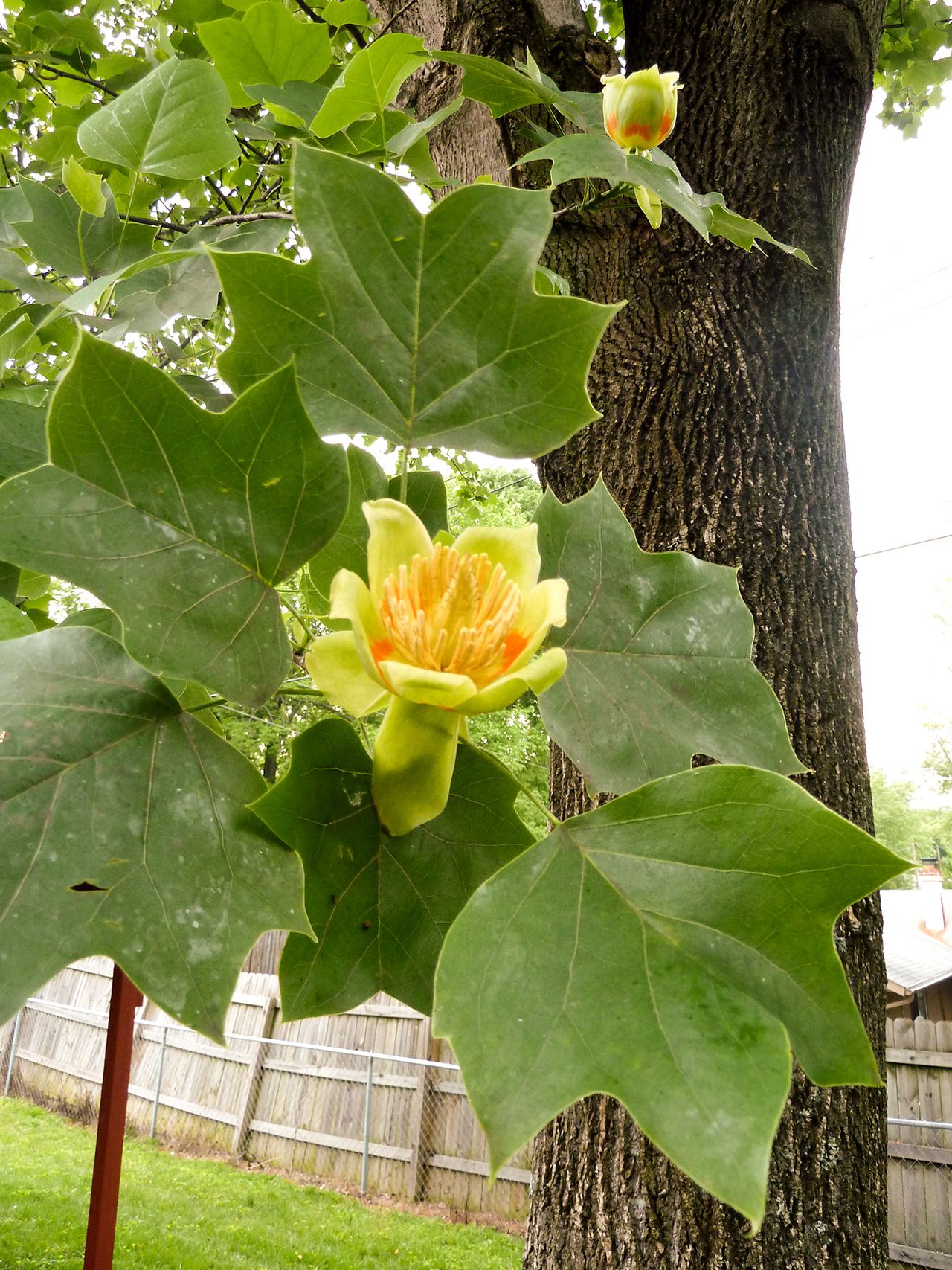
If you want a tree that grows fast, throws glorious golden shade, feeds pollinators, and looks like it borrowed its flowers from a fancy spring bouquet, meet the tulip tree. Also called tulip poplar, yellow poplar, tulip magnolia, or by its botanical name Liriodendron tulipifera, this native North American tree is not actually a poplar. Surprise! It belongs to the magnolia family, which explains the elegant, tulip-shaped flowers hiding high in the branches like little cups of sunshine.
Planting a tulip tree is not difficult, but it is a “right tree, right place” kind of decision. This is not a dainty patio plant or a polite little ornament for a tiny courtyard. A mature tulip tree can become a towering shade tree with a broad canopy, a straight trunk, and serious presence. Give it room, moisture, decent soil, and sunshine, and it may become one of the most impressive trees in the neighborhood. Give it a cramped, dry, compacted site next to the driveway, and it may sulk like a teenager asked to mow the lawn.
This guide explains how to plant and grow a tulip tree successfully, from choosing the right site to watering, mulching, pruning, and solving common problems. Whether you are planting a young sapling or planning a long-term landscape centerpiece, the goal is simple: help this magnificent native tree establish strong roots and grow into the leafy skyscraper it was born to be.
What Is a Tulip Tree?
The tulip tree is a large, fast-growing deciduous tree native to eastern North America. It is famous for four main features: unusual leaves, tulip-like spring flowers, bright yellow fall color, and a tall, stately form. Young trees often have a pyramidal or oval shape, while older trees become broader and more rounded.
The leaves are easy to recognize. Instead of the familiar oval or maple-like shape, tulip tree leaves look almost as if someone neatly clipped the tip off with scissors. In spring and summer, the foliage is fresh green. In fall, it can turn a clear golden yellow, especially when the tree has had enough moisture through the growing season.
Does a Tulip Tree Grow Tulips?
No, but the confusion is understandable. A tulip tree does not grow bulb tulips like the flowers planted in spring gardens. Its name comes from the tree’s cup-shaped, greenish-yellow and orange flowers, which resemble tulips. These blooms usually appear in late spring after the leaves have emerged. On young trees, flowering may not happen for many years, so patience is required. Think of it as a long-term garden investment with a dramatic reveal.
Best Growing Conditions for a Tulip Tree
A tulip tree grows best when its site matches its natural preferences: full sun, deep soil, consistent moisture, and room to stretch. In the wild, tulip trees are often found in moist forests, coves, bottomlands, and rich woodland edges. In the home landscape, they perform best when gardeners imitate those conditions as closely as possible.
Sunlight
Choose a location with full sun whenever possible. A tulip tree can tolerate partial shade, especially when young, but full sun encourages stronger growth, better structure, and more reliable flowering once the tree matures. Aim for at least six hours of direct sunlight per day.
Soil
The ideal soil for a tulip tree is deep, moist, fertile, and well drained. Slightly acidic soil is preferred, although the tree can adapt to a range of soil pH levels. What it does not appreciate is heavy compaction, salty soil, droughty ground, or a site where water sits for long periods.
If your soil is hard as a parking lot, take the hint before planting. Tulip trees have fleshy roots and need oxygen in the soil. Compacted soil limits root growth, slows establishment, and increases stress. Before buying the tree, test drainage by digging a hole about 12 inches deep, filling it with water, letting it drain, and filling it again. If water remains for many hours, improve the planting area or choose a different tree.
Space
This is where many gardeners make their first mistake. A tulip tree is beautiful, but it is not small. Depending on climate, soil, and growing conditions, it can become a very large shade tree with a canopy spread of 30 to 50 feet or more. Plant it away from houses, garages, overhead wires, narrow sidewalks, septic fields, and small ornamental beds.
For most home landscapes, allow at least 35 to 40 feet between tulip trees and plenty of clearance from buildings. Also remember that mature trees may drop flowers, leaves, seed structures, and small branches. This is normal tree behavior, not a personal attack on your rake.
When to Plant a Tulip Tree
Early spring is often the best time to plant a tulip tree, especially in cooler climates. Spring planting gives the tree a full growing season to establish roots before winter. Because tulip trees have fleshy root systems and prefer consistent moisture, spring planting is generally safer than planting late in fall in areas with harsh winters.
Fall planting can work in mild climates or where autumn soil moisture is reliable, but watering is still essential. Avoid planting during summer heat unless you can commit to careful irrigation. A newly planted tulip tree in hot, dry weather is like a marathon runner handed one tiny paper cup of water and told, “Good luck, champ.”
How to Plant a Tulip Tree Step by Step
Correct planting is the foundation of long-term tree health. A tulip tree planted too deeply or in a narrow, glazed hole may survive at first but decline years later. Take your time now, and future you will not be standing under a sad tree wondering where things went wrong.
1. Choose a Healthy Young Tree
Look for a nursery-grown tulip tree with a straight central leader, healthy bark, and no major wounds. The leaves should look fresh, not wilted or scorched. If buying a container-grown tree, check for circling roots near the edge of the pot. A few can be corrected, but a severely root-bound tree may struggle after planting.
For balled-and-burlapped trees, inspect the trunk base. The root flarethe area where the trunk widens and transitions into rootsshould be visible or easy to expose. If the trunk looks like a telephone pole disappearing straight into the soil, it may have been planted too deep at the nursery.
2. Prepare the Planting Site
Remove grass and weeds from a wide circle around the planting area. Turf competes strongly with young tree roots for moisture and nutrients. A weed-free, mulched zone gives the tulip tree a much better start.
Water the root ball before planting if it feels dry. It is also helpful to moisten the surrounding soil the day before planting. Dry root balls can repel water at first, especially when container media differs from native soil.
3. Find the Root Flare
This step is critical. The root flare should sit at or slightly above the final soil grade. If excess soil covers the top of the root ball, gently remove it until you locate the first major roots. Do not bury the root flare after planting. A buried root flare can lead to poor oxygen exchange, stem-girdling roots, rot, and slow decline.
4. Dig a Wide, Shallow Hole
Dig the planting hole two to three times wider than the root ball, but no deeper than the root ball height after the root flare has been exposed. The hole should look more like a shallow saucer than a deep bucket. Tree roots grow mostly outward through the upper soil layers, so width matters more than depth.
Set the root ball on firm, undisturbed soil. This prevents settling. If the tree sinks after planting, the root flare may end up buried, which is exactly what you are trying to avoid.
5. Correct Circling Roots
For container-grown trees, loosen or shave off circling roots around the outside of the root ball. This encourages roots to grow outward into the surrounding soil instead of continuing to circle the trunk like a bad habit in botanical form.
For balled-and-burlapped trees, set the tree in the hole first, then remove twine, burlap, and wire from the upper portion of the root ball. Do not leave material wrapped tightly around the trunk or root flare.
6. Backfill with Native Soil
Use the soil you removed from the hole as backfill. In most cases, do not heavily amend only the planting hole with compost, peat moss, or potting mix. A pocket of fluffy amended soil surrounded by dense native soil can create drainage and root-growth problems. If the broader site needs improvement, improve a wide area rather than making one luxurious little bathtub for the roots.
Backfill gently, breaking up large clumps. Press soil lightly with your hands to remove big air pockets, but do not stomp it down. Tree planting is not the time to perform a victory dance on the root zone.
7. Water Thoroughly
After planting, water slowly and deeply. This settles soil around the roots and helps the tree recover from transplant shock. Build a low ring of soil around the outer edge of the planting area if needed to hold water temporarily, but avoid piling soil against the trunk.
8. Add Mulch the Right Way
Apply a 2- to 3-inch layer of organic mulch, such as wood chips or shredded bark, over the root zone. Keep mulch several inches away from the trunk and leave the root flare visible. The goal is a broad mulch ring, not a mulch volcano. Mulch volcanoes may look tidy for about five minutes, but they can trap moisture against bark, encourage pests, and damage roots.
Tulip Tree Care After Planting
Once the tree is in the ground, your biggest job is helping it establish roots. Tulip trees are fast growers when happy, but young trees still need steady care during the first few years.
Watering
Water newly planted tulip trees regularly, especially during the first growing season. In spring or summer, young trees may need water two or three times per week at first, then weekly as roots begin to expand. A useful rule is to water deeply enough to moisten the root ball and surrounding soil without making the area soggy.
Check soil moisture by feeling several inches below the mulch. If the soil is dry at that depth, water. If it is wet and sticky, wait. Too little water causes stress, leaf yellowing, and premature leaf drop. Too much water can reduce oxygen around roots. Tulip trees like moisture, but they do not want to live in soup.
Mulching
Refresh mulch as needed to maintain a 2- to 3-inch layer. Extend the mulch ring outward as the tree grows. A wider mulch ring reduces competition from grass, protects the trunk from mower injury, moderates soil temperature, and helps conserve moisture.
Fertilizing
Most tulip trees do not need routine fertilizer if planted in decent soil. In fact, pushing fast growth with too much nitrogen can create soft, weak growth. If the tree is growing poorly and watering is not the issue, consider a soil test before fertilizing. A soil test tells you what is actually missing, instead of letting you guess with a bag of fertilizer and optimism.
Pruning
Prune tulip trees in late winter or early spring while they are dormant. Focus on removing dead, damaged, crossing, or poorly attached branches. Young trees benefit from structural pruning that encourages one strong central leader and well-spaced branches.
Avoid heavy pruning of mature trees unless necessary. Large tulip trees can be difficult and dangerous to prune, so call a certified arborist for high limbs, storm damage, or major structural concerns. A ladder, a chainsaw, and confidence are not a professional tree-care plan.
Common Tulip Tree Problems
Tulip trees are generally dependable, but they can run into problems when planted in stressful sites. Most issues are easier to prevent than fix.
Drought Stress
Drought stress is one of the most common problems. Leaves may yellow, brown at the edges, or drop early. Young trees are especially vulnerable because their roots have not spread far into the surrounding soil. Deep watering during dry periods helps prevent stress and supports healthy fall color.
Aphids and Sticky Honeydew
Aphids and scale insects may feed on tulip tree leaves and stems. These pests can produce sticky honeydew, which may lead to black sooty mold on leaves, cars, patios, or anything unlucky enough to sit beneath the tree. Healthy mature trees often tolerate minor infestations, but heavy pest problems may require horticultural oil, insecticidal soap, or professional guidance.
Leaf Spot and Minor Diseases
Leaf spots can occur, especially in wet seasons. In many cases, they are cosmetic rather than fatal. Rake fallen leaves if disease pressure is high, improve airflow where possible, and avoid overhead watering on young trees.
Storm Damage
Tulip trees grow quickly and can develop large limbs. Good early pruning helps reduce weak branch structure. Because mature trees are tall, storm-damaged branches should be evaluated by an arborist.
Best Landscape Uses for Tulip Trees
A tulip tree is best used as a shade tree, specimen tree, park tree, or large-lawn focal point. It is excellent for expansive yards, naturalized areas, and properties where a large native tree can grow without constant interference from buildings or pavement.
Its flowers support pollinators, while seeds and structure may benefit birds and wildlife. In summer, the canopy casts generous shade. In fall, the foliage can create a golden glow that makes the entire landscape feel warmer, even when sweater season has arrived.
What Not to Do When Growing a Tulip Tree
Do not plant a tulip tree too close to your house. Do not bury the root flare. Do not pile mulch against the trunk. Do not plant it in dry, compacted soil and expect it to clap politely. Do not forget to water during the establishment period. And do not panic if your young tree does not flower right away. Tulip trees often need years before they bloom, and the flowers may appear high in the canopy where you notice them only after petals fall.
The best approach is patient, practical care. Plant correctly, water consistently, mulch wisely, and let the tree do what trees do best: grow quietly while making you look like a gardening genius.
Real-Garden Experience: Lessons From Planting and Growing a Tulip Tree
Growing a tulip tree teaches a gardener several lessons, and the first one is humility. On planting day, a young tulip tree may look small enough to tuck into a corner of the yard. It stands there with its smooth stem and bright leaves, looking innocent. Then you remember that this “little tree” has ambitions. Big ambitions. This is why experienced gardeners always imagine the mature size before they dig. A tulip tree needs room not just for its trunk, but for its future canopy, root system, falling leaves, and seasonal personality.
One of the most useful experiences is learning how important the root flare really is. Many beginners focus on the pretty top of the tree and ignore what is happening at soil level. But the root flare is the line between a strong start and years of hidden trouble. When you take the time to expose it, set it slightly above grade, and keep mulch away from the trunk, the tree looks more natural immediately. It also drains better around the base and avoids that buried-pole look that so often leads to decline.
Watering also becomes a hands-on lesson. At first, many people either sprinkle too lightly or water too often. A tulip tree responds best to slow, deep watering that reaches the root ball and surrounding soil. During the first summer, checking the soil under the mulch becomes a habit. Dry several inches down? Water deeply. Still moist? Wait. This simple rhythm prevents both drought stress and overwatering.
Another experience is discovering that mulch is a quiet hero. A wide mulch ring may not be flashy, but it makes maintenance easier. It keeps grass away from the trunk, protects bark from mowers, reduces weeds, and helps the soil stay evenly moist. The tree seems to settle in faster when it does not have to compete with lawn grass right up to its stem.
Finally, growing a tulip tree rewards patience. You may wait years for flowers, and when they finally appear, they may be high in the canopy like a private party for bees. But the tree gives other gifts long before that: fast shade, handsome leaves, upright form, and glowing fall color. The experience is less about instant gratification and more about planting something that gets better with time. A tulip tree is not just landscaping; it is a long-term relationship with roots, shade, and a little seasonal drama.
Conclusion
Learning how to plant and grow a tulip tree starts with one big idea: give this native giant the space and care it deserves. Choose a sunny site with deep, moist, well-drained soil. Plant in spring when possible, keep the root flare visible, dig a wide shallow hole, backfill with native soil, mulch properly, and water consistently while the tree establishes. Once settled, a tulip tree can become a magnificent shade tree with distinctive leaves, spring flowers, wildlife value, and brilliant yellow fall color.
It is not the right tree for every yard, but in the right place, it is unforgettable. Plant it thoughtfully, care for it during its early years, and you may end up with a living landmark that outlasts patio trends, garden gadgets, and possibly your strongest opinions about mulch.