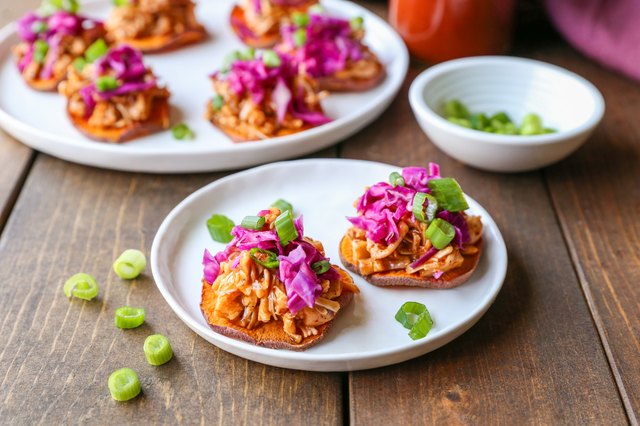
BBQ jackfruit is what happens when a tropical fruit puts on a flannel shirt, stands beside a smoker, and announces that it is ready for sandwich duty. Young green jackfruit has a mild flavor and naturally fibrous texture that can be pulled into tender shreds, coated with smoky barbecue sauce, and cooked until the edges become sticky and caramelized.
The result is not an exact nutritional or flavor copy of pulled pork, and it does not need to be. Properly prepared BBQ jackfruit is a satisfying plant-based filling with its own personality: tangy, smoky, slightly sweet, pleasantly chewy, and remarkably good at holding sauce. It can be piled onto buns, tucked into tacos, scattered over nachos, or eaten directly from the skillet while nobody is looking.
This guide explains how to make BBQ jackfruit from canned young green jackfruit, including the best seasonings, cooking techniques, serving ideas, storage instructions, common mistakes, and practical lessons that help prevent the dreaded bowl of warm, soggy fruit.
What Is BBQ Jackfruit?
Jackfruit is a large tropical fruit traditionally used in many Asian cuisines. Ripe jackfruit is sweet and fruity, while unripe or young green jackfruit has a much milder flavor. When cooked, the unripe fruit separates into stringy pieces that resemble shredded chicken or pulled pork.
That texture is the reason young jackfruit has become popular in savory plant-based recipes. It readily absorbs barbecue sauce, chili powder, smoked paprika, garlic, cumin, vinegar, and other bold seasonings. Reputable cooking publications commonly recommend young green jackfruit for pulled-style dishes rather than ripe jackfruit, which is better suited to desserts and sweet preparations.
Choose the Right Jackfruit
Buy young green jackfruit
For this BBQ jackfruit recipe, look for cans labeled young green jackfruit or unripe jackfruit. It should be packed in water or brine.
Do not use ripe jackfruit packed in syrup. That product is soft, sweet, and intended for desserts. No amount of smoked paprika can convince syrup-soaked fruit that it belongs at a backyard barbecue.
Jackfruit packed in water generally has the most neutral flavor. Jackfruit in brine also works, but it should be rinsed thoroughly to remove excess salt and acidity. Recipe developers from Food Network, Allrecipes, The Washington Post, Minimalist Baker, and other established cooking sites consistently use young green jackfruit for savory barbecue preparations.
Canned versus fresh jackfruit
A whole fresh jackfruit can be enormous, heavy, sticky, and surprisingly determined to cover your knife and countertop with latex-like sap. Preparing one is possible, but canned young jackfruit is faster, easier to find, and more consistent for this recipe.
Fresh green jackfruit may need to be cut, steamed or pressure-cooked, cooled, trimmed, and separated before seasoning. Unless you are looking for an afternoon project and perhaps a minor test of character, canned jackfruit is the practical choice.
Ingredients for BBQ Jackfruit
This recipe makes approximately four generous sandwiches or six smaller servings.
For the jackfruit
- 2 cans, approximately 14 to 20 ounces each, young green jackfruit in water or brine
- 1 tablespoon olive oil or avocado oil
- 1 small yellow onion, finely chopped
- 2 garlic cloves, minced
- 1 teaspoon smoked paprika
- 1 teaspoon chili powder
- 1/2 teaspoon ground cumin
- 1/2 teaspoon garlic powder
- 1/2 teaspoon onion powder
- 1/4 teaspoon black pepper
- 1/4 teaspoon salt, or less if the jackfruit was packed in brine
- 3/4 to 1 cup barbecue sauce
- 1/3 cup water or low-sodium vegetable broth
- 1 teaspoon apple cider vinegar, optional
- 1 teaspoon soy sauce or tamari, optional
For serving
- Toasted hamburger buns or slider rolls
- Creamy or vinegar-based coleslaw
- Dill pickles
- Sliced red onion
- Jalapeño slices
- Extra barbecue sauce
How to Make BBQ Jackfruit Step by Step
Step 1: Drain and rinse the jackfruit
Pour the canned jackfruit into a colander. Rinse it thoroughly under cool running water, especially when it is packed in brine. Drain it well.
Spread the pieces over a clean kitchen towel or several layers of paper towel. Pat them dry. Removing extra moisture is important because wet jackfruit tends to steam instead of brown.
Step 2: Shred the pieces
Use your fingers or two forks to pull the jackfruit into rough shreds. Many pieces will have a soft, fibrous section attached to a firmer triangular core.
You can trim away the hardest parts of the core, but most of it is edible. Thinly slice or finely chop the firm portions so they cook at the same rate as the softer shreds. Remove any very tough seed coverings that do not break apart easily.
Do not shred everything into tiny threads. A mixture of strands and small chunks creates a more interesting, substantial texture.
Step 3: Cook the onion and garlic
Heat the oil in a large skillet over medium heat. Add the chopped onion and cook for four to five minutes, stirring occasionally, until softened and lightly golden.
Add the minced garlic and cook for approximately 30 seconds. Garlic burns quickly, so this is not the time to answer a long text message.
Step 4: Toast the jackfruit with dry seasonings
Add the shredded jackfruit to the skillet. Sprinkle in the smoked paprika, chili powder, cumin, garlic powder, onion powder, black pepper, and salt.
Cook for five to seven minutes, stirring occasionally. Allow some of the jackfruit to remain in contact with the hot skillet long enough to develop browned spots. This brief dry-seasoning stage builds flavor before the sauce is added.
Many successful BBQ jackfruit methods follow the same general pattern: drain the fruit, season it, sauté or brown it, then simmer it in sauce until tender. Finishing it uncovered helps produce the sticky texture expected from good barbecue.
Step 5: Add liquid and simmer
Pour in the water or vegetable broth. Add the optional soy sauce and apple cider vinegar. These ingredients contribute saltiness, acidity, and savory depth, helping the filling taste less one-dimensional.
Reduce the heat to medium-low, cover the skillet, and simmer for 10 to 15 minutes. Stir once or twice. As the jackfruit softens, press larger pieces with the back of a wooden spoon to separate them further.
If the skillet becomes dry before the jackfruit is tender, add one or two tablespoons of water. Avoid flooding the pan; you are making barbecue filling, not jackfruit soup.
Step 6: Add barbecue sauce
Stir in 3/4 cup of barbecue sauce. Continue cooking uncovered for eight to 10 minutes, stirring occasionally, until the sauce thickens and clings to the shreds.
Taste the mixture. Add more barbecue sauce if needed. A sweet sauce may benefit from extra vinegar or hot sauce, while a sharp, smoky sauce may need a small spoonful of brown sugar or maple syrup.
Step 7: Create crispy edges
For the best texture, spread the sauced jackfruit evenly across the skillet and let it cook undisturbed for two or three minutes. Stir and repeat once more. The goal is to produce caramelized edges without burning the sugar in the sauce.
For an even drier finish, spread the cooked jackfruit on a parchment-lined baking sheet and bake at 425 degrees Fahrenheit for approximately 10 minutes. Broil it for one or two additional minutes if necessary, watching closely.
Step 8: Assemble and serve
Toast the buns so they do not become soggy. Spoon the hot BBQ jackfruit onto the bottom half of each bun. Top it with crunchy coleslaw, pickles, sliced onion, or jalapeños.
The contrast matters. Tender, saucy jackfruit tastes much better when paired with something crisp, fresh, acidic, or creamy. A sandwich containing only a bun and a mountain of soft filling can feel like two pillows arguing.
How to Make Homemade Barbecue Sauce
Store-bought barbecue sauce makes this recipe fast, but homemade sauce allows you to control sweetness, smoke, heat, and salt.
Quick homemade BBQ sauce
- 3/4 cup ketchup
- 2 tablespoons apple cider vinegar
- 2 tablespoons brown sugar or maple syrup
- 1 tablespoon molasses
- 1 tablespoon Worcestershire-style vegan sauce or soy sauce
- 1 teaspoon yellow mustard
- 1 teaspoon smoked paprika
- 1/2 teaspoon garlic powder
- 1/2 teaspoon onion powder
- 1/4 teaspoon black pepper
- Cayenne pepper or hot sauce to taste
Combine the ingredients in a small saucepan. Simmer over low heat for eight to 10 minutes, stirring frequently. Taste and adjust before adding it to the jackfruit.
Ways to Customize BBQ Jackfruit
Make it smokier
Add an extra 1/2 teaspoon of smoked paprika, a pinch of chipotle powder, or one or two drops of liquid smoke. Use liquid smoke carefully. It should suggest a wood-fired barbecue, not a warehouse fire.
Make it spicy
Add cayenne pepper, chipotle peppers in adobo, hot sauce, crushed red pepper flakes, or minced jalapeño. A spicy barbecue sauce can also do most of the work.
Make it less sweet
Choose a vinegar-forward barbecue sauce and add extra apple cider vinegar, mustard, black pepper, or chili powder. Avoid sauces in which sugar is one of the first ingredients when you prefer savory barbecue.
Add more protein
Jackfruit is valued mainly for its texture, not its protein content. It contains considerably less protein than meat, tofu, beans, lentils, or seitan. For a more balanced meal, serve it with baked beans, lentil salad, chickpea slaw, quinoa, edamame, or a bean-based side dish.
Best Ways to Serve BBQ Jackfruit
- Sandwiches: Serve on toasted buns with coleslaw and pickles.
- Tacos: Add avocado, cabbage, cilantro, lime, and pickled onions.
- Nachos: Spoon over tortilla chips with beans, jalapeños, corn, and dairy-free cheese.
- Loaded potatoes: Add it to baked russet or sweet potatoes.
- Grain bowls: Pair it with brown rice, quinoa, roasted vegetables, and crunchy slaw.
- Pizza: Spread barbecue sauce over pizza dough and add jackfruit, red onion, and cheese.
- Sliders: Use small rolls for parties, picnics, and game-day meals.
- Quesadillas: Combine it with black beans and melting cheese or a dairy-free alternative.
Common BBQ Jackfruit Mistakes
Using ripe jackfruit
Ripe jackfruit is sweet and soft. It will not produce the savory, shredded texture needed for BBQ jackfruit. Always check the label before buying.
Skipping the rinse
Jackfruit packed in brine can taste salty or sour. Rinsing reduces the canned flavor and gives you more control over the seasoning.
Adding sauce too early
If the barbecue sauce goes into the pan immediately, the jackfruit may soften without browning. Cook the fruit with the dry spices first, then add liquid and sauce.
Leaving too much moisture in the skillet
A watery pan prevents caramelization. Simmer uncovered at the end and give the sauce time to reduce.
Expecting jackfruit to taste exactly like pork
Jackfruit can imitate the appearance and pulled texture of meat, but it has little fat and a different nutritional profile. Build flavor with smoke, acid, salt, spices, browning, and a well-balanced sauce rather than expecting the fruit to perform magic without assistance.
How to Store and Reheat BBQ Jackfruit
Allow leftover BBQ jackfruit to cool, then place it in a shallow airtight container. Refrigerate it promptly and use it within three to four days. USDA guidance recommends refrigerating cooked leftovers within two hours and reheating leftovers thoroughly.
Reheat BBQ jackfruit in a skillet over medium heat with a splash of water or extra barbecue sauce. The stovetop restores the texture better than a microwave because the edges can caramelize again.
For longer storage, freeze individual portions in airtight containers. Thaw overnight in the refrigerator before reheating. The texture may soften slightly after freezing, but a few minutes in a hot skillet usually brings it back to life.
Practical Experience: What Home Cooks Learn From Making BBQ Jackfruit
The first lesson of BBQ jackfruit is that appearance can be misleading. When the can is opened, the pale wedges do not immediately resemble barbecue. They look more like mysterious artichoke relatives that have arrived without instructions. The transformation happens gradually, and the most important part is patience.
A common first attempt begins by draining the jackfruit, adding sauce, and warming everything for a few minutes. The flavor may be acceptable, but the texture is usually soft, wet, and disappointing. It tastes like barbecue sauce sitting beside jackfruit rather than barbecue flavor cooked into it. That experience teaches the value of drying, seasoning, browning, and reducing.
The second attempt is often much better. The jackfruit is rinsed, pressed dry, and pulled into a combination of thin strands and small chunks. Onion and garlic are cooked first. The jackfruit then spends several minutes in the skillet with smoked paprika, chili powder, cumin, and black pepper before any liquid appears. At this stage, the kitchen begins to smell like dinner rather than an experiment.
Another useful lesson is that the firmer core does not always need to be discarded. Large core pieces can remain tough, but finely slicing or chopping them creates small, chewy bits that make the filling more substantial. Throwing away every firm piece can reduce the yield and leave the final mixture overly stringy.
Sauce selection also changes the entire dish. A thick, very sweet sauce can overwhelm the mild jackfruit and burn before the fruit develops crisp edges. A thinner, tangier sauce may reduce more evenly. When using a sugary sauce, it helps to add only part of it during cooking and reserve the rest for serving. This prevents the skillet from becoming a sticky crime scene.
Texture improves dramatically when the final cooking stage is uncovered. Letting the sauced jackfruit sit against the hot pan for a few minutes creates dark, caramelized spots. Those browned edges provide the roasted flavor and slight chew that many weak jackfruit recipes lack. An oven or broiler can accomplish the same goal when cooking a large batch.
Serving experience matters just as much as cooking technique. Soft jackfruit on a soft bun with a soft topping feels heavy and monotonous. Add crisp slaw, toasted bread, cold pickles, and sliced onion, and the sandwich suddenly becomes lively. Acidity cuts through the sweetness of the sauce, while crunchy vegetables balance the tender filling.
It is also helpful to be honest about what jackfruit offers. It is not a high-protein replacement for pork, and presenting it as a nutritionally identical substitute creates unrealistic expectations. It works best as a flavorful vegetable-based centerpiece accompanied by beans, lentils, quinoa, or another source of plant protein.
Finally, BBQ jackfruit is forgiving. A mixture that seems too sweet can be corrected with vinegar, mustard, or hot sauce. A dry batch can be rescued with broth. A watery batch can be cooked uncovered. A bland batch can receive more smoked paprika, garlic, salt, or soy sauce. Even an imperfect first attempt usually makes decent tacos, which is one of the kitchen’s more comforting backup plans.
Final Thoughts
Learning how to make BBQ jackfruit is mostly about controlling moisture and building flavor in layers. Start with young green jackfruit, rinse it well, dry it thoroughly, and season it before adding barbecue sauce. Simmer it until tender, then finish it uncovered so the sauce becomes sticky and the edges begin to brown.
The recipe is simple enough for a weeknight but flexible enough for cookouts, parties, meal preparation, and creative leftovers. Serve it in a toasted bun with crunchy slaw for the classic experience, or use it in tacos, bowls, nachos, baked potatoes, and pizza.
Editorial note: The preparation methods and ingredient guidance in this article were synthesized from established cooking, nutrition, and food-safety resources, including Food Network, Allrecipes, Bon Appétit, The Kitchn, EatingWell, The Washington Post, Minimalist Baker, Cleveland Clinic, Healthline, Verywell Fit, Providence, SELF, and the USDA.