Black jeans are a wardrobe workhorse. They go with sneakers, boots, blazers, band tees, and that sweater you keep “borrowing” from your future self in the laundry basket. But sometimes jet-black denim starts to feel a little too crisp, too dark, or too fresh off the shelf. You want that softer charcoal tone, that broken-in vintage fade, that “I definitely did not buy these yesterday” look.
The good news? You can lighten your black jeans at home. The bad news? Denim has a dramatic side. One careless bleach splash and your cool faded wash can turn into a crime scene for cotton. The trick is to lighten black jeans slowly, safely, and with a game plan.
In this guide, you’ll learn how to fade black jeans evenly, when to use diluted bleach, when color remover makes more sense, how to avoid wrecking stretch denim, and what to do after the color shifts. Whether you want an all-over faded black look or a gently worn-in finish, here’s how to get there without turning your favorite jeans into sad gray confusion.
Why Black Jeans Fade Differently Than Blue Jeans
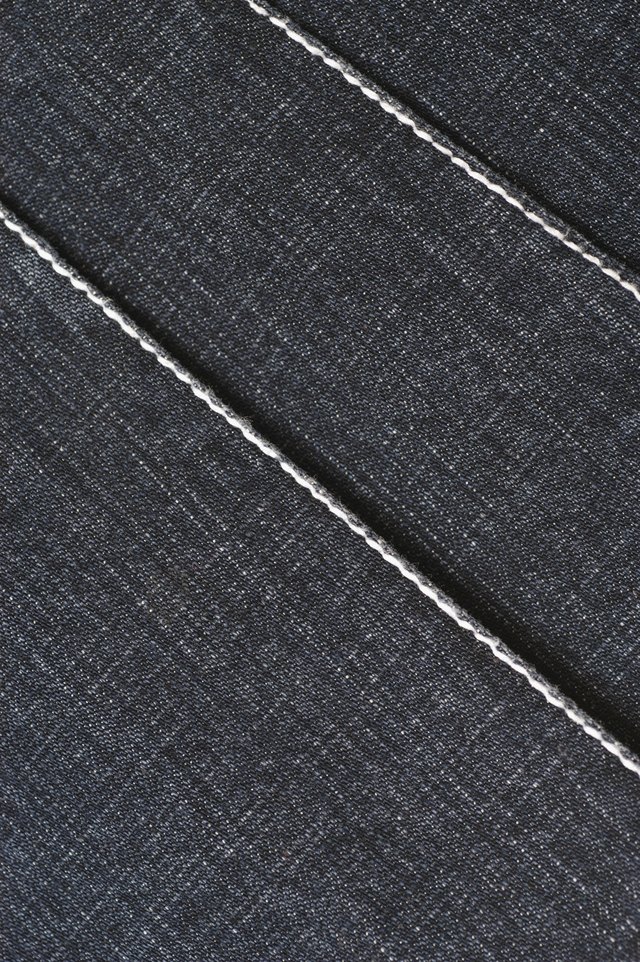
Before you start, it helps to know what you’re working with. Black denim often fades in a different way than indigo denim. Instead of aging into classic blue whiskers and high-contrast wear lines, black jeans usually shift toward charcoal, smoky gray, or slightly brownish-black tones depending on the dye, the fabric blend, and how the jeans were finished at the factory.
That means the goal is not just to lighten black jeans. It’s to control how they lighten. Some people want a smooth all-over fade. Others want a distressed look with lighter knees, thighs, pocket edges, and seams. Both are possible, but each calls for a different method.
Before You Start: Read This So You Don’t Accidentally Invent Denim Tragedy
1. Check the care label
If the tag says do not bleach, take that warning seriously. Many black jeans contain elastane or spandex for stretch. Those fibers can weaken under harsh bleach exposure. If your jeans are a rigid 100% cotton denim, they usually tolerate fading techniques better than super-stretch skinnies.
2. Know your fiber content
The safest candidates for DIY fading are mostly cotton jeans. If your pair is heavy on spandex, rayon, silk-like blends, or delicate coatings, choose a gentler approach or skip the bleach entirely. Stretch denim can lose recovery, feel rough, or develop weird-looking pale streaks.
3. Do a patch test
Yes, it’s boring. Yes, you should still do it. Test your fading method inside the waistband, along an inner hem, or in another hidden spot. Black dyes vary wildly. Some turn a cool stone gray; others go warm and rusty-looking. A two-minute test can save you from a full-leg surprise.
4. Protect your workspace
Wear old clothes, gloves, and use good ventilation. Put down plastic or old towels. Keep a bucket or sink ready for rinsing. Bleach has the charming personality of a villain in a soap opera: dramatic, destructive, and happiest when left unsupervised.
5. Never mix bleach with vinegar, ammonia, or random “laundry hacks”
This is not the time to freestyle chemistry. If you use bleach, use bleach only as directed and rinse thoroughly before anything else touches the jeans. That “my aunt swears by vinegar” energy belongs nowhere near chlorine bleach.
Supplies You May Need
- Black jeans
- Rubber gloves
- Plastic tub, bucket, or sink
- Liquid bleach for a strong fade
- Color remover for a more even result
- Measuring cup
- Spray bottle (optional)
- Old towels
- Mild detergent
- Hydrogen peroxide solution for stopping bleach action if you are doing targeted fading
Method 1: How to Lighten Black Jeans with a Diluted Bleach Soak
If you want the fastest and most noticeable color change, a diluted bleach soak is the classic method. The key word is diluted. Pouring straight bleach onto black denim is basically asking for harsh spots, fiber damage, and regret.
Step 1: Wash the jeans first
Run the jeans through a regular wash with mild detergent and no fabric softener. This removes dirt, body oils, and finishing residue that can block an even fade.
Step 2: Fill a tub with cool water
Add cool water to a plastic tub or sink, then mix in bleach according to the product label and your comfort level. Start weaker than you think. You can always repeat the process, but you cannot politely ask denim to un-bleach itself.
Step 3: Submerge and move the jeans around
Place the jeans in the solution and keep them moving. Swish, turn, and reposition them so one section does not hog all the drama. Uneven soaking is one of the biggest reasons faded jeans come out blotchy.
Step 4: Check the color often
Look at the jeans every couple of minutes. Black denim can shift quickly once the bleach starts working. Remove them as soon as they reach a shade slightly darker than your target, because they may look lighter after rinsing and drying.
Step 5: Rinse thoroughly
Rinse several times with cool water. Then wash the jeans with mild detergent. This helps remove bleach residue and stops the fading from continuing during the next round of life decisions.
Step 6: Air-dry and evaluate
Hang the jeans to air-dry. Avoid high dryer heat right away. Once dry, decide whether you want to leave them as-is or repeat the process for a slightly lighter faded black finish.
Method 2: Spray or Sponge for a Worn-In, Vintage Fade
If you want black jeans that look naturally lived in rather than uniformly lighter, targeted fading is your friend. This method works well for the thighs, knees, seat, hems, waistband, and pocket edges.
How to do it
- Mix a weak bleach-and-water solution in a spray bottle or bowl.
- Lay the jeans flat on a protected surface.
- Insert cardboard or a towel inside the legs so the solution does not bleed through.
- Lightly spray, sponge, or dab the areas you want to fade.
- Wait a minute or two, then check the color.
- Repeat gradually instead of soaking the area all at once.
- Rinse, wash, and air-dry.
This approach gives more visual texture. It is great if you want that thrifted, broken-in look without turning the entire pair of jeans into a pale gray statement piece. Go slowly. Small layered applications usually look more convincing than one aggressive treatment that screams, “I made a choice at 11:48 p.m.”
Method 3: Use Color Remover for a More Even Fade
If you want to fade black jeans with less risk of harsh bleach marks, a laundry-safe color remover can be the smarter option. This route often gives a more uniform lift and can be especially useful when you want to shift the whole garment to a softer charcoal tone.
Color remover is also a solid choice when you are planning to re-dye the jeans later. For example, maybe you want to lighten faded black denim first and then push it into a smoky gray, dark olive, or washed brown tone. In that case, color remover helps create a cleaner starting point.
When color remover makes sense
- You want a more even result than bleach usually gives
- You plan to re-dye the jeans afterward
- You do not want splashy, distressed-looking contrast
- Your denim is sturdy and mostly cotton
Always follow the product directions closely because temperature, timing, and fabric content matter. This is not the place for “close enough” energy.
Can You Lighten Black Jeans Naturally?
Sort of. If by “naturally” you mean without chlorine bleach, yes. If you mean “leave them in the sun and whisper encouraging things,” results will be limited.
Here are lower-intensity options:
Frequent washing in cold water
This creates gentle fading over time, especially if you wash the jeans inside out with dark clothes and skip harsh detergent. It is slow, but it looks natural.
Sun exposure
Sun can fade black denim, but the process is inconsistent and can leave odd lines if the jeans are folded or clipped unevenly. Useful for subtle wear, not precise control.
Oxygen bleach
Oxygen bleach is better known for brightening and stain removal than dramatic color stripping. It is much gentler than chlorine bleach, so it is not the best pick if your goal is a major black-to-gray transformation.
If you want obvious results, diluted bleach or color remover usually works better. If you want a slow, low-risk softening of the color, repeated washing and wear may be enough.
How to Avoid Patchy, Streaky, or Weirdly Orange Results
Keep the fabric moving
If the jeans sit folded in one position, they can fade unevenly. Move them around often in the bath.
Use enough liquid
The jeans should be able to move freely. A cramped bucket creates cramped outcomes.
Start with clean denim
Residue from detergent, softener, dirt, or stain treatments can interfere with even color lift.
Fade in stages
Two lighter treatments are safer than one scorched-earth session. Denim usually rewards patience and punishes overconfidence.
Expect seam contrast
Seams, pocket edges, belt loops, and stress points often lighten differently because of thread type, construction, and friction. That contrast can actually make the jeans look more authentic.
How to Wash and Care for Lightened Black Jeans
Once you get the shade you want, your mission changes from “make them fade” to “keep them from going off the rails.”
- Wash the jeans inside out
- Use cold water
- Choose a mild detergent made for dark clothes if possible
- Avoid overwashing
- Skip heavy heat in the dryer
- Air-dry when you can
- Wash with similar dark or faded garments
This helps preserve the new tone and reduces additional dye loss. Think of it as maintenance for your newly customized denim personality.
Common Mistakes to Avoid
Using straight bleach
This is the fastest route to harsh spots and weakened fibers.
Ignoring stretch content
If your black jeans are very stretchy, bleaching them can be rough on the fabric structure.
Skipping the patch test
Black dye is unpredictable. One pair turns cool gray, another turns oddly tan. Test first.
Using hot dryer heat immediately after bleaching
Let the jeans dry naturally first so you can assess the true color and reduce extra stress on the fabric.
Believing every internet “hack” involving vinegar and salt
These tricks are often overpromised. They are not magic buttons for perfectly controlled denim fading.
What If Your Jeans Got Too Light?
Do not panic. Over-faded jeans are not always doomed.
- Re-dye them black or charcoal
- Lean into the vintage look and style them casually
- Add intentional distressing so the fade looks designed
- Turn them into work jeans, weekend jeans, or DIY shorts
Sometimes the denim project you planned and the denim project you end up with are not the same project. That does not mean you lost. It may just mean you invented “yard-work chic.”
Common Real-Life Experiences When Lightening Black Jeans
To make this guide more practical, here is what the experience of lightening black jeans often looks like in real life. Not in the glamorous, perfectly lit internet version where every pair fades evenly and every human remembers to wear gloves. In the actual version.
First, most people are surprised by how quickly black denim changes once bleach starts working. You think you have ages to stand there and evaluate like a denim scientist, and then suddenly your jeans go from deep black to “oh wow, that is definitely gray now.” That is why checking every few minutes matters. The color shift can sneak up on you.
Second, many people discover that seams and high-friction areas fade faster or differently than large flat sections. The thighs may soften to charcoal while the seams stay darker, or the knees may become lighter than expected. Usually, that is not a flaw. It often looks more natural, like the jeans have actually been worn and loved rather than chemically ambushed in a bucket.
Another common experience is underestimating how much fabric content matters. A rigid pair of 100% cotton jeans often handles a fading treatment far better than a stretchy skinny jean with a lot of elastane. Stretch denim can come out feeling rougher, less springy, or just a little tired. So if someone tries this on their favorite ultra-stretch pair and feels mildly betrayed by the result, they are not alone.
People also tend to expect “black to perfect vintage gray” in a single session. Realistically, the best outcomes usually come from going slowly. One light treatment, rinse, dry, assess, then decide whether a second round is worth it. That slower approach feels less exciting in the moment, but it produces a better-looking fade and gives you a chance to stop before the jeans cross into pale, patchy territory.
There is also the emotional roller coaster of the rinse stage. Wet jeans almost always look darker than dry jeans, so many people think the process did not workuntil the jeans dry and suddenly reveal the true faded shade. That waiting period can be annoying, but it is part of the process. Denim likes suspense.
And finally, one of the most common experiences is ending up with jeans that look better after a normal wash and a day of wear than they did right out of the treatment. Once the fabric relaxes, the tone softens, and the jeans settle back into shape, the result often looks more natural. So if your first glance feels uncertain, give them a wash, let them air-dry, put them on, and see how they look in real life. Denim has a way of calming down after the drama.
Final Thoughts
If you want to lighten your black jeans, the safest strategy is simple: check the fabric, choose the right method, work slowly, and stop before you think you need to. A diluted bleach soak works well for an obvious fade. A spray or sponge method gives a more lived-in look. Color remover is often the better choice for an even all-over shift.
The best faded black jeans do not look aggressively DIY. They look effortless, soft, and authenticlike they got there the cool way. With a little patience, your denim can absolutely pull that off.