Windsurfing looks like something invented by a surfer, a sailor, and a mischievous weather app after one too many beach smoothies. You stand on a board, hold a sail, catch the wind, glide across the water, and try very hard not to look like a folding lawn chair in distress. The good news? Learning basic windsurfing is much more approachable than it appears, especially when you start with the right gear, calm water, light wind, and a patient mindset.
This beginner-friendly guide breaks down how to learn basic windsurfing step by step: choosing equipment, understanding wind direction, balancing on the board, uphauling the sail, steering, turning, staying safe, and building confidence. You do not need to be a professional athlete, a marine biologist, or someone who says “gnarly” unironically. You just need a safe practice spot, proper instruction, and a willingness to fall in the water a few times with dignityor at least with a smile.
What Is Windsurfing?
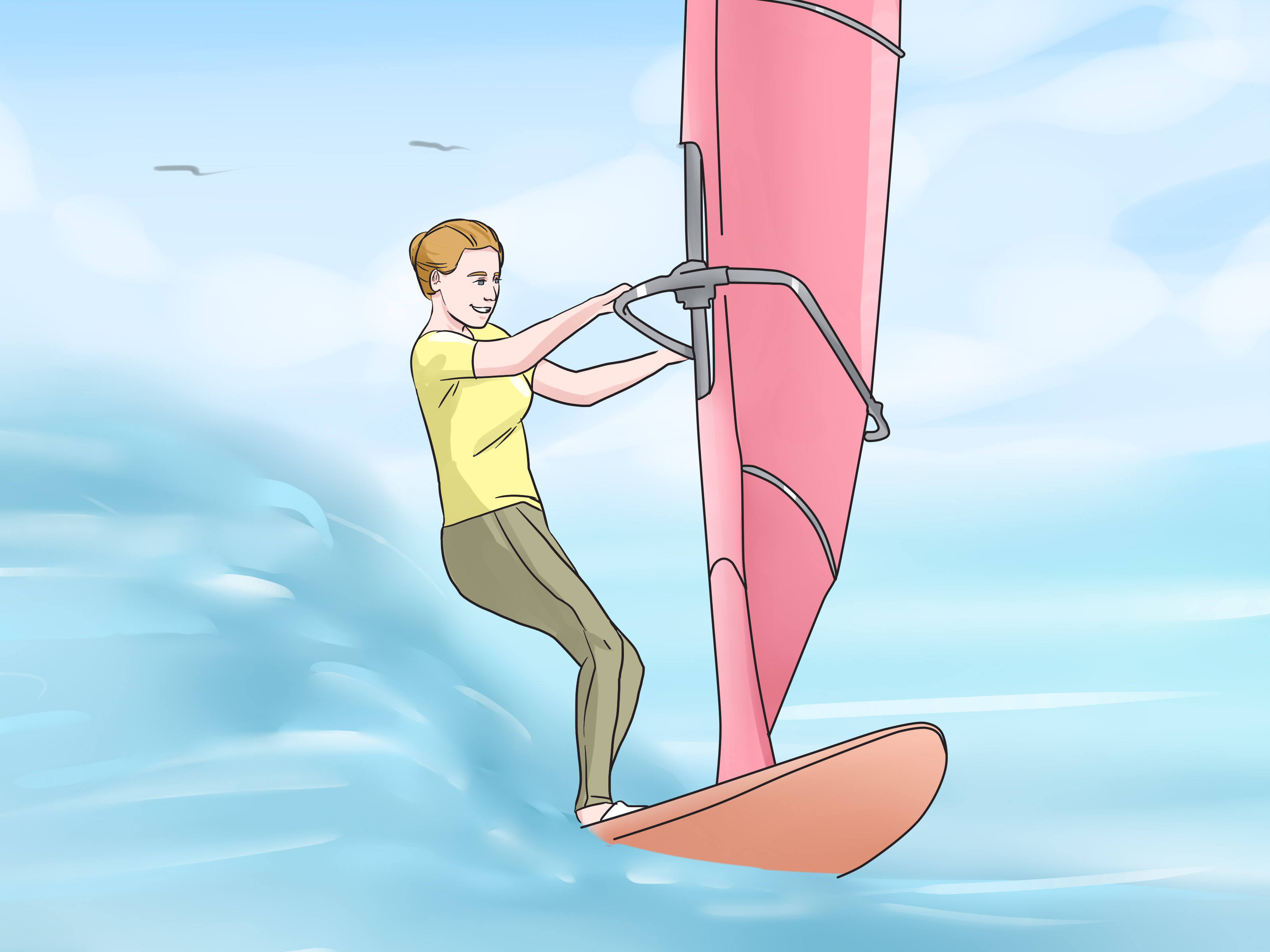
Windsurfing is a water sport that combines elements of sailing and board sports. The rider stands on a board connected to a rig, which includes a mast, boom, and sail. By adjusting the sail angle and shifting body weight, the rider uses wind power to move across the water.
Unlike surfing, windsurfing does not require waves. In fact, beginners usually learn best on flat water, such as a lake, bay, protected lagoon, or calm coastal area. Unlike regular sailing, the sail is not fixed in one position. You hold it with your hands, move it with your body, and learn to balance against the pull of the wind. This is why beginner windsurfing can feel awkward at first, but once the basics click, it becomes wonderfully addictive.
Why Basic Windsurfing Is Easier Than It Looks
The biggest myth about windsurfing is that you need extreme strength. You do not. Good technique matters more than muscle. A beginner on the right board and sail can make progress quickly because modern beginner equipment is wide, stable, and forgiving. Many windsurfing schools use large boards with daggerboards or center fins to help students stay balanced and reduce sideways drifting.
Another myth is that you must learn in strong wind. Actually, strong wind is the last thing a beginner needs. Light to gentle wind gives you enough power to move without feeling like the sail is trying to file for independence. For early practice, look for calm water and a steady breeze rather than gusty, offshore, or stormy conditions.
Start With a Lesson If Possible
You can read articles, watch videos, and stare thoughtfully at wind flags, but nothing replaces a good beginner windsurfing lesson. A qualified instructor can teach you how to rig the sail, read the wind, position your feet, uphaul correctly, steer, tack, and return safely to shore. Even one two- or three-hour lesson can prevent weeks of frustration.
A lesson also gives you access to beginner-friendly gear. This matters because many people struggle when they borrow or buy old advanced equipment that is too narrow, too small, or too difficult to balance on. Learning basic windsurfing on the wrong board is like learning to ride a bike on a unicycle while someone throws seaweed at you. Possible? Maybe. Sensible? Not really.
Choose the Right Beginner Windsurfing Gear
Beginner Board
A beginner windsurfing board should be large, wide, stable, and floaty. Look for a board with plenty of volume and a daggerboard or centerboard. The daggerboard helps the board track upwind and reduces sideways drift, which is extremely helpful when you are learning how to control direction.
For many adult beginners, boards in the range of roughly 160 to 220 liters are common, depending on body weight, water conditions, and school equipment. A wider board gives you a steadier platform for standing, uphauling, and practicing turns. As your balance improves, you can later progress to smaller freeride boards, but there is no trophy for making your first day harder than necessary.
Beginner Sail
Beginner sails should be light, durable, and small enough to handle comfortably. A sail that is too large will tire you quickly and make learning feel like wrestling a wet billboard. Smaller riders may start with sails around 2.5 to 4 square meters, while average adult beginners often use something around 4 to 5.5 square meters in light wind. Larger riders may use slightly bigger sails, but the exact choice depends on wind strength and instructor guidance.
Mast, Boom, Uphaul, and Rig
The mast supports the sail, the boom is the handle you hold, and the uphaul is the rope used to pull the sail out of the water. Before going out, learn the names of these parts. You do not need to become a gear professor, but knowing basic terms makes lessons easier and prevents confusion when someone says, “Move your front hand on the boom,” instead of “Grab the mystery stick thingy.”
Safety Gear
Wear a properly fitted life jacket or buoyancy aid approved for water activities. Many beginners also wear water shoes, a wetsuit or rash guard depending on temperature, sunscreen, and sometimes a helmet in crowded or rocky areas. Dress for the water temperature, not only the air temperature. A sunny day can still become uncomfortable quickly if the water is cold and you spend plenty of time falling inwhich, as a beginner, you absolutely will.
Pick the Right Place to Learn
The ideal beginner windsurfing location has flat water, steady side-shore or onshore wind, shallow areas where allowed, minimal boat traffic, and an easy launch. Avoid offshore wind, because it can push you away from land. Also avoid strong current, large waves, crowded swim zones, rocky shorelines, and places where returning to your starting point would require heroic music.
Side-shore wind, where the wind blows parallel to shore, is often useful because you can sail out and back along the beach. Onshore wind can be safe in some locations because it pushes you back toward land, though it may make launching and landing trickier if waves are present. Offshore wind may look smooth near the beach, but it is risky for beginners because it can carry you away from shore faster than expected.
Learn to Read the Wind
Before touching the board, spend a few minutes watching the wind. Look at flags, ripples, moored boats, trees, and other sailors. Identify where the wind is coming from. Windsurfing is not about going straight into the wind. In fact, there is a “no-go zone” directly upwind where the sail cannot generate useful power.
Beginners usually learn by sailing across the wind, also called reaching. This is one of the easiest and most stable directions. Think of the wind like an invisible river. Your job is not to fight it face-first; your job is to angle the sail and board so the wind pulls you smoothly across the water.
Step-by-Step: How to Learn Basic Windsurfing
Step 1: Carry and Position the Gear Safely
Carry the board and rig carefully, especially in wind. A loose sail can catch the breeze and become a very expensive kite. Take the board to the water first, then bring the rig. Place the board so it is roughly across the wind, with the sail downwind of the board. This position helps make uphauling easier.
Step 2: Climb Onto the Board
Start in shallow water if permitted and safe. Hold the mast or board for stability, then climb onto the center of the board. Keep your feet near the mast base, one foot on each side of the centerline. Bend your knees slightly, keep your head up, and avoid staring at your toes as though they owe you money.
Step 3: Uphaul the Sail
Uphauling means pulling the sail out of the water using the uphaul rope. Stand with your feet balanced around the mast base. Bend your knees, keep your back straight, and pull slowly. Let the water drain off the sail before trying to lift it fully. Use your legs more than your lower back.
Once the sail begins to rise, keep your arms relaxed. A common beginner mistake is yanking the sail too quickly, losing balance, and falling backward with impressive theatrical flair. Slow, steady movement wins. When the sail comes upright, hold the mast with both hands and pause in a neutral position.
Step 4: Find the Basic Sailing Position
From the neutral position, place your front hand on the mast or front of the boom and your back hand farther along the boom. Your front foot should be near the mast base, and your back foot should be slightly behind it. Keep your knees soft, hips facing forward, and body leaning slightly away from the sail.
The sail should feel powered but controllable. If it pulls too hard, let your back hand open the sail slightly to spill wind. If nothing happens, gently sheet in by pulling with your back hand. This small movement controls much of your speed and power.
Step 5: Start Moving
To move forward, angle the sail so it catches the wind. Keep the mast slightly forward and the board pointed across the wind. Look where you want to go. Your body tends to follow your eyes, so if you stare at the water, congratulations, you may soon visit it.
At first, aim for short runs of 20 to 50 yards. Do not worry about speed. Your early goal is to stand, move, stop, turn around, and return near where you started. That is already a victory worthy of snacks.
Step 6: Learn to Steer
Basic windsurfing steering comes from moving the sail. To turn the board upwind, tilt the mast toward the back of the board. To turn downwind, tilt the mast toward the nose. These movements change how the wind pressure affects the board.
Make small adjustments. Beginners often overcorrect, causing the board to zigzag like it has just discovered caffeine. Smooth steering comes from subtle mast movement, relaxed arms, and steady foot pressure.
Step 7: Practice Stopping
Stopping is simple: open the sail by letting your back hand move away so the sail spills wind. You can also return to the neutral position with the mast upright and the sail luffing. Practice stopping early and often. A beginner who can stop calmly is safer and more confident than one who only knows how to go until gravity intervenes.
Step 8: Learn the Tack
A tack is a turn where the nose of the board passes through the wind. For beginners, tacking is usually more useful than jibing because it helps you stay upwind. To tack, steer the board slowly toward the wind, step around the mast, switch hands, and sail away on the new side.
At first, the tack may feel like a tiny dance performed on a floating yoga mat. Move slowly, keep low, and stay near the mast base. If you fall, climb back on and try again. Every windsurfer has donated plenty of tacks to the water before getting them right.
Step 9: Try a Beginner Jibe
A jibe is a turn away from the wind, with the stern of the board passing through the wind. It can be smoother than a tack once learned, but beginners often find it harder because the sail changes sides while the board bears away. Start with wide, slow jibes in light wind. Keep your knees bent, look through the turn, and focus on balance before style.
Common Beginner Mistakes
Using Too Much Sail
A sail that is too big can make basic windsurfing exhausting. Start small. You can always use a larger sail later, but you cannot negotiate with a sail that is dragging you around like a golden retriever on roller skates.
Learning in Too Much Wind
Strong wind is exciting for experienced windsurfers, but it is not beginner-friendly. Choose light, steady conditions. Gusty wind makes balance and sail control much harder.
Standing Too Far Back
If you stand too far back, the board may turn sharply into the wind or sink at the tail. Stay centered near the mast base until you understand how foot position affects direction.
Pulling With the Arms Only
Use body weight and leg strength instead of arm strength. Windsurfing is about balance and leverage. Relaxed arms help you feel the sail; tense arms turn the lesson into an upper-body argument.
Looking Down
Look where you want to go. Your balance improves when your head is up and your eyes scan the water ahead. Looking down often leads to wobbling, hesitation, and a close personal relationship with the lake.
How Long Does It Take to Learn Basic Windsurfing?
Many beginners can stand up, uphaul, sail a short distance, and turn around during their first lesson in friendly conditions. Becoming comfortable may take several sessions. Sailing consistently upwind, tacking reliably, and handling slightly stronger wind can take more practice.
Progress depends on wind, water conditions, instruction, fitness, balance, and equipment. Someone with sailing, paddleboarding, surfing, snowboarding, or kayaking experience may adapt faster, but complete beginners can also learn successfully. The key is not rushing into advanced conditions too soon.
A Simple Practice Plan for New Windsurfers
Session 1: Balance, Uphauling, and Short Runs
Use the first session to learn gear setup, safety rules, wind direction, board balance, uphauling, and basic sailing position. Keep runs short and stay close to shore.
Session 2: Steering and Stopping
Practice tilting the mast forward and backward to steer. Work on stopping by opening the sail. Try to return to your starting point instead of drifting downwind.
Session 3: Tacking
Focus on tacking. Do slow turns, step around the mast, and sail away on the new side. Do not worry if half your tacks become accidental swims. That is part of the curriculum.
Session 4: Longer Runs and Better Control
Start linking skills together: launch, sail across the wind, tack, return, stop, and land. Begin paying attention to traffic, right-of-way basics, and changing wind patterns.
Safety Tips for Beginner Windsurfing
Always tell someone where you are going and when you expect to return. Check the forecast before launching. Avoid thunderstorms, offshore winds, strong currents, heavy boat traffic, and cold-water conditions beyond your gear and experience. Wear a life jacket or buoyancy aid. Stay within a safe distance of shore. Learn local rules before sailing in public waterways.
If you get tired, stop early. Fatigue leads to poor decisions, and poor decisions lead to stories that begin with, “So there I was…” Windsurfing should be exciting, not reckless. Respect the water, respect the wind, and respect your own current skill level.
When Should You Buy Your Own Windsurfing Gear?
Do not rush to buy equipment before taking lessons or renting. Beginner gear is larger and more stable than intermediate or advanced gear, so the board you need during your first month may not be the board you want later. Renting or using school equipment lets you learn what size sail and board suit your local conditions.
When you are ready to buy, look for modern beginner or freeride equipment in good condition. Avoid bargain gear that is damaged, missing parts, or designed for experts. A cheap board that makes learning miserable is not really cheap; it is tuition paid to frustration.
Experiences From Learning Basic Windsurfing
The first experience most beginners remember is not speed. It is balance. You step onto the board with heroic confidence, then immediately discover that water is not a sidewalk. The board wiggles, the sail flops, your knees begin negotiating, and suddenly the calm lake feels like a trampoline with opinions. This is normal. The first win is simply standing near the mast base without panic.
The next memorable moment is uphauling the sail. At first, it feels heavier than expected because the sail is full of water. Many beginners pull too hard too soon, lean backward, and fall in. Then they learn the trick: slow down, bend the knees, let the water drain, and bring the sail up gradually. The moment the sail rises and stays balanced feels surprisingly satisfying, like unlocking a secret level in a beach-themed video game.
Then comes the first real glide. The sail catches a gentle breeze, the board begins moving, and everything becomes quiet except for the water tapping against the hull. For a few seconds, you are not fighting the gear. You are moving with the wind. That tiny ride may only last 30 feet, but it feels enormous. It is the moment many people realize why windsurfing is worth the awkward beginning.
Of course, progress is rarely a straight line. You may sail out beautifully and then realize you have no idea how to return. You may attempt a tack and perform something closer to interpretive swimming. You may forget to let go of the back hand and wonder why the sail suddenly has the personality of a wild horse. These experiences are not failures. They are feedback, delivered with splashes.
A helpful mindset is to treat each fall as information. Did you stand too far back? Was the sail too powered? Did you look down? Did a gust arrive? The water is a patient teacher, though it does occasionally grade by soaking. Each attempt helps you connect cause and effect. Move the mast forward, and the board bears away. Move it back, and the board turns upwind. Open the sail, and the power fades. Sheet in, and the board accelerates.
Another common experience is realizing that relaxation works better than force. Beginners often grip the boom tightly and lock their arms. The sail then feels twitchy and exhausting. When you soften your knees, relax your shoulders, and lean your body weight against the sail, windsurfing becomes smoother. You stop trying to overpower the wind and start having a conversation with it.
The best beginner sessions usually end before exhaustion. You come back to shore tired, salty, sun-warmed, and slightly proud. Maybe you only sailed short distances. Maybe your tack success rate was 30 percent on a generous day. Still, you learned something real. You learned how the wind feels in the sail, how the board responds under your feet, and how to recover after falling. That is the foundation of basic windsurfing.
With a few more sessions, the chaos turns into rhythm. You launch with less wobble. You uphaul without drama. You sail across the wind, turn, and come back near your starting point. Eventually, you begin to feel not like a beginner surviving the equipment, but like a sailor using it. That is the magic of learning windsurfing: the sport rewards patience, curiosity, and a sense of humor. Especially the sense of humor.
Conclusion
Learning basic windsurfing is a step-by-step process built on safety, balance, wind awareness, and relaxed technique. Start with a stable beginner board, a manageable sail, light wind, flat water, and proper safety gear. Take a lesson if possible, practice uphauling carefully, learn to sail across the wind, and focus on steering, stopping, tacking, and returning to shore.
At first, windsurfing may feel clumsy. That is not a problem; it is part of the sport’s charm. Every skilled windsurfer was once a beginner wobbling near the mast, bargaining with the breeze, and falling in at exactly the wrong moment. With patient practice, the awkwardness fades and the fun takes over. Soon, you are not just standing on a board with a sail. You are reading the wind, moving with the water, and discovering one of the most satisfying ways to play outside.