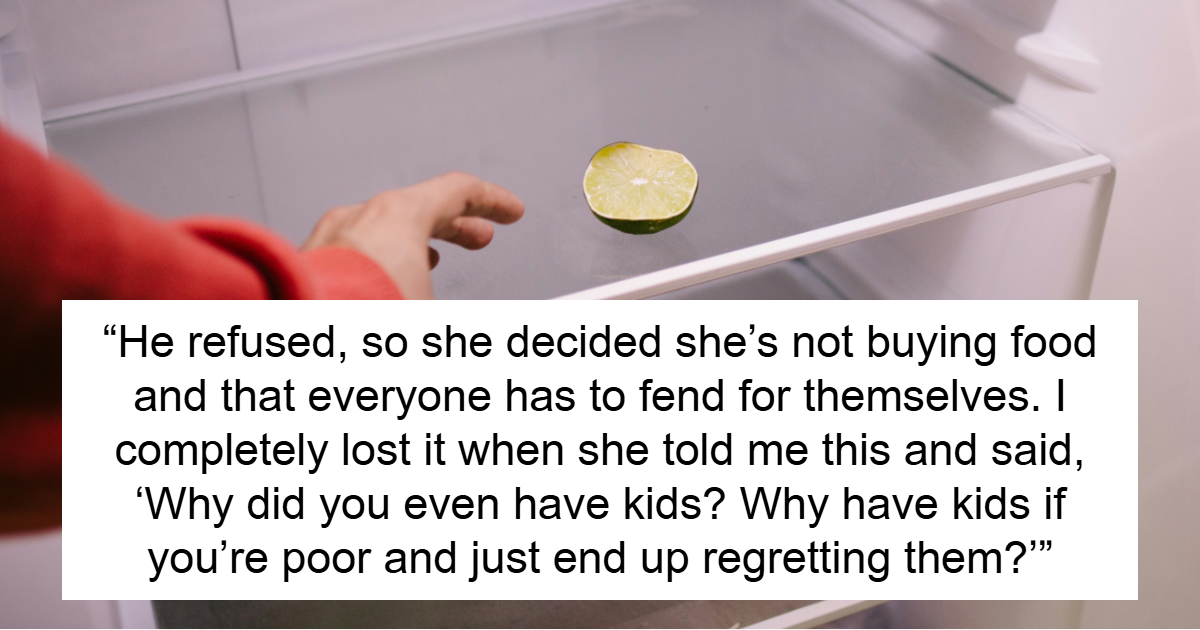
Some headlines are loud. This one is loud and painfully familiar. At first glance, it sounds like a classic family blowup: a 17-year-old snaps, a mom says something cold, and dinner becomes a full-contact emotional sport. But the real story under a title like this usually is not about one comment, one meal, or one teenager finally getting an attitude. It is about what happens when a young person becomes the emotional sponge for a parent who keeps handing out blame like free samples at a warehouse store.
That is why this kind of story grabs readers. It is not just dramatic. It touches a nerve. A lot of people recognize the pattern: a parent is unhappy, overwhelmed, or resentful, and somehow the children become the explanation for everything that went wrong. Then, when the kids need care, empathy, or plain old basic parenting, they get told to be more independent, more grateful, more useful, or in this case, basically to go figure life out themselves. Charming.
What makes this dynamic so upsetting is that it flips the family script. Parents are supposed to provide structure, food, support, and emotional steadiness. Kids and teens are supposed to grow, test limits, complain about chores, and occasionally act like every request is a human rights violation. That is normal. What is not normal is making children responsible for a parent’s broken dreams, daily frustration, or personal resentment.
Why This Headline Hits So Hard
The phrase “sick of mom blaming kids for her own life” points to something deeper than family conflict. It suggests a pattern of scapegoating. In unhealthy households, one child or all the kids become the convenient explanation for stress, financial problems, lost opportunities, or emotional disappointment. The message may not always be spoken directly, but it lands the same way: I am unhappy, and somehow that is your fault.
For a teenager, that message can be brutal. Adolescence is already the season of life where emotions run hot, independence grows fast, and everyone in the house suddenly becomes an amateur constitutional lawyer. Teens are figuring out identity, boundaries, and self-worth in real time. If the home environment adds chronic blame, guilt, and emotional pressure, the result is not maturity. It is overload.
That is why the “loses it” part of the headline matters. A teen blowing up is often treated as the whole story, when in reality it may be the final chapter of a long buildup. Anger is sometimes the emotion that shows up when hurt, exhaustion, helplessness, and resentment have been camping out in the background for months or years.
When Helping Out Turns Into Parentification
Every family needs teamwork. Kids help with dishes, laundry, younger siblings, pets, and all the glamorous tasks that make a household run. That is not a problem. The problem starts when normal contribution turns into role reversal.
Psychologists often call that parentification. It happens when a child or teen takes on responsibilities that are not appropriate for their age. Sometimes it is practical, like becoming the backup cook, babysitter, bill manager, peacekeeper, or household planner. Sometimes it is emotional, which can be even heavier. That looks like being the parent’s confidant, therapist, mediator, comfort source, or guilt absorber.
In families like the one implied by this headline, the teen may not just be asked to help. They may be expected to understand the parent’s sadness, tolerate unfair blame, and manage their own needs quietly so the parent does not get more upset. A young person in that role often learns to minimize their feelings, anticipate the parent’s mood, and stay hyper-aware of conflict. On the outside, they may look mature. On the inside, they may feel like a 401(k) manager trapped in a high school body.
That is the trap. Adults call the teen “so responsible,” but responsibility is not the same thing as being overburdened. A 17-year-old can make a sandwich. That does not mean they should be treated like they are raising themselves while also carrying the emotional weight of the whole house.
What “Feed Herself” Really Suggests
On paper, telling a 17-year-old to feed themselves sounds minor. Most teens can. Many do. But context is everything. In a healthy family, that sentence might mean, “Dinner’s in the fridge, heat it up when you’re ready.” In a resentful family system, it can mean, “Your needs annoy me, and I am withdrawing care to prove a point.” Same words, wildly different temperature.
That is why readers react strongly. Basic care is symbolic. Food is not just calories. In family life, feeding a child or teen often represents attention, consistency, and belonging. When a parent uses that care as a weapon in a larger blame game, the emotional message becomes much bigger than dinner. It says: You are a burden, and I want you to feel it.
That kind of message can leave a mark even when there is no dramatic scene afterward. Teens may start hiding needs, asking for less, apologizing for normal requests, or acting aggressively because asking nicely has not felt safe or effective for a long time.
How Chronic Blame Affects Teen Mental Health
People sometimes assume emotional harm only counts if there is screaming, threats, or obvious cruelty. But chronic criticism, ridicule, guilt, and blame can shape a teen’s mental health in serious ways. A teenager living under constant emotional pressure may become irritable, withdrawn, anxious, numb, perfectionistic, or explosively angry. They may lose interest in school, stop trusting adults, or develop the sinking belief that every problem in the family somehow circles back to them.
That is one reason these stories resonate so widely online. Many readers are not reacting to the one line in the headline. They are reacting to the years behind it. They know what it feels like to be told, directly or indirectly, that they cost too much, need too much, ruined too much, or owe too much.
And here is the part adults often miss: a teen’s sharp mouth does not always mean the teen is the main problem. Sometimes oppositional behavior is a defense. Sometimes the “attitude” is grief wearing combat boots. Sometimes what looks like disrespect is actually a young person saying, in the clumsiest possible way, “I cannot keep carrying this.”
Why Parents Sometimes Fall Into This Pattern
Understanding a harmful family dynamic is not the same as excusing it. Parents may slip into blame because they are burned out, depressed, financially stressed, isolated, repeating what they grew up with, or overwhelmed by adulthood not looking the way they imagined. Some parents genuinely love their kids and still say damaging things when resentment goes unchecked.
But hard circumstances do not make it acceptable to unload your unfinished emotional business onto your children. Kids did not choose the economy, your ex, your lost career path, your family baggage, or the fact that adulthood comes with bills and mysterious Tupperware lids that never match anything. Children are not emotional debt collectors. They are not responsible for paying back a parent for the life that parent thinks they lost.
This is where healthier conversations matter. A parent can say, “I’m stressed and I need help tonight,” without saying, “You ruined my life.” A parent can create chores without making care feel conditional. A parent can teach independence without using neglect as a life lesson wrapped in sarcasm.
What Healthy Responsibility Looks Like
Teenagers should absolutely learn life skills. Cooking simple meals, cleaning up, managing time, helping siblings for short stretches, and contributing to the home are all healthy expectations. In fact, responsibility can build competence and confidence.
Healthy responsibility usually has a few clear features:
- It is age-appropriate.
- It is shared rather than dumped.
- It comes with guidance, not humiliation.
- It does not require the teen to be the family’s emotional regulator.
- It leaves room for school, rest, friendships, and development.
Unhealthy responsibility feels different. It is loaded with guilt. It is assigned unpredictably. It comes with blame when the teen cannot do everything. It asks the child to absorb adult feelings. Most of all, it makes the teen feel less like a family member and more like unpaid staff with bonus emotional liabilities.
What a Teen Can Do When the Household Feels Like an Emotional Minefield
No teenager can single-handedly repair a broken family pattern. That is important to say out loud. Still, there are ways to reduce the damage and regain some stability.
1. Name the pattern privately
It helps to recognize that constant blame is a pattern, not proof that everything really is your fault. When a parent repeatedly ties their unhappiness to your existence, that says more about the family dynamic than your worth.
2. Separate chores from guilt
Helping out at home can be normal. Being made to feel responsible for an adult’s life choices is not. Those are two different things, even if they often get mashed together in the same argument.
3. Cool down before responding
When emotions are volcanic, problem-solving usually goes on vacation. Taking space before replying can prevent the kind of blowup that later gets used against the teen as “proof” they are the problem.
4. Use clear, low-drama language
Sometimes the most powerful sentence is the least theatrical one: “I can help with dinner, but I’m not okay being blamed for everything.” Calm does not always change the parent, but it can protect the teen’s clarity.
5. Tell a safe adult
If the home environment is full of chronic blame, humiliation, or emotional volatility, a trusted adult matters. That could be a school counselor, relative, coach, therapist, pediatrician, or another adult who can offer perspective and support.
6. Build a life outside the blame cycle
Friends, activities, part-time work, school goals, and supportive adults all help remind a teen that the house is not the whole universe. When home feels small and emotionally chaotic, outside structure can be sanity-saving.
What Adults Around the Teen Should Notice
If you are an adult reading a story like this and thinking, “That kid sounds disrespectful,” pause for one beat. Then ask a better question: What might have happened before the outburst?
Teens living under chronic blame may show signs that adults misread. They may seem rude, defensive, stubborn, or detached. Underneath, they may be anxious, ashamed, depressed, or constantly bracing for the next round of criticism. A young person who looks “difficult” may actually be exhausted.
Supportive adults can make a huge difference by listening without instantly correcting, validating feelings without escalating the drama, and helping teens distinguish between ordinary family stress and genuinely harmful patterns. They can also encourage professional help when conflict has become constant, the teen’s functioning is dropping, or the household feels emotionally unsafe.
Why This Story Resonates Far Beyond One Family
The title “17YO Sick Of Mom Blaming Kids For Her Own Life, Loses It After Being Told To Feed Herself” works because it captures a universal emotional injustice: the moment a child realizes they have been drafted into a role they never agreed to play.
It is the moment they stop hearing a parent’s complaints as random bad moods and start recognizing a system. A system where the parent gets to be the wounded one, the children get to be the explanation, and normal needs somehow become evidence of selfishness. That realization can feel equal parts clarifying and devastating.
And yet, there is something quietly hopeful about that moment too. Once a teen can name the dynamic, they are no longer fully trapped inside it. They may still be living with it. They may still be affected by it. But they can begin to understand: “This is unhealthy” is very different from “This is just who I am.”
Experiences Related to This Topic That Many Readers Will Recognize
One common experience sounds like this: a teenager gets praised for being “the responsible one,” but the praise is really a job description in disguise. They cook when the parent is overwhelmed, soothe younger siblings after fights, listen to adult complaints about money, relationships, or regret, and somehow still get told they are ungrateful the second they ask for something basic. From the outside, the teen looks strong. Inside, they feel old, tired, and weirdly guilty for wanting ordinary care.
Another version is more subtle. The parent may not scream every day. They may simply keep repeating a message that sticks like wet paint: “I gave up everything for you.” “You kids are why I never got ahead.” “Must be nice to worry about homework when I’m carrying this whole family.” No single line seems big enough to explain the damage, but over time the child starts to feel like their existence came with an invoice. That kind of emotional accounting can shape how a teen eats, sleeps, performs, apologizes, and even dreams about the future.
Then there is the teen who finally snaps over something tiny. Not because the tiny thing matters most, but because tiny things are often the last straw. It may be a comment about leftovers, a sarcastic jab about being lazy, or a demand that comes after the teen already handled school, a sibling pickup, and household chores. The outburst shocks everyone watching, especially relatives who only saw the explosion and not the thousand silent moments before it. Suddenly the teen becomes “the disrespectful one,” while the daily blame that built the pressure disappears from the story like it paid cash and left no receipt.
Some teens cope by becoming hyper-independent. They stop asking for rides, help, affection, or comfort. They make their own meals, manage their own problems, and keep their feelings zipped up tight. Adults may admire that independence, but it can come from a painful place. The lesson they have absorbed is not “I am capable.” It is “Needing people is dangerous.” That survival style can follow them into friendships, college, work, and relationships long after the original household drama is over.
Other teens go the opposite direction and become louder, angrier, and more reactive. They argue fast, assume criticism is coming, and swing between guilt and fury. People may label them dramatic. But many of these teens are not dramatic; they are dysregulated. Their emotional alarm system has spent too long on active duty. They are not choosing chaos for fun. They are living with a body and mind that learned to expect blame, tension, and emotional whiplash.
What ties all of these experiences together is the same painful theme: kids should not have to carry a parent’s emotional backlog. They should not be blamed for adult disappointment. And they should never have to earn basic care by becoming easier, quieter, or more useful. A home is supposed to be the place where a young person can grow. When it becomes the place where they are repeatedly blamed for someone else’s life, the damage is real. So is the possibility of healing once the pattern is finally seen for what it is.
Conclusion
This headline may sound like internet drama, but the emotional truth underneath it is serious. When a parent blames children for their own unhappiness, asks them to carry adult burdens, or turns basic care into a power struggle, the issue is not teenage attitude. The issue is a family system that has drifted out of balance.
A 17-year-old “losing it” is not automatically admirable, but it is often understandable. And understanding matters. It moves the conversation away from shallow judgments and toward the real questions: Who is carrying too much? Who is being blamed unfairly? Who needs support, boundaries, and a healthier role in the family?
Stories like this spread because they remind people of something they already know in their gut: children are not supposed to be blamed for a parent’s life. They are supposed to be guided through their own.