Green bell peppers are the overachievers of the summer garden. They are crisp, glossy, versatile, and just dramatic enough to let you know when something in the garden is off. Too cold? They sulk. Too wet? They pout. Too much fertilizer? They grow a jungle of leaves and forget the whole “making peppers” part. But once you learn what these warm-season plants actually want, they can reward you with a long, steady harvest of beautiful fruit.
This complete guide walks you through everything from seed starting and transplanting to watering, feeding, troubleshooting, and harvesting. Whether you are planting a few peppers in raised beds or trying to coax a hero crop out of patio containers, the goal is the same: strong plants, healthy flowers, and vibrant green bell peppers with thick walls and great flavor.
Why Green Bell Peppers Are Worth Growing
Bell peppers start out green before many varieties ripen to red, yellow, orange, or even purple. That means you do not need to wait for full color to enjoy a useful harvest. Green bell peppers are picked at the mature green stage, when the fruit is full size, firm, and crisp. Their flavor is less sweet than fully ripened peppers, but that fresh, slightly grassy bite is exactly why they are so good in stir-fries, fajitas, stuffed peppers, omelets, salads, and anything else that benefits from crunch and color.
They are also one of the most satisfying garden crops because you can visibly track progress. First come the white flowers, then the tiny fruits, then those blocky green peppers begin swelling like they have somewhere important to be. If you keep plants warm, evenly watered, and reasonably well-fed, they often keep producing over a long stretch of summer.
Start with the Right Growing Conditions
Give Them Sun Like You Mean It
Bell peppers love full sun. In practical terms, that means at least 6 hours of direct light daily, though 8 to 10 hours is even better for strong growth and better fruiting. If your garden gets morning sun and lazy afternoon shade, peppers may survive, but “survive” is not the same as “produce a pile of glossy green bells that make you feel like a gardening genius.”
In extremely hot climates, a little late-afternoon shade can help plants keep producing through the worst heat. That is especially useful when nighttime temperatures stay stubbornly warm. Bell peppers are warm-season crops, but there is a line between “pleasantly tropical” and “this weather is offensive.”
Warm Soil Matters More Than Gardening Optimism
Peppers hate cold soil. If you plant them too early, they often just sit there, looking alive but refusing to do anything memorable. Wait until the soil has warmed and nights are reliably mild before transplanting outdoors. In cool regions, black plastic mulch, row covers, or other season-extension tricks can help the soil warm faster and keep plants moving.
Warmth also matters for fruit set. Bell peppers generally set fruit best in a moderate warm range, and both chilly nights and extreme heat can interfere with flowering and fruit production. If flowers drop, the plant is not being dramatic for fun. It is reacting to stress.
Build Loose, Fertile, Well-Drained Soil
The ideal soil for green bell peppers is rich in organic matter, drains well, and still holds enough moisture to stay evenly damp. Heavy, soggy ground invites trouble. Bone-dry, nutrient-poor soil does not help either. Your best move is to work in compost before planting. That improves structure, drainage, and water retention all at once.
As for soil pH, bell peppers generally do best in slightly acidic to neutral soil, right around the mid-6 range. A soil test is worth the effort because peppers respond noticeably to balanced conditions. Think of it as less guessing, more harvesting.
Spacing Is Not Optional
Give bell pepper plants room to breathe. In most home gardens, spacing plants about 18 to 24 inches apart works well, with rows around 30 to 36 inches apart. Crowding may feel efficient in spring, but by midsummer it can reduce airflow, increase disease pressure, and turn harvest time into a game of “which leaf is hiding my pepper?”
Should You Start from Seed or Buy Transplants?
Starting Seeds Indoors
If you want the biggest variety selection, start from seed. Bell peppers are usually started indoors about 6 to 8 weeks before transplanting time, though some growers begin a little earlier depending on climate and variety. Seeds germinate best in warm conditions, so a heat mat can speed things up and improve success.
Use a clean seed-starting mix, not garden soil. Pepper seedlings like warmth, good light, and steady moisture, but not swamp conditions. Once seedlings emerge, give them plenty of light so they do not stretch into pale, floppy philosophers contemplating collapse.
Buying Transplants
If seed starting is not your thing, healthy transplants are a perfectly smart shortcut. Look for stocky plants with strong stems, healthy green leaves, and no spots, pests, or signs of stress. Bigger is not always better. Overgrown, root-bound transplants can struggle after planting, while smaller sturdy plants often catch up fast.
Hardening Off Before Planting
Indoor-raised seedlings need a transition period before they move into full outdoor conditions. Hardening off means gradually exposing them to sun, wind, and cooler temperatures over about a week. Skipping this step is like sending a pampered office intern straight into a desert marathon. Technically possible. Strategically unwise.
How to Plant Green Bell Peppers
Choose a sunny site, loosen the soil well, and mix in compost. Water seedlings before transplanting so the root ball is moist and easier to handle. Set plants at the same soil level they had in their containers. Unlike tomatoes, peppers are usually not planted deeply up the stem. Firm the soil around the roots, water thoroughly, and mulch after the soil has warmed.
If you grow in containers, use a quality potting mix rather than yard soil. A container around 5 gallons works well for one pepper plant, especially for bell types that can become surprisingly top-heavy once fruit starts developing. Make sure the container drains well, because pepper roots appreciate moisture, not bathtub conditions.
The Care Routine That Produces Vibrant Green Fruit
Water Deeply and Consistently
The number one rule for bell peppers is even moisture. Not constant sogginess. Not random drought followed by a flood. Even moisture. Inconsistent watering can lead to blossom drop, small fruit, poor quality, and blossom-end rot. A general target is about an inch of water per week from rain or irrigation, though sandy soils and containers may need more frequent watering.
Deep watering is better than shallow splashes. You want moisture to move down into the root zone, not just dampen the surface for five dramatic minutes. Drip irrigation and soaker hoses are excellent because they keep foliage drier and deliver water where plants actually need it.
Feed Plants, but Do Not Overdo Nitrogen
Bell peppers are moderate feeders. A balanced starter fertilizer at planting can help, followed by side-dressing later in the season once plants begin setting fruit. The key is restraint. Too much nitrogen creates gorgeous leafy growth with disappointingly few peppers. It is the gardening equivalent of a beautiful resume with no actual job performance.
Once flowering and fruiting begin, keep fertility steady but avoid pushing lush leaf growth. Compost, a sensible fertilizer plan, and attention to your soil test results will usually beat random spoonfuls of whatever was cheapest at the garden center.
Mulch for Moisture, Roots, and Sanity
Mulch helps hold moisture, suppress weeds, moderate soil temperature, and reduce soil splash onto leaves. Organic mulches such as straw, shredded leaves, or herbicide-free grass clippings work well once the soil is warm. In cooler areas, black plastic mulch can also help warm the soil and speed growth.
Stake or Support Heavy Plants
Bell pepper stems can become brittle, especially once fruit starts stacking up. A simple stake, small cage, or short trellis can keep branches from snapping and prevent peppers from resting on the ground. You do not need a complex engineering project. Just enough support to keep your crop upright and respectable.
How to Get Bigger, Greener, Better Bell Peppers
For the best mature green peppers, focus on plant health early. Strong roots and steady growth lead to better flowers and larger fruit. Do not let young transplants sit in cold soil. Do not let plants swing between bone dry and soaked. Do not dump nitrogen on them every time you feel guilty for forgetting to weed.
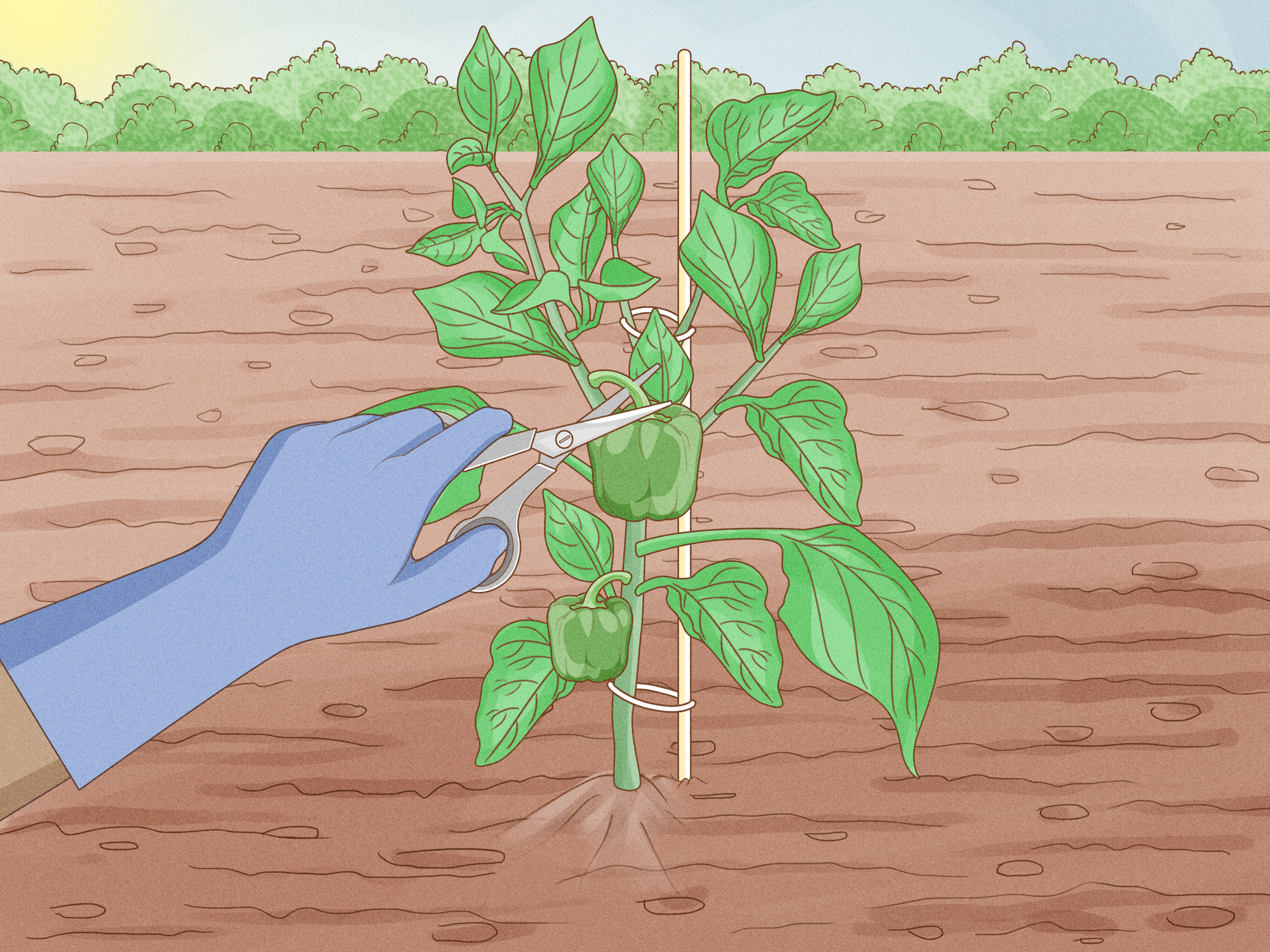
Harvesting matters too. Pick peppers once they reach full size and feel firm. Regular harvesting encourages more production and keeps plants from slowing down. Use pruners or scissors to cut fruit from the plant rather than pulling, since pepper branches break more easily than they look.
If you specifically want vibrant green bell peppers, harvest before the fruit begins changing color. Once a bell pepper starts moving toward red, yellow, or orange, the plant is spending more energy on ripening than staying in the mature green stage.
Common Problems and How to Fix Them
Lots of Leaves, Few Peppers
This usually points to too much nitrogen, not enough sun, or temperatures that are out of the sweet spot for flowering and fruit set. Scale back high-nitrogen feeding, make sure plants get enough light, and be patient if the weather has been odd. Peppers do not follow your schedule. They follow the thermostat.
Flowers Dropping Off
Flower drop can happen during cool nights, extreme heat, drought stress, or very low humidity. Bell peppers are fussy about temperature during bloom. Keep watering consistent, mulch well, and avoid stressing plants. In hot climates, a touch of afternoon shade can help reduce heat stress.
Blossom-End Rot
If the bottom of the fruit develops a dark, sunken patch, blossom-end rot is the likely culprit. This disorder is tied to calcium movement in the plant and is commonly triggered by inconsistent watering, root stress, or conditions that interfere with calcium uptake. The fix is not usually “dump more fertilizer on it.” The fix is better water management, healthy roots, and steady soil moisture.
Slow Growth
When bell peppers seem frozen in time, cold weather is often the villain. They grow slowly during cool periods and pick up once the weather truly warms. Patience is hard, but ripping out half-grown plants in a fit of horticultural despair is rarely a winning strategy.
Sunscald
Peppers can develop pale or papery patches when fruit is exposed to intense direct sun, especially if leaf cover is poor. Keep plants healthy and well watered so they maintain enough foliage to shade their fruit naturally.
Growing Green Bell Peppers in Containers
Container growing is a great option if your yard has poor soil or your “garden” is really a patio with ambition. Use at least a 5-gallon pot for one bell pepper plant, choose a high-quality potting mix, and make sure drainage holes are generous. Containers dry out faster than garden beds, so expect to water more often, especially during summer heat.
Because container plants rely entirely on you for food and water, they tend to perform best with a steady routine. Check moisture often, feed lightly but regularly, and use a stake or cage before the plant becomes fruit-heavy and starts leaning like it just heard shocking neighborhood gossip.
Harvesting and Storing Your Peppers
Most bell peppers reach harvest stage around 70 to 85 days after transplanting, though exact timing depends on variety and weather. Pick fruit when it is full-sized, firm, and richly green. Cut, do not yank. The plant will thank you by not snapping a branch in retaliation.
Fresh peppers store best in cool conditions and can last in the refrigerator for a couple of weeks if kept dry and handled gently. But let us be honest: homegrown green bell peppers rarely sit around for long. They usually disappear into tacos, salads, sheet-pan dinners, and smug conversations about how much better garden produce tastes.
Seasoned Gardener Notes: What Experience Teaches You About Growing Green Bell Peppers
The most useful experience with bell peppers is learning that success is usually about rhythm, not heroics. New gardeners often assume peppers need constant intervention. In reality, they need consistency. The first year I grew bell peppers, I treated them like fragile celebrities. I overwatered them after hot days, fed them whenever they looked slightly moody, and hovered like a helicopter parent with a trowel. The result was a lot of leaves, a few flowers, and a humbling number of peppers that could fit in one hand.
Things improved when I stopped fussing and started observing. The strongest plants were the ones in the warmest part of the bed, where the soil drained well and sunlight lasted most of the day. They did not need magical fertilizer. They needed warm roots, room to grow, and a watering routine that made sense. Once I began watering deeply instead of randomly, the plants changed noticeably. Flowers held longer. Fruit set improved. The peppers looked smoother, fuller, and more evenly colored.
Another lesson experience teaches quickly is that peppers have excellent memories when it comes to cold. A chilly start can slow them down for weeks. You may plant them on a technically frost-free day, but if the soil is still cold, they respond with the enthusiasm of someone asked to swim in February. Waiting an extra week often produces better results than rushing to plant early just because the calendar says spring.
I have also learned that green bell peppers reward practical gardeners. Fancy tools are optional. Mulch matters more. A simple stake is more useful than a decorative trellis that belongs in a wedding photo. A five-gallon pot with good drainage beats a pretty shallow planter every time. And if you forget to harvest a few peppers and they begin changing color, that is not failure. That is dinner planning.
Perhaps the most satisfying part of growing bell peppers is how teachable they are. Their mistakes are visible. Too dry? The plant tells you. Too much nitrogen? It tells you. Too much heat? It absolutely tells you, often by dropping blossoms with theatrical flair. Once you understand those signals, growing good peppers becomes less mysterious and more repeatable.
So the best experience-based advice is simple: plant later rather than earlier, water steadily rather than emotionally, feed moderately rather than generously, and harvest often rather than waiting for perfection. Bell peppers are not the hardest crop in the garden, but they are one of the most honest. Treat them well, and they pay you back in glossy green fruit that looks as good in the basket as it tastes in the kitchen.
Conclusion
Growing vibrant green bell peppers is not about luck. It is about matching the plant to the right conditions: full sun, warm soil, fertile well-drained ground, steady moisture, sensible feeding, and timely harvests. Get those basics right, and bell peppers become one of the most rewarding crops in the home garden.
If your first season is less than perfect, do not worry. Peppers are excellent teachers. Each plant shows you what worked, what flopped, and what to tweak next time. And once you bite into a crisp, homegrown green bell pepper that actually tastes alive, store-bought versions may start feeling a little emotionally distant.