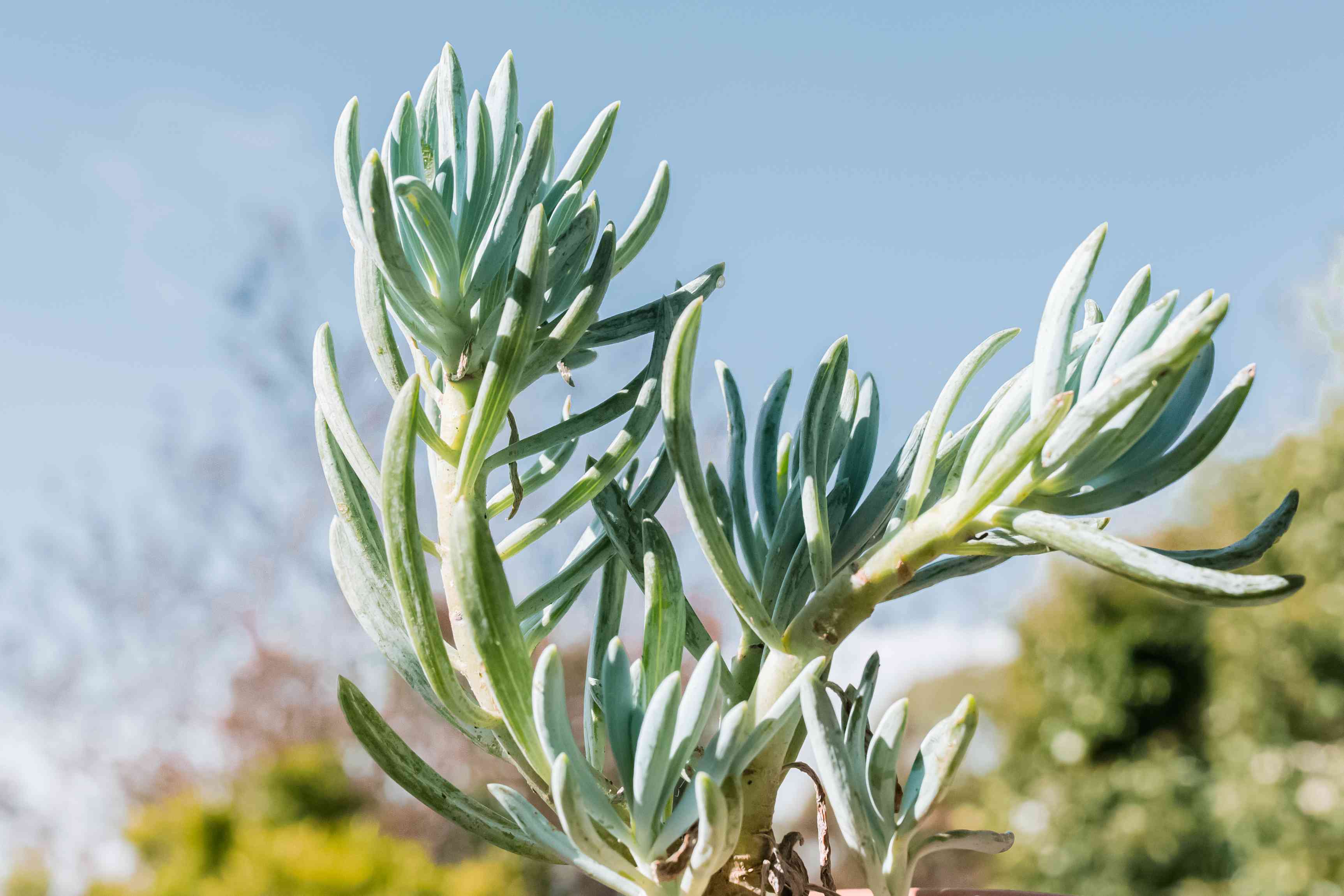
Succulent Senecio plants are the stylish minimalists of the plant world. They trail, stack, sprawl, and sometimes look like a mad scientist designed them during a lunch break. Whether you love the bead-like drama of string of pearls, the blue glow of chalk sticks, or the oddball airplane-propeller leaves of propeller plant, these succulents bring texture and personality without demanding a daily standing ovation. That said, “low maintenance” does not mean “immune to chaos.” One extra enthusiastic watering session can turn a beautiful Senecio into a pot of mush faster than you can say, “I was just trying to be helpful.”
If you want to grow and care for succulent Senecio plants successfully, the secret is simple: give them plenty of light, fast-draining soil, and less water than your generous heart wants to give. In this guide, you’ll learn how to choose the right location, water with confidence, avoid common mistakes, and keep your Senecio plants looking sharp indoors or out.
What Are Succulent Senecio Plants?
“Senecio” is a big group of plants, and gardeners often use the name loosely for several popular succulents sold in nurseries. To make things even more fun, some plants once labeled Senecio are now also classified under Curio. In plain English, that means the tag may say one thing, the website may say another, and the plant will still be sitting there looking fabulous and slightly confused.
The succulent types most people grow for foliage include trailing and shrubby favorites such as:
Popular examples of succulent Senecio plants
String of pearls is famous for round, bead-like leaves that trail from hanging baskets. String of bananas has banana-shaped leaves on cascading stems and grows quickly when happy. Blue chalk sticks forms a low, powdery-blue mat that works beautifully in containers or warm-climate landscapes. Propeller plant stands upright with broad, silver-blue leaves edged in purple, giving it a bold architectural look.
These plants share a few important traits: they store water in their leaves or stems, prefer excellent drainage, and generally resent soggy roots. They are grown mainly for foliage, although many produce small white, cream, or yellow flowers.
Why Gardeners Love Senecio Succulents
Succulent Senecio plants earn their popularity honestly. They are drought tolerant, visually unusual, and versatile enough for hanging baskets, patio pots, sunny windows, and xeriscape gardens in warm regions. Their colors range from blue-green to silver, chartreuse, or deep green, and their forms can be trailing, mounding, or upright.
They are also excellent design plants. If your plant shelf looks like a parade of ordinary green leaves, add a Senecio and suddenly everything feels curated. One pot of string of pearls can soften a shelf edge. A clump of blue chalk sticks can cool down a hot-colored planting scheme. A propeller plant can look like modern sculpture with roots.
Best Growing Conditions for Succulent Senecio Plants
Light: bright is beautiful
Most succulent Senecio plants grow best in bright light. Indoors, that usually means a spot near a south- or west-facing window with several hours of strong light, ideally softened a bit if the afternoon sun is intense. Outdoors, many species enjoy full sun to partial shade, though the hottest climates may require protection from scorching afternoon exposure.
Here is the useful middle ground: if your plant looks stretched, sparse, or floppy, it likely needs more light. If the leaves look bleached, scorched, or reddish brown in a sad way rather than a glamorous way, it may be getting too much harsh direct sun too quickly. Acclimate gradually whenever moving a Senecio into stronger light.
Soil: drainage is not optional
If there is one rule worth putting on a T-shirt, it is this: succulent Senecio plants need fast-draining soil. A cactus or succulent mix is the easiest choice. Many growers improve commercial mixes with extra pumice, perlite, coarse sand, or gritty mineral material to keep roots from sitting in moisture.
Heavy potting soil is the villain in many houseplant tragedies. It holds too much water, reduces oxygen around the roots, and invites rot. Senecios would rather live in a lean, airy mix than in a rich, damp spa treatment.
Containers: choose pots that help you succeed
Pots with drainage holes are essential. Terra-cotta pots are especially useful because they dry faster than plastic or glazed containers. That can be a real advantage if you tend to water on instinct, emotion, or guilt.
Shallow containers often work well for trailing or shallow-rooted forms. Hanging baskets are ideal for string of pearls and string of bananas. Upright types, such as propeller plant, prefer a stable pot that will not tip over once the top growth develops.
Temperature and humidity
Most succulent Senecio plants prefer warm, dry conditions and low to average humidity. As houseplants, they are usually happy in normal indoor temperatures. Outdoors, many commonly sold species are best in warm climates and do not appreciate frost. If you live where winter gets serious, grow them in containers and move them indoors before cold damage arrives.
How to Water Senecio Plants Without Loving Them to Death
Overwatering is the number one reason succulent Senecio plants fail. These plants are built to store moisture, which means they do not want constant dampness around their roots. The safest approach is the soak-and-dry method: water thoroughly until excess drains out, then wait until the soil dries significantly before watering again.
How often should you water?
There is no universal schedule because light, pot size, season, and soil all matter. A Senecio in a bright, hot window may dry faster than one in a cooler room. In general, you should check the soil rather than the calendar. Let the mix dry well before watering again. In winter or during slower growth, water even less often.
Signs of overwatering include mushy stems, translucent or yellowing leaves, sudden collapse, and a general “I regret everything” appearance. Signs of underwatering may include wrinkled leaves, shriveling, and very dry potting mix that pulls from the sides of the pot. Between these extremes lies the happy place.
A simple watering test
Stick your finger into the potting mix. If it still feels cool and moist below the surface, wait. You can also use a wooden skewer or moisture meter, but your finger works just fine and comes free with your original package.
Feeding and Fertilizing Succulent Senecio Plants
Senecios do not need heavy feeding. Too much fertilizer can cause weak, soft growth that is more vulnerable to problems. During the active growing season, a diluted, balanced or low-nitrogen houseplant fertilizer applied occasionally is usually enough. Skip heavy feeding in winter or when the plant is stressed.
If your Senecio is in fresh succulent mix and looks healthy, do not feel obligated to fertilize just because the bottle is giving you attitude. These plants are not marathon eaters.
Pruning, Grooming, and Keeping Plants Full
Many succulent Senecio plants respond well to light pruning. Trimming leggy stems encourages branching and helps plants look fuller. This is especially helpful with trailing varieties that become thin at the top while getting impressively dramatic on the ends.
Remove dead stems, spent flowers, or any soft, rotting growth as soon as you notice it. Use clean scissors or pruners. If a trailing Senecio is bald on top, tuck healthy cuttings back into the pot and root them in place. That gives you a thicker plant without buying another one, which is convenient unless you were hoping for an excuse to buy another one.
How to Propagate Succulent Senecio Plants
Stem cuttings are the easiest way to propagate most succulent Senecio plants. Trailing species are especially cooperative, which is one reason so many gardeners become accidentally overstocked.
Basic propagation steps
Take a healthy cutting with several nodes. Let the cut end dry briefly if the stem is very juicy, then place the cutting on or slightly into a gritty, lightly moist succulent mix. Keep it in bright, indirect light while roots form. Once rooted, reduce watering and treat it like a mature plant.
Some gardeners root cuttings in water, especially with string of pearls or string of bananas. That can work, but soil propagation often makes the transition easier because the roots develop directly in the medium where they will continue growing.
Common Problems and How to Fix Them
Leggy growth
Long spaces between leaves, weak stems, and a stretched shape usually mean the plant needs more light. Move it gradually to a brighter location and prune back the worst growth if needed.
Root rot
If stems turn mushy, leaves yellow quickly, or the plant collapses even though the soil seems wet, root rot is a likely culprit. Remove the plant from the pot, cut away healthy sections, and re-root those cuttings in fresh, dry, well-draining soil. Discard the old wet mix.
Sunburn
Sudden exposure to harsh direct sun can scorch leaves. The fix is not darkness; it is gradual adjustment. Shift the plant to bright filtered light and reintroduce stronger sun slowly.
Pests
Mealybugs, aphids, scale, spider mites, and occasionally fungus gnats may appear. For small infestations, wipe mealybugs with rubbing alcohol on a cotton swab. Insecticidal soap or neem-based products can help with broader issues when used according to label directions. Good light, dry-down between waterings, and airflow make pest problems less likely.
Indoor vs. Outdoor Senecio Care
Growing indoors
Indoors, the biggest challenge is usually insufficient light and too much water. Place the plant where it receives strong light, rotate the pot periodically for even growth, and never let it sit in a saucer full of water. Hanging baskets near bright windows suit trailing species beautifully.
Growing outdoors
Outdoors, succulent Senecio plants can be excellent in containers, rock gardens, dry borders, and coastal-style plantings. In warm climates, blue chalk sticks and similar types can act as groundcovers. Just remember that outdoor plants may need protection from extreme rain, poor drainage, or frost. Hot inland gardens may also require afternoon shade for sensitive species.
Are Senecio Plants Safe Around Pets?
No. Many Senecio and Curio plants are considered toxic if ingested by pets and people. If you have curious cats, snack-happy dogs, or a toddler who believes every leaf is part of a tasting menu, place these plants well out of reach or choose a safer alternative.
Best Care Tips by Plant Type
String of pearls
Give it bright light, quick drainage, and restrained watering. It shines in hanging pots where air can circulate around the stems. Keep the crown from staying wet for too long.
String of bananas
This fast-growing trailing type appreciates bright filtered light and tends to root readily from cuttings. It is forgiving, but not forgiving enough to enjoy swampy soil.
Blue chalk sticks
Use this one in sunny, warm spots with excellent drainage. It handles drought well once established and makes a striking outdoor accent or spill-over plant in mixed succulent containers.
Propeller plant
Grow it in bright light with sandy, gritty soil. Watch the watering carefully, especially in cool conditions. This upright species is all about structure, so avoid conditions that cause mushy, floppy growth.
Experience-Based Lessons From Growing Succulent Senecio Plants
There is the official version of plant care, and then there is the real-world version where you discover things while standing over a plant with a watering can and mild regret. In my experience, succulent Senecio plants are much easier to grow once you stop treating them like thirsty tropical houseplants and start treating them like stylish survivors. They want attention, yes, but mostly the respectful kind.
One of the first lessons many growers learn is that a Senecio often looks better a little bit dry than a little bit wet. A slightly thirsty plant can usually bounce back. A rotted plant, on the other hand, tends to deliver a short and dramatic farewell. If you are torn between watering today or tomorrow, tomorrow is often the smarter choice.
Another practical lesson is that light changes everything. A string of pearls in weak light may stay alive, but it will not look like the luxurious waterfall you saw online. It becomes sparse, stretched, and unimpressed. Move the same plant to a brighter window, and suddenly it starts behaving like it read the assignment. The top fills in, the beads look plumper, and the stems gain momentum.
Containers also matter more than many beginners expect. Senecios in heavy decorative pots without drainage often become rescue missions waiting to happen. Put the same plant in a breathable terra-cotta pot with gritty mix, and maintenance becomes much easier. The soil dries more evenly, the roots get more oxygen, and you spend less time wondering whether your plant is thriving or plotting revenge.
Propagation is another area where these plants can surprise you. Trailing Senecios are generous. If a stem breaks, that is not always a tragedy; sometimes it is free inventory. Lay healthy cuttings on top of the soil, keep conditions bright and stable, and many will root with very little fuss. This makes it easy to fill out a thin plant, share starts with friends, or create a fuller basket without buying a second specimen.
Outdoor growing teaches a different set of lessons. In warm climates, blue chalk sticks can be almost comically reliable if drainage is good. They handle bright conditions well and create a clean, modern look in the landscape. But even tough outdoor Senecios have limits. A week of cold rain or a badly drained planting bed can do more damage than a month of drought.
One of the most useful habits I have seen among successful growers is simple observation. They do not water on schedule alone. They notice whether the soil is drying faster because days are longer, whether a plant is stretching toward the window, or whether a stem is softening near the base. Senecios are actually pretty good communicators once you learn their language. They are not subtle, but they are consistent.
The funniest part of growing succulent Senecio plants may be how often people kill them with kindness. They look exotic and delicate, so beginners assume they need pampering. In reality, these plants usually prefer a bright spot, some neglect, and a human who can walk away from the watering can. Once that balance clicks, they become some of the most satisfying succulents to grow.
Final Thoughts
If you want to grow and care for succulent Senecio plants successfully, focus on the fundamentals: bright light, gritty soil, deep but infrequent watering, and protection from prolonged cold and soggy conditions. From string of pearls to blue chalk sticks, these plants reward restraint, not fussing. Give them the right setup, and they will return the favor with unusual shapes, sculptural color, and just enough drama to keep things interesting.
In other words, let them dry, let them shine, and resist the urge to mother them into oblivion.