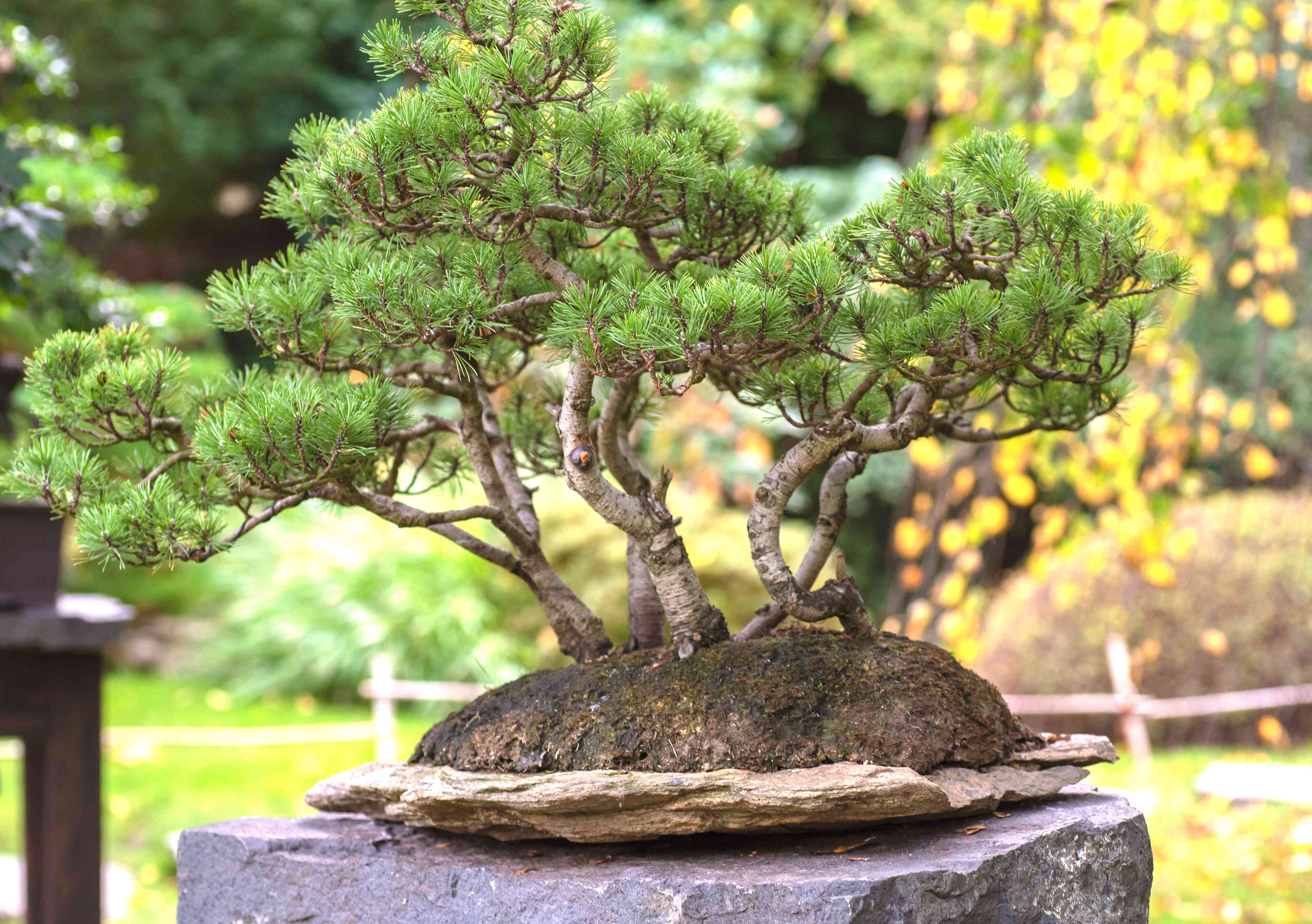
Pine tree bonsai have a way of looking ancient even when they are still young enough to be carded at a plant nursery. Their rugged bark, evergreen needles, windswept branches, and sculptural silhouettes make them one of the most admired bonsai subjects in the world. A well-grown pine bonsai does not simply sit on a bench; it looks like it has survived mountain weather, family drama, and at least three philosophical crises.
But here is the honest truth: pine bonsai care is not “set it on a windowsill and whisper encouragement.” Pines are outdoor trees. They need sun, air, seasonal change, careful watering, sharp drainage, and patient training. They also respond differently depending on the species. Japanese black pine, Japanese red pine, Japanese white pine, Scots pine, mugo pine, and ponderosa pine can all be trained as bonsai, but they do not all follow the same pruning calendar.
This guide explains how to grow and care for pine tree bonsai in a practical, beginner-friendly way without pretending the tree will style itself while you sip coffee. With the right routine, your pine bonsai can become stronger, tighter, more refined, and more beautiful year after year.
What Is a Pine Tree Bonsai?
A pine tree bonsai is a real pine tree grown in a shallow container and trained to resemble a mature tree in miniature. Bonsai is not a special dwarf plant variety. It is a horticultural art form that uses pruning, wiring, root management, pot selection, and long-term care to create the impression of age, balance, and natural beauty.
Pines are especially valued because they symbolize strength and endurance. Their needles remain green through winter, their bark becomes textured with age, and their branches can be shaped into dramatic forms. In bonsai design, pine trees often represent mountain landscapes, coastal winds, or old trees clinging to rocky slopes.
Best Pine Species for Bonsai
Before buying a pine bonsai, learn which type you have. This matters because pine species grow in different rhythms. The biggest care mistake is treating every pine the same.
Japanese Black Pine
Japanese black pine is bold, vigorous, and famous for its strong trunk development. It is a popular choice for classic bonsai styling, especially when growers want rugged bark and powerful movement. It is considered a double-flush pine, meaning it can produce a second flush of growth after proper candle work in suitable climates.
Japanese White Pine
Japanese white pine has soft, elegant needles that usually grow in groups of five. It tends to look refined rather than muscular. This species grows more slowly than black pine and should not be treated with aggressive techniques. It prefers thoughtful, gradual work.
Scots Pine
Scots pine is hardy and adaptable, making it a good option for colder regions. It develops attractive bark and responds well to bonsai training, though it requires patience and correct seasonal timing.
Mugo Pine
Mugo pine is compact, tough, and often available in nurseries. It is a favorite for informal upright and rugged alpine designs. However, it can resent heavy root work at the wrong time, so repotting should be done carefully.
Ponderosa Pine
Ponderosa pine is loved for its dramatic trunks and wild character. It often has longer needles, so design choices should work with its natural personality rather than trying to force it into a tiny, delicate image.
Where to Place a Pine Bonsai
Pine bonsai should be grown outdoors. Not near a sunny window. Not under a desk lamp. Not in the bathroom because “it gets humid in there.” Outdoors means real sunlight, fresh air, changing temperatures, and seasonal dormancy.
Most pine bonsai need at least six hours of direct sunlight per day. Strong light helps produce compact growth, shorter needles, healthier buds, and stronger branches. When a pine bonsai does not receive enough sun, the needles may become long, pale, weak, or sparse. The tree may look like it is reaching for help, because technically, it is.
Place the bonsai on a bench, stand, patio, balcony, or garden shelf where it gets morning and afternoon sun. In extremely hot climates, light afternoon shade may help protect the tree during heat waves, especially for white pine or recently repotted trees. Good air circulation is also important because crowded, damp conditions invite fungal problems and pests.
How to Water Pine Tree Bonsai
Watering is where many pine bonsai stories turn tragic. Pines do not like to stay constantly soggy, but they also cannot dry out completely in a shallow bonsai pot. The goal is consistent moisture with excellent drainage.
Check the soil daily during the growing season. In hot, windy weather, you may need to check twice a day. Water when the top layer of the soil begins to dry. Do not water on a strict calendar just because an app told you to. A pine bonsai in full sun on a hot July day may need water much sooner than the same tree on a cool spring morning.
When you water, water thoroughly. Use a gentle spray and continue until water drains freely from the holes at the bottom of the pot. This ensures the entire root ball is moistened, not just the decorative top layer. Then allow the soil to breathe before watering again.
Simple Watering Test
Stick a wooden chopstick or bamboo skewer into the soil for a few minutes. Pull it out and check the end. If it is damp and cool, wait. If it is nearly dry, water deeply. This low-tech method is more reliable than guessing and cheaper than replacing a dead pine with a guilty conscience.
Best Soil for Pine Bonsai
Pine bonsai need a sharply draining bonsai soil mix. Regular garden soil is usually too dense for a bonsai container. It can compact, hold too much water, reduce oxygen around the roots, and create the perfect environment for root rot.
A good pine bonsai soil mix usually includes inorganic particles such as pumice, lava rock, akadama, coarse sand, or similar bonsai-grade components. The purpose is to balance moisture retention with oxygen flow. Roots need water, but they also need air. Think of pine bonsai soil as a luxury apartment for roots: stable, breathable, and definitely not a swamp.
In wet climates, use a mix with more drainage. In dry climates, include components that hold slightly more moisture. The right mix depends on your weather, pot size, tree species, and watering habits.
Fertilizing Pine Bonsai
Pine bonsai need fertilizer during active growth, but they do not need to be force-fed like a teenager after football practice. Overfertilizing can lead to long needles, coarse growth, and weak refinement.
Use a balanced organic bonsai fertilizer from spring through fall. Many growers feed more strongly in spring and fall and reduce feeding during the hottest part of summer. White pine and older refined trees generally need lighter feeding than young black pines being developed for trunk and branch growth.
Do not fertilize a weak, newly collected, severely stressed, or freshly repotted pine until it shows signs of recovery. Fertilizer is not medicine. It supports active growth; it does not magically fix damaged roots.
Pruning Pine Tree Bonsai
Pine pruning requires timing and restraint. Unlike many leafy trees, pines do not always back-bud easily on old bare wood. If you cut too far back into a branch with no needles or buds, that branch may not regrow. This is why pine bonsai pruning should be done with a plan.
Structural Pruning
Structural pruning shapes the main trunk and branches. It is usually done when the tree is healthy and during the appropriate season for the species. Remove branches that cross awkwardly, grow straight up or down, clutter the design, or create bulges where too many branches emerge from one point.
Candle Pruning
Pine “candles” are the extending spring shoots. Managing candles helps control growth and balance energy. On vigorous double-flush pines, such as Japanese black pine, advanced growers may decandle healthy trees to encourage shorter needles and a second flush of buds. However, this technique should only be used on strong trees and only on species that respond well to it.
Single-flush pines, such as many white pines, Scots pines, mugo pines, and ponderosa pines, should not be treated like Japanese black pine. Instead of full decandling, growers usually shorten or select candles carefully to balance strength.
Needle Thinning
Needle thinning allows light and air to reach interior buds. It also helps balance strong and weak areas of the tree. Remove more needles from vigorous zones and fewer from weak zones. The goal is not to make the pine look naked. The goal is to let sunlight into the structure while preserving enough foliage for photosynthesis.
Wiring and Shaping Pine Bonsai
Wiring is used to bend branches and create movement. Pines are excellent candidates for wiring because their branches can hold dramatic shapes over time. However, wire must be monitored carefully. As branches thicken, wire can bite into the bark and leave scars.
Winter is often a good time for wiring many pines because growth slows and the branch structure is easier to see. Use aluminum or copper bonsai wire, anchor it securely, and wrap it at a consistent angle. Bend slowly and support the outside of curves with your fingers. If a branch feels like it may crack, stop. Bonsai rewards patience; it does not hand out medals for snapping branches dramatically.
Check wired branches every few weeks during the growing season. Remove wire before it cuts in deeply. If a branch springs back, rewire later rather than leaving wire on too long.
Repotting Pine Bonsai
Pine bonsai are usually repotted every two to five years, depending on age, vigor, pot size, soil condition, and species. Young, fast-growing trees may need repotting more often. Older, refined trees can often go longer.
The best time to repot most pine bonsai is late winter to early spring, just before strong new growth begins. Avoid heavy repotting during extreme heat or deep winter cold. During repotting, remove old compacted soil carefully and prune roots moderately. Do not remove too much root mass at once, especially on older or weaker pines.
After repotting, water thoroughly and place the tree in a protected location out of harsh wind and intense afternoon sun for a short recovery period. Once the tree stabilizes, gradually return it to full sun.
Winter Care for Pine Bonsai
Pine bonsai need winter dormancy. Bringing them indoors for the winter is one of the fastest ways to weaken them. A heated living room confuses the tree, dries the air, and prevents proper seasonal rest.
In cold regions, protect the roots because bonsai pots expose roots to colder temperatures than trees planted in the ground. Place the pot on the ground, mulch around it, use a cold frame, or keep the tree in an unheated garage or shed where temperatures remain cold but not brutally exposed. The tree should stay dormant, not warm and actively growing.
Check moisture during winter. Dormant pines use less water, but they should not become bone dry. Water only when needed, preferably during milder parts of the day.
Common Pine Bonsai Problems
Yellowing Needles
Some older needles naturally yellow and drop. That is normal. Sudden widespread yellowing, however, may indicate overwatering, poor drainage, root trouble, lack of sun, or pest issues.
Long, Weak Needles
Long needles often mean the tree needs more sun or less excessive feeding. They can also appear when the tree is young and still in development. Improve light, avoid overfertilizing refined trees, and use species-appropriate pruning techniques.
Brown Tips
Brown needle tips can result from underwatering, fertilizer burn, winter wind damage, root problems, or sudden environmental stress. Check the roots, soil moisture, and recent care changes before guessing.
Pests
Pine bonsai can attract aphids, spider mites, scale insects, caterpillars, and other pests. Inspect needles, buds, bark crevices, and branch joints regularly. A strong spray of water may remove light pests, while horticultural oil or insecticidal soap can help with some infestations when used according to label directions.
Seasonal Pine Bonsai Care Calendar
Spring
Watch candles develop, begin regular watering, start fertilizing healthy trees, and repot if needed before growth becomes too active. Protect newly repotted trees from harsh conditions.
Summer
Monitor watering closely, especially during heat and wind. Perform species-appropriate candle work only on healthy trees. Watch for pests and avoid heavy stress during extreme heat.
Fall
Continue feeding to strengthen the tree before winter. Thin needles where appropriate, remove unnecessary growth, and prepare winter protection. Fall is also a good time to study branch structure and plan future styling.
Winter
Allow dormancy. Protect roots from severe freezing, check water occasionally, and wire or style when suitable. Avoid keeping the tree indoors in heated rooms.
Beginner Mistakes to Avoid
The first mistake is keeping a pine bonsai indoors. Pines are outdoor trees and need direct sun and seasonal changes. The second mistake is watering on autopilot. Check the soil, then water. The third mistake is using poor soil that holds too much moisture. The fourth mistake is pruning aggressively without understanding the species. Finally, many beginners try to rush age. A pine bonsai becomes convincing over years, not weekends.
Think of pine bonsai care as a conversation with a very slow, very green roommate. The tree tells you what it needs through needle color, bud strength, soil moisture, and growth patterns. Your job is to notice before it starts yelling in yellow needles.
Practical Experiences From Growing and Caring for Pine Tree Bonsai
One of the most useful experiences with pine bonsai is learning that “daily care” does not always mean “daily action.” In the beginning, many growers hover over their pine like a nervous helicopter parent. They water too often, prune too soon, wire too tightly, and fertilize because they feel they should be doing something. Over time, the best lesson becomes observation. Look at the tree every day, but do not disturb it every day.
A healthy pine bonsai teaches you to read small signals. Strong buds at the branch tips usually mean the tree has energy. Shorter, denser needles often show good light and balanced care. Soil that dries evenly suggests the roots are using water properly. On the other hand, soil that stays wet for too long may reveal poor drainage, compacted roots, or a pot that is too large for the root system.
Another practical lesson is that location can change everything. A pine bonsai kept on a shaded porch may survive, but it may not thrive. Move the same tree to a sunny bench with good airflow, and within a season the buds may become stronger and the growth tighter. Sun is not just a nice bonus for pines; it is the engine room.
Watering also becomes easier with experience. At first, it is tempting to ask, “How many times per week should I water?” Later, you realize the better question is, “What does the soil feel like today?” A tree in a small pot, in full sun, during a windy summer afternoon may need water twice. The same tree during cool spring rain may need nothing. The grower who checks first and waters second usually keeps healthier pines.
Styling teaches patience in a very direct way. You may imagine a perfect windswept pine, but the tree may only be ready for one branch adjustment this year. That is not failure. That is bonsai. Good styling preserves strength while gradually improving design. A branch can be lowered this winter, refined next year, and balanced with needle thinning after that. The final image arrives in layers.
Repotting is another area where restraint matters. Removing too many roots can set a pine back for years. A careful repot focuses on improving drainage, refreshing tired soil, and preserving enough fine roots to keep the tree strong. After repotting, the smartest move is often simple protection: morning sun, shelter from harsh wind, and no heroic pruning until the tree proves it has recovered.
The most rewarding experience is watching a pine bonsai slowly become more itself. Bark roughens. Branches settle. Pads become defined. Needles reduce. Empty spaces begin to look intentional. The tree stops looking like a small plant in a pot and starts looking like a landscape with a memory. That transformation is why pine bonsai growers stay hooked. It is part gardening, part sculpture, part patience test, and part quiet comedybecause no matter how many plans you make, the tree always gets a vote.
Conclusion
Growing and caring for pine tree bonsai is a long-term practice built on sunlight, drainage, timing, and restraint. These trees are not difficult because they are fragile; they are challenging because they require you to respect their natural rhythm. Give your pine bonsai full outdoor light, water deeply when the soil begins to dry, use a fast-draining bonsai mix, fertilize during active growth, and prune according to the species.
Most importantly, do not rush. A pine bonsai improves through seasons of careful decisions. Every candle, bud, needle, bend, and repot contributes to the final image. Treat the tree well, and it may reward you with decades of rugged beauty. Treat it like a houseplant, and it may file a formal complaint in the form of crispy needles.