Some fishing rigs walk into the tackle box wearing a cape. The drop shot rig is one of them. It looks simplejust a hook above a weightbut it has rescued countless slow days, stubborn bass bites, and “I swear there are fish here” situations. If bass are suspended, hugging bottom, staring at your lure like it owes them money, or feeding in clear water where subtlety matters, the drop shot rig is one of the most reliable finesse techniques you can learn.
This guide explains how to fish a drop shot rig in 12 practical steps, from choosing the right rod and line to working the bait with just enough movement to tempt a bite. The goal is not to make fishing complicated. The goal is to help you tie a clean rig, present your bait naturally, avoid common mistakes, and catch more bass without turning your boat deck into a spaghetti bowl of fluorocarbon.
What Is a Drop Shot Rig?
A drop shot rig is a finesse fishing setup where the hook is tied above the weight instead of behind it. The weight rests on or near the bottom while the bait hovers above it. This gives your soft plastic worm, minnow, or small creature bait a natural floating action that looks vulnerable, easy to eat, and suspiciously delicious to bass.
The beauty of drop shot fishing is control. You can keep the bait in the strike zone longer than many moving lures. Instead of dragging a bait directly through rocks, grass, or mud, you suspend it slightly above the bottom, where bass can see it clearly. That makes the rig excellent for clear water, deep structure, pressured fish, cold fronts, post-spawn bass, smallmouth fishing, spotted bass, and tough summer or winter bites.
Why the Drop Shot Rig Works So Well
Bass do not always want a loud crankbait, a thumping spinnerbait, or a jig hopping around like it had three cups of coffee. Sometimes they want an easy meal that barely moves. A drop shot rig delivers exactly that. The weight anchors the setup, while the bait moves independently with small shakes, current, rod-tip twitches, or even the natural motion of the water.
Because the bait stays above the weight, it can imitate a baitfish feeding near bottom, a worm drifting in place, or a small prey item that is struggling but not fleeing. That “almost doing nothing” action is often what makes inactive bass finally commit. Think of it as the fishing version of whispering instead of shouting.
Best Gear for Drop Shot Fishing
Rod and Reel
A 6-foot-10-inch to 7-foot-3-inch medium-light or medium spinning rod with a fast tip is a dependable choice for most drop shot situations. The soft tip helps you shake the bait without moving the weight too much, while the backbone gives you enough power to drive the hook home. Pair it with a 2500 or 3000 size spinning reel with a smooth drag.
Line
Many anglers prefer braided main line with a fluorocarbon leader because braid improves sensitivity and casting distance, while fluorocarbon is less visible underwater and sinks naturally. A common setup is 10- to 15-pound braid connected to a 6- to 10-pound fluorocarbon leader. If you prefer straight fluorocarbon, 6- to 10-pound test works well for most clear-water finesse applications.
Hooks
For nose-hooked baits, choose a small drop shot hook, mosquito hook, or finesse hook in sizes #2, #1, or 1/0. For grass, brush, or snaggy cover, use a light-wire EWG or straight-shank hook so you can rig the bait weedless. The hook should be sharp, small enough to keep the bait natural, and strong enough to handle the fish you expect to catch.
Weights
Drop shot weights usually range from 1/8 ounce to 1/2 ounce. Use lighter weights in shallow water, calm conditions, or when fish are spooky. Use heavier weights in deep water, wind, current, or when you need to maintain bottom contact. Cylinder weights slide through rock and grass more easily, while round or teardrop weights give better bottom feel on sand, gravel, and open structure.
How to Fish a Drop Shot Rig: 12 Steps
Step 1: Choose the Right Drop Shot Setup
Start with a balanced spinning setup: a sensitive rod, smooth reel, light line, small hook, and an appropriate weight. The drop shot is not about brute force; it is about feel. You want to detect bottom composition, light bites, and that strange “something feels different” moment when a bass casually inhales your bait like it is sampling appetizers.
Step 2: Tie the Hook with a Palomar Knot
The Palomar knot is a favorite for drop shot fishing because it is strong and simple. Pass the line through the hook eye, double it back, tie an overhand knot, pass the hook through the loop, and tighten carefully. Leave a long tag end because that tag end becomes the leader section that runs down to the weight.
Step 3: Run the Tag End Back Through the Hook Eye
After tying the Palomar knot, pass the tag end back down through the hook eye from the top side. This small detail helps the hook stand out horizontally from the line with the point facing up. A hook that stands correctly gives your bait better action and improves hook-up ratios.
Step 4: Set the Distance Between Hook and Weight
Most drop shot rigs use 8 to 18 inches between the hook and the weight. In shallow water, around short grass, or when bass are feeding tight to bottom, 6 to 10 inches may be enough. In deeper water, around taller grass, or when fish are suspended, lengthen the leader to 18, 24, or even 30 inches. Match the height of your bait to where the fish are holding.
Step 5: Attach the Drop Shot Weight
Clip or tie the drop shot weight to the end of the tag line. Many drop shot weights have a pinch-style line clip, which lets you adjust leader length quickly and break off only the weight if it snags. If you are fishing heavy rock or zebra mussels, check your line often for abrasion.
Step 6: Pick the Right Soft Plastic Bait
Classic drop shot baits include finesse worms, straight-tail worms, small minnows, shad-style baits, goby imitations, small craws, and tiny creature baits. Natural colors such as green pumpkin, watermelon, smoke, shad, and brown work well in clear water. In stained water, try slightly brighter colors, darker silhouettes, or baits with more presence.
Step 7: Rig the Bait Correctly
Nose hooking gives a soft plastic excellent action and is ideal for open water. Simply insert the hook through the nose of the bait so it hangs freely. Wacky rigging can work well with small stick baits or finesse worms when bass want a slow, quivering fall. Texas rigging is best around grass, brush, docks, or any place where exposed hooks become expensive decorations for underwater wood.
Step 8: Cast or Drop Vertically
A drop shot can be fished vertically below the boat or cast toward targets. Vertical fishing shines when bass are directly beneath you in deep water, around rock piles, ledges, bridge pilings, or brush. Casting works better when fish are shallow, spooky, scattered, or positioned on points, flats, grass edges, and docks.
Step 9: Find Bottom Contact
Let the weight hit bottom before working the bait. This is important because the weight is your anchor and your underwater messenger. Once it touches bottom, keep a semi-tight line. Too much slack makes it hard to detect bites; too much tension drags the rig away from fish too quickly.
Step 10: Shake the Bait, Not the Weight
The biggest beginner mistake is overworking the rig. You do not need to make the bait dance like it is auditioning for a talent show. Use small rod-tip shakes while keeping the weight mostly in place. The bait should quiver, glide, or pulse naturally. Sometimes the best retrieve is barely moving at all.
Step 11: Drag, Deadstick, or Swim the Rig
There are several ways to fish a drop shot rig. Drag it slowly across points and ledges to cover water. Deadstick it in place when fish are inactive. Shake it lightly around cover. Swim it just above bottom when bass are chasing small baitfish. The key is to let the fish tell you what mood they are in. Bass are moody. Fortunately, they are not subtle forever.
Step 12: Detect the Bite and Set the Hook
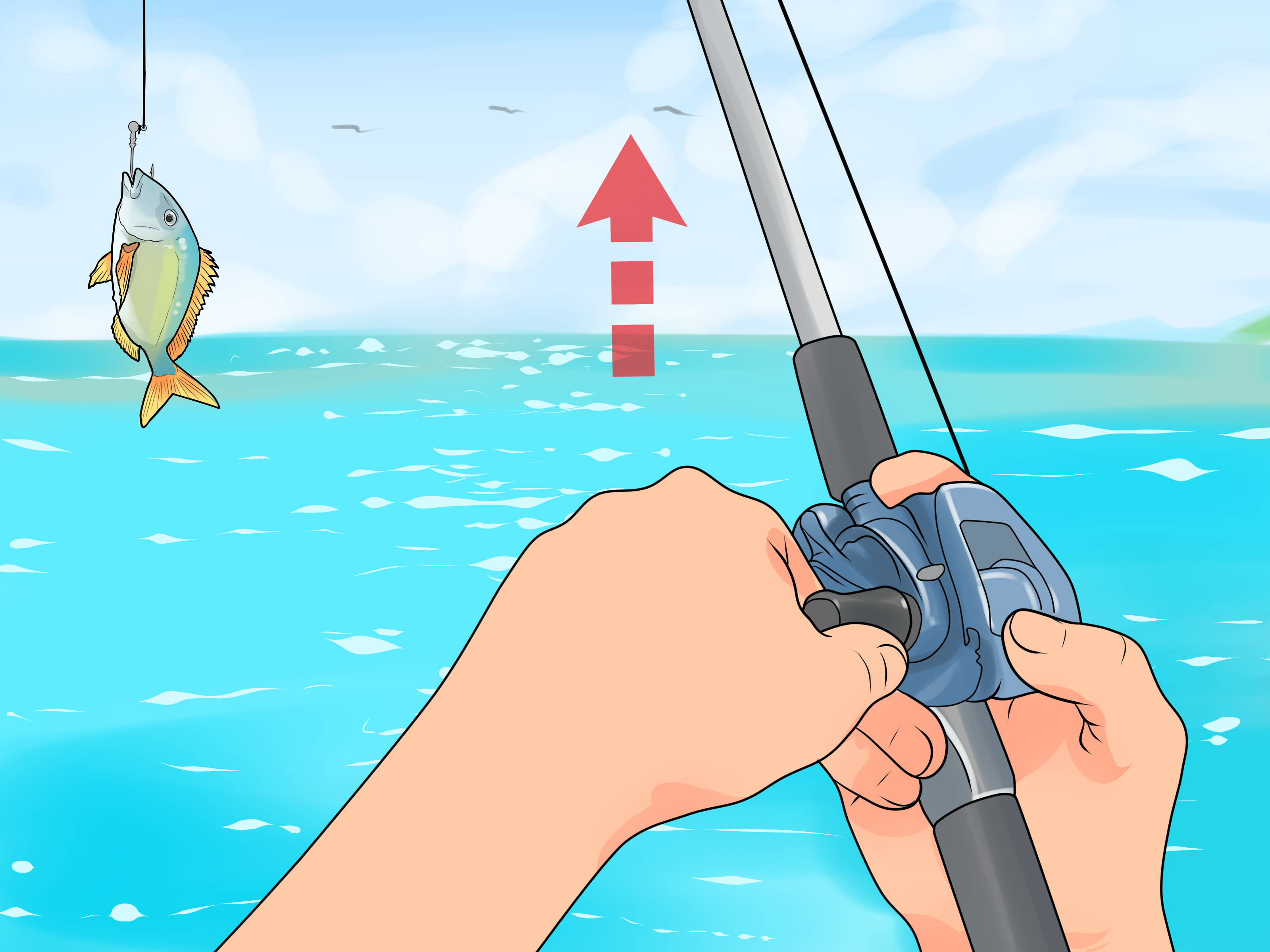
Drop shot bites can feel like a tap, extra weight, mushiness, or nothing at all. When something feels different, reel down and use a firm sweep set rather than a dramatic overhead hookset. With small hooks and light line, a smooth hookset keeps the fish pinned without snapping the leader. Keep steady pressure and let the drag work.
Where to Fish a Drop Shot Rig
The drop shot rig works in many places, but it truly shines around structure and fish-holding transitions. Try it on rocky points, offshore humps, ledges, bluff walls, grass edges, docks, bridge pilings, marina slips, brush piles, deep flats, riprap banks, and clear-water smallmouth areas. If you can see fish on electronics but they refuse faster lures, a drop shot should be one of your first follow-up options.
In summer, bass often suspend around baitfish or hold on deep structure. A drop shot lets you keep a small bait in front of them without racing past. In winter, when bass metabolism slows down, the rig’s subtle presentation can trigger bites when aggressive lures fail. During spring and fall, it works as a cleanup bait after reaction lures locate fish but stop producing.
Common Drop Shot Mistakes to Avoid
Using Too Much Action
Many anglers shake the rig too hard. The bait should look alive, not panicked. If you are not getting bites, try slowing down before switching baits.
Choosing the Wrong Leader Length
If your bait is too low, it may disappear in grass, mud, or rock cracks. If it is too high, it may hover above the strike zone. Adjust until the bait rides where fish are feeding.
Fishing Too Heavy
A weight that is too heavy can make the rig look unnatural in shallow water. A hook that is too large can kill bait action. Start light and increase size only when conditions require it.
Ignoring Line Twist
Spinning reels and soft plastics can create line twist. Use quality swivels when needed, avoid reeling against drag, and check that your bait is rigged straight.
Best Drop Shot Baits for Beginners
If you are new to drop shot fishing, start with a 4- to 6-inch straight-tail finesse worm. It is simple, affordable, and effective almost everywhere. A small minnow-style bait is another excellent option when bass are feeding on shad, alewives, perch, or other baitfish. For smallmouth, goby-style baits can be deadly around rock. For largemouth in grass, a small creature bait rigged weedless can sneak through cover better than an exposed hook.
Keep colors simple. Green pumpkin is the old reliable friend who always shows up. Watermelon and smoke work well in clear water. Morning dawn, shad, or pearl can be excellent around baitfish. Black, bold green pumpkin, or darker purple can help in stained water. You do not need 47 colors to get started, although tackle companies will happily support that life decision.
Pro Tips for Catching More Bass on a Drop Shot
First, watch your line. Many bites happen when the bait is falling or sitting still. If the line jumps, moves sideways, or suddenly goes slack, reel down and sweep. Second, experiment with bait posture. Nose-hooked baits move freely, while weedless baits come through cover better. Third, use your electronics wisely. If you see fish suspended 15 feet down over 25 feet of water, adjust your presentation instead of dragging blindly on bottom.
Finally, be patient. The drop shot is not always a fast search bait. It is a precision tool. Use crankbaits, spinnerbaits, jerkbaits, or swimbaits to locate active fish, then use the drop shot to catch neutral or pressured fish that need a little persuasion.
Extra Experience: Real-World Lessons from Fishing a Drop Shot Rig
One of the biggest lessons with a drop shot rig is that “less” usually catches more. Many beginners imagine the bait needs constant action, so they shake the rod tip like they are trying to wake up a sleeping soda can. On the water, the better move is often to cast, let the weight settle, tighten the line, and barely tremble the bait. In clear water, bass often follow the rig for several seconds before eating. If the bait moves too aggressively, they drift away. If it quivers gently in place, they eventually decide it looks too easy to ignore.
Another practical experience is learning to read bottom with the weight. A cylinder weight sliding through grass feels different from a round weight ticking gravel. Rock feels sharp and uneven. Mud feels dull. Sand feels smooth. Once you pay attention to those signals, you begin to understand where your rig is and why fish may be positioned there. A drop shot is not just a bait delivery system; it is also a little underwater detective.
Leader length is another detail that changes everything. On one trip, bass may be pinned tight to bottom and only bite a bait 6 inches above the weight. On another day, especially around grass or suspended baitfish, they may want the worm 18 to 24 inches up. When bites stop, changing leader length can be as important as changing color. It is a small adjustment, but bass can be picky customers. They do not leave Yelp reviews; they just refuse to bite.
Boat control also matters. In wind, it is easy to drag the rig too fast without realizing it. A heavier weight can help maintain bottom contact, but do not go heavier than necessary. If the bait looks stiff and unnatural, downsize. If you cannot feel bottom, go heavier. The sweet spot is a weight that keeps you connected without overpowering the presentation.
For bank anglers, the drop shot is still useful. Cast at an angle along docks, riprap, weed edges, or points instead of straight out and straight back. Let the rig settle, then work it slowly through high-percentage areas. If you snag often, switch to a cylinder weight and weedless bait. A drop shot from shore may not be as vertical as boat fishing, but it can still keep a small bait hovering in front of bass longer than many traditional rigs.
The final lesson is confidence. The drop shot rig can feel boring until it starts catching fish. Then it feels like cheating, only legal and with better snacks. Keep one tied on when conditions are tough, when water is clear, when bass are pressured, or when you can see fish but cannot make them react. Master the basics, stay subtle, and let the rig do what it does best: turn stubborn bass into surprise visitors at the end of your line.
Conclusion
Learning how to fish a drop shot rig gives you one of the most dependable finesse techniques in bass fishing. It is simple to rig, easy to adjust, and effective in shallow water, deep water, clear lakes, pressured ponds, rocky reservoirs, grass edges, and offshore structure. The key is to keep the bait natural, maintain bottom contact, use the right leader length, and avoid overpowering the presentation.
Whether you are chasing largemouth, smallmouth, or spotted bass, the drop shot rig deserves a permanent place in your fishing lineup. When power fishing slows down and the bass start acting like tiny underwater critics, this subtle setup can save the day.