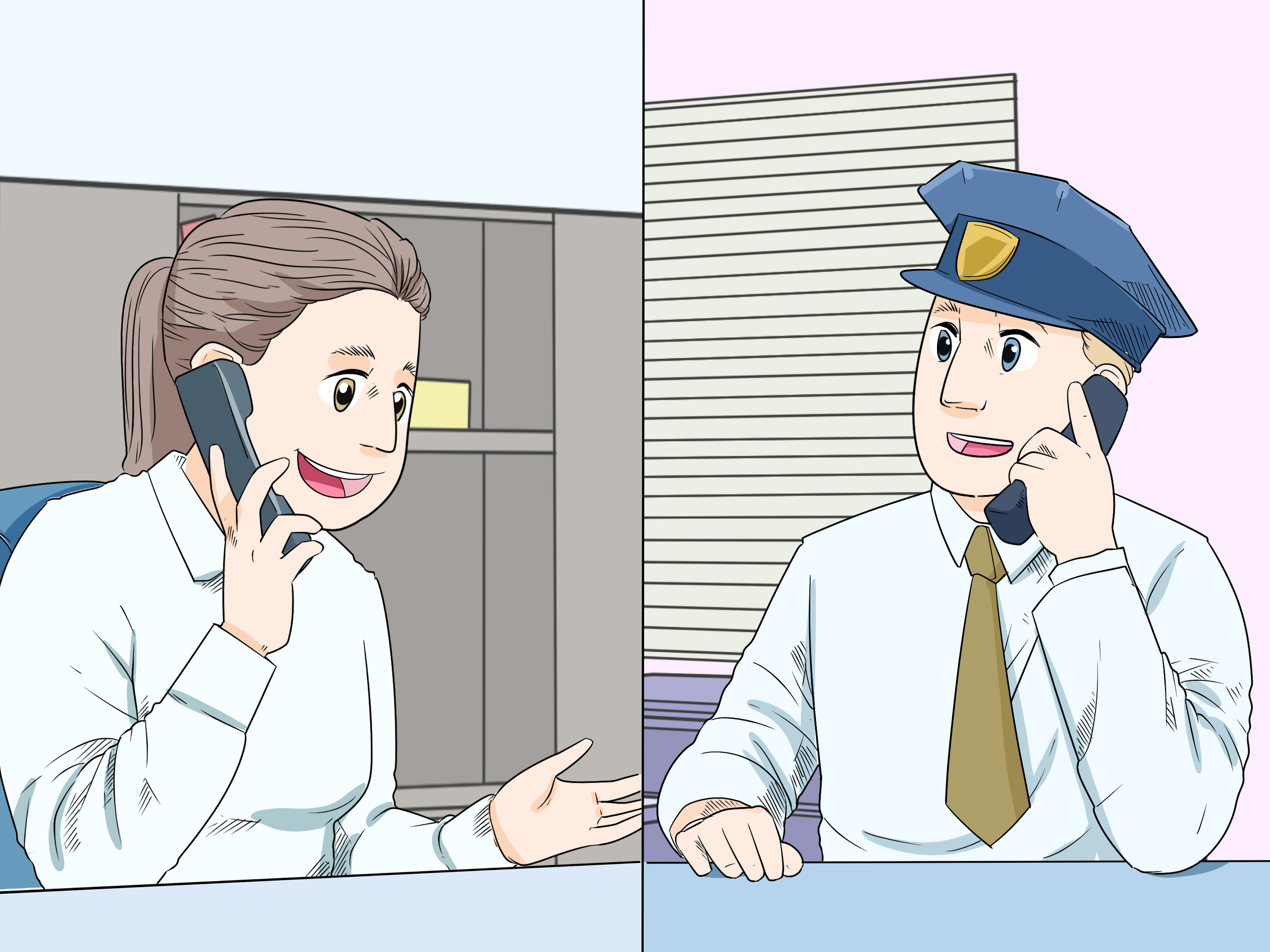
Finding someone’s probation officer can feel like trying to locate one specific employee inside a government building designed by a committee that loved hallways. The information may be available, but it is rarely sitting beneath a giant button labeled “Click Here for the Probation Officer.”
Fortunately, a lawful, organized search usually leads to the correct probation department, even when privacy rules prevent the agency from immediately identifying an individual officer. The key is to determine which court handled the case, what kind of supervision applies, and which government office has jurisdiction.
This guide explains how to find someone’s probation officer in 11 practical steps while respecting privacy laws, court procedures, and personal safety. Procedures vary across the United States, so consider the process a reliable roadmap rather than a universal rulebook carved into courthouse marble.
Before You Start: Probation Is Not Always Parole
First, confirm what type of supervision you are dealing with. Probation generally refers to court-ordered community supervision, often imposed instead of incarceration or after a short jail sentence. Parole usually involves supervision following release from prison. Pretrial supervision applies before a criminal case has been resolved.
Federal probation and pretrial services officers work for the federal judiciary. They conduct investigations, supervise people in the community, and help enforce court-imposed conditions. State and local systems may be organized by counties, judicial districts, corrections departments, or agencies using names such as “community supervision” rather than “probation.”
Some people are placed on informal, nonreporting, or summary probation. In those cases, no individual probation officer may be assigned. The person remains subject to court conditions, but the probation department does not actively supervise the case. That distinction can save you several hours of telephone hold music.
How to Find Someone’s Probation Officer in 11 Steps
Step 1: Identify Your Legitimate Reason for Making Contact
Before contacting an agency, be prepared to explain why you need to reach the probation officer. Common legitimate reasons include reporting a possible violation, discussing restitution, providing information as a victim or witness, confirming instructions for treatment or employment, addressing a safety concern, or helping a family member comply with supervision.
Keep your explanation brief and factual. A receptionist does not need the extended director’s cut of every disagreement you have ever had with the supervised person.
Do not claim to be an attorney, police officer, victim, relative, or government employee when you are not. Impersonation and deceptive attempts to obtain confidential information can create serious legal problems.
Step 2: Gather Accurate Identifying Information
Probation departments may supervise thousands of people, including several with similar names. Collect as much accurate information as you lawfully possess:
- Full legal name, including middle name or initial
- Date of birth or approximate age
- County and state where the case was prosecuted
- Court name or judicial district
- Criminal case or docket number
- Approximate sentencing date
- Known aliases or prior names
- Whether the case was state, county, municipal, or federal
A case number is particularly useful because it points to one proceeding rather than every person in America named John Smith. Only use information obtained legally. Do not break into accounts, pose as someone else, purchase leaked data, or pressure employers and relatives for private records.
Step 3: Determine Which Court Handled the Case
The sentencing court is usually the best starting point. Search the official website of the county court, state judiciary, or federal district court where the prosecution occurred.
If the person was convicted of a state offense, begin with the county courthouse or state court system. If the case involved a federal offense, such as certain interstate, immigration, tax, drug, or federal-property crimes, begin with the appropriate United States District Court.
Do not assume the current residence determines jurisdiction. A person may live in one county while another county retains the case. Supervision can also be transferred after sentencing, meaning the original court and the current supervising office may be in different places.
Step 4: Search the Official Court Case Index
Many courts provide online criminal case indexes. Search by name, case number, or filing date. Look for entries such as judgment, sentencing order, probation order, transfer order, revocation proceeding, or supervision termination.
The public docket may reveal:
- Whether probation was ordered
- The length of the supervision term
- The sentencing county or judicial district
- Whether jurisdiction was transferred
- Whether probation has already ended
- The government agency responsible for supervision
Court access rules differ by jurisdiction. Some records can be viewed online, while others require a request to the clerk. Public-record procedures also distinguish between court records and administrative records held by judicial agencies.
Do not expect unrestricted access to probation reports. These documents can contain criminal history, family information, treatment details, financial information, victim statements, and other sensitive material. Access may be restricted, time-limited, or available only to certain parties.
Step 5: Call the Clerk of the Sentencing Court
If the online docket is confusing or unavailable, call the criminal division of the court clerk’s office. Explain that you are trying to identify the government probation agency responsible for a particular case.
You might say:
“Hello, I am trying to determine which probation department supervises a person sentenced in your court. I have the person’s full name and case number. Could you tell me which agency I should contact?”
Ask for the department or agency, not confidential supervision details. The clerk may be able to identify the county probation office, federal district office, community corrections department, or state corrections division without disclosing the assigned officer’s name.
If the clerk cannot help, ask whether the docket contains a probation referral, transfer order, or contact information for court services.
Step 6: Locate the Correct Probation Department
Once you know the jurisdiction, find the department through an official government directory. Several states publish county or district contact lists. New York maintains a directory of local probation departments. Pennsylvania lists county probation and parole offices. Texas publishes contact information for Community Supervision and Corrections Departments, while Virginia provides a searchable list of probation and parole offices.
Search using phrases such as:
- “[County name] adult probation department official”
- “[State name] probation office directory”
- “[Judicial district] community supervision department”
- “United States Probation Office [federal district]”
Confirm that the website uses an official government domain or is directly linked by the court. Avoid people-search websites that promise secret government contacts in exchange for a credit card number and your remaining faith in humanity.
Step 7: Call the Department’s Main Number
Call the department’s central reception, records, intake, or adult-supervision number. Large agencies may have separate divisions based on location, case type, risk level, or the first letter of the supervised person’s last name.
Provide the person’s name, date of birth if known, and case number. Then explain your reason for calling. A practical script is:
“I am trying to contact the officer assigned to a probation case involving [full name]. The case number is [number]. I need to provide information concerning [brief reason]. Could you transfer me to the appropriate unit or take a message?”
Official department pages commonly provide central numbers even when they do not publish every officer’s direct contact information. For example, New York City lists separate adult-operation numbers by borough, while county offices often instruct callers to use the main department line for assistance.
The receptionist may transfer you, provide a voicemail extension, or take a message. The agency may also decline to confirm that the person is supervised. That does not necessarily mean you reached the wrong office; confidentiality policies may limit what employees can disclose.
Step 8: Use the Federal Probation Office for Federal Cases
For a federal case, identify the United States District Court that imposed the sentence. Each federal judicial district has a probation and pretrial services office. Official district websites generally provide office locations and main telephone numbers.
Call the district office and provide the federal case number when available. Federal probation personnel may not disclose an officer’s identity or confirm supervision to an unrelated caller. However, staff may accept information, forward a message, or direct a victim or witness to the appropriate federal program.
Remember that federal pretrial services and federal probation are related but distinct functions. Someone awaiting trial may be supervised by pretrial services rather than a post-conviction probation officer.
Step 9: Contact Victim or Witness Services When Appropriate
If you are a crime victim or witness, the victim-services route may be more effective than calling probation reception repeatedly. Contact the prosecutor’s victim-witness coordinator, county victim advocate, state corrections victim-services office, or federal Victim Notification System.
The federal Victim Notification System provides eligible victims with information about significant case and custody events. The United States Parole Commission also operates a Victim Witness Program for matters within its jurisdiction.
A victim advocate can explain what information may be shared, forward safety concerns, discuss restitution, and help you communicate through the correct channel. This approach can also reduce the risk of unwanted direct contact with the supervised person.
Step 10: Understand Privacy and Juvenile-Record Limits
A probation department is not a public customer-service database. Officers handle criminal histories, treatment information, addresses, family circumstances, employment records, victim information, and risk assessments. Agencies may accept information from you without giving information back.
Juvenile cases receive especially strong confidentiality protections. For example, California courts explain that juvenile records are generally confidential and that case-specific information is not released without appropriate identification and authorization. Other states use different rules but often apply similar restrictions.
Do not ask for the person’s home address, daily schedule, treatment location, employer, drug-test results, travel plans, or confidential case notes. If you have a legitimate safety concern, state the concern and allow the agency to decide what action or response is legally permitted.
Step 11: Leave a Clear Message and Document Your Efforts
If you reach voicemail, leave a concise message containing:
- Your name
- A safe callback number
- The supervised person’s full name
- The case number, if known
- Your relationship to the matter
- A one-sentence description of the issue
- Whether the concern is time-sensitive
Write down the date, time, office called, telephone number, and name of any employee who assisted you. Keep copies of relevant emails or documents. If you do not receive a response, call the main office again and politely ask for a supervisor, duty officer, victim-services representative, or officer of the day.
Use emergency services instead of voicemail when someone faces an immediate threat. A probation office may not listen to messages outside normal business hours, and it is not a substitute for 911 or local emergency assistance.
What Not to Do While Looking for a Probation Officer
A legitimate search can turn into an inappropriate one surprisingly quickly. Avoid contacting the supervised person’s children, coworkers, landlord, neighbors, or treatment provider merely to uncover an officer’s name. Do not publish allegations on social media to pressure an agency into responding.
Never threaten the supervised person with statements such as, “I know your probation officer, and I will have you arrested.” A probation officer evaluates information, verifies facts, and follows legal procedures. A caller does not get to order a violation or revocation like an extra-spicy takeout meal.
Also avoid making exaggerated or knowingly false reports. Give dates, locations, firsthand observations, screenshots, police report numbers, or other relevant evidence when available. Clearly distinguish between what you personally witnessed and what another person told you.
Practical Experiences and Lessons From the Search Process
The following scenarios illustrate common experiences people encounter when trying to find a probation officer. They are representative examples, not accounts of one specific person or case.
Experience 1: The Correct County Was Not the Current County
A family member tried to deliver employment paperwork for someone on probation. She called the probation department where the person currently lived, but the receptionist could not locate the case. After checking the sentencing paperwork, she discovered that the conviction occurred in a neighboring county. The original county had transferred day-to-day supervision, but it still maintained important case records.
The lesson was simple: begin with the sentencing court, not merely the person’s current address. Transfers can create two relevant agenciesthe court retaining legal authority and the office conducting local supervision.
Experience 2: There Was No Assigned Officer
A landlord wanted to report repeated property damage by a tenant who had mentioned being “on probation.” The county probation office could not identify an assigned officer because the tenant was on nonreporting court probation. The court had imposed conditions, but no probation officer was actively supervising compliance.
Instead of continuing to call random departments, the landlord documented the damage, followed the lease and local housing procedures, and contacted law enforcement when a separate incident appeared criminal. The experience showed why confirming the type of probation matters before searching for an individual officer.
Experience 3: The Department Accepted Information but Disclosed Nothing
A former partner called a probation department with a safety concern. The receptionist would not confirm whether the person was on probation or provide an officer’s name. However, the department accepted a written statement and supporting police report number for internal review.
This can feel frustrating, but it reflects an important reality: communication with probation is often one-way. An agency may act on credible information without telling the caller whether an investigation, warning, test, hearing, or supervision response followed.
Experience 4: A Case Number Solved the Name Problem
A victim attempted to locate the officer supervising a defendant with a common name. Searching the name produced several court cases involving different people. The victim-witness coordinator found the correct docket number in the prosecutor’s records, allowing the probation department to route the call to the proper unit.
The experience demonstrated that a docket number is often more valuable than additional personal details. It connects the request to a specific court file and reduces the risk of involving the wrong person.
Experience 5: The Victim Advocate Was the Better Contact
In another scenario, a victim wanted updates about restitution and supervision conditions. Repeated calls to the general probation number resulted in transfers and voicemail messages. The prosecutor’s victim advocate explained which information could legally be shared, contacted the appropriate agency, and helped the victim update contact details for future notifications.
The lesson was not that probation staff were unhelpful. The victim-services office simply had the right role, authorization, and procedures for the request.
Experience 6: A Calm Message Received a Faster Response
One caller initially left a long, emotional voicemail describing years of conflict. The message contained important information, but the urgent issue was difficult to identify. A second message gave the supervised person’s name, case number, incident date, police report number, and a two-sentence explanation. The office returned the call and routed the documents correctly.
Government employees are human beings confronting full caseloads and crowded inboxes. Clear facts, respectful language, and a specific request usually work better than threats, repeated calls, or a 14-minute voicemail with three surprise plot twists.
Frequently Asked Questions
Can I find a probation officer’s name online?
Sometimes. Certain courts and county agencies publish staff directories, but many departments list only central office numbers. Even when a directory is public, it may not identify which officer supervises a particular person.
Will a probation office confirm whether someone is on probation?
Possibly, but disclosure rules vary. The office may refuse to confirm supervision, especially when the caller is unrelated to the case. It may still accept a message or safety report.
Can I report a suspected probation violation anonymously?
Some agencies accept anonymous tips, but anonymous information can be harder to verify. Ask the department whether your identity can remain confidential. Do not assume confidentiality is guaranteed, particularly if the matter later becomes part of a court proceeding.
What if I cannot identify the sentencing county?
Search official state court indexes, review available court paperwork, contact the attorney involved in the case, or ask the clerk in the county where the arrest or prosecution likely occurred. A state corrections or probation directory may also help identify regional offices.
Is a probation officer the right person for an emergency?
No. Call 911 or the appropriate emergency service when there is an immediate danger, active crime, medical crisis, or urgent threat. Contact probation afterward when the incident may also affect supervision.
Conclusion
To find someone’s probation officer, start with the case rather than the person’s current location. Identify the sentencing court, obtain the case number, determine whether the supervision is probation, parole, pretrial release, or nonreporting probation, and locate the responsible government agency through an official directory.
When you call, provide accurate identifying information and a clear, legitimate reason for contact. Be prepared for the department to accept your information without revealing confidential details. Victims and witnesses should consider contacting a prosecutor’s victim-services office, which may have better tools for communication and notification.
The process may require two or three calls, but organized persistence usually beats random internet searching. Bring the correct case number, use the correct office, and leave the detective costume at home.