Feeding a pregnant dog right before labor can feel a little like catering for a very adorable, very emotional VIP guest. One minute she is interested in dinner. The next minute she is reorganizing blankets, pacing the room, and acting as if her food bowl has offended her entire family line. If that sounds familiar, take a breath. Appetite changes shortly before labor are common, and they do not always mean something is wrong.
The real goal is not to force-feed your dog like you are running a canine diner. The goal is to keep her nutrition solid, make meals easier to tolerate, protect hydration, and recognize the difference between normal pre-labor behavior and a true emergency. This guide walks you through exactly how to feed a pregnant dog shortly before labor, what to avoid, and what signs mean it is time to call the veterinarian instead of guessing.
Why Feeding Gets Tricky Right Before Whelping
In late pregnancy, your dog’s abdomen gets crowded fast. The puppies take up valuable space, which means she may feel full sooner, prefer smaller meals, or lose interest in food as labor approaches. On top of that, hormonal changes, nesting behavior, panting, mild nausea, and restlessness can all chip away at appetite.
That is why feeding a pregnant dog shortly before labor is not just about putting more food in a bowl. It is about making sure the food is nutrient-dense, easy to manage, and offered in a calm way that does not add stress. Think less “eat a giant feast” and more “let’s make every bite count.”
How to Feed a Pregnant Dog Shortly Before Labor: 8 Steps
Step 1: Stick with a complete and balanced growth or puppy diet
Shortly before labor is not the time to invent a homemade menu because your dog gave you a dramatic look. Pregnant dogs need food that is complete, balanced, calorie-dense, and easy to digest. In most cases, that means a high-quality commercial diet formulated for puppies, growth, or gestation and lactation, unless your veterinarian has recommended something different.
This matters because late pregnancy and early nursing are both nutritionally demanding. A growth-style diet delivers more nutrition in a smaller volume, which is helpful when a crowded abdomen makes large meals uncomfortable. It also reduces the temptation to patch the diet together with random extras that sound healthy but throw off the nutrient balance.
Smart move: keep feeding the high-quality food your dog has already been tolerating well in late pregnancy.
Bad move: suddenly switching to a kitchen buffet of hamburger, rice, liver, and whatever else seems “special” in the moment. That is not a nutrition plan. That is panic with a frying pan.
Step 2: Offer smaller meals more often
Large meals can be uncomfortable during the final stretch of pregnancy. Your dog may want food, but not a lot of it at once. This is why smaller, more frequent meals are usually the better strategy shortly before labor. Instead of one or two bigger portions, divide her intake into three or four meals across the day.
Small meals are easier on a crowded stomach and can help if your dog seems mildly nauseated or just not enthusiastic about eating. You are not trying to win a clean-bowl contest. You are trying to help her take in enough calories without making mealtime feel like work.
A simple schedule might include breakfast, a midday meal, dinner, and a small evening portion. If she only eats part of each serving, that is still often better than offering one oversized meal she ignores like a suspicious art installation.
Step 3: Expect appetite to dip as labor gets very close
Many dogs eat less in the last day or two before whelping, and some may refuse food altogether in the final 12 to 24 hours. That can be a normal sign that labor is close, especially if it comes with nesting, panting, restlessness, or wanting privacy. It can be unsettling to watch, but it is not always a reason to panic.
This is the point where many owners start trying every treat in the house, plus bits of chicken, toast, cheese, and possibly emotional bribery. Understandable, yes. Helpful, not always. Instead, offer food calmly, leave it down briefly, and remove it if she is not interested. Try again later. Keep the room quiet and stress low.
If your dog is bright, alert, drinking water, and showing normal pre-labor behavior, a temporary drop in appetite may be part of the natural process. If she seems ill, weak, dehydrated, or generally “off,” that changes the picture and deserves veterinary attention.
Step 4: Prioritize water as much as food
Food may be the headline, but water is the co-star that keeps the whole show from falling apart. A dog nearing labor may pant more, move around the nest, or even vomit once, all of which can make hydration more important. Keep fresh water available at all times and place it close to where she is resting so she does not have to wander far from her nest.
Some dogs are more willing to take in moisture through food than from a bowl. Lightly moistening kibble or offering canned food from the same balanced diet line may help. If your veterinarian approves, some owners also use a small amount of unsalted broth to make water or food more appealing. The important thing is to keep fluids available and easy to access.
Do not force water into your dog’s mouth. That can create stress and is not a safe or useful strategy. If she refuses to drink entirely, seems weak, keeps vomiting, or shows signs of dehydration, that is a veterinarian-now situation, not a “let’s wait until morning” situation.
Step 5: Make meals more tempting without turning them into junk food
When your dog gets picky, the trick is to make her regular balanced diet more appealing, not to start a culinary circus. Warming canned food slightly, softening kibble with warm water, or offering the canned version of her usual puppy or growth diet can improve aroma and make eating easier.
Keep the menu simple. This is not the ideal time for greasy leftovers, spicy people food, rich snacks, raw add-ons, or a parade of mystery toppers from the back of the pantry. Those choices can upset her stomach right when you want things calm and predictable.
Helpful choices: warmed canned puppy food, softened kibble, small portions, and familiar foods with strong aroma.
Unhelpful choices: random table scraps, fatty meats, heavily seasoned food, and last-minute “natural miracle” ideas from the internet. The internet means well, but the internet also thinks every problem can be solved with broth, coconut oil, or vibes.
Step 6: Do not add calcium or random supplements unless your vet says to
This is one of the biggest mistakes owners make before labor. It sounds logical to load up on calcium to “help” the mother dog, but routine calcium supplementation is usually unnecessary when she is already eating a complete and balanced diet designed for growth or reproduction. In some cases, too much calcium during pregnancy may actually increase the risk of eclampsia instead of preventing it.
The same caution applies to vitamin D, phosphorus, herbal blends, homemade boosters, and any powder that promises stronger puppies, easier labor, or magical maternal energy. If your veterinarian has prescribed a specific supplement, follow that advice. If not, your best move is usually to leave the balanced diet alone.
Late pregnancy has a way of making people want to add things. More calcium. More protein. More treats. More “just in case” supplements. Usually, this is not the moment for more. Usually, this is the moment for steady, sensible feeding and less improvisation.
Step 7: Learn the difference between normal pickiness and a red flag
A pregnant dog eating less shortly before labor can be perfectly normal. A pregnant dog refusing food while also looking ill is a different story. Context matters. That is why feeding decisions in the final hours should always be tied to your dog’s overall behavior, not just the bowl.
Usually normal shortly before labor:
- Reduced interest in food for a short time
- Nesting, pacing, or wanting privacy
- Panting, mild shivering, or restlessness
- Sniffing food and walking away, then returning later
Call your veterinarian promptly if you notice:
- No interest in water or obvious dehydration
- Repeated vomiting or severe lethargy
- Collapse, weakness, or distress that seems more than normal labor discomfort
- Bloody, foul-smelling, or abnormal vaginal discharge
- Strong straining for about 30 minutes with no puppy delivered
- Weak straining for around 2 hours with no puppy delivered
- More than 4 hours between puppies when labor is still clearly in progress
- Green or black discharge before the first puppy is born
In other words, skipping dinner can be normal. Skipping dinner while looking sick, refusing water, or struggling in labor is not something to shrug off.
Step 8: Plan the first day after labor before labor starts
Here is the surprise many first-time owners do not expect: the biggest calorie demand is often not right before labor. It comes after delivery, when milk production ramps up. That means smart feeding shortly before labor includes being ready for what happens immediately after the puppies arrive.
Keep the same high-quality food available after whelping. Some dogs eat only a little during the first 24 to 48 hours, while others bounce back quickly and eat with serious enthusiasm. Once nursing gets going, many mothers need frequent meals and a lot more calories than usual.
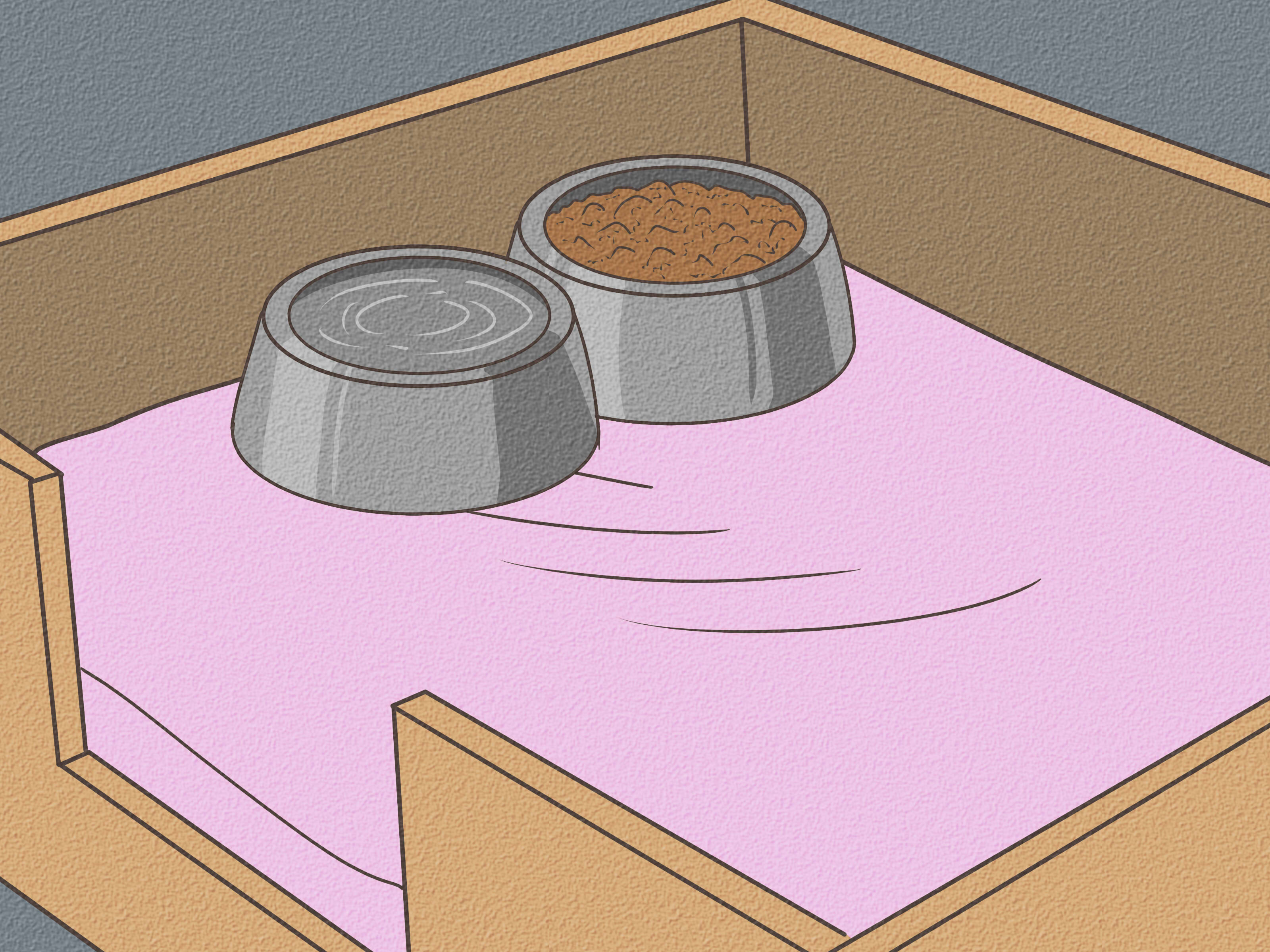
Place food and water close to the whelping area. New mothers often do not want to leave their puppies for long, especially in the first day or two. If meals and water are nearby, it is much easier to support her without disrupting the nest or turning every refill into a major event.
A Simple Feeding Plan for the Final 48 Hours
If your dog is due soon and you want a practical approach, this rhythm works well for many households:
- Morning: small meal of her balanced puppy or gestation/lactation diet
- Midday: another modest portion, especially if breakfast went well
- Evening: small dinner, softened or lightly warmed if needed
- Late evening: optional small snack if she still seems interested
If she begins nesting, panting, and refusing food, stop focusing on winning the calorie game for that moment. Offer food, but shift your main attention to comfort, hydration, observation, and readiness for labor.
Common Mistakes to Avoid
- Feeding huge meals because you are worried she “needs extra strength”
- Changing foods suddenly right before labor
- Giving calcium, vitamin D, or random supplements without veterinary guidance
- Trying raw diets or homemade experiments at the last minute
- Ignoring water access while focusing only on food
- Assuming every skipped meal is normal and overlooking real warning signs
- Panicking over mild appetite loss and stuffing her with treats that upset her stomach
What Feeding Right Before Labor Really Feels Like
In real life, the final day or two before labor often feels less dramatic than people expect and more confusing than any book makes it sound. Your dog may not suddenly announce, “Hello, I am now in labor.” Instead, she may become selective about food, restless with blankets, oddly clingy, or very committed to redecorating one corner of your house into a nest that absolutely no one else appreciates.
This is where feeding becomes part nutrition and part observation. Owners often say the hardest part is not the food itself. It is the uncertainty. One meal disappears. The next one sits untouched. You start wondering whether she needs more flavor, more moisture, more protein, more space, more quiet, or perhaps her own personal chef. Usually, the answer is much simpler: she needs a calm environment, smaller meals, easy access to water, and a human who does not panic every time she sniffs and walks away.
Many first-time owners also feel guilty when appetite drops. They worry they are doing something wrong or that they should be preparing a fancier meal. But in most cases, the dogs who do best are not getting elaborate culinary masterpieces. They are getting consistent, balanced food offered in a sensible way. Boring nutrition is often excellent nutrition.
There is also a big emotional shift when labor is truly close. Once nesting starts and appetite fades, many owners say they suddenly stop caring whether their dog finished lunch and start watching every breath, stretch, and shuffle across the room. That is normal too. Food matters, but the bigger picture matters more. Eating a little less before labor can be okay. Being uncomfortable in a normal way can be okay. The art is knowing what still fits within normal and what crosses the line.
Experience-Based Insights: What Owners Often Notice
One very common experience is the “three-bite phase.” A dog that usually eats well may approach the bowl, take a few bites, and then leave. Later, she comes back and takes a few more. This is exactly why smaller meals are so useful. In real homes, many owners discover that one untouched big meal feels alarming, while several mini-meals through the day actually add up just fine.
Another thing people notice is that texture suddenly matters. A dog that ignores dry kibble may eat it happily once it is softened with warm water or swapped for a canned version of the same balanced formula. It is not that she has become a diva overnight, although some dogs do enjoy a little dramatic timing. More often, it is because warm, moist food smells stronger and feels easier to eat when her abdomen is tight and crowded.
Owners also talk about how closely appetite and behavior track together in the final hours. The dog who was eating normally may lose interest as soon as she starts pacing, nesting, and checking in with her people every few minutes. She may act hungry, then forget about the bowl the second she feels another contraction or the urge to rearrange bedding for the fifteenth time. When you have seen this once, it makes more sense. The first time, it can feel baffling.
Hydration is another lesson that often becomes obvious only in the moment. Plenty of owners focus so much on food that they do not realize water is the bigger priority until their dog starts panting, resting, and refusing to move far from the nest. The households that seem to manage this stage best usually keep water right beside the nesting area and refresh it often. That simple setup can make a huge difference.
There is also a pattern of over-helping. Well-meaning people add cheese, scraps, supplements, raw meat, or several toppers because they feel bad when the dog skips a meal. Later, they realize the simple approach worked better. Balanced food, small portions, fresh water, and careful observation usually beat a refrigerator full of good intentions.
And maybe that is the most honest experience of all: feeding a pregnant dog shortly before labor does not look glamorous. It looks calm. It looks consistent. It looks like offering sensible meals, watching behavior closely, and knowing when to stop troubleshooting dinner and start calling the veterinarian. You are not trying to impress your dog with a five-star menu. You are trying to support her through one of the biggest physical events of her life, and often the best support is steady, simple, and smart.
Note: This article is for educational purposes only and should not replace veterinary advice. If your pregnant dog will not drink, seems weak, has abnormal discharge, or appears to be struggling in labor, contact your veterinarian or an emergency animal hospital right away.