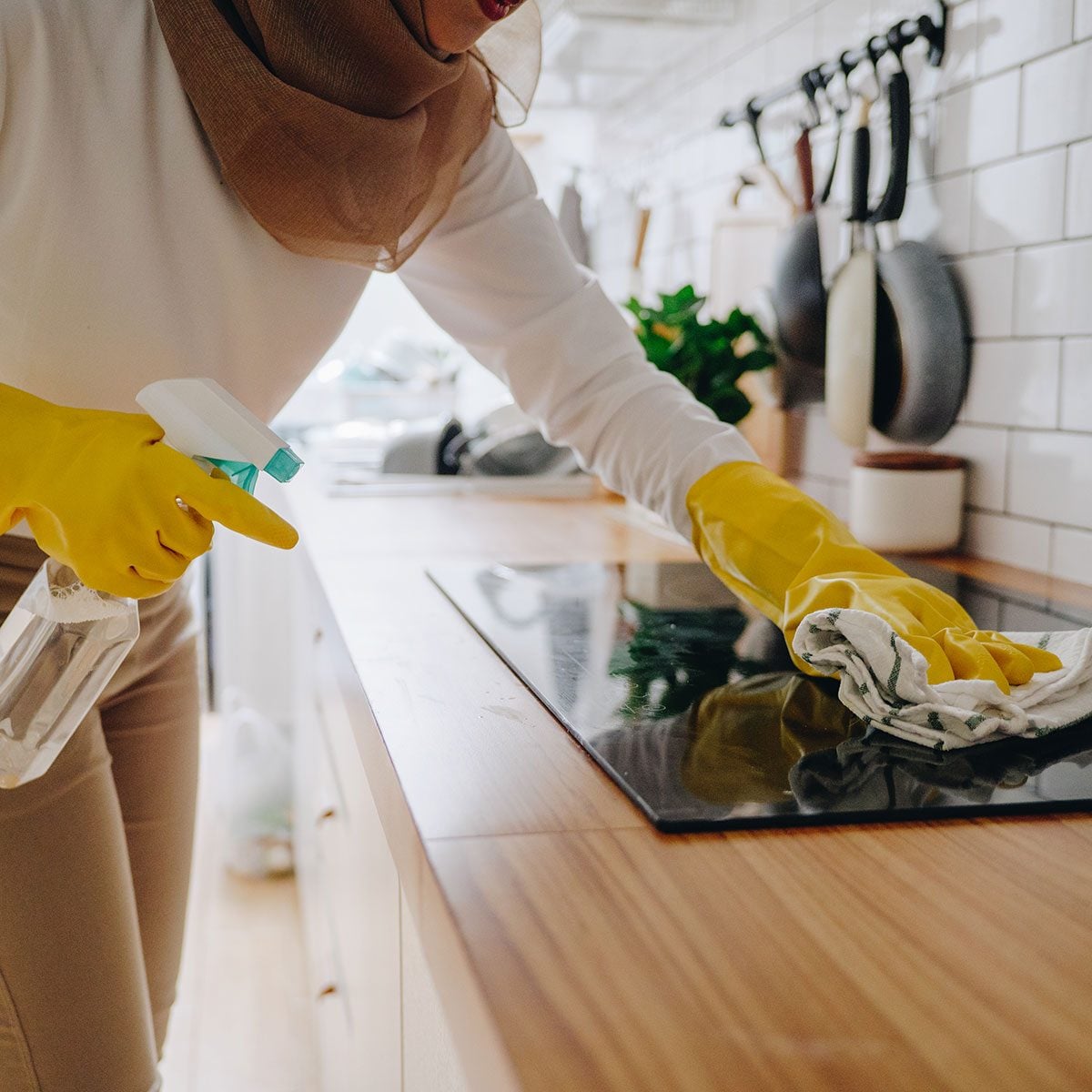
A glass stove top can make a kitchen look sleek, modern, and suspiciously well organizedright up until pasta water boils over and tomato sauce performs an enthusiastic escape act. Because every fingerprint, grease spot, and burnt crumb is visible against the smooth surface, even a recently cleaned cooktop can appear neglected.
Fortunately, learning how to clean a glass stove top is not difficult. The secret is to use gentle products, allow cleaners time to loosen the mess, and resist attacking burnt food with the roughest object in the kitchen. With the right method, you can remove everyday grease, cloudy residue, and stubborn cooked-on stains without scratching the ceramic-glass surface.
What You Need to Clean a Glass Stove Top
Gather your supplies before beginning. You will not need a chemistry laboratory or a heroic amount of elbow grease.
Basic cleaning supplies
- Two or three clean microfiber cloths
- Warm water
- Mild liquid dish soap
- Distilled white vinegar in a spray bottle
- Baking soda, if permitted by the manufacturer
- A nonabrasive sponge or cooktop cleaning pad
- Glass or ceramic cooktop cleaning cream
- A cooktop scraper approved for your appliance
- An oven mitt for handling an urgent sugary spill
A commercial ceramic cooktop cleaner is particularly useful for discoloration and cooked-on residue. These creams are designed to clean and polish smooth cooking surfaces without the harsh grit found in many general-purpose scouring products.
How to Clean a Glass Stove Top for Everyday Messes
A quick wipe after cooking prevents oil and food residue from becoming a permanent-looking exhibit. Use this routine whenever the surface has light splatters, fingerprints, or greasy streaks.
Step 1: Turn off the stove and let it cool
Confirm that every burner is off. Wait for the hot-surface indicator to go out and allow the cooktop to cool completely. Applying cleaner to hot glass may produce fumes, bake the product onto the surface, or expose you to steam burns.
The major exception is a spill containing a great deal of sugar or melted plastic. Those emergencies require prompt action because the material can bond to the glass as it cools. Follow the special procedure below and your model’s instructions.
Step 2: Remove loose debris
Use a dry microfiber cloth to sweep away crumbs, salt, and other loose particles. This small step matters: dragging a gritty crystal under a wet cloth can scratch the surface. Think of it as checking the beach towel for sand before polishing your sunglasses.
Step 3: Loosen grease and splatters
Add a few drops of mild dish soap to warm water. Dampen a microfiber cloth, wring it out well, and wipe the entire cooktop. Do not flood the surface or allow liquid to run beneath the trim, around knobs, or into controls.
For a greasy film, lightly spray distilled white vinegar onto the cool glass or apply it to the cloth. Let it work for a few minutes, then wipe gently. Vinegar can help cut light grease and reduce streaking, but the manufacturer’s approved cleaner should take priority if the manual recommends one.
Step 4: Rinse and dry
Wipe the surface with a separate cloth dampened with clean water. This removes soap residue that might otherwise leave a cloudy haze. Dry and buff with a fresh microfiber cloth until the glass is clear and streak-free.
How to Deep-Clean a Glass Stove Top
If the cooktop feels tacky, looks dull, or has several days of culinary history attached to it, a deeper cleaning is appropriate.
Option 1: Use a ceramic cooktop cleaner
- Turn off the appliance and allow the glass to cool.
- Remove loose particles with a dry cloth.
- Apply a small amount of cleaner formulated specifically for glass or ceramic cooktops.
- Spread it with a soft cloth or approved nonabrasive pad.
- Use moderate, even pressure on greasy or discolored areas.
- Let the product dry to a haze if its directions require it.
- Buff the cooktop with a clean, dry microfiber cloth.
More cleaner is not necessarily more effective. A few small drops may be sufficient. Excess product takes longer to remove and can leave the stove looking as though it has been polished with fog.
Option 2: Use baking soda and a damp towel
If your manual permits baking soda, lightly sprinkle it over the cool, stained area. Spray on a small amount of vinegar or warm water. Place a warm, damp microfiber towel over the residue for 10 to 15 minutes. The moisture softens cooked-on food while the baking soda provides gentle cleaning action.
Remove the towel and wipe in small circles with a nonabrasive cloth. Do not scrub with dry baking soda or apply heavy pressure, since even a mild material can mark a surface when it is used too aggressively. Rinse thoroughly and buff dry.
How to Remove Burnt Food from a Glass Stove Top
Burnt food often survives ordinary wiping because heat has hardened it into a thin crust. The safest approach is to soften the residue first and then use a tool designed for ceramic glass.
- Check the manual to confirm that a scraper is approved for your model.
- Apply warm water, diluted vinegar, or cooktop cleaner to soften the stain.
- Let it sit for approximately 10 minutes, unless the product label specifies otherwise.
- Position a clean, sharp cooktop scraper at a shallow angle.
- Push beneath the residue using short, controlled strokes.
- Keep the blade flat; never dig a corner into the glass.
- Wipe away the loosened material and repeat if necessary.
- Finish with approved cooktop cleaner and buff the surface dry.
Manufacturers commonly specify a scraper angle somewhere between about 20 and 45 degrees, depending on the appliance and tool. Follow the angle in your manual. Never use a chipped, rusty, or uneven blade, and do not substitute a knife, screwdriver, or metal spatula.
If the mark does not become smaller after careful cleaning, it may be a scratch, mineral deposit, metal transfer, or permanent etching rather than food. Endless scrubbing will not improve damaged glass; it will merely turn cleaning day into an endurance sport.
What to Do About Sugary Spills and Melted Plastic
Caramel, syrup, jelly, candy, and melted plastic deserve special attention. High-sugar mixtures can adhere tightly to ceramic glass and may cause pitting as they cool.
- Turn off all heating elements immediately.
- Remove the cookware without dragging it across the spill.
- Put on an oven mitt.
- If your manufacturer instructs you to do so, use an approved scraper to move the hot material toward a cooler part of the cooktop.
- Lift the material away with paper towels while protecting your hands.
- Allow the surface to cool before removing the remaining residue.
- Do not use the burner again until the spill has been completely removed.
This is one situation where waiting for the mess to become cold can make matters worse. However, procedures vary among manufacturers and coated cooktops, so keep the manual’s instructions accessible.
How to Remove Common Glass Cooktop Stains
Greasy streaks
Use a small amount of grease-cutting dish soap or an approved cooktop cleaner. Rinse with a clean damp cloth, because leftover detergent is a frequent cause of streaks. Finish by buffing the dry surface with microfiber.
White haze and hard-water spots
Minerals from boiling water can leave pale rings. Apply a little distilled white vinegar to the cool surface, let it sit briefly, and wipe clean. Persistent mineral buildup may require ceramic cooktop cream. If the cloudy area never changes, it could be microscopic scratching or etching rather than removable residue.
Metal marks from cookware
Aluminum or copper pans can leave gray or silvery marks that resemble scratches. An approved cleaning cream and pad may remove this transferred metal. Clean it promptly instead of cooking over it repeatedly.
Dark rings around the burners
Dark rings usually consist of grease, food, or residue transferred from the bottom of a pan. Soften the area with cleaner and remove raised deposits with an approved scraper. Several gentle treatments are safer than one furious scrubbing session.
Products You Should Never Use
Ceramic glass is durable enough for daily cooking but not invincible. Unless the manufacturer explicitly approves them, avoid:
- Steel wool and metal scouring pads
- Abrasive powders and gritty cleansers
- Chlorine bleach, ammonia, and rust removers
- Oven cleaner or caustic lye-based products
- Ordinary ammonia-based window cleaner
- Melamine foam used with heavy pressure
- Knives, forks, screwdrivers, and damaged scraper blades
- Rough brushes or the abrasive side of an unapproved sponge
Do not combine cleaning chemicals. Mixing bleach with ammonia or acidic products can create dangerous gases. A cleaner’s label is an instruction sheet, not an opening bid in a negotiation.
How to Prevent Scratches and Burnt-On Buildup
- Wipe spills after each use once the cooktop is safely cool.
- Lift cookware rather than sliding it between burners.
- Keep the bottoms of pots and pans clean and dry.
- Choose flat-bottomed cookware sized for the heating element.
- Set heavy cast-iron cookware down gently.
- Do not use the cooktop as a cutting board or general storage shelf.
- Keep salt, sugar, and other gritty ingredients away from the surface.
- Clean sugary spills immediately according to the manual.
- Avoid placing cold cookware directly onto very hot glass.
A daily wipe takes about a minute and greatly reduces the need for scraping. It also prevents residue from being reheated every time you cook, which is how one innocent splash of soup gradually becomes part of the appliance’s permanent décor.
Frequently Asked Questions
Can you use vinegar on a glass stove top?
Distilled white vinegar is commonly used for light grease and mineral spots on cool ceramic glass. Spray it sparingly or apply it to a cloth, then wipe and dry. Consult the manual first, especially if the cooktop has a special coating.
Can you use baking soda on a glass cooktop?
Many manufacturers permit damp baking soda for loosening residue, but recommendations vary. Use it wet, apply gentle pressure, and rinse it away completely. Never grind dry powder across the glass.
Can a razor blade scratch a glass stove top?
Yes, particularly if the blade is damaged, held too upright, or used sideways. Use only a manufacturer-approved cooktop scraper with a clean blade, held at the prescribed shallow angle. Some coated surfaces should not be scraped at all.
Why does the cooktop still look cloudy after cleaning?
The haze may be soap residue, cleaner left on the glass, hard-water deposits, metal transfer, fine scratches, or permanent etching. Rinse and buff first, then try an approved cooktop cream. If the appearance does not change, contact the manufacturer or a qualified appliance technician.
How often should you clean a glass stove top?
Wipe it after every cooking session once it is cool, and perform a deeper cleaning about once a weekor whenever residue begins accumulating. Frequent light cleaning is faster and safer than occasional archaeological excavation.
Practical Experiences and Lessons from Glass Stove Top Cleaning
The most useful lesson from routine cooktop care is that timing matters more than strength. A splash of sauce removed after dinner may take 30 seconds. The same splash reheated beneath a skillet for three days can require soaking, scraping, cleaning cream, and a meaningful conversation about procrastination.
Experience 1: The cloudy surface that was really soap
A common cleaning scenario begins with a cooktop that looks worse after being washed. The surface is technically clean, but broad cloudy streaks appear whenever light hits it. The culprit is often too much dish soap or commercial cleaner. Adding more product only builds another layer.
The practical fix is surprisingly simple: wipe the cool surface several times with a microfiber cloth dampened only with clean water. Dry it with a second cloth, then buff with a third. This rinse-and-buff method frequently restores the shine without stronger chemicals.
Experience 2: The pasta-water ring
Starchy water can leave a pale, stubborn circle after a pot boils over. Immediate wiping is tempting, but wiping a hot burner with a wet cloth can cause steam burns. After the surface cools, a brief vinegar treatment usually loosens the mineral and starch film. A cooktop cream can handle what remains.
The larger lesson is to match the cleaner to the mess. Dish soap works well on grease; vinegar helps with light mineral deposits; soaking softens food; and a ceramic cooktop cream handles polished-on residue. One product does not need to audition for every role.
Experience 3: The burnt tomato-sauce island
A thick drop of tomato sauce can turn into a raised black spot after it is heated repeatedly. Scrubbing it immediately with a rough sponge risks scratches while barely disturbing the stain. Soaking the cooled spot for 10 minutes changes the job completely. Once softened, the deposit can often be removed in thin layers with an approved scraper held nearly flat.
Patience produces a better result than force. Two careful cleaning passes are preferable to one aggressive attempt. If the scraper starts chattering, catching, or moving sideways, stop and reposition it.
Experience 4: The “scratch” that came from a pan
Gray lines sometimes appear after an aluminum or copper-bottomed pan is moved across the cooktop. They can look alarmingly like scratches, yet may actually be metal transferred onto the glass. Cooktop cleaning cream applied with a nonabrasive pad can gradually lift these marks.
This experience also highlights a valuable prevention habit: lift cookware instead of sliding it. The rule is especially important for cast iron and other heavy pans. A glass stove top is a cooking surface, not a countertop version of an air-hockey table.
Experience 5: The one-minute evening routine
The most effective long-term system is modest. After cooking, wait for the hot-surface indicator to turn off. Remove loose crumbs, wipe the glass with a damp microfiber cloth, address grease with a tiny amount of dish soap or approved spray, rinse, and dry. Once a week, inspect the burner zones for faint deposits before they become dark rings.
This routine reduces deep-cleaning time and makes damage easier to spot. It also prevents gritty debris from becoming trapped under cookware. The cooktop stays shinier, pans sit more evenly, and the kitchen looks finished even when the rest of dinner cleanup is still “soaking.”
Conclusion
The best way to clean a glass stove top is to start gently: let the surface cool, remove loose debris, loosen residue, wipe with a nonabrasive cloth, rinse, and buff dry. For burnt-on food, use an approved cleaner and scraper according to the manufacturer’s directions. Treat sugary spills promptly, avoid harsh chemicals and rough tools, and make a quick wipe part of your cooking routine.
A smooth cooktop does not need to remain showroom-perfect to function well. Still, consistent care prevents buildup, reduces scratching risks, and keeps yesterday’s spaghetti from becoming tomorrow’s kitchen centerpiece.
Note: Cleaning directions vary by model. If the glass is cracked, chipped, deeply scratched, or permanently discolored, stop using the appliance and contact its manufacturer or a qualified service technician.