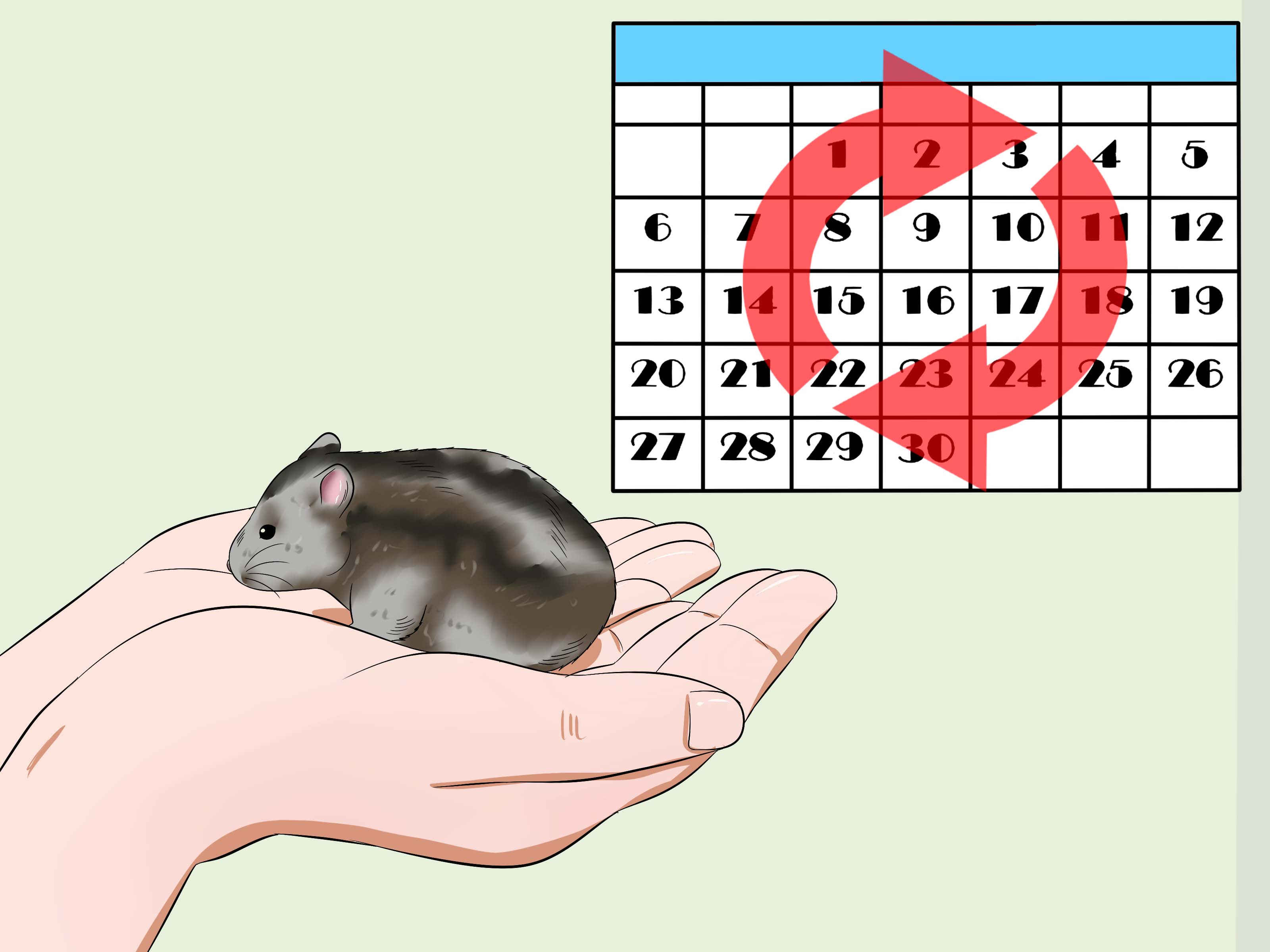
So, you brought home a Russian dwarf hamster. Congratulations. You now share your life with a tiny fluff potato that can sprint like a wind-up toy, stash snacks like a doomsday prepper, and somehow look innocent while redecorating the cage at 2 a.m.
Russian dwarf hamsters are small, clever, fast, and full of personality. They are also a little more delicate and zippy than larger hamsters, which means good care matters from day one. If you want a pet that thrives instead of merely survives, focus on the big five: the right habitat, the right food, gentle handling, daily enrichment, and fast action when something seems off. Get those basics right, and your hamster has an excellent shot at living a safe, comfortable, and entertaining little life.
Understand Your Russian Dwarf Hamster First
Before we talk gear, food, and cleaning schedules, it helps to understand who this little animal is. Russian dwarf hamsters are usually sold under names like Russian dwarf, Winter White, or sometimes Campbell’s dwarf. In everyday pet-owner language, they are grouped together as tiny dwarf hamsters with quick reflexes, strong opinions, and a serious love of burrowing.
They are mostly active in the evening and overnight, which means your hamster may be asleep when you are ready to socialize and fully awake when you are ready to sleep. That is not your hamster being rude. That is just hamster business. They can also be startled easily, especially if woken suddenly, and a frightened hamster may nip. The solution is not to avoid handling forever. The solution is to build trust slowly and respect their rhythm.
Set Up the Right Home
Choose a roomy, secure enclosure
A Russian dwarf hamster may be tiny, but it still needs real floor space. Bigger is better. A cramped cage creates boredom, stress, chewing problems, and escape attempts worthy of a prison movie. Pick a well-ventilated enclosure with a solid bottom, plenty of uninterrupted floor area, and a secure lid. Hamsters are talented escape artists, and they can flatten their body more than most new owners expect. If there is a gap, your hamster will treat it like a challenge.
A good setup includes a hideout, a food dish, a water bottle, chew items, tunnels, and a wheel. Do not rely on those colorful tiny pet-store cages that look cute on a shelf and miserable in real life. Your hamster is not decorating a dollhouse. Your hamster is trying to run, dig, stash, nap, and feel safe.
Use deep, safe bedding
Russian dwarf hamsters love to dig and nest, so give them a thick layer of soft, dust-reduced bedding that allows burrowing. Paper-based bedding is one of the safest and most practical options. It is absorbent, easy to arrange, and much kinder to small lungs than aromatic wood shavings.
Avoid cedar and fresh pine bedding. These materials are commonly warned against because they may irritate a hamster’s respiratory system and skin. Corncob bedding is also not a great choice for most owners because it does not perform as well as paper bedding for burrowing comfort and cleanliness. Add plain nesting material like unscented tissue or clean paper, and let your hamster become the interior designer it was born to be.
Keep the habitat in a calm, stable place
Put the enclosure in a room with a steady temperature, away from direct sunlight, heating vents, air-conditioning blasts, and loud vibration. A Russian dwarf hamster does not want to live in a sauna, a refrigerator, or next to a speaker that turns every bass note into an earthquake.
Choose a spot near normal household activity so your hamster gets used to your presence, but not in a place with constant chaos. A calm corner of a living room, office, or bedroom often works well, as long as there is decent airflow and no risk from cats, dogs, or grabby little hands.
Feed a Smart Diet, Not a Snack Carnival
Make pellets or lab blocks the foundation
The healthiest Russian dwarf hamster diet starts with a high-quality fortified pellet or lab block made for hamsters. This should be the nutritional backbone of the diet, not an afterthought. Why? Because mixed seed diets encourage selective eating. Your hamster will pick out the tastiest pieces first, ignore the balanced parts, and turn dinner into a tiny junk-food buffet.
Think of pellets as the sensible meal and seed-heavy mixes as the party bowl. Party bowls are fun. They are just not where a balanced life begins.
Add fresh foods in small amounts
Fresh vegetables can be a healthy addition when offered in tiny, bite-sized portions. Good options include cucumber, broccoli, carrot, squash, spinach, peas, and other hamster-safe greens. Introduce new foods slowly, one at a time, so you can watch for digestive upset.
Fruit should be limited, especially for dwarf hamsters. These little guys do not need a sugary smoothie lifestyle. Because hamsters have sensitive digestive systems and dwarf varieties can do poorly with excess sugar, fruit should stay in the “small treat” category, not the daily menu. Skip citrus, onions, garlic, raw beans, spoiled produce, and anything seasoned, salty, sticky, or processed for humans.
Fresh water always matters
Your hamster needs clean water available at all times. A water bottle with a sipper tube is a common choice, and some owners also offer a small dish if it stays clean and does not tip. Check the bottle daily to make sure it is actually working. A bottle that looks full but dispenses nothing is the kind of plot twist nobody wants.
Enrichment, Exercise, and Toys
A bored hamster is often a stressed hamster, and a stressed hamster becomes noisy, restless, and more likely to chew bars, hide excessively, or act skittish. Daily enrichment is not optional if you want good welfare.
Start with a solid-surface exercise wheel large enough for your hamster’s back to stay fairly straight while running. Add tunnels, cardboard tubes, chew toys, paper bags, hide boxes, and scattered foraging opportunities. Rotate safe accessories now and then to keep the environment interesting.
Russian dwarf hamsters also tend to enjoy sand baths. Use a species-appropriate, dust-free sand product rather than dusty powder. A sand bath can help with coat maintenance and provide enrichment, but it should not turn into a permanent dust storm. Keep it clean and use common sense.
One more note: exercise balls are often marketed like hamster fun zones, but they can create stress, poor navigation, and overheating risk. A secure playpen or supervised enrichment area is usually a better idea than rolling your hamster around the house like furry luggage.
Handling and Bonding Without Getting Bitten
The fastest way to ruin trust with a Russian dwarf hamster is to grab it from above while it is asleep. To your hamster, that feels less like friendship and more like “the sky is attacking.”
Instead, let your hamster wake naturally or gently rouse it with your voice. Offer a treat from your fingers. Let it sniff your hand. Scoop from underneath with both hands rather than pinching from the top. Keep early sessions short and calm.
Many owners do best by starting with hand-feeding, then letting the hamster step into a cup or small container, and eventually moving to hand-scooping once the hamster seems relaxed. If your hamster darts, freezes, squeaks, or boxes with its front paws, back off a little. You are building trust, not trying out for a rodeo.
Children should always be supervised. Russian dwarf hamsters move quickly and can slip through fingers in a flash. They are cute, yes, but they are not plush toys with a pause button.
Cleaning and Hygiene
A clean cage supports good health, but over-cleaning can be stressful because hamsters rely heavily on scent. The best routine is usually a balance: spot-clean daily, remove wet or heavily soiled bedding regularly, wash dishes and water equipment often, and do a more thorough habitat clean on a routine schedule.
If you replace every bit of bedding every time, your hamster may feel like it has moved to a strange planet once a week. Keep some clean, familiar nesting material when appropriate so the habitat still smells like home after cleaning.
Do not bathe your hamster in water unless a veterinarian specifically tells you to. Most hamsters do not need soap-and-water baths, and unnecessary bathing can be stressful and risky. If your hamster gets a dirty rear end, gentle cleaning with a warm damp cloth or pet-safe wipe is usually more sensible than a dramatic spa day.
Also, wash your hands after handling your hamster, the bedding, dishes, or anything in the enclosure. Small mammals can carry germs even when they look perfectly healthy, so basic hygiene protects both you and your pet.
Health Problems and Red Flags
Hamsters are prey animals, which means they are talented at hiding illness until they feel really bad. That is adorable from an evolutionary perspective and very inconvenient for owners. You need to notice the subtle signs early.
Call an exotics veterinarian if you notice diarrhea, a wet or dirty bottom, reduced appetite, weight loss, sneezing, eye or nose discharge, trouble breathing, lethargy, hair loss, bald patches, difficulty chewing, blood in the urine, bloating, or sores on the feet. “Wet tail” or severe diarrhea can become dangerous quickly, especially in younger hamsters.
It is smart to establish care with an exotics vet soon after bringing your hamster home and to keep up with routine wellness visits. A veterinarian can help with teeth, nails, diet review, weight tracking, and those mysterious moments when your hamster suddenly looks like it has invented a brand-new medical condition at midnight.
A Simple Daily and Weekly Care Routine
Daily
- Refresh water and check that the bottle works
- Provide the main diet and remove spoiled fresh food
- Observe behavior, droppings, coat condition, and appetite
- Do a quick spot-clean of wet bedding or messy areas
- Offer some enrichment, chew items, and calm interaction
Weekly
- Wash dishes, hides, and accessories as needed
- Refresh a larger portion of bedding
- Check the wheel, lid, and enclosure for wear or escape routes
- Weigh your hamster if possible and note changes
- Rotate toys or layout for fresh stimulation
Common Mistakes New Owners Make
One big mistake is assuming a tiny animal needs a tiny setup. Another is feeding too many treats and too little balanced food. Others include using unsafe bedding, handling too fast, waking the hamster abruptly, skipping enrichment, or waiting too long to see a vet because “maybe it will get better.”
Another common problem is buying a hamster for a child without planning for adult supervision. Hamsters can be wonderful family pets, but they are still fragile small mammals with specific care needs. They are not starter gadgets. They are living animals with nighttime schedules and extremely strong opinions about being startled.
What Caring for a Russian Dwarf Hamster Feels Like in Real Life
Living with a Russian dwarf hamster is often a lesson in paying attention to the little things. Owners usually start out thinking the hard part will be buying the cage and food, but the real learning begins after the hamster settles in. For example, many people discover that their hamster has a daily routine more precise than their own. It may emerge at nearly the same time every evening, make a quick inspection lap around the enclosure, raid the food stash, run on the wheel like it has Olympic sponsorships, then vanish into a nest that looks suspiciously better organized than most desk drawers.
One common experience is learning that patience beats force every single time. A nervous Russian dwarf hamster may spend the first few days hiding, freezing, or darting away from hands. That can make new owners think they are doing something wrong. In reality, the hamster is simply adjusting. Many experienced owners say the turning point comes when they stop trying to pick the hamster up immediately and instead start offering food by hand, sitting quietly nearby, and letting curiosity do the work. Eventually, the hamster begins to approach on its own. That first moment when it steps onto your palm feels like winning a tiny trust trophy.
Owners also learn quickly that enrichment is not some fancy extra for overachievers. It is the difference between a hamster that seems engaged and one that seems frustrated. A plain enclosure may look neat to a human, but to a hamster it can feel boring fast. Add cardboard tubes, a digging area, a new hide, or a little scatter feeding, and suddenly the same hamster becomes busy, investigative, and much more relaxed. Watching a Russian dwarf hamster drag nesting material into a hideout with total determination is one of those strangely satisfying small-pet moments that never gets old.
Another real-life lesson is that hamsters rarely announce illness in a dramatic way at first. Instead, owners notice tiny changes: less interest in food, unusual droppings, a dull coat, sitting hunched in a corner, or skipping the wheel for a night. People who do well with hamster care are usually the ones who develop the habit of simple observation. They do not obsess over every blink, but they notice what is normal for their hamster and act early when something changes.
And then there is the funny side. Russian dwarf hamsters are masters of absurd behavior. They stuff food into cheek pouches until their face looks impossible, redesign their nest right after you cleaned the cage, and somehow turn one tissue square into a luxury bunker. They can be shy one minute and outrageously curious the next. Caring for one is part routine, part detective work, and part comedy show. That is exactly why so many owners adore them.
In the end, the best experience usually comes from accepting your hamster for what it is: not a cuddly accessory, but a bright, active, small prey animal that thrives on security, routine, and respectful care. Once you adjust to that mindset, caring for a Russian dwarf hamster becomes less about controlling every move and more about creating a life where this tiny creature can dig, explore, snack, nap, and feel safe. And honestly, that is a pretty good goal for any pet.
Final Thoughts
If you want to care for a Russian dwarf hamster well, keep it simple and consistent. Provide a roomy secure home, deep safe bedding, a pellet-based diet, tiny portions of fresh foods, daily enrichment, gentle handling, and quick veterinary attention when something seems wrong. Do that, and your hamster will reward you with a front-row seat to one of the most entertaining little lives you can fit in a corner of your room.
Small pet, big responsibility, hilarious midnight cardio. That is the Russian dwarf hamster package.