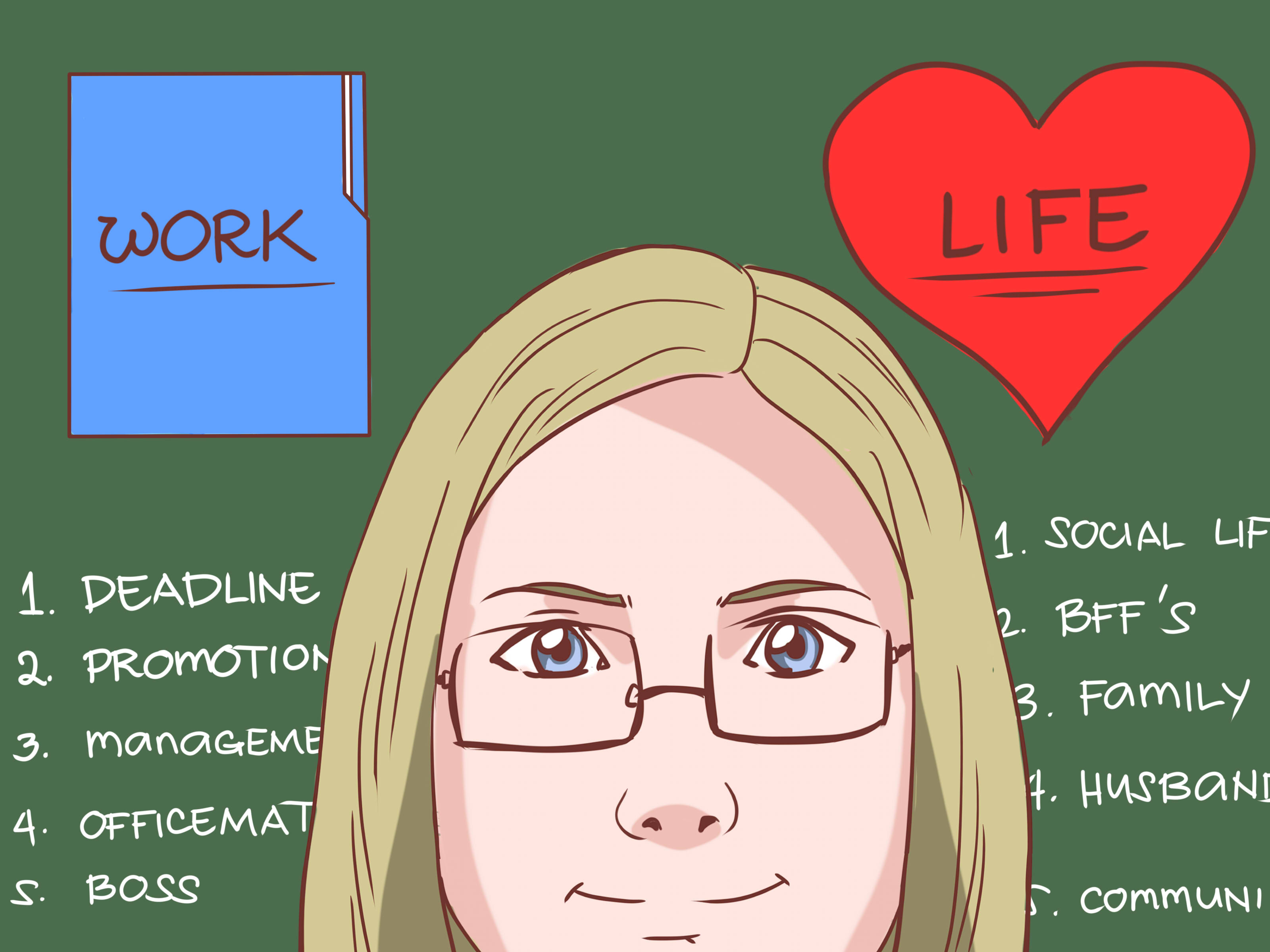
Being upset is a little like having too many browser tabs open in your brain, except one of them is playing dramatic music and you cannot find which one. Whether you are angry, anxious, disappointed, embarrassed, overwhelmed, or just emotionally fried, your body can react as if an emergency alarm has been pulled. Your heart may race, your muscles may tighten, your thoughts may sprint ahead, and suddenly a small problem feels like a full-season TV finale.
The good news is that learning how to calm down when you’re upset is not about pretending everything is fine. It is about helping your nervous system settle enough so you can think clearly, speak wisely, and avoid sending a text message that future-you will read with one eye closed. Calming down is a skill, not a personality trait. Some people learn it early, some learn it after one too many awkward apologies, but everyone can practice it.
This guide explains practical, research-informed ways to cool down emotionally, from deep breathing and grounding techniques to journaling, movement, self-talk, and problem-solving. Think of it as an emotional first-aid kit: simple tools, easy instructions, and no need to wear a white coat.
Why It Feels So Hard to Calm Down
When you are upset, your body may shift into a stress response, often called “fight, flight, or freeze.” This response is useful when there is real danger, but it can also show up during arguments, school stress, work pressure, family conflict, social rejection, embarrassing moments, or bad news. Your brain is trying to protect you, but sometimes it brings a fire truck to a toaster situation.
During emotional stress, breathing can become shallow, muscles tense, and thoughts become more extreme. That is why people often say things like “I can’t think straight” when upset. They are not being dramatic; the body is genuinely in a high-alert state. The goal is not to defeat your emotions. The goal is to signal safety to your body so your brain can come back online.
Step One: Pause Before You React
The first move is simple but powerful: pause. Do not argue, post, reply, quit, accuse, or make a huge decision while your emotions are driving the bus. A pause creates space between the feeling and the action.
Try the 10-Second Reset
Take one slow breath. Relax your shoulders. Unclench your jaw. Put both feet on the floor. Say to yourself, “I am upset, but I do not have to react immediately.” This tiny sentence can stop the emotional snowball from turning into a full avalanche.
If you are in a conversation that is heating up, use a calm phrase such as, “I need a minute before I respond,” or “I want to talk about this, but I need to cool down first.” This is not weakness. It is emotional seatbelt behavior.
Use Deep Breathing to Calm Your Body
Deep breathing is one of the fastest ways to tell your body that it is safe. When you breathe slowly and intentionally, you can reduce physical tension and shift away from the stress response. You do not need incense, a mountain view, or a yoga mat. You just need lungs and a few seconds.
Box Breathing
Box breathing is easy to remember because it has four equal parts:
- Inhale slowly for four counts.
- Hold gently for four counts.
- Exhale slowly for four counts.
- Pause gently for four counts.
Repeat the cycle three to five times. If four counts feels uncomfortable, use three. The point is not to win a breathing contest. The point is to slow the rhythm of your body.
The Longer Exhale Method
Another simple method is to make your exhale longer than your inhale. Breathe in for four counts and breathe out for six counts. Longer exhales can help the body relax. Imagine you are slowly fogging up a mirror, not blowing out birthday candles like you are trying to launch the cake into space.
Ground Yourself in the Present Moment
When you are upset, your mind may jump into replay mode or disaster mode. Grounding techniques bring your attention back to the present, where you have more control. They are especially helpful when you feel overwhelmed, panicky, angry, or emotionally scattered.
The 5-4-3-2-1 Technique
Look around and name:
- 5 things you can see
- 4 things you can feel
- 3 things you can hear
- 2 things you can smell
- 1 thing you can taste
This technique works because it gives your brain a job that is concrete, calm, and present-focused. Instead of spiraling through “What if?” thoughts, your attention returns to the room you are actually in.
Use Temperature as a Reset
Try holding a cool glass of water, splashing your face with cool water, or stepping outside for fresh air. A small physical sensation can interrupt racing thoughts and help you feel more grounded. Keep it gentle and safe; the goal is calm, not shock.
Name the Feeling Without Judging It
One underrated way to calm down is to name what you feel. Instead of saying, “I’m losing it,” try something more specific: “I feel embarrassed,” “I feel rejected,” “I feel frustrated,” or “I feel overwhelmed.” Naming the emotion gives it shape. A shaped emotion is easier to handle than a mystery emotional soup.
You can also rate the feeling from 1 to 10. For example, “My anger is at an 8 right now.” This helps you observe the emotion instead of becoming the emotion. You are not anger. You are a person experiencing anger. Big difference.
Move Your Body to Burn Off Stress Energy
Upset feelings often come with physical energy. Your body may want to pace, shake, argue, cry, or escape. Safe movement can help release some of that stress energy without making the situation worse.
Try a Short Movement Break
Walk around the block, stretch your arms, do a few slow squats, clean your desk, or take the stairs. Even a five-minute walk can help your thoughts loosen up. If you cannot leave the room, try pressing your feet into the floor and slowly relaxing your legs, hands, shoulders, and face.
Movement is not about ignoring the problem. It is about getting your nervous system out of emergency mode so you can deal with the problem better.
Write It Down Before You Say It Out Loud
Journaling is useful because it gives your emotions a place to land. You do not have to write a beautiful diary entry with perfect handwriting and poetic insights. A messy note works. A phone note works. A napkin works, although your future biographer may prefer paper.
Use Three Simple Prompts
- What happened?
- What am I feeling?
- What do I need right now?
For example: “My friend canceled plans. I feel disappointed and unimportant. I need reassurance, but I also need to avoid assuming the worst.” This kind of writing helps separate facts from interpretations. The fact may be “They canceled.” The interpretation may be “They do not care about me.” Those are not the same thing.
Challenge the Thought Spiral
When you are upset, your brain may become a dramatic screenwriter. It turns one awkward moment into “Everyone hates me,” one mistake into “I always ruin everything,” or one disagreement into “This relationship is doomed.” These thoughts feel true because emotions are loud, but loud is not the same as accurate.
Ask Better Questions
Try asking:
- What are the facts?
- What am I assuming?
- Is there another possible explanation?
- What would I tell a friend in this situation?
- Will this matter in a week, a month, or a year?
This does not mean you talk yourself out of valid feelings. It means you stop one bad moment from becoming a fake documentary titled “My Entire Life Is Falling Apart.”
Talk to Someone Who Helps You Feel Steady
Sometimes calming down works better with another person. A trusted friend, parent, teacher, counselor, sibling, mentor, or partner can help you slow down and see the situation more clearly. Choose someone who listens well, not someone who adds gasoline to the emotional barbecue.
A helpful person does not always need to give advice. Sometimes you can say, “I do not need solutions yet. I just need to say this out loud.” That one sentence can prevent many well-meaning but poorly timed lectures.
Use Self-Compassion Instead of Self-Criticism
Many people get upset, then get upset about being upset. They think, “Why am I like this?” or “I should be over it.” That usually makes everything heavier. Self-compassion is not making excuses. It is treating yourself like a human being instead of a broken appliance.
Try a Calming Self-Talk Script
Say: “This is a hard moment. My feelings make sense, even if I do not want to act on them. I can slow down. I can handle the next five minutes.”
Notice the focus: not the next five years, not your entire identity, not the meaning of life. Just the next five minutes. Calm often returns in small pieces.
Step Away From Social Media for a While
When you are upset, social media can be a terrible emotional snack. You may compare your life to everyone else’s highlight reel, reread messages, check who viewed what, or post something spicy enough to require cleanup later. If your mood is already wobbling, endless scrolling can make it wobblier.
Take a short break. Put the phone across the room. Turn on “Do Not Disturb.” Drink water. Look out a window. The internet will still be there when you return, probably arguing about something new and unnecessary.
Solve the Problem After Your Body Calms Down
Calming down is not the same as giving up. Once your body settles, you can decide what needs to happen next. Maybe you need to apologize. Maybe you need to set a boundary. Maybe you need to ask for clarification. Maybe you need to rest before doing anything.
Use the “Next Right Step” Method
Ask yourself, “What is one helpful thing I can do next?” Not ten things. Not the perfect thing. One helpful thing. That might be sending a respectful message, making a list, taking a shower, finishing homework, scheduling a conversation, or going to bed instead of arguing at midnight. Very few wise decisions are born at 12:47 a.m. under blue light.
Build a Personal Calm-Down Plan
The best time to make a calm-down plan is before you need it. When you are already upset, your brain may not be in the mood to create a wellness strategy. It is more likely to yell, “Panic first, ask questions later.”
Your Calm-Down Menu
Create a short list of tools that work for you. For example:
- Three rounds of box breathing
- A five-minute walk
- A glass of water
- Writing one paragraph about what happened
- Texting a trusted person: “Can I vent for five minutes?”
- Listening to one calming song
- Taking a break from the conversation
Keep the list somewhere easy to find. When emotions rise, follow the list like a recipe. No need to invent soup during a thunderstorm.
When to Get Extra Support
Everyone gets upset sometimes. But if your emotions often feel too big to manage, interfere with school, work, sleep, relationships, or daily life, it may help to talk with a mental-health professional. Support is not only for emergencies. It is also for learning skills, understanding patterns, and having a steady place to sort things out.
If you feel unsafe, fear you may hurt yourself or someone else, or cannot calm down with usual strategies, reach out immediately to a trusted adult, local emergency service, crisis line, school counselor, or healthcare professional. You deserve support in the moment, not after you have “handled it perfectly.” Nobody handles everything perfectly. That is why support exists.
Everyday Examples: How to Calm Down in Real Life
When You Are Upset After an Argument
Take a pause before trying to prove your point. Use a sentence like, “I want to continue this, but I need ten minutes.” During the break, breathe slowly, write down what you actually want to say, and look for the main issue beneath the anger. Often, anger is guarding something softer, such as hurt, fear, embarrassment, or disappointment.
When You Are Upset at School or Work
Use a discreet grounding technique. Press your feet into the floor, relax your shoulders, and name five things you see. Take slow breaths while looking at a neutral object, such as a pen or notebook. If possible, step into a hallway or restroom for a short reset. You do not need a dramatic exit. A quiet reset counts.
When You Are Upset Before Bed
Nighttime emotions can feel extra intense because you are tired and there are fewer distractions. Write tomorrow’s worry list, then write one small action you can take. Keep the lights low, avoid emotional scrolling, and use slow breathing. If your brain tries to host a late-night debate, remind it that the meeting has been rescheduled for daylight.
Experiences Related to Calming Down When You Are Upset
One of the most common experiences people have when they are upset is the sudden urge to do something immediately. Send the message. Slam the door. Explain everything in a 900-word paragraph. Rewrite history. Become a lawyer in the courtroom of their own mind. In the moment, action feels like relief. But often, the first action is not the best action. Many people learn, sometimes the awkward way, that calming down first saves them from repairing damage later.
Imagine someone receives a short reply from a friend: “k.” That tiny letter can suddenly become emotionally suspicious. Does it mean anger? Boredom? Secret betrayal? Did the friendship just collapse inside one lowercase consonant? A calmer mind might realize the friend was busy, tired, or simply allergic to punctuation. But an upset mind may build a whole theory before checking the facts. In that situation, the best experience-based advice is to pause, breathe, and ask a simple question later: “Hey, are we good?” Calm curiosity usually works better than emotional detective work.
Another familiar experience is being upset after criticism. Even helpful feedback can sting. A teacher marks up an essay, a boss corrects a project, a parent points out a mistake, or a friend says something honest but uncomfortable. The first reaction may be defensiveness: “They are wrong,” “They do not understand,” or “I am terrible at everything.” A useful calm-down practice is to separate the message from the emotional sting. You might say, “This feels bad, but there may be something useful here.” After a short walk or a few minutes of breathing, feedback often looks less like an attack and more like information.
Family conflict is another place where calm-down skills matter. Families have a special talent for pressing buttons they installed themselves. A small comment at dinner can bring back old frustrations faster than a microwave burrito. In those moments, leaving the room respectfully can be healthier than trying to win the argument. A phrase like, “I am getting too upset to talk well, so I am going to take a break,” can prevent a conversation from becoming a greatest-hits album of every past disagreement.
There is also the experience of being upset with yourself. Maybe you procrastinated, forgot something important, reacted badly, or made a mistake. Self-blame can feel productive, but it usually drains energy without creating a plan. A calmer approach is to ask, “What happened, what can I repair, and what can I learn?” This turns shame into responsibility. Responsibility can move. Shame usually just sits there wearing heavy boots.
Over time, people who practice calming down often notice a pattern: the feeling still arrives, but it does not take over as completely. They still get angry, sad, nervous, or embarrassed, because they are human and not decorative houseplants. But they recover faster. They apologize sooner. They choose better words. They recognize early warning signs, such as tight shoulders, fast breathing, or racing thoughts. That awareness is progress. The goal is not to become calm every second of life. The goal is to return to calm more skillfully when life knocks your emotional coffee off the table.
Conclusion: Calm Is a Skill You Can Practice
Learning how to calm down when you’re upset does not mean becoming emotionless. It means respecting your emotions without letting them run the entire meeting. Upset feelings are normal, but they do not have to control your words, choices, or relationships.
Start with the basics: pause, breathe, ground yourself, name the feeling, move your body, write things down, challenge extreme thoughts, and reach out for support when needed. Some techniques will work better for you than others. That is normal. Build your own calm-down menu and practice it during small stressful moments so it is easier to use during bigger ones.
Calm is not always instant. Sometimes it arrives slowly, one breath at a time. But every time you pause instead of explode, breathe instead of spiral, or choose a helpful next step instead of a harmful reaction, you are training your mind and body to recover. That is real strength, even if it does not come with dramatic background music.