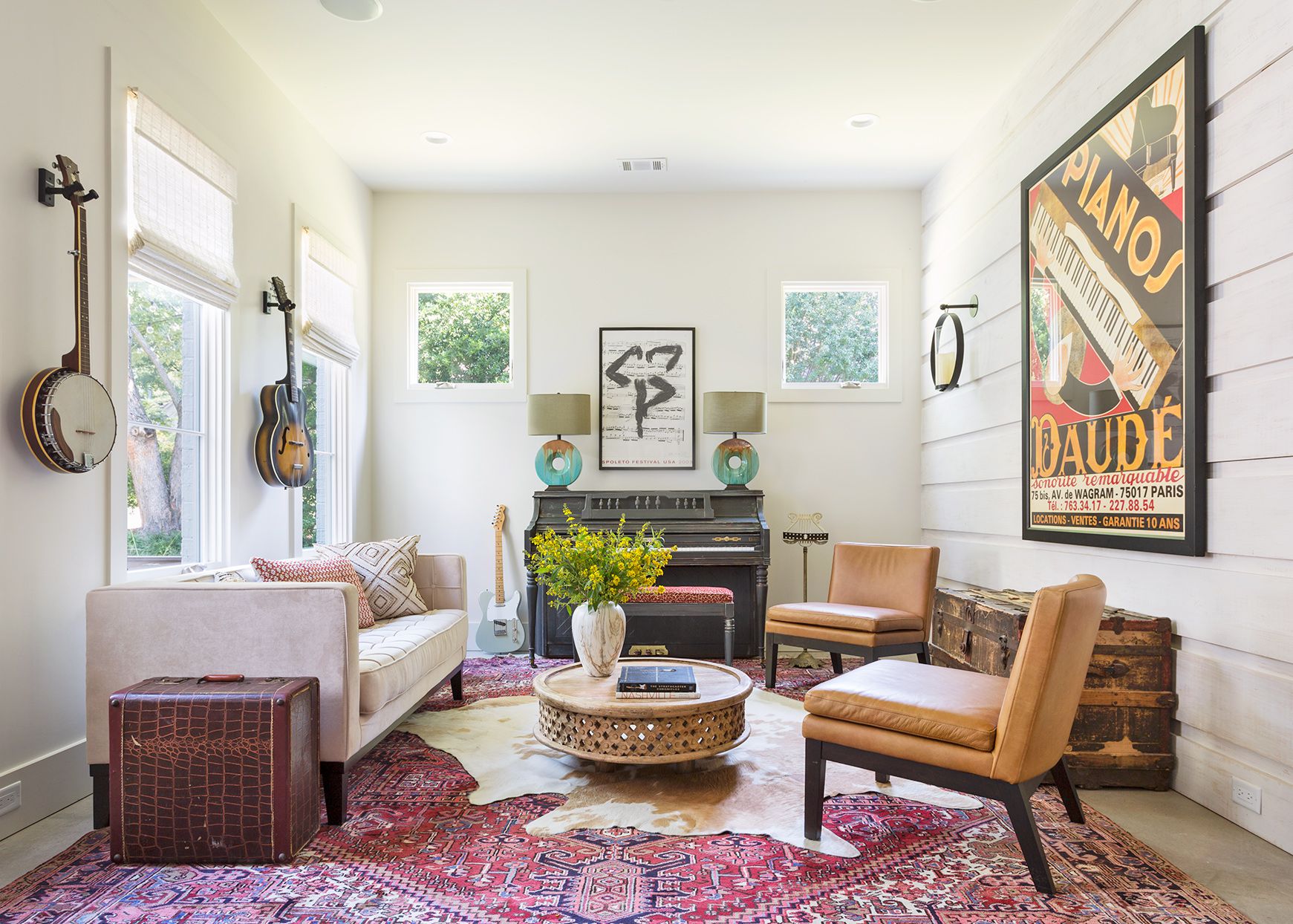
Vintage decor has a special talent: it can make a room feel like it has lived a little, traveled a little, and possibly knows a few excellent stories it refuses to tell until after dessert. In a world full of flat-packed furniture, duplicate living rooms, and “modern neutral” spaces that sometimes look like nobody is allowed to sit down, vintage pieces bring warmth, character, and a welcome sense of surprise.
The best part? You do not need to turn your home into a museum, a dusty antique booth, or your great-aunt’s formal parlor where every chair looks beautiful but feels like punishment. Adding vintage decor to your interior style is about balance. It is the art of mixing old and new, refined and relaxed, charming and practical. A single weathered mirror, a pair of brass candlesticks, a mid-century chair, or a hand-painted ceramic bowl can instantly make a space feel more personal.
Whether your home leans modern, farmhouse, coastal, eclectic, traditional, cottagecore, or “I bought one nice sofa and now I’m trying my best,” vintage decor can work beautifully. The secret is to choose pieces that speak to your style, repeat colors and materials intentionally, and avoid collecting everything that looks old simply because it looks old. Not every chipped plate is a treasure. Some are just chipped plates with confidence.
Below are 10 smart, stylish, and realistic ways to add vintage decor to your interior style without overwhelming your home.
1. Start Small With Vintage Accessories
If you are new to vintage decorating, begin with accessories. They are affordable, easy to move around, and far less intimidating than dragging home a 300-pound antique armoire that requires three friends, one truck, and a mild identity crisis.
Vintage accessories can include brass trays, ceramic vases, old books, carved boxes, framed prints, glass bowls, candlesticks, clocks, woven baskets, and decorative plates. These pieces bring instant personality to shelves, coffee tables, mantels, nightstands, and entryway consoles.
How to Style Vintage Accessories
Group objects in odd numbers, mix heights, and vary textures. For example, place a stack of vintage books beside a small pottery vase and a brass candleholder. On a coffee table, try an antique tray with a small plant, a decorative match striker, and a ceramic dish for remotes. The goal is to make the arrangement look collected, not cluttered.
One useful rule: if a surface looks like a flea market exploded on it, remove one-third of the items. Vintage decor works best when each piece has breathing room.
2. Mix Vintage Furniture With Modern Pieces
The most stylish rooms often have tension: smooth next to textured, sleek next to ornate, new next to old. A modern sofa can look more inviting when paired with a vintage wooden coffee table. A clean-lined dining table can feel warmer with antique chairs. A contemporary bedroom can gain depth from a vintage dresser or carved bedside table.
Mixing eras keeps a room from feeling like a time capsule. If every piece comes from the same decade, your home may look less “curated interior” and more “accidental movie set.” Instead, combine vintage furniture with current upholstery, simple lighting, fresh rugs, and updated wall colors.
Examples That Work
Try a mid-century credenza beneath a wall-mounted television, a vintage secretary desk in a modern home office, or an antique side table next to a streamlined sofa. The contrast makes both pieces stronger. The modern item keeps the room fresh, while the vintage piece adds soul.
When shopping, check quality. Solid wood, dovetail joints, sturdy frames, and original hardware are good signs. Wobbly legs, strong odors, and mystery stains deserve a respectful goodbye.
3. Use Vintage Art to Add Personality
Vintage art is one of the easiest ways to make your home feel unique. Instead of buying the same mass-produced print everyone else has, look for old landscapes, portraits, botanical sketches, travel posters, textile art, needlepoint, black-and-white photography, or vintage-style maps.
Art does not have to be expensive to be meaningful. A small oil painting from a thrift shop, a framed postcard from a trip, or a faded floral print can add charm to a hallway, kitchen, bathroom, or reading nook.
Create a Collected Gallery Wall
A gallery wall is a perfect place to combine vintage and modern pieces. Mix old frames with simple new ones, pair paintings with photographs, and include unexpected objects like small mirrors, plates, or textile fragments. Keep one element consistentsuch as frame color, subject matter, or spacingso the arrangement feels intentional.
For a softer look, choose art with muted colors and aged paper tones. For a bolder interior, use vintage posters or oversized portraits as statement pieces. Bonus points if the portrait looks like it silently judges your online shopping habits.
4. Bring in Patina Through Wood, Metal, and Stone
Patina is the beautiful surface character that develops over time. It shows up in worn wood, aged brass, oxidized copper, softened leather, marble with gentle marks, and stone with subtle imperfections. In vintage decor, patina is not damageit is personality.
Rooms filled only with brand-new finishes can sometimes feel flat. A weathered wood bench, an antique marble-topped table, or a brass lamp with a warm aged finish adds depth and softness. These materials create the feeling that a space has evolved over time instead of being ordered in one afternoon.
How to Use Patina Without Looking Messy
Balance aged surfaces with cleaner elements. For example, place a distressed wooden cabinet against freshly painted walls. Pair an antique brass mirror with crisp white bedding. Set vintage stoneware on modern open shelving. The contrast keeps patina looking elegant rather than neglected.
Also, know the difference between charming wear and actual problems. A few scratches on a wood table can be lovely. A drawer that will not open, a chair that creaks like a haunted staircase, or a lamp with unsafe wiring needs repair before it becomes part of your home.
5. Add Vintage Lighting for Instant Atmosphere
Lighting can change the entire mood of a room, and vintage lighting brings character that many new fixtures try very hard to imitate. Think milk-glass pendants, brass sconces, ceramic table lamps, crystal chandeliers, pleated lampshades, industrial task lamps, or mid-century floor lamps.
A vintage lamp on a console table can make an entry feel warmer. An antique chandelier can add drama to a dining room. A pair of vintage sconces can make a bedroom feel layered and thoughtful.
Safety Comes First
Before using vintage lighting, have the wiring checked by a professional, especially if the fixture is old, imported, or visibly worn. Beautiful lighting is wonderful. Sparks are not a design feature.
For an easy update, pair vintage lamp bases with new shades. A fresh linen, pleated, or tapered shade can make an older lamp feel current while preserving its charm. This is a simple way to bridge decades without making the room feel overly themed.
6. Decorate With Vintage Textiles
Textiles are a cozy and flexible way to introduce vintage style. Consider antique quilts, embroidered pillows, Turkish rugs, vintage linen tablecloths, lace curtains, woven throws, grain-sack cushions, or old fabric repurposed into pillow covers.
Vintage textiles soften hard furniture and add pattern, color, and texture. They are especially helpful in modern interiors that need warmth. A faded rug can ground a living room. A handmade quilt can make a bedroom feel personal. A vintage table runner can make a dining table look styled even when dinner is takeout in disguise.
Keep It Fresh
To avoid a dated look, combine vintage textiles with simple modern pieces. For example, use an antique rug under a contemporary dining table, place embroidered pillows on a clean-lined sofa, or hang vintage curtains in a room with minimal furniture.
Check condition carefully before buying. Look for stains, odors, brittle fabric, and excessive fading. Some wear adds charm, but fabric that smells like a damp basement may require more commitment than the average household is prepared to give.
7. Style Shelves With a Vintage-Meets-Modern Mix
Shelves are one of the best places to practice vintage decorating because they let you experiment without committing to a full-room makeover. Built-ins, bookcases, kitchen shelves, bathroom ledges, and open cabinets can all benefit from vintage pieces.
Start with practical items such as books, baskets, bowls, or storage boxes. Then add decorative objects like pottery, small artwork, framed photos, clocks, and sculptural pieces. Mix old and new so the shelf feels layered instead of staged.
A Simple Shelf Formula
Use this easy combination: books plus art plus vessel plus texture. For example, stack three vintage books, lean a small framed landscape behind them, add a ceramic vase, and place a woven basket on the shelf below. Repeat materials or colors throughout the shelves to create visual harmony.
Leave some empty space. Negative space is not wasted space; it is what keeps your shelves from looking like they are preparing for a garage sale.
8. Use Vintage Mirrors to Brighten and Expand a Room
Vintage mirrors are design multitaskers. They reflect light, make rooms feel larger, add architectural detail, and bring a sense of history. A gilded mirror can make a simple powder room feel special. A foxed mirror can add mood to a hallway. A carved wood mirror can warm up a bedroom or entryway.
Mirrors are especially useful in small spaces because they create depth without adding visual heaviness. Place one across from a window to reflect natural light, above a mantel for a classic focal point, or behind a lamp to amplify glow in the evening.
Choosing the Right Mirror
Match the mirror’s mood to the room. Ornate gold frames work well in traditional, eclectic, and romantic interiors. Simple wood frames suit farmhouse, rustic, and Scandinavian-inspired spaces. Sleek mid-century mirrors pair nicely with modern and transitional rooms.
Do not worry if the glass has a little age. Slight spotting or foxing can be beautiful. However, avoid mirrors that are cracked, unstable, or too cloudy to function unless you are using them purely as decorative objects.
9. Give the Kitchen a Vintage Touch
The kitchen is a wonderful place for vintage decor because it naturally welcomes useful objects. Instead of filling counters with purely decorative pieces, look for vintage items that can earn their keep: stoneware crocks, wooden cutting boards, enamelware, glass canisters, copper pots, cake stands, serving trays, mixing bowls, or framed recipe cards.
These pieces make a kitchen feel warm and lived-in without sacrificing function. A vintage crock can hold utensils. A cake stand can display fruit. Glass jars can store dry goods. Old cutting boards can lean against the backsplash for texture.
Make Everyday Items Beautiful
One of the best vintage decorating ideas is to turn storage into display. Open shelving with old ironstone, colorful glassware, or hand-thrown pottery can look beautiful and still be practical. A vintage tray near the coffee maker can hold mugs, sugar, and spoons. Suddenly, your caffeine station looks charming instead of desperate.
Keep food safety in mind. Avoid using old ceramics, painted pieces, or metal containers for food unless you know they are safe. When in doubt, use vintage kitchenware for display or wrapped items rather than direct food contact.
10. Let One Statement Piece Lead the Room
Sometimes the most effective way to use vintage decor is to choose one strong statement piece and let it lead. This could be an antique dining table, a carved headboard, a vintage leather sofa, a marble-topped console, a dramatic chandelier, or a large-scale painting.
A statement piece gives the room a point of view. It also prevents the space from feeling scattered. Once you choose your hero item, build around it with colors, materials, and shapes that support it.
Design Around the Star
If you have a vintage wooden dining table, pair it with simpler chairs and modern lighting. If you find a bold antique rug, keep larger furniture pieces more neutral. If your vintage sofa has a strong silhouette, balance it with clean-lined tables and updated pillows.
The goal is not to make every object compete for attention. A room with ten statement pieces is not a room; it is a debate club with upholstery.
How to Keep Vintage Decor From Looking Dated
Vintage style should feel collected, not frozen in time. To keep your interior fresh, edit carefully and use contrast. Pair old items with clean walls, modern lighting, current fabrics, or simple silhouettes. Repeat colors so the room feels cohesive. If your vintage pieces are mostly warm wood and brass, echo those tones in picture frames, lamp bases, or cabinet hardware.
Avoid over-theming. You do not need every object in a room to come from the same decade. In fact, mixing periods usually looks more natural. A 1940s sideboard, a 1970s lamp, and a contemporary sofa can work beautifully together if the colors, scale, and materials are balanced.
Also, be practical. Vintage decor should improve your life, not turn your home into an obstacle course. Chairs should be comfortable, tables should be stable, and storage pieces should actually store things. Charm is important, but so is being able to open a drawer without whispering a prayer.
Where to Find Vintage Decor
Great vintage decor can come from many places: estate sales, flea markets, antique malls, thrift stores, Facebook Marketplace, local auctions, architectural salvage shops, family attics, and neighborhood yard sales. Each source has its own personality. Estate sales are great for furniture and full sets. Flea markets are ideal for accessories and art. Salvage shops are perfect for doors, mirrors, hardware, mantels, and lighting.
Before shopping, measure your space and keep a list of what you actually need. It is very easy to walk into a vintage shop looking for a lamp and leave with six plates, a painting of a mysterious man, and no lamp. Vintage shopping rewards curiosity, but your floor plan still deserves respect.
Experience Section: Real-Life Lessons From Decorating With Vintage Pieces
Adding vintage decor to your interior style is not just about buying old things. It is about learning how your home wants to feel. The most successful vintage-inspired rooms usually develop slowly. You find one piece, live with it, move it three times, question everything, and then suddenly realize it belongs perfectly in a corner you never noticed before.
One of the biggest lessons is that patience matters. New furniture can be ordered in a few clicks, but great vintage pieces often require searching. You may visit five thrift stores and find nothing except a chipped mug and a lamp shaped like a goose. Then, on a random Saturday, you discover the perfect oak side table for less than the cost of dinner. That is the thrill of the hunt. Vintage decorating is part design, part treasure search, and part cardio if the flea market parking lot is large enough.
Another lesson is that imperfection can be beautiful, but only when it fits your lifestyle. A scratched farmhouse table may be perfect for a busy family because new marks blend right in. A delicate antique chair, however, may not be ideal in a house with pets, kids, or guests who sit down with the force of a falling piano. Before buying, think about how the piece will be used. A vintage item should support daily life, not make everyone nervous.
Scale is another common surprise. Vintage furniture can be smaller or larger than modern pieces depending on the era. A beautiful dresser might be too narrow for a large bedroom wall, while an antique dining cabinet might overpower a small apartment. Measuring is not glamorous, but it saves money, time, and the emotional drama of realizing your dream cabinet blocks a doorway.
Color also plays a major role. Many vintage pieces have warm undertones: aged wood, brass, cream, amber glass, rust, olive, burgundy, or dusty blue. These colors can make a room feel cozy, but they need balance. If everything is brown, the space may feel heavy. Add white walls, linen upholstery, green plants, black accents, or fresh artwork to lift the room.
The most personal vintage decor often comes with a story. Maybe it is your grandmother’s serving bowl, a framed map from your hometown, a chair found on a road trip, or a mirror you rescued from a dusty corner of an antique mall. These pieces become conversation starters because they are not generic. They remind you of people, places, and moments. That emotional connection is what makes vintage decorating powerful.
Finally, experience teaches that editing is everything. It is tempting to keep collecting once you start, because every vintage object seems to whisper, “I’m unique!” And maybe it is. But uniqueness alone is not a decorating plan. The best rooms include space, rhythm, and restraint. Let your favorite pieces shine. Rotate smaller items seasonally. Donate or resell what no longer fits. Vintage decor should make your home feel more like you, not like a storage unit with excellent taste.
Conclusion
Vintage decor brings warmth, history, craftsmanship, and individuality to interiors of every style. Whether you start with small accessories, add antique lighting, display vintage art, layer textiles, or invest in one unforgettable statement piece, the key is balance. Mix old with new. Let patina contrast with clean finishes. Choose pieces that feel meaningful, useful, and beautiful.
You do not need a mansion, a professional designer, or a secret antique dealer named Bernard to make vintage decor work. You only need curiosity, patience, and a willingness to let your home evolve. The result is an interior that feels layered, personal, and refreshingly humanthe kind of space that looks good, lives well, and has far more personality than anything bought in a matching set.
Note: This article is original, publication-ready content written in standard American English and synthesized from real interior design principles, vintage decorating practices, and current home styling guidance. Source links and citation artifacts have been intentionally omitted from the article body for clean web publishing.