Chiggers may be tiny, but their bite-to-body-size ratio is outrageously rude. These nearly microscopic mite larvae hang out in grassy, brushy, humid areas and wait for a warm-blooded passerby to become their next snack stop. The good news? You do not need to surrender your garden, hiking trail, picnic blanket, or backyard barbecue to the red-bug army.
Learning how to avoid chigger bites is mostly about smart preparation: dress defensively, use the right insect repellent, avoid high-risk habitat, clean up after outdoor time, and make your yard less inviting. Chiggers do not burrow into your skin or drink blood, despite the creepy folklore. They attach to the skin, inject digestive enzymes, and leave behind intensely itchy red bumps that often show up around ankles, sock lines, waistbands, behind knees, and other snug clothing areas. Translation: the bite is annoying, but prevention is very doable.
Below are 10 practical steps to prevent chigger bites before they turn your peaceful outdoor adventure into an itch festival.
1. Know Where Chiggers Like to Hide
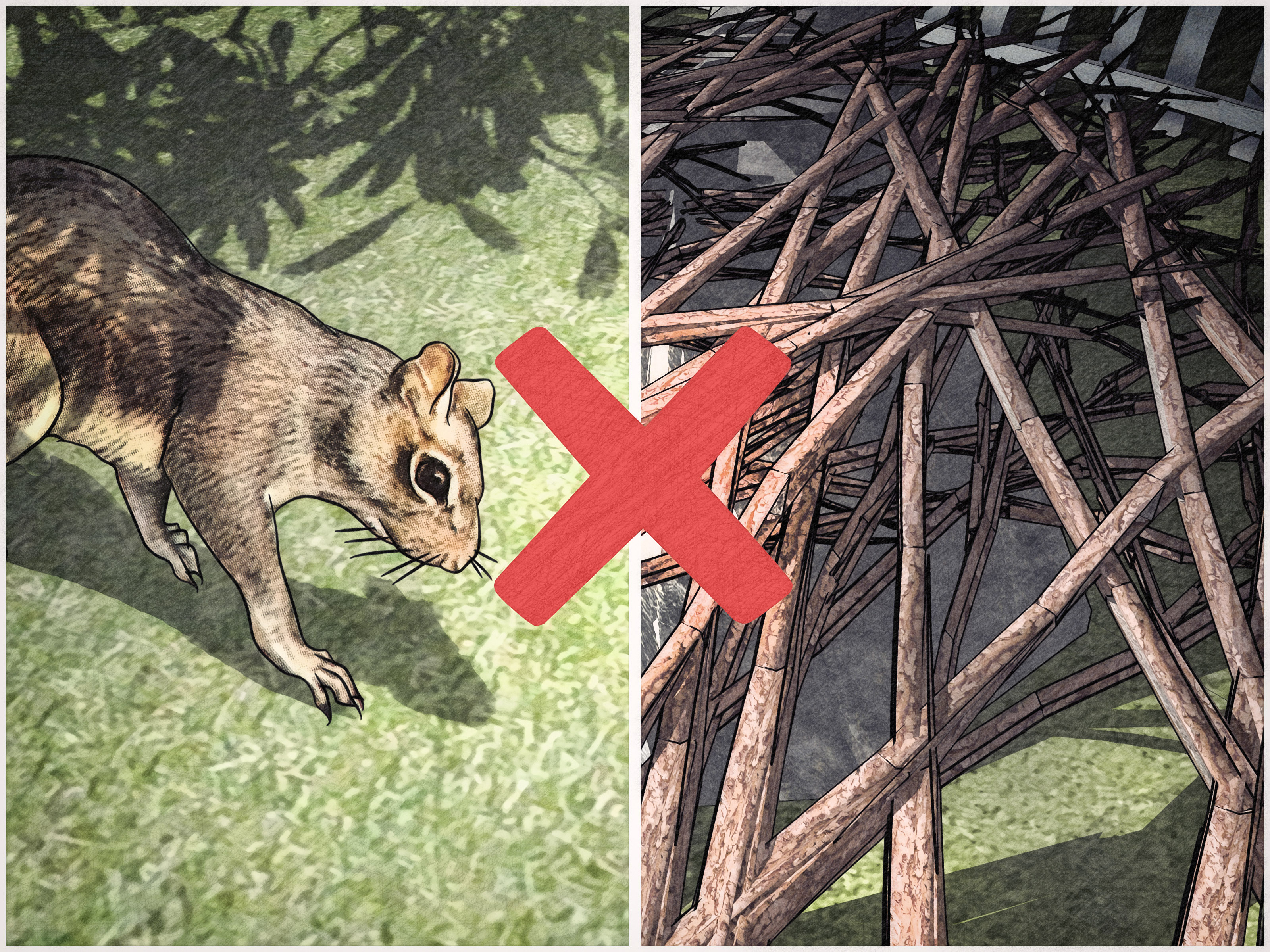
The first step in chigger bite prevention is knowing where these tiny troublemakers live. Chiggers thrive in warm, humid, overgrown environments. Think tall grass, weeds, brush piles, woodland edges, berry patches, unmowed lawns, damp soil, and shady areas where vegetation stays thick.
They are most active from late spring through early fall in many parts of the United States, although warm southern areas may see activity for longer periods. Chiggers often climb onto grass blades or low vegetation and wait for a host to brush past. They are not launching themselves across the yard like tiny superheroes; they rely on contact.
Before sitting, kneeling, or walking through a green patch, ask yourself: “Would a tiny mite with no manners enjoy living here?” If the answer is yes, take precautions.
2. Wear Long Pants and Long Sleeves
Clothing is your first line of defense. When you are hiking, gardening, camping, fishing, hunting, or walking through tall grass, wear long pants, a long-sleeved shirt, socks, and closed-toe shoes. Lightweight, tightly woven fabrics are especially helpful because they make it harder for chiggers to reach your skin.
Loose-fitting clothes can also reduce tight contact points where chiggers tend to feed. However, do not confuse “loose” with “wide-open invitation.” The goal is coverage without leaving easy entry points.
Light-colored clothing is useful because it makes it easier to spot ticks, mites, and other crawling pests. Chiggers are extremely small, so you may not always see them, but light clothing still helps with general outdoor pest checks.
3. Tuck Pants Into Socks or Boots
Yes, tucking your pants into your socks may not win a runway award. But neither does scratching your ankles at 2 a.m. like a raccoon with unfinished business. Tucking pant legs into socks or boots creates a physical barrier that helps keep chiggers from crawling up your legs.
Pay special attention to openings around ankles, cuffs, waistbands, collars, and sleeves. These are common access points. If you are working in a heavily infested area, you can also use tape or snug cuffs around pant legs. It may look dramatic, but outdoor pests do not care about fashion. They care about access.
For kids, this step matters even more because children often sit, roll, kneel, and explore close to the ground. Dress them in covered clothing before they head into grassy or brushy areas.
4. Use an EPA-Registered Insect Repellent
For exposed skin, use an EPA-registered insect repellent and follow the label carefully. Effective active ingredients commonly include DEET, picaridin, IR3535, oil of lemon eucalyptus, PMD, and 2-undecanone. For chiggers specifically, DEET and picaridin are widely recommended options.
Apply repellent to exposed skin, especially ankles, lower legs, wrists, waist area, and other places where clothing meets skin. Do not apply repellent under clothing, over cuts, or near eyes and mouth. More product does not mean more protection; it just means you are marinating yourself unnecessarily.
If you are also using sunscreen, apply sunscreen first and insect repellent afterward. For children, adults should apply repellent to their own hands first and then gently spread it on the child’s face, avoiding hands, eyes, mouth, cuts, and irritated skin. Products containing oil of lemon eucalyptus or PMD should not be used on children under age 3 unless the product label specifically allows it.
5. Treat Clothing and Gear With Permethrin
Permethrin is an insecticide used on clothing and gear, not directly on skin. It can help repel or kill chiggers, ticks, mosquitoes, and other outdoor pests that come into contact with treated fabric. You can buy pre-treated clothing or use a 0.5% permethrin product made for treating boots, socks, pants, shirts, tents, and camping gear.
Always treat items outdoors or in a well-ventilated area, follow the product label, and let clothing dry completely before wearing it. Never spray permethrin directly onto your body. That is not “extra protection”; that is ignoring the instructions, and the label is not just decorative paperwork.
For high-risk activities such as hiking through brush, camping in humid areas, clearing weeds, or hunting, combining permethrin-treated clothing with skin-applied repellent can provide stronger protection than either method alone.
6. Stay on Clear Paths and Avoid Tall Grass
When walking outdoors, stay in the center of trails and avoid brushing against tall grass, weeds, and low shrubs. Chiggers are usually found close to the ground, especially in areas with thick vegetation and moist soil. The less contact you have with their habitat, the lower your risk of bites.
During hikes, avoid sitting directly on logs, grassy banks, leaf litter, or the edge of trails. If you need a break, use a chair, ground cloth, or blanket that has been kept off infested vegetation. Afterward, shake it out thoroughly and wash it if exposure was likely.
In the backyard, be cautious around fence lines, unmowed corners, wood piles, dense shrubs, and shady spots where grass stays damp. These are classic chigger hangouts.
7. Do Not Sit or Lie Directly on the Ground
Picnics, outdoor concerts, fishing breaks, and lazy afternoons under a tree are wonderfuluntil your skin files a complaint the next day. Sitting or lying directly on grass or soil makes it much easier for chiggers to crawl onto your clothing and skin.
Use a clean blanket, tarp, camp chair, or thick mat as a barrier. Even better, choose sunny, dry, short-grass areas rather than shady, damp, overgrown spots. Chiggers prefer moist, protected environments, so a dry, open location is usually less inviting.
If you bring blankets, backpacks, jackets, or towels outdoors, avoid leaving them on the ground for long periods. Chiggers can crawl onto objects that touch infested vegetation, then hitch a ride when you pick them up.
8. Shower Soon After Outdoor Exposure
After spending time in possible chigger habitat, take a warm, soapy shower as soon as you can. Use a washcloth and gently scrub areas where chiggers commonly attach: ankles, legs, behind knees, waist, groin, armpits, and under tight clothing lines.
Showering soon after exposure may help remove chiggers before they finish attaching and feeding. It is also a good time to check your skin for ticks, scratches, rashes, or irritated areas. Think of it as your post-adventure reset button.
Do not wait until bedtime if you have been walking through weeds or mowing an overgrown area. The sooner you wash, the better your odds of reducing irritation.
9. Wash Outdoor Clothes in Hot Water
After exposure to chigger habitat, remove your clothes and wash them before wearing them again. Hot water and detergent help remove or kill mites that may be clinging to fabric. Drying clothes thoroughly can add another layer of protection.
Do not toss your outdoor pants onto the bedroom chair and call it “rustic décor.” That is how you accidentally move outdoor pests into indoor spaces. Put exposed clothing directly into the laundry or seal it in a bag until you can wash it.
Shoes, socks, gardening gloves, and hats deserve attention too. Chiggers often start low and crawl upward, so socks and pant cuffs are especially important.
10. Make Your Yard Less Chigger-Friendly
Yard maintenance can greatly reduce chigger habitat. Keep grass mowed, remove unnecessary weeds and brush, trim overgrown shrubs, clear leaf litter, and reduce damp, shaded hiding spots around the home. Focus on places where people and pets actually spend time: play areas, patios, garden paths, fence lines, and seating zones.
Chigger control sprays are sometimes labeled for outdoor use, but they often provide temporary results and should be used only according to the product label. In many cases, habitat management is the smarter first move. A tidy yard is not just prettier; it is less of a five-star mite resort.
If chigger problems are severe, consider contacting a local cooperative extension office or pest management professional for identification and guidance. Correct identification matters because fleas, mosquitoes, ticks, mites, and other pests can cause similar-looking bites.
What If You Still Get Chigger Bites?
Even careful people can get bitten. If chigger bites happen, wash the area with soap and water, avoid scratching, and use cool compresses, calamine lotion, or over-the-counter hydrocortisone cream to calm itching. Oral antihistamines may help some people with intense itch, but follow package directions and ask a healthcare professional if you are unsure.
Skip old myths like painting bites with nail polish, bleach, or harsh chemicals. Chiggers do not burrow into the skin, so there is nothing to “suffocate.” Those remedies can irritate your skin and make a bad situation worse.
Seek medical care if you notice spreading redness, warmth, swelling, pus, fever, severe pain, or signs of infection. Also get help if a child has significant swelling in sensitive areas or if itching is severe enough to disrupt sleep for several nights.
Common Mistakes That Invite Chigger Bites
Wearing Shorts Into Tall Grass
Shorts are comfortable, but in chigger country they are basically a welcome mat. Choose long pants when walking through weeds, fields, or brush.
Forgetting Ankles and Sock Lines
Chiggers often bite where clothing is tight. Apply repellent carefully around shoes, socks, and lower legs, while following the label.
Leaving Clothes Unwashed
Outdoor clothes can carry pests. Wash them after high-risk exposure instead of wearing them again the next day.
Trusting “Natural” Products Without Checking the Label
Some botanical products may smell pleasant but provide shorter or less reliable protection. Choose repellents based on proven active ingredients and labeled use against the pests you want to avoid.
Real-World Experience: What Actually Helps Outdoors
Anyone who spends time gardening, camping, hiking, or wandering into “just a little tall grass” eventually learns that chigger prevention is a routine, not a single magic trick. The most successful approach is boring in the best possible way: dress right, apply repellent correctly, avoid the worst habitat, and clean up when you return home.
For example, imagine a weekend gardener clearing weeds along a shady fence line in June. The area is damp, the grass is high, and the job looks quick. That is exactly when people skip protection. “I’ll only be out there for 10 minutes,” they say, famous last words before the ankle itching begins. A better routine is to put on long pants, tuck them into socks, spray exposed skin with an appropriate repellent, wear gloves, and shower afterward. It adds a few minutes, but it can save several days of scratching.
Campers learn the same lesson. The campsite may look clean, but the edges of trails, lake banks, and brushy shortcuts can be loaded with mites. Sitting on the ground while cooking, changing shoes outside the tent, or tossing damp clothes near the fire ring can increase exposure. A smart camper keeps a dedicated “bug barrier” outfit: treated socks, lightweight pants, a long-sleeved shirt, and shoes that stay outside sleeping areas. After hiking, those clothes go into a bag or straight to the washnot into the sleeping bag like an itchy souvenir.
Parents often discover chiggers after kids play in overgrown yards, fields, or wooded edges. Children naturally sit, crawl, roll, and explore close to the ground. Prevention works best when it is simple: closed shoes, socks, long pants for brushy play, repellent applied by an adult, and a bath after outdoor adventures. Checking waistbands, sock lines, and behind knees can help catch irritation early.
Pet owners should also think about habitat. Chiggers can feed on animals, and pets may wander through the exact brushy areas people avoid. Keeping lawns mowed, trimming vegetation near dog runs, and discouraging pets from sleeping in tall grass can reduce household exposure. Ask a veterinarian before using any repellent or pesticide product on pets; products safe for clothing or yards are not automatically safe for animals.
The biggest experience-based tip is this: do not wait until you “know” an area has chiggers. By the time the bites show up, the mites are usually long gone, and your skin is already auditioning for a drama award. Treat suspicious habitat as risky from the start. If the area is warm, damp, grassy, weedy, and crawling-distance from your ankles, prepare before entering.
Chigger prevention is not about fear of the outdoors. It is about enjoying the outdoors without donating your ankles to microscopic freeloaders. With the right habits, you can garden, hike, camp, picnic, and explore with far fewer itchy regrets.
Conclusion
Avoiding chigger bites comes down to practical, repeatable habits. Know where chiggers live, cover your skin, tuck clothing openings, use an EPA-registered repellent, treat clothing and gear with permethrin when appropriate, stay out of tall grass, avoid sitting directly on the ground, shower after exposure, wash outdoor clothes, and keep your yard trimmed and tidy.
Chiggers may be tiny, but your prevention plan does not have to be. A few smart choices before and after outdoor time can make the difference between a great day outside and a week of wondering why your ankles have declared war.