Note: This article is for general home-improvement and pest-prevention education. Always follow the label on any pesticide product, keep baits and chemicals away from children and pets, and contact a licensed pest management professional for severe, recurring, or structural ant problems.
Introduction: Why Ants Treat Your Kitchen Like a Five-Star Buffet
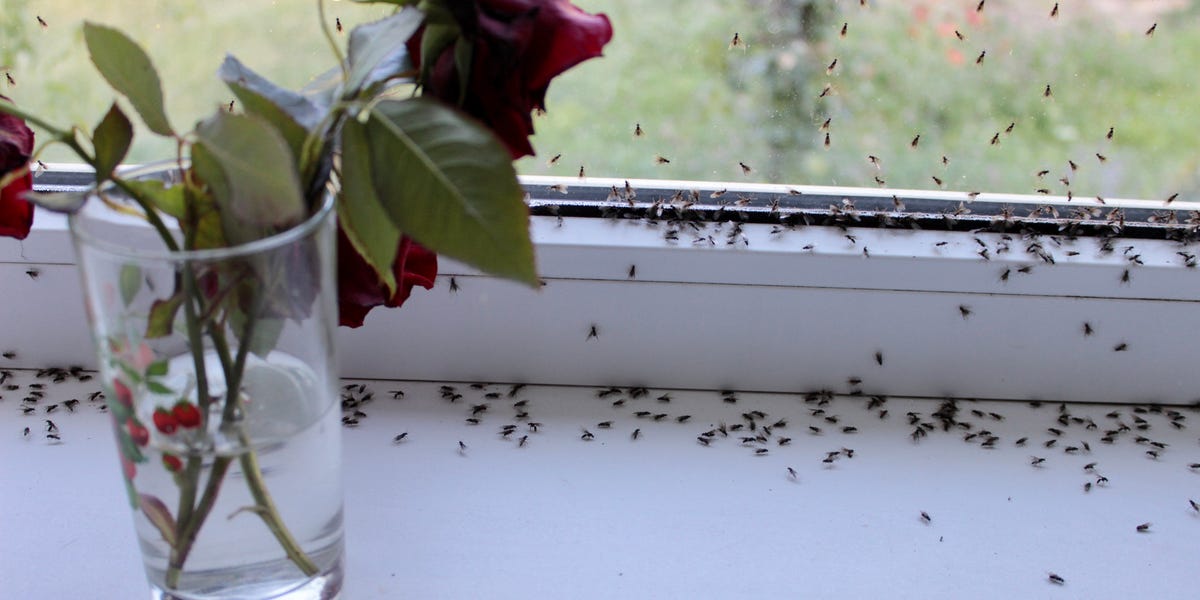
Ants are tiny, organized, and weirdly confident. One minute your kitchen counter is peaceful; the next, a marching line of determined little guests is commuting across the backsplash like they pay rent. The good news is that professional ant control is not magic. It is a method. The pros get rid of ants in the house by thinking like ants: Where are they coming from? What are they eating? Where is the colony? Why did they choose this home instead of the neighbor’s suspiciously sticky pantry?
The biggest mistake many homeowners make is grabbing a spray and blasting every ant in sight. It feels satisfying for about six seconds. Unfortunately, it usually kills only the visible workers while the colony keeps producing more. Some ant species may even split their colony when disturbed, turning one problem into several. Professional ant exterminators focus on the source, not just the parade. Their approach combines inspection, sanitation, exclusion, baiting, moisture control, and follow-up monitoring.
If you want to know how to get rid of ants in the house like the pros, the secret is simple: stop feeding them, block their access, erase their trails, and use the right bait in the right place long enough for the workers to carry it back to the colony. It is less “spray and pray” and more “detective work with a caulk gun.”
Step 1: Pros Identify the Ant Before Treating It
Professional ant control starts with identification. Not all ants behave the same way, and using the wrong treatment can make the problem worse. Odorous house ants, pavement ants, Argentine ants, pharaoh ants, carpenter ants, and fire ants all require slightly different strategies.
Common Indoor Ants
Odorous house ants are common kitchen invaders and may smell like rotten coconut when crushed. They love sweets but can switch food preferences, which is why one bait may work beautifully on Monday and get ignored by Wednesday.
Pavement ants often nest under sidewalks, patios, foundations, and driveways. Indoors, they usually show up near baseboards, cracks, kitchens, and bathrooms. They are flexible eaters, enjoying sweet, greasy, and protein-based foods.
Argentine ants can form large colonies with multiple queens. They often invade homes when outdoor conditions become too wet, dry, hot, or cold. Because their colonies can be massive, total elimination from a landscape is difficult, but indoor invasions can be reduced.
Pharaoh ants are a special headache. They are tiny, persistent, and notorious for spreading into multiple colonies if treated incorrectly. Spraying them can trigger budding, where the colony splits and relocates. For pharaoh ants, professionals usually rely on careful baiting, not random sprays.
Carpenter ants are larger ants that nest in wood. They do not eat wood like termites, but they excavate it to create galleries. Seeing carpenter ants indoors, especially large winged ants or piles of sawdust-like debris, may signal moisture-damaged wood or a hidden nest. That is a “call a pro” moment, not a “let’s sprinkle cinnamon and hope” moment.
Step 2: They Inspect Like Crime Scene Investigators
Pros do not begin with chemicals. They begin with a flashlight. A thorough inspection helps locate ant trails, entry points, moisture sources, food sources, and possible nesting sites. Indoors, they check under sinks, behind appliances, around windows, near door thresholds, along baseboards, inside cabinets, around pet food bowls, and near plumbing penetrations.
Outdoors, they look around foundation cracks, mulch beds, tree branches touching the roof, utility lines, hose bibs, gutters, stacked firewood, potted plants, and soil next to the foundation. Ants often nest outside and send workers indoors for food or water. That means killing only the indoor ants is like deleting one email from a spam campaign. The system keeps sending more.
What Pros Look For
A professional inspection focuses on three questions: where are ants entering, what are they feeding on, and where might the colony be nesting? If ants are trailing to a crumb behind the toaster, cleanup may solve much of the problem. If they disappear into a wall void near a damp window frame, the issue may require baiting, sealing, and moisture repair.
Step 3: They Remove the Ant Buffet
Sanitation is not glamorous, but it is one of the strongest tools in ant control. Ants do not invade because they admire your backsplash. They come for food, moisture, and shelter. Professionals recommend removing the attractants first so baits and exclusion work better.
Start with the kitchen. Wipe counters, sweep floors, vacuum crumbs, clean under appliances, rinse sticky bottles, and store sugar, cereal, flour, snacks, and pet food in sealed containers. Take out trash regularly and use a bin with a tight-fitting lid. If you recycle, rinse cans and bottles before tossing them into the bin. Ants can detect a syrupy soda can like it is broadcasting a tiny radio signal.
Do not forget pet areas. Pick up pet food after feeding time, wash bowls, and clean around mats. For severe ant problems, place pet bowls in a shallow dish of soapy water as a temporary moat. Your dog may be confused, but the ants will be more confused.
Step 4: They Erase Ant Trails
Ants follow pheromone trails, which are chemical scent paths laid down by workers. When you see a line of ants, you are looking at a tiny GPS system. Killing the visible ants without removing the trail simply invites replacements to follow the same route.
Pros often recommend wiping trails with soapy water or a vinegar-and-water solution. The goal is not to perfume the kitchen like a salad dressing factory; it is to disrupt the chemical trail. Vacuuming ants can also help, especially when there are many visible workers. Empty the vacuum afterward, preferably outdoors, because nobody wants an ant reunion inside the canister.
Step 5: They Seal Entry Points
Exclusion means keeping ants out instead of fighting them forever indoors. Once trails reveal entry points, pros seal gaps around windows, doors, utility pipes, vents, siding cracks, and foundation openings. Caulk, weatherstripping, door sweeps, and fine mesh can all help reduce indoor ant activity.
Outside, trim shrubs and branches so they do not touch the house. Move firewood away from the structure. Avoid piling mulch directly against siding. Repair leaky spigots, clogged gutters, and drainage problems. Ants like moisture, and a damp foundation is basically a welcome mat with legs.
Step 6: They Use Ant Baits the Smart Way
Ant bait is one of the most important tools professionals use to get rid of ants in the house. Bait works because worker ants carry food back to the nest and share it with queens, larvae, and other colony members. A good bait is slow-acting, which gives the workers time to distribute it before they die.
The trick is patience. Baits may attract more ants at first. That is not failure; that is the bait doing its job. The visible line may grow for a day or two because the colony has found a food source. Resist the urge to spray the trail. Spraying near bait can repel ants, contaminate the bait, or kill the workers before they carry the active ingredient back to the colony.
Liquid, Gel, and Granular Baits
Liquid and gel baits are often effective for small household ants that are feeding on sweets. Gel baits can be placed in cracks, crevices, and along trails where children and pets cannot reach them. Granular baits are more common outdoors and may appeal to ants looking for proteins or fats.
Professionals may rotate bait types because ant food preferences change. Some colonies want sugar; others want protein or grease. If ants ignore one bait, it may not mean baiting does not work. It may mean you brought cupcakes to a barbecue crowd.
Step 7: They Avoid Common DIY Mistakes
One of the biggest professional secrets is knowing what not to do. Do not spray repellent insecticide around active bait stations. Do not wipe away the bait trail after placing bait. Do not use outdoor products indoors unless the label specifically allows it. Do not assume “more” is better. With pesticides, more product can mean more risk, not more control.
Another mistake is expecting instant results. Professional ant control often takes several days to a couple of weeks, depending on the species, colony size, nesting site, and bait acceptance. Ants are social insects. The strategy is to let them unknowingly help you deliver treatment to the colony. It is sneaky, effective, and honestly a little poetic.
Step 8: They Handle Moisture Problems
Moisture control is especially important for carpenter ants and many recurring indoor ant problems. Ants often nest near leaks, damp insulation, rotting wood, bathrooms, dishwashers, water heaters, windows, and crawl spaces. If the moisture problem remains, ants may return even after treatment.
Repair plumbing leaks, improve ventilation, clean gutters, fix drainage, replace moisture-damaged wood, and keep crawl spaces dry. A dry, sealed, clean house is far less attractive to ants than a damp one with crumbs and easy entry points. Basically, do not run an ant bed-and-breakfast unless you are prepared for terrible reviews from humans.
Step 9: They Know When Sprays Make Sense
Sprays are not always bad, but professionals use them carefully. A non-repellent treatment around exterior entry points may be useful in some cases. Direct nest treatment may also be appropriate for certain outdoor colonies. However, indoor broad spraying is usually not the best first step for common household ants, especially when baiting would target the colony more effectively.
For pharaoh ants and some multi-queen species, sprays can scatter colonies. For carpenter ants, surface sprays may kill visible workers while the nest remains hidden inside damp wood. That is why pros choose treatment based on species and site, not panic level.
Step 10: They Monitor and Follow Up
Professional ant control does not end when the first trail disappears. Pros check whether bait is being consumed, whether new trails appear, whether entry points were missed, and whether outdoor conditions are pushing ants inside. They replace empty bait stations, move ignored bait, seal new gaps, and adjust the plan.
Homeowners can do the same. Keep a simple ant log for a week: where you saw ants, what time of day, what they were feeding on, and where they seemed to enter. This helps you avoid treating blindly. It also gives a pest professional valuable information if the infestation continues.
When to Call a Professional Ant Exterminator
DIY ant control can work for small, simple infestations. But some situations deserve professional help. Call a licensed pest management professional if you suspect carpenter ants, see winged ants indoors, find ants repeatedly returning after baiting, have ants in electrical areas, live with a severe pharaoh ant infestation, or have fire ants near play areas, pets, or entry points.
A professional can identify the species, locate nests, use targeted products, apply treatments safely, and create a prevention plan. They also understand local ant behavior, which matters because ants in Florida, Texas, California, and Minnesota may not follow the same seasonal script.
Professional Ant Control Checklist for Homeowners
Do This First
- Follow the ant trail to find food sources and entry points.
- Clean crumbs, grease, spills, and sticky residue.
- Store food and pet food in sealed containers.
- Wipe trails with soapy water or vinegar-and-water solution.
- Seal cracks, gaps, windows, and door thresholds.
- Use slow-acting ant bait near trails, away from children and pets.
- Give bait time to work before changing strategies.
Avoid This
- Do not spray ants near bait stations.
- Do not use outdoor pesticides indoors unless labeled for indoor use.
- Do not leave pet food out overnight.
- Do not ignore leaks, damp wood, or clogged gutters.
- Do not assume all ant species need the same treatment.
Practical Examples: What Pros Would Do
Example 1: Ants Marching Across the Kitchen Counter
A pro would trace the line back to the entry point, clean the counter, remove the food source, wipe the trail, and place bait near the trail but away from food-prep surfaces. Then they would inspect outside for cracks, branches, mulch, or foundation gaps that allow access.
Example 2: Ants Appearing Around the Bathroom Sink
Ants in a bathroom often signal moisture. A pro would check for leaks under the sink, damp caulk, wall voids, and exterior entry points. They might use bait, but they would also fix the moisture issue because bait alone will not solve a water-attraction problem forever.
Example 3: Large Black Ants Near a Window
Large black ants may be carpenter ants. A pro would inspect for wet or damaged wood, sawdust-like frass, roof leaks, window leaks, and nests in nearby trees or structural voids. Treatment would focus on locating the nest and correcting the moisture problem, not just spraying the windowsill.
Experience Section: What Real Ant Control Teaches You Over Time
After dealing with ants in real homes, one lesson becomes obvious: ants are rarely random. They may look like they suddenly appeared from another dimension, but they are usually responding to a very ordinary invitation: crumbs, water, warmth, shelter, or a gap in the building. The first experience many homeowners have is the classic morning surprise. You walk into the kitchen, still half asleep, and there they aretwenty ants forming a disciplined line toward one drop of honey on the counter. At that moment, it is tempting to grab the nearest spray. But the more professional response is to pause and observe.
One helpful habit is to follow the ants before cleaning them up. That sounds strange, because nobody wants to host an ant parade longer than necessary. Still, watching the line for two or three minutes can show you the entry point. Maybe they are coming from a tiny gap behind the backsplash. Maybe they are slipping under the back door. Maybe they are traveling along a cable line from outside. Once you find the route, the problem becomes much easier to solve. Cleaning without finding the entry point can feel productive, but the ants may return by lunchtime with reinforcements and, apparently, a project manager.
Another real-world lesson is that bait requires patience. Many people place bait, see more ants, and assume they made the infestation worse. In reality, the bait is attracting workers so they can carry it back to the colony. The hard part is resisting the urge to interfere. If you spray, wipe, or crush every ant near the bait, you interrupt the delivery system. A good rule is this: once bait is placed correctly, let the ants work against themselves. It is one of the rare times when doing less can accomplish more.
Homeowners also learn that different rooms tell different stories. Ants in the pantry usually point to food storage. Ants near the sink may point to water. Ants near windows may point to gaps, damp frames, or outdoor vegetation touching the house. Ants in multiple rooms may suggest several entry points or a large colony outside. The more specific your observation, the better your treatment plan.
The best long-term experience is prevention. A few small habits make a big difference: wipe sticky jars before storing them, rinse recycling, repair leaks quickly, keep mulch away from siding, trim shrubs, and seal seasonal cracks. None of these tasks are dramatic, but together they make your home far less interesting to ants. And that is the real professional goalnot just killing today’s ants, but making sure tomorrow’s ants walk past your house and choose a less organized kitchen.
Conclusion: Beat the Colony, Not Just the Line
Learning how the pros get rid of ants in the house comes down to strategy. Professionals do not simply attack the ants they can see. They identify the species, inspect the trail, remove attractants, erase pheromone paths, seal entry points, control moisture, and use slow-acting bait that reaches the colony. That combination is what separates lasting ant control from a temporary countertop victory.
If your ant problem is small, you can often handle it with careful cleaning, baiting, sealing, and patience. If ants keep returning, if you suspect carpenter ants, or if the infestation spreads through several rooms, it is time to bring in a licensed pest management professional. Ants may be persistent, but with a professional-style plan, your house can stop being the neighborhood snack bar.