French linen tea towels are the quiet luxury of the kitchen: useful, beautiful, and surprisingly tough for something that looks so relaxed. They dry glasses without leaving lint, soften with use, and somehow make a loaf of bread look like it belongs in a countryside bakery instead of next to your toaster. In a world full of disposable paper towels and mystery-fiber dish cloths, a well-made linen tea towel feels like a small rebellionan elegant one, of course.
But what makes French linen tea towels so special? Is it the flax? The weave? The way they wrinkle with the confidence of someone who owns a villa in Provence? The answer is: all of the above. Linen has been valued for centuries because it is durable, absorbent, breathable, and naturally quick-drying. When made into kitchen towels, those qualities become extremely practical. A French linen towel can help dry dishes, wrap warm bread, cover rising dough, line a serving tray, polish glassware, or hang casually from the oven door while pretending your kitchen is always this tidy.
What Are French Linen Tea Towels?
French linen tea towels are kitchen towels made from linen fibers, often sourced from flax grown in France or surrounding European flax-growing regions. Linen comes from the flax plant, and the fibers are known for strength, texture, and excellent moisture handling. Unlike thick cotton terry towels, which can feel plush but stay damp longer, linen tea towels are usually lighter, smoother, and faster to dry.
The phrase “French linen” often points to the origin or quality tradition of the flax fiber. France has a long history with flax cultivation, especially in northern and northwestern regions where the climate is favorable for growing high-quality flax. True French linen tea towels may be woven in France or made from French flax that is spun and woven elsewhere. When shopping, the label matters. “Made from French flax” and “woven in France” do not always mean the same thing, so it helps to read product descriptions carefully.
Why Linen Works So Well in the Kitchen
It Dries Quickly
A kitchen towel spends much of its life getting wet, which is why drying speed matters. Linen releases moisture quickly, helping the towel feel fresher between uses. This is especially helpful in busy kitchens where towels are used repeatedly for drying hands, dishes, herbs, fruit, and countertops. A towel that dries faster is less likely to become a sad little damp flag of regret hanging by the sink.
It Becomes Softer Over Time
One of the most charming things about linen is that it improves with use. A new linen tea towel may feel crisp or slightly textured at first. After a few washes, the fibers relax, the towel softens, and the fabric becomes more comfortable in the hand. This “better with age” quality is one reason linen lovers tend to keep their favorite towels for years.
It Is Naturally Lint-Light
If you have ever dried a wine glass with a fluffy towel and ended up with lint confetti, you already understand the problem. Linen’s smoother surface makes it excellent for glassware, silverware, stainless steel, and delicate dishes. A French linen tea towel can polish a glass without making it look like it rolled through a sweater drawer.
It Is Strong and Long-Lasting
Linen fibers are known for durability. In practical terms, that means a good linen kitchen towel can handle repeated washing, twisting, folding, drying, and daily use. It is not indestructibleplease do not use it as a potholder for a cast-iron skillet straight from a 500-degree ovenbut it is impressively resilient for everyday kitchen tasks.
French Linen vs. Cotton Tea Towels
Cotton tea towels are popular for good reason. They are affordable, widely available, soft, and easy to wash. However, linen has some advantages that make it especially appealing for kitchen use. Linen tends to dry faster, leaves less lint, and develops a relaxed texture that many people find more refined. Cotton may feel softer on day one, while linen often wins by year two.
That does not mean one fabric is always better than the other. Cotton towels are great for messy jobs, big spills, and casual cleanup. Linen tea towels shine when you want something absorbent, elegant, and quick-drying. Many well-stocked kitchens use both: cotton for the chaos, linen for the charm.
Popular Uses for French Linen Tea Towels
Drying Dishes and Glassware
This is the classic use. French linen tea towels are especially good for drying wine glasses, water glasses, plates, and serving pieces. Their lint-light texture helps avoid streaks, and their absorbency makes the job faster.
Wrapping Bread and Pastries
Linen is breathable, making it useful for wrapping fresh bread, baguettes, rolls, biscuits, and pastries. It helps protect baked goods without trapping too much moisture. If you bake sourdough, a linen towel also makes your kitchen look as if you know what you are doingeven during the “why is my starter angry?” stage.
Covering Dough
Many bakers use linen towels to cover rising dough. A clean, lightly dampened tea towel can help prevent the dough surface from drying out during proofing. For sticky doughs, dusting the towel lightly with flour can help.
Lining Baskets and Trays
A linen tea towel can turn a simple bread basket, picnic tray, or serving platter into something more polished. It adds color, texture, and a casual French-inspired look without trying too hard.
Replacing Paper Towels
French linen tea towels can reduce the need for disposable paper towels. Use them for drying produce, covering food, catching crumbs, or wiping clean surfaces. For heavy grease, raw meat juices, or harsh cleaning chemicals, use a separate cleaning cloth instead. Linen deserves a little dignity.
How to Choose the Best French Linen Tea Towels
Look for 100% Linen
If you want the classic linen feel and performance, choose towels labeled 100% linen or 100% flax linen. Linen-cotton blends can still be useful, but they may behave differently. Blends are often softer at first and wrinkle less, while pure linen usually offers the most traditional texture and drying performance.
Check the Weave
Plain weave linen towels are smooth, simple, and versatile. Waffle weave linen towels have a textured surface that can improve absorbency and flexibility. Herringbone and twill weaves add visual interest and may feel slightly heavier. For glassware, a smoother weave is often best. For general drying, waffle or textured linen can be excellent.
Consider Size
Most tea towels fall somewhere around 18 by 28 inches, though sizes vary. Larger towels are helpful for covering dough bowls, wrapping bread, or lining baskets. Smaller towels are easier to hang and handle for quick drying tasks.
Choose Colors That Fit Your Kitchen
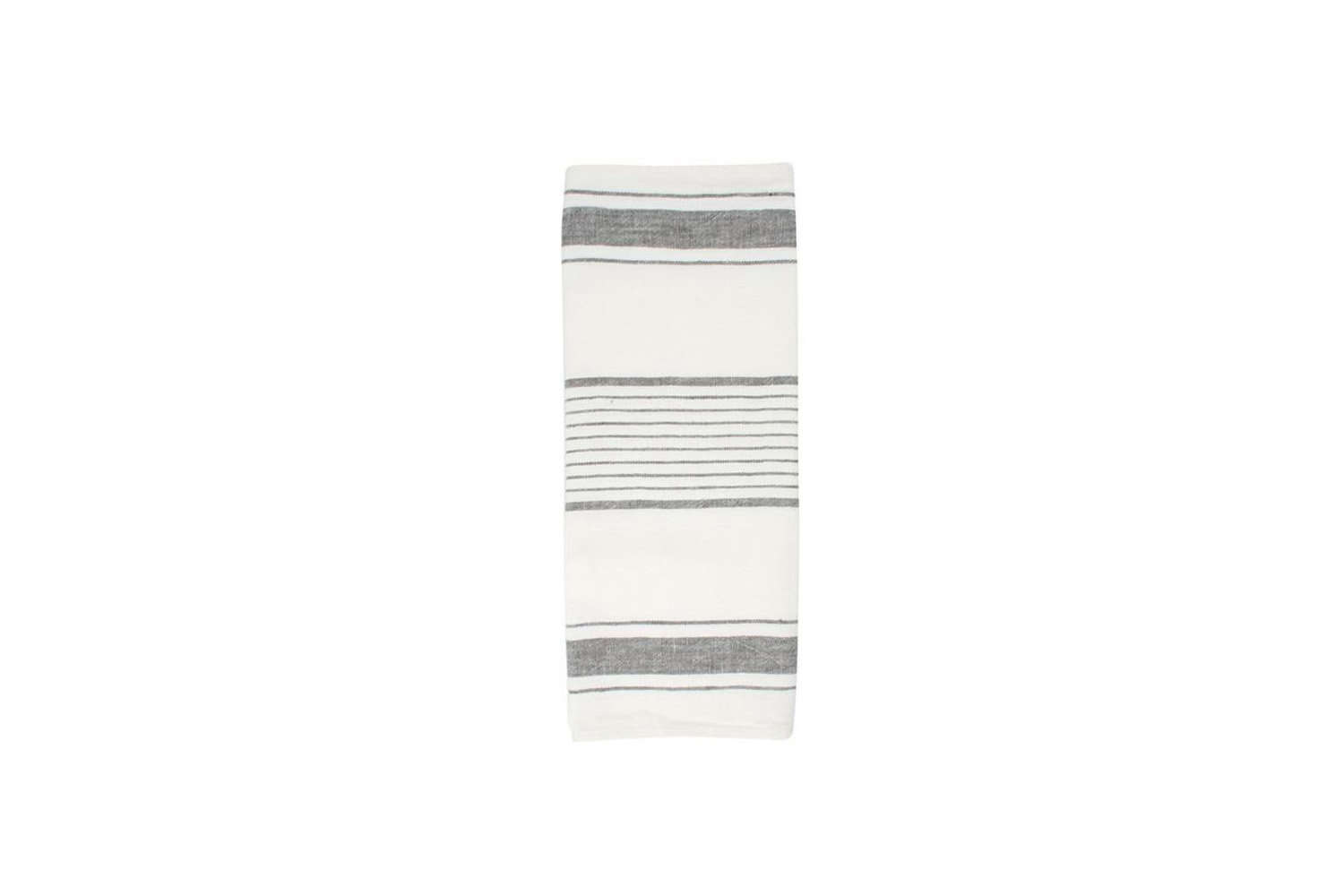
Natural flax, white, oatmeal, blue stripe, charcoal, sage, and muted red are common choices. French linen tea towels often have a relaxed, timeless look, so they work well in farmhouse, modern, coastal, cottage, and minimalist kitchens. A striped linen towel hanging from the oven door is basically kitchen jewelry.
Pay Attention to Loops and Hems
A hanging loop is a small detail that makes daily use easier. Strong hems also matter because kitchen towels are washed often. Look for neat stitching, reinforced edges, and product photos that show the fabric close up.
How to Wash French Linen Tea Towels
Proper care keeps linen towels absorbent, soft, and long-lasting. Always check the care label first, because dyes, embroidery, and finishing treatments can affect washing instructions. In general, linen tea towels do best with mild detergent, cool to warm water, and enough room in the washing machine to move freely.
Avoid fabric softener. It may sound helpful, but it can coat the fibers and reduce absorbency. Dryer sheets can have a similar effect. If towels become stiff or develop odors, a rinse with white vinegar can help remove residue. Do not combine vinegar and bleach, and avoid chlorine bleach on linen because it can weaken fibers.
For drying, air drying is gentle and gives linen that naturally relaxed texture. A low-heat tumble dry can also work, especially if you remove the towels while slightly damp and smooth them by hand. High heat may increase shrinkage and stiffness, so treat linen like a respected guest, not a gym sock.
Do French Linen Tea Towels Shrink?
Yes, linen can shrink, especially during early washes or when exposed to high heat. Many quality linen towels are pre-washed or pre-shrunk, but a little shrinkage is still possible. To reduce shrinkage, wash in cool or warm water and avoid hot dryer settings. If a towel comes out slightly smaller but softer, that is often part of linen’s natural aging process.
Are French Linen Tea Towels Worth the Price?
French linen tea towels usually cost more than basic cotton dish towels. The higher price comes from flax cultivation, fiber processing, weaving, finishing, and often smaller-scale production. Whether they are “worth it” depends on how you use your kitchen textiles.
If you want the cheapest towel for wiping spaghetti sauce off the floor, linen may not be your first choice. If you want a towel that dries beautifully, looks elegant, lasts a long time, and makes everyday kitchen routines feel a little more special, French linen is absolutely worth considering. It is practical luxurythe kind that earns its keep.
Styling French Linen Tea Towels in the Kitchen
One reason people love French linen tea towels is that they are both useful and decorative. Fold one over an oven handle, roll several in a ceramic crock, stack them on open shelving, or drape one over a bread basket. Neutral linen adds softness to a modern kitchen, while striped linen brings a classic bistro feeling.
For a cohesive look, choose two or three colors that repeat elsewhere in your kitchen. Natural flax pairs well with wood cutting boards, stone countertops, white dishes, and brass hardware. Blue-striped linen looks crisp with white cabinets. Charcoal or black linen adds contrast in minimalist kitchens. The towel does not need to match everything; it just needs to look like it was invited.
Common Mistakes to Avoid
Using One Towel for Everything
Separate your towels by task. Use one for clean dishes, one for hands, and another for messy prep. This keeps your kitchen more hygienic and helps preserve your nicest towels.
Leaving Towels Wet in a Pile
Even quick-drying linen needs air. Hang towels fully open after use instead of tossing them into a damp heap. A towel hook, rail, or oven handle works well.
Overloading the Washer
Linen needs space to rinse properly. Overloading can trap detergent and grime in the fabric, leading to stiffness or odors.
Expecting Linen to Look Perfectly Smooth
Linen wrinkles. That is not a flaw; that is the personality. You can iron linen tea towels if you want a crisp look, but the relaxed rumple is part of their charm.
Gift Ideas with French Linen Tea Towels
French linen tea towels make excellent gifts because they are beautiful, useful, and easy to bundle with other kitchen items. Pair one with a wooden spoon, a jar of local jam, a bottle of olive oil, or a fresh baguette. For a housewarming gift, choose a set of neutral linen towels and tie them with cotton ribbon. For a baker, add a bench scraper and a bag of good flour. For a host, wrap a wine bottle in a linen towel instead of a disposable gift bag.
This is the rare gift that does not require batteries, sizing, software updates, or emotional support. It simply gets used.
My Experience Using French Linen Tea Towels
The first time I used a French linen tea towel, I expected it to be mostly decorative. It looked too elegant for real kitchen work, like the kind of towel that should be photographed beside pears and a loaf of bread with dramatic lighting. Then I used it to dry a stack of glasses, and the difference was obvious. No lint. No streaky finish. No tiny fibers clinging to the rim like they had signed a lease.
At first, the towel felt crisp. Not rough, exactly, but more structured than a cotton towel. After several washes, it softened noticeably. That is when I understood why linen fans talk about the fabric as if it is a long-term relationship. It changes. It relaxes. It becomes more comfortable without losing its usefulness. A cotton towel often starts soft and slowly gives up. Linen starts with confidence and gradually becomes charming.
In daily use, I found that linen tea towels are best when assigned specific jobs. I keep one for drying clean dishes and glassware, one for bread or baked goods, and one older towel for general counter duty. This little system prevents the “mystery towel” problem, where nobody knows whether the towel touched clean plates, wet lettuce, or something suspicious near the sink. Kitchen peace is built on small boundaries.
One of my favorite uses is drying herbs and salad greens. After rinsing parsley, basil, or lettuce, I spread everything across a linen towel and gently roll it up. The towel absorbs excess moisture without crushing the leaves. It feels calmer than wrestling with a salad spinner that takes up half the cabinet and somehow always falls out when you need a pot lid.
French linen tea towels also make baking feel easier. When covering dough, the fabric is breathable and light, and it does not cling aggressively when used properly. A lightly floured linen towel can help with bread-making tasks, especially when handling rustic loaves or rolls. Even if the bread turns out “artisanally uneven,” the towel makes the whole process look intentional.
The styling benefit is real, too. A linen towel hanging from the oven door instantly makes a kitchen feel warmer. It adds texture in a way that is subtle but noticeable. A striped blue-and-white towel gives a classic French café mood. Natural flax feels earthy and calm. White linen looks clean and bright, though it requires a little more courage if tomato sauce is part of your lifestyle.
Care has been simpler than expected. I wash linen towels separately from heavily soiled cleaning rags, skip fabric softener, and dry them on low heat or hang them up. If they wrinkle, I let them. The wrinkles look natural, not neglected. Linen has the rare ability to appear relaxed and refined at the same time, which is more than I can say for myself on most weekdays.
The biggest lesson is that French linen tea towels are not precious objects. They are meant to be used. Yes, they look beautiful in a basket or folded beside a sink, but their real appeal shows up through repetition: drying, washing, softening, fading slightly, and becoming part of the rhythm of the kitchen. Over time, a good linen towel feels less like a purchase and more like a dependable toolone that happens to look excellent while doing the boring jobs.
Conclusion
French linen tea towels combine beauty and performance in a way few kitchen textiles can. They are absorbent, quick-drying, durable, lint-light, and naturally elegant. They can polish glassware, wrap bread, cover dough, line baskets, reduce paper towel use, and add instant style to the kitchen. While they may cost more than basic cotton towels, their longevity and everyday usefulness make them a smart choice for anyone who appreciates practical design.
The best French linen tea towel is not the one that stays folded perfectly in a drawer. It is the one you reach for again and againthe towel that dries the wine glasses, covers the biscuits, hangs by the stove, survives the laundry, and gets softer every month. In other words, it earns its wrinkles.
SEO Tags
Note: This article is written for web publication and synthesized from current, real-world information on linen textiles, French flax, kitchen towel care, and practical home-linen use.