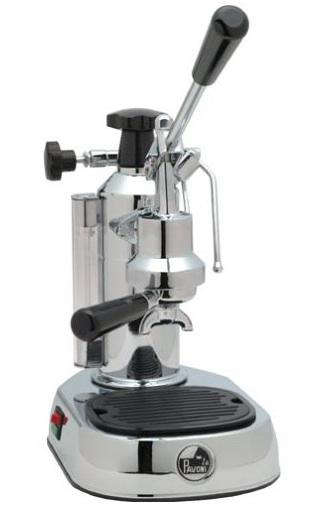
The Europiccola Lever-Style Espresso Maker is not the kind of coffee machine that quietly sits in the corner and behaves like a polite toaster. It has a chrome body, a proud lever, a tiny boiler, and the dramatic personality of an Italian opera singer who also happens to be very serious about crema. For coffee lovers who want more than a button, more than a pod, and definitely more than “good enough,” the Europiccola offers a hands-on espresso ritual that feels part science experiment, part morning meditation, and part delicious arm workout.
Most modern espresso machines try to hide the process. They regulate pressure, automate dosing, manage temperature, and keep the user at a safe emotional distance from the chaos inside the puck. The Europiccola does the opposite. It invites you into the process. You raise the lever, allow hot water to meet the coffee, then lower the lever to push that water through the grounds. Every choice matters: grind size, dose, tamp, pre-infusion, lever speed, water level, heat management, and even how awake you are before your first espresso. Spoiler: the machine will know.
That is why the Europiccola has remained a favorite among manual espresso enthusiasts. It is compact, beautiful, mechanical, and stubbornly charming. It rewards practice instead of impatience. It can pull sweet, syrupy, aromatic shots when treated well, but it will also expose lazy prep faster than a cat judging your life choices from across the kitchen.
What Is the Europiccola Lever-Style Espresso Maker?
The Europiccola is a manual lever espresso machine most closely associated with La Pavoni, one of the historic Italian names in home espresso. Unlike pump-driven espresso machines, which use an electric pump to create brewing pressure, the Europiccola uses a lever and piston system. The user physically controls the extraction by moving the lever, making it one of the most tactile espresso experiences available for home use.
At its core, the machine is refreshingly simple. It has a boiler, a group head, a portafilter, a steam wand, a sight glass or water level indicator, and a lever. There is no touchscreen telling you that your cappuccino has achieved emotional balance. There are no app notifications. There is no “espresso wellness ecosystem.” You get metal, heat, pressure, coffee, and responsibility.
The classic Europiccola format is known for its 0.8-liter boiler capacity, often described as capable of brewing up to eight small espresso servings. Depending on the model and market version, features may include a pressurestat, water level indicator, steam wand, brass brewing components, steel or chrome finishes, and bakelite or wood-style handles. The current Europiccola family includes variations such as the Lusso and Special models, but the spirit remains the same: compact lever espresso with old-school control.
Why Coffee Enthusiasts Still Love It
It Makes Espresso Feel Like Craft, Not Chores
Using the Europiccola is not passive. You do not press one button and wander off to check email. You stay involved from start to finish. When the grind is too fine, the lever feels harder to push. When the grind is too coarse, the lever moves too easily and the shot may run thin. That physical feedback teaches you what is happening inside the coffee puck in a way many automatic machines never can.
This is one of the great joys of a lever-style espresso maker. It turns espresso into a conversation between your hands, your grinder, your beans, and the machine. Sometimes that conversation is elegant. Sometimes it sounds like, “Why is this shot blonding after six seconds?” Either way, you learn.
It Has a Small Footprint
The Europiccola is slim compared with many prosumer espresso machines. It does not need the counter space of a dual-boiler machine, and it looks more like a sculptural object than a kitchen appliance. For apartment dwellers, small kitchens, coffee carts, or anyone who has already surrendered too much counter space to an air fryer, the compact design is a real advantage.
It Is Built Around Simple Mechanics
Because the machine relies on a lever and boiler rather than a complicated electronic control system, many owners appreciate its repairability. Gaskets, seals, shower screens, steam tips, portafilters, and other parts are commonly discussed in the enthusiast community. A well-maintained lever machine can last for many years, although “well-maintained” is doing some heavy lifting here. Ignore scale, old seals, and overheating, and even the prettiest chrome machine will eventually begin acting like a tiny steam-powered goblin.
How the Lever System Works
The lever is the heart of the Europiccola. When you lift it, the piston rises and allows hot water from the boiler to enter the brew chamber. This stage can also function as a form of pre-infusion, giving water time to saturate the coffee grounds before pressure is applied. When you lower the lever, the piston forces water through the puck and into the cup.
That motion gives the user direct control over pressure and flow. With practice, you can adjust how gently or firmly you apply pressure. You can also learn to sense resistance in the puck. A dense, properly prepared puck will feel different from a loose, uneven, or channeled one. In other words, the machine gives you feedback, but it does not whisper. It communicates through the lever, and sometimes through your mistakes.
This differs from pump machines, which typically aim to deliver more consistent pressure with less physical input. Pump machines are easier to repeat. Lever machines are easier to romanticize. The Europiccola is for people who enjoy the process enough to forgive the occasional messy learning curve.
Design and Build Quality
The Europiccola’s design is one of its biggest selling points. The chrome body, vertical boiler, exposed group, and curved lever make it instantly recognizable. It looks vintage without feeling fake-vintage. It is not pretending to be nostalgic; it genuinely comes from an espresso tradition where the barista pulled the shot in the most literal way possible.
Materials vary by model, but the Europiccola line is commonly associated with brass brewing components, steel bases, chrome finishes, and heat-resistant handles. The exposed boiler and group contribute to the machine’s iconic appearance, but they also mean users must be careful. This is not a cool-touch appliance. It gets hot. Very hot. Treat the shiny metal with respect, not curiosity.
The water level indicator is especially useful because the machine’s boiler must never be allowed to run dry. Since the Europiccola uses a boiler-based system, water management is part of the routine. Fill correctly, avoid overfilling, monitor levels, and do not operate the machine carelessly. Manual espresso rewards attention, and the Europiccola is very good at reminding distracted users that coffee is not a video game.
Espresso Quality: What Can You Expect?
When dialed in, the Europiccola can produce excellent espresso: rich body, concentrated flavor, aromatic crema, and a satisfying syrupy texture. It is particularly enjoyable with medium and darker espresso roasts, though skilled users can experiment successfully with lighter coffees as well. The machine’s manual pressure profile can help create a gentler extraction, which some drinkers find sweeter and more rounded than the sharper results they get from certain pump machines.
However, the Europiccola does not magically rescue poor technique. A good grinder is essential. Fresh beans matter. Dose consistency matters. Tamping matters. Preheating and thermal management matter. If your grinder cannot produce a fine, consistent espresso grind, the machine will not politely compensate. It will simply pull a sad, watery shot and leave you alone with your decisions.
A reasonable starting point is to use freshly roasted espresso beans, grind fine, dose consistently, tamp level, and observe how the lever feels during extraction. If the lever drops too easily, grind finer or increase dose slightly. If it feels nearly impossible to press, grind coarser or reduce dose. Keep notes. Espresso is much less mysterious when you stop relying on memory, especially before breakfast.
Milk Steaming and Cappuccino Performance
The Europiccola includes a steam wand, making it capable of preparing cappuccinos, lattes, cortados, and other milk drinks. The boiler generally provides enough steam power for small home drinks, but steaming on this machine can be trickier than brewing espresso. The wand angle, compact layout, and small working space require practice.
For best results, use a smaller milk pitcher rather than a giant café pitcher. Purge the wand before steaming, position the tip carefully, introduce air briefly at the beginning, then submerge slightly to create a whirlpool. The goal is glossy microfoam, not bubble bath foam that looks like it belongs in a sitcom laundry scene.
Milk steaming is one area where modern machines may feel easier. A large heat-exchanger or dual-boiler machine usually offers more steam capacity and convenience. But for one or two drinks at home, the Europiccola can do the job once you learn its rhythm.
Who Should Buy the Europiccola?
The Europiccola is ideal for hands-on espresso lovers. It suits people who enjoy learning, adjusting, tasting, and improving. It is a strong choice for someone who sees coffee as a hobby rather than a caffeine delivery system. If you want a compact machine with serious personality, classic looks, and deep manual control, it deserves a place on your shortlist.
It is also a good fit for design-minded buyers. Some espresso machines look like stainless steel office printers. The Europiccola looks like it might have its own passport and opinions about opera. It can elevate a kitchen visually, especially if you enjoy vintage-inspired appliances and polished metal finishes.
Who Should Avoid It?
The Europiccola is not the best espresso machine for everyone. If you want quick, repeatable drinks with minimal effort, a semi-automatic, super-automatic, or capsule system will probably make you happier. If your household needs back-to-back milk drinks every morning, the small boiler and manual workflow may become annoying. If you dislike trial and error, the machine’s learning curve may feel less like a charming ritual and more like a chrome-plated prank.
Beginners can absolutely learn on the Europiccola, but they should be patient. This is not a machine that hides bad puck prep or inconsistent grinding. It teaches by consequences. Fortunately, those consequences are usually drinkable, even when imperfect. Add milk and call it “experimental.” Coffee people have been doing this for years.
Buying Tips Before You Choose One
Check the Model Version
Europiccola machines have changed over time. Older pre-millennium models and newer post-millennium models may use different group and portafilter dimensions. If buying used, confirm the production era before ordering accessories such as tampers, baskets, bottomless portafilters, or replacement seals.
Budget for a Good Grinder
A lever machine is only as good as the coffee bed you give it. A capable espresso grinder is not optional; it is the other half of the system. Spend money on grind quality before you spend money on decorative accessories. Walnut handles look lovely, but they will not fix channeling.
Expect Maintenance
Like all espresso machines, the Europiccola needs cleaning and care. Scale buildup can become a problem, especially in hard-water areas. Use appropriate water, descale when needed according to safe guidance, wipe down the machine, purge the steam wand, and replace wearable parts as they age. A simple machine is still a machine.
Daily Workflow: A Practical Example
A typical Europiccola routine begins by filling the boiler to the correct level and turning on the machine. After the boiler heats, many users allow additional time for the group to warm. Some flush water through the group or perform a blank pull to stabilize temperature. Then they grind the beans, dose the basket, distribute the grounds, tamp evenly, lock in the portafilter, raise the lever, wait briefly for pre-infusion, and lower the lever with steady pressure.
The shot should begin slowly, then flow in a controlled stream. If it gushes, adjust finer. If nothing happens and your arm begins writing a resignation letter, adjust coarser. Taste matters more than numbers, but tracking shot time, dose, yield, and taste will help you improve faster.
Experience Notes: Living With a Europiccola Lever-Style Espresso Maker
Owning a Europiccola feels different from owning a standard home espresso machine. The first week is usually full of optimism, confusion, and a few shots that taste like roasted lemons wearing a bitter hat. Then the machine starts teaching you. You notice that a tiny grind adjustment changes the lever resistance. You realize your tamp was uneven. You discover that the machine behaves differently when fully warmed than it does when you rush the first shot. The Europiccola turns casual coffee making into a daily feedback loop.
One of the most enjoyable experiences is the physical connection. Pressing a button can feel efficient, but pulling a lever feels personal. You sense the pressure through your hand. You feel the puck resist. A good shot has a kind of calm rhythm: lever up, pause, first drops, steady pressure, syrupy flow, stop before bitterness takes over. When it works, it is deeply satisfying. You are not just consuming espresso; you are participating in it.
The machine also changes how you think about beans. With a forgiving automatic machine, old beans can sometimes sneak by unnoticed. On the Europiccola, stale coffee often reveals itself quickly. The crema fades, the shot runs strangely, and the flavor becomes flat. Fresh beans become less of a luxury and more of a basic operating requirement. The grinder also becomes your best friend or your household villain, depending on how consistent it is.
There are quirks. The machine gets hot. The steam wand takes practice. Making several drinks in a row can feel like hosting a tiny espresso workshop. Temperature management can become a mini hobby. You may find yourself reading forum posts about group cooling, piston seals, pressure gauges, basket upgrades, and water recipes at midnight. This is normal. Well, normal for espresso people, which is a special category of normal.
But the payoff is real. A well-prepared Europiccola shot can taste dense, sweet, and expressive. The machine encourages slower mornings, better technique, and more respect for the details behind espresso. It is not the fastest route to caffeine, but it may be one of the most memorable. For the right person, the Europiccola becomes more than an appliance. It becomes a ritual, a teacher, and occasionally a shiny little drama queen that lives on the counter.
Final Verdict
The Europiccola Lever-Style Espresso Maker is a classic for a reason. It combines compact design, manual control, attractive materials, and a brewing style that makes espresso feel alive. It is demanding, yes, but not impossible. It asks for patience, practice, and a decent grinder. In return, it offers a level of involvement that many modern machines intentionally remove.
If you want push-button convenience, look elsewhere. If you want to learn espresso from the inside out, the Europiccola is a beautiful place to begin. It will not flatter sloppy technique, but it will reward curiosity. And once you pull a rich, balanced shot with your own hand on the lever, the whole ritual starts to make sense. Suddenly, the chrome, the heat, the hissing steam, and the careful prep all feel less like effort and more like breakfast theater with better lighting.