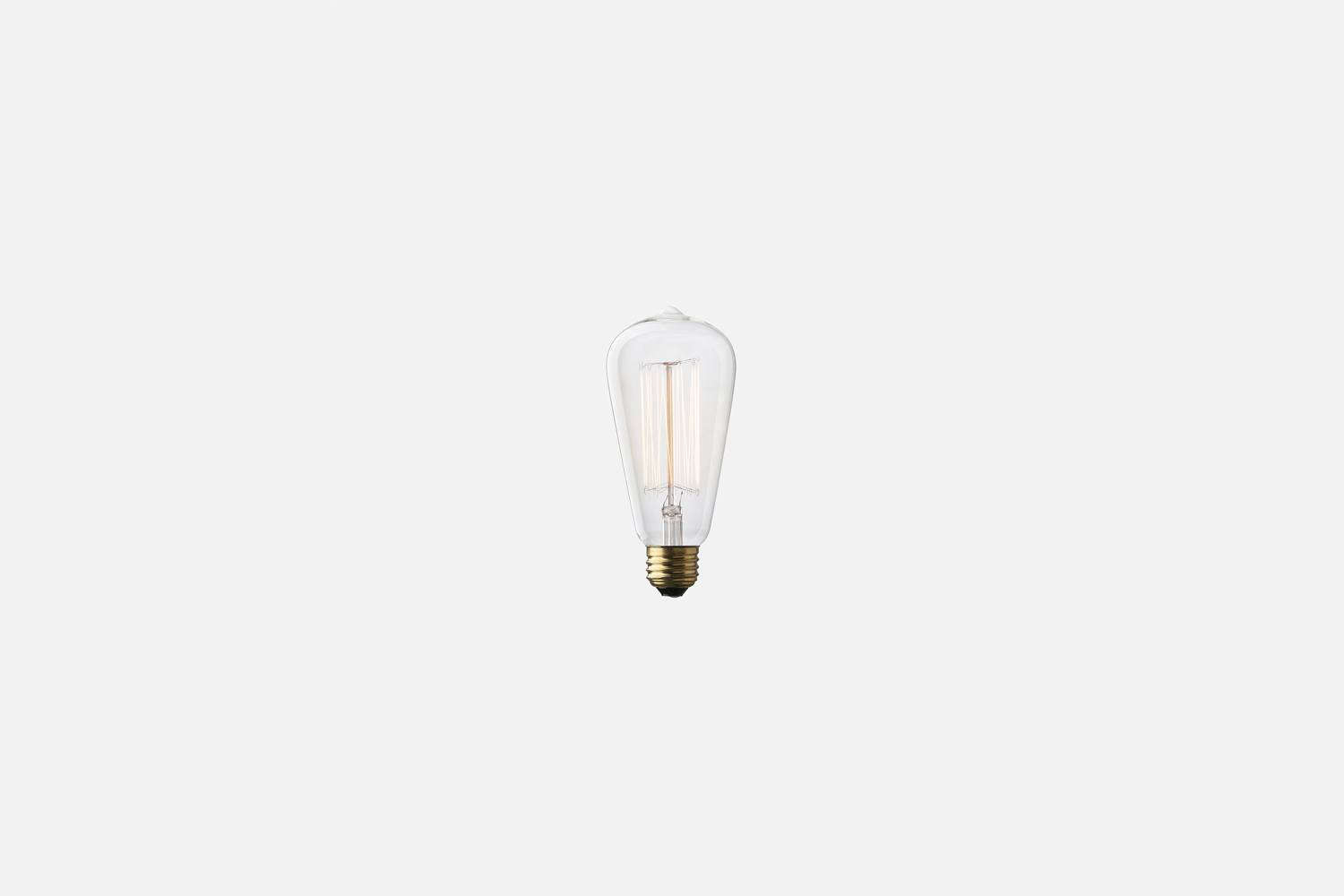
The Edison Marconi bulb is one of those rare home design details that can make a room look more expensive without requiring you to sell a kidney or learn Italian architecture terms. It is warm, nostalgic, slightly industrial, and just dramatic enough to make exposed fixtures look intentional instead of unfinished. If a plain bulb says, “I exist,” an Edison Marconi bulb says, “I have opinions about loft living and artisanal coffee.”
But the appeal is not just aesthetic. This style of bulb sits at the crossroads of lighting history, interior design, and modern efficiency. People love it because it combines the romance of early electric lighting with the practical choices today’s buyers care about: LED versus incandescent, dimmability, bulb shape, base size, color temperature, and whether the thing will make your dining room glow like a charming bistro or like a slightly haunted basement.
In this guide, we will break down what an Edison Marconi bulb actually is, why it remains popular, where it works best, how to choose the right one, and what kind of real-world experience you can expect once it is installed. Spoiler alert: it is fantastic for mood, not always great for chopping onions.
What Is an Edison Marconi Bulb?
An Edison Marconi bulb is a decorative, vintage-style light bulb inspired by early incandescent lamp designs. In today’s lighting market, “Edison” usually signals a bulb with visible filaments and an old-fashioned silhouette, while “Marconi” commonly refers to a distinctive filament arrangement often described as a squirrel cage style. The bulb is designed to be seen, not hidden. That visible filament is part of the décor.
In practical terms, the Edison Marconi bulb is less about brute brightness and more about atmosphere. It is often used in open pendants, wall sconces, chandeliers, and exposed-bulb fixtures where the bulb itself becomes a design feature. Many versions have a clear or amber-tinted glass envelope, a warm color temperature, and a filament pattern that feels closer to sculpture than hardware.
Retailers and lighting brands often position this bulb as ideal for ambient glow, especially in spaces where mood matters more than maximum light output. That makes it a favorite for dining rooms, bedrooms, restaurants, entryways, bars, and anywhere else that benefits from a little visual softness.
Why the Edison Marconi Bulb Still Looks So Good
The Filament Does the Decorating
The genius of this bulb is that the filament is not something to hide. It is the star of the show. The Marconi-style filament adds vertical structure, visual texture, and a tiny bit of old-world theater. Even when the bulb is off, it still contributes to the room. It is essentially décor that happens to pay the electric bill.
The Glow Is Warm and Forgiving
Many Edison-style bulbs land in the extra-warm range, often around the cozy amber territory people associate with candlelight, vintage cafés, and evening relaxation. That warmth flatters wood, brass, leather, plaster, and darker paint colors. It softens a room instead of flattening it.
It Works With Multiple Styles
Despite its antique roots, the Edison Marconi bulb is surprisingly flexible. It looks at home in industrial interiors, farmhouse spaces, modern-rustic rooms, minimalist apartments, and even polished contemporary homes that need a touch of warmth. Pair it with black metal for a loft vibe, unlacquered brass for something richer, or ceramic and wood for a softer feel.
A Quick History Lesson, Without the Dusty-Museum Tone
The modern Edison Marconi bulb borrows its visual identity from early incandescent lighting, especially the era when visible filaments and hand-crafted forms were standard. Thomas Edison did not invent electric light from nothing, but he did help commercialize a practical incandescent lamp system in the late nineteenth century. That practical leap mattered because it made electric lighting usable in everyday life instead of just impressive in demonstrations.
Today’s Edison-style bulbs are best understood as design descendants rather than direct replicas. They recreate the charm of early lamps while giving buyers more choices in shape, filament pattern, finish, and technology. In that sense, the Edison Marconi bulb is a little bit history, a little bit marketing, and a whole lot of mood.
How to Read the Specs Without Pretending You Love Spec Sheets
Base Type
Many Edison Marconi bulbs use an E26 medium base, which is common in the United States. The “E” refers to Edison screw style, and the number refers to the diameter of the base in millimeters. Translation: it is probably the household base your fixture expects, but check before clicking “buy now” like a lighting cowboy.
Bulb Shape
These bulbs come in several familiar decorative shapes, including ST19, T10, globe forms, and other elongated profiles. The shape affects how vintage the bulb looks and how well it fits the fixture. A long, narrow tube can feel sleek and architectural, while a rounded globe can feel softer and more playful.
Color Temperature
This matters more than most people realize. If you want that classic amber vintage effect, look for a lower color temperature. Extra-warm bulbs tend to feel relaxed and atmospheric. If you go brighter and cooler, you may lose the very quality that made you want an Edison Marconi bulb in the first place.
Lumens, Not Just Watts
Old-school bulb shopping trained people to think in watts, but watts measure energy use, not brightness. Lumens tell you how much light you actually get. That matters because many decorative bulbs are intentionally softer than standard utility bulbs. An Edison Marconi bulb may look incredible, but if you expect one exposed bulb to light an entire kitchen, you are asking a violin to perform the duties of a marching band.
Dimmability
This style of bulb absolutely shines on a dimmer. A dimmable Edison Marconi bulb lets you shift from practical evening light to cozy, low-glow atmosphere in seconds. If you buy an LED version, verify dimmer compatibility. Not every LED bulb plays nicely with every dimmer, and flicker is a terrible design accessory.
Incandescent vs. LED Edison Marconi Bulbs
This is where nostalgia meets your utility bill.
Incandescent Versions
Traditional incandescent Edison Marconi bulbs usually deliver the most authentic vintage glow. They dim beautifully, look lovely in exposed fixtures, and often produce the kind of soft amber atmosphere people crave. The tradeoff is efficiency. Incandescent bulbs use more energy, generate more heat, and have shorter lifespans than LED alternatives.
LED Versions
Modern LED Edison-style bulbs aim to keep the look while fixing the old weaknesses. Many now mimic visible vintage filaments, offer warm color temperatures, and deliver a similar ambience while using far less energy and lasting much longer. For everyday use, LED versions are often the smarter choice, especially in fixtures that stay on for hours at a time.
So which should you choose? If the bulb is purely decorative and used occasionally, incandescent may still appeal to purists. If the bulb is part of your daily lighting routine, LED is usually the better long-term decision. Your room can look old-fashioned without your electric bill joining it.
Where an Edison Marconi Bulb Works Best
Dining Rooms
This is prime territory. Over a dining table, the Edison Marconi bulb creates warmth, intimacy, and a soft sense of occasion. Food looks better, brass looks richer, and everyone suddenly seems more photogenic. A dimmer takes the effect from “nice dinner” to “someone definitely plated the salad on purpose.”
Kitchen Islands
Edison Marconi bulbs can look fantastic above a kitchen island, especially in a row of pendants. The trick is layering. Use them for visual character and ambience, but make sure recessed lights, under-cabinet lighting, or other task lighting handle the actual work. These bulbs are excellent mood-setters, not miracle workers.
Entryways and Hallways
If you want a first impression that feels warm and styled, this bulb can do a lot of heavy lifting. In an entry pendant or wall sconce, it says the home has personality from the moment someone walks in.
Bedrooms and Reading Nooks
In bedrooms, Edison Marconi bulbs help create a calm, evening-friendly atmosphere. They are especially effective in sconces, bedside pendants, or accent lamps where you want softness rather than clinical brightness.
Restaurants, Cafés, and Retail Spaces
There is a reason these bulbs became so popular in hospitality settings. They photograph well, flatter materials, and instantly create an environment that feels curated. A single bulb can feel vintage. A cluster can feel cinematic.
When This Bulb Is the Wrong Choice
The Edison Marconi bulb is wonderful, but it is not universally correct. It is usually the wrong bulb for places that need crisp, bright, accurate task lighting. Think garages, detailed home offices, bright bathroom vanities, utility rooms, and anywhere you regularly need to find the tiny black screw that rolled under the cabinet.
It can also disappoint buyers who expect one decorative bulb to do the work of layered lighting. If your room needs strong general illumination, use the Edison Marconi bulb as part of the plan, not the whole plan.
How to Style It So It Looks Intentional
Let the Bulb Be Seen
This is not the bulb to hide under a thick opaque shade unless you simply enjoy wasting good design. Open fixtures, clear glass, wire cages, and exposed sockets let the filament become part of the room.
Match the Finish to the Mood
Blackened steel gives the bulb an industrial edge. Brass makes it feel elevated and warm. White ceramic pulls it into a cleaner, softer direction. The same bulb can look rugged, refined, or modern depending on the fixture around it.
Use Repetition
One Edison Marconi bulb can be charming. Three in a row can be memorable. Repetition over an island, bar, or long hallway creates rhythm and makes the warm glow feel deliberate instead of random.
Balance Warmth With Contrast
Because the bulb is so warm, it looks best when paired with surfaces that can reflect or anchor that glow: dark paint, wood grain, stone, brass, plaster, or matte black. The contrast helps the bulb feel sophisticated rather than gimmicky.
Buying Tips Before You Commit
Before you buy, check the following:
- Make sure the base matches your fixture, often E26 for U.S. household use.
- Confirm the bulb dimensions, especially if it sits inside a shade or tight sconce.
- Choose lumens based on the job, not the romance of the product photo.
- Pick LED for long daily use and lower energy consumption.
- Verify dimmability and dimmer compatibility.
- Check whether the bulb is rated for enclosed fixtures, damp spaces, or outdoor use if relevant.
- Decide whether you want clear or amber glass, because that changes the whole vibe.
Why the Edison Marconi Bulb Keeps Winning
The real success of the Edison Marconi bulb is that it solves two problems at once. It gives you light, obviously, but it also gives the fixture a reason to exist visually. In a world of hidden LEDs and invisible hardware, this bulb makes lighting feel expressive again. It asks not only, “How bright should this room be?” but also, “What should this room feel like?”
And that is why people keep coming back to it. The Edison Marconi bulb is warm, stylish, and emotionally legible. It is a bulb with a point of view.
Real-World Experiences With an Edison Marconi Bulb
Living with an Edison Marconi bulb is a different experience from living with a standard household bulb, and that difference becomes obvious fast. The first thing most people notice is that the room does not simply get brighter; it gets gentler. The light lands on surfaces in a softer way. Wood looks warmer. Brass fixtures suddenly feel richer. A boring console table starts acting like it belongs in a boutique hotel lobby. It is one of the few lighting choices that can make a room feel more finished without changing the furniture at all.
In real homes, the bulb tends to perform best when people understand its role. Over a dining table, it can be magic. Dinner feels calmer, faces look better, and the room develops an evening mood that regular bright bulbs rarely create. In a hallway or entry pendant, it gives off that subtle “someone thought this through” effect. In a bedroom sconce, it can feel cozy enough to lower the volume of the whole night.
Where people sometimes struggle is expecting decorative lighting to handle practical jobs. That usually happens in kitchens, bathrooms, or work corners. A single Edison Marconi bulb over a kitchen island may look amazing in a photo, but during actual meal prep, many people realize they still need under-cabinet lights or brighter overhead lighting. This is not a flaw so much as a misunderstanding. The bulb is there to create atmosphere and visual character. Task lighting still needs to do the boring hero work.
Another common experience is discovering how much dimming changes everything. At full brightness, the bulb can look lively and sculptural. Lowered in the evening, it becomes almost candle-like. That transition is a huge part of the appeal. It is also why dimmer compatibility matters so much, especially with LED versions. When the dimmer and bulb work well together, the light feels smooth and luxurious. When they do not, you may get flicker, uneven dimming, or the emotional atmosphere of a haunted elevator.
People also tend to learn quickly that bulb tint affects mood more than expected. Clear glass versions feel crisper and more architectural. Amber glass versions feel softer, moodier, and more nostalgic. Neither is universally better. It depends on whether you want your fixture to glow like a refined design object or smolder like a jazz bar that serves suspiciously excellent olives.
Over time, the Edison Marconi bulb often becomes less of a novelty and more of a signature detail. Guests notice it. Designers rely on it. Homeowners start building other lighting choices around it. That is probably the best test of whether a bulb works in real life: not whether people admire it once, but whether the room feels worse when it is gone. With a good Edison Marconi bulb, the answer is usually yes.